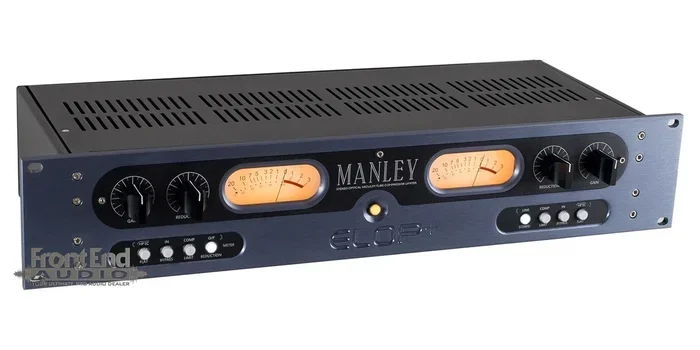
Manley Compressor The Ultimate Guide for Musicians
The Manley compressor is a powerful audio compressor that helps musicians shape their sound with precision. It offers studio-quality compression with intuitive controls, making it ideal for both beginners and pros. This guide covers everything you need to know about using the Manley compressor in your music production workflow.
The Manley compressor has earned a strong reputation among musicians and audio engineers who demand top-notch sound quality. This audio compressor stands out in the world of music production because it combines vintage warmth with modern precision. Whether you are mixing vocals, drums, or full bands, the Manley compressor gives you the tools to control dynamic range like a pro. In this guide, we will explore its features, settings, and real-world tips that help you get the best results. If you are serious about your recording studio setup, understanding this tool is essential.
If you have ever wondered what makes a great mix sound polished and professional, compression is a big part of the answer. The Manley compressor is one of the most respected tools in audio engineering today. It helps you tame loud peaks and bring out the quiet details in your recordings. Many musicians start their journey with basic compressor settings and slowly learn what works best for their style. The Manley compressor makes that learning process easier because it is both powerful and straightforward. Whether you are working on a mixing console at home or in a professional space, this gear fits right in.
Key Takeaways
- Versatile Compression: The Manley compressor delivers smooth, musical compression for vocals, instruments, and full mixes.
- Easy to Use: Its intuitive controls make compressor settings simple, even for beginners.
- Premium Build Quality: Built with studio equipment standards, it is designed for long-term reliability.
- Flexible Signal Processing: Works great as a tube compressor or stereo compressor in any recording studio.
- Widely Trusted: A favorite among audio engineering professionals and home studio musicians alike.
📑 Table of Contents
What Is a Manley Compressor?
The Manley compressor is a high-end audio compressor designed for professional music production. It is built to give musicians precise control over the volume and dynamics of their recordings. Unlike basic compressors that only do one job, the Manley compressor offers a range of features that make it useful in many different situations.
Compressors are tools that reduce the difference between the loudest and quietest parts of a sound signal. They work by lowering the volume of loud parts while keeping the quiet parts intact. This process is called gain reduction. The result is a smoother, more balanced sound that sits well in a mix.
A Brief History
The Manley compressor was developed by Manley Labs, a company known for making premium studio equipment. Their goal was to create a compressor that sounded warm and musical, not harsh or clinical. Over the years, the Manley compressor has become a staple in many recording studios around the world. Musicians and engineers trust it for its reliable performance and rich, analog character.
What makes the Manley compressor special is its vintage compressor design philosophy. It draws inspiration from classic compressor circuits that were used in famous studios during the 1960s and 1970s. But it also includes modern updates that make it easier to use and more flexible. This blend of old and new is why so many professionals choose it for their audio engineering work.
How It Works
At its core, the Manley compressor uses a tube compressor circuit to process audio signals. Tubes add a natural warmth and smoothness to the sound. This is one reason why the Manley compressor is so popular for vintage compressor lovers. The tube circuit responds to changes in the audio signal in a musical way, unlike some digital audio compressor plugin options that can sound stiff.
The compressor works by taking the input signal and applying signal processing based on the settings you choose. When the signal goes above a certain level, the compressor reduces it. This is how you control dynamic range. Many people think compressors are only for making things quieter, but they actually do much more. They can add punch, sustain, and presence to your sound.
It is worth noting that compressors come in many forms. Some are physical hardware units, while others are software-based. If you are curious about how different types of compressors work in the real world, check out our guide on how to use a Craftsman air compressor to understand the broader concept of compression across different equipment types.
Key Features That Set It Apart
The Manley compressor is packed with features that make it stand out from other music gear. Let us look at what makes it so special.
Tube Circuit Design
The tube compressor design is at the heart of the Manley compressor. Vacuum tubes give the audio a warm, smooth character that many musicians love. This warmth is hard to replicate with digital tools alone. The tube circuit also responds to audio in a way that feels natural and musical. It does not just squash the signal; it shapes it in a pleasing way.
For music production professionals, this tube warmth is a big deal. It helps vocals sound rich and full. It makes drums hit harder without feeling harsh. And it glues a full mix together in a way that sounds organic.
Variable Ratio Control
One of the best features of the Manley compressor is its variable ratio control. The compression ratio determines how much the compressor reduces the signal. A low ratio like 2:1 is gentle. A high ratio like 10:1 is more aggressive. With the Manley compressor, you can adjust this ratio to fit any situation. This flexibility makes it useful for many different instruments and genres.
Sidechain and Filter Options
The Manley compressor also includes sidechain and filter options. Sidechain allows you to use an external signal to trigger the compressor. This is a common technique in audio engineering. For example, you can set up a sidechain so that the bass ducks every time the kick drum hits. The filter options let you shape which frequencies the compressor responds to. This gives you even more control over your signal processing.
Quick Tip: Try using the sidechain filter to let only the low frequencies trigger the compressor. This keeps your mix clean and prevents unnecessary volume dips in the high frequencies.
How to Set Up and Use the Manley Compressor
Setting up the Manley compressor is straightforward, even if you are new to audio compression. The key is to understand where it fits in your signal chain and how to dial in the right settings for your source material.
Connecting the Compressor to Your Signal Chain
The Manley compressor works as a stereo compressor and can be inserted at different points in your signal chain. The most common placement is right after the preamp and before any EQ or effects. This position lets the compressor work on the raw signal first. It ensures that the compression affects the entire sound before other processing happens.
If you are using the Manley compressor on a mixing console, insert it on the channel strip where you want compression applied. For a full mix bus, place it at the end of the chain. This is a common technique in professional recording studios and helps glue all the tracks together.
Basic Setup for Vocals
Vocals are one of the most common sources for the Manley compressor. To set it up for vocals, start with these steps:
- Set the threshold setting so the compressor activates on the loudest parts of the vocal.
- Choose a compression ratio between 3:1 and 5:1 for a smooth, transparent effect.
- Set the attack to a medium speed so it catches peaks without sounding unnatural.
- Adjust the release to let the compressor breathe between phrases.
- Monitor the gain reduction meter and aim for 3 to 6 dB of reduction on loud parts.
Using It on Instruments and Drums
The Manley compressor also shines on instruments and drums. For drums, a faster attack and higher ratio can add punch and snap. For bass guitar, a slower attack preserves the natural attack of the notes. For acoustic guitar, gentle compression helps the instrument sit well in a mix without sounding squashed.
Experiment with different settings for each instrument. Every source has its own dynamic range, and the Manley compressor gives you the flexibility to handle them all.
Expert Insight: Many professional engineers recommend starting with conservative settings and slowly increasing the compression. This approach lets you hear the effect build and avoids over-compressing your signal.
Understanding the Settings and Controls
The Manley compressor has several controls that might seem overwhelming at first. But once you understand what each one does, dialing in the right sound becomes much easier.
Threshold and Gain Reduction
The threshold setting is the level at which the compressor starts working. Any signal above the threshold gets compressed. The lower you set the threshold, the more of the signal gets compressed. The gain reduction meter shows you how much the compressor is lowering the signal at any given moment.
Think of the threshold as a ceiling. When the signal hits that ceiling, the compressor pulls it down. The amount it pulls it down depends on the ratio and the input level. Understanding this relationship is key to getting great results with any audio compressor.
Attack and Release Timing
The attack release controls determine how fast the compressor reacts. The attack controls how quickly the compressor engages when the signal crosses the threshold. A fast attack catches peaks immediately. A slow attack lets the natural punch through before compression kicks in.
The release controls how quickly the compressor lets go after the signal drops below the threshold. A fast release makes the compression more audible and rhythmic. A slow release creates a smoother, more transparent effect. Finding the right balance is one of the most important skills in audio engineering.
Compression Ratio Explained
The compression ratio tells you how much the compressor reduces the signal above the threshold. A ratio of 2:1 means that for every 2 dB the signal goes over the threshold, only 1 dB comes out. A ratio of 4:1 means that for every 4 dB over, only 1 dB comes out.
Lower ratios are great for gentle leveling. Higher ratios are better for controlling very dynamic sources or for creative effects. The Manley compressor gives you the freedom to explore both ends of the spectrum.
Common Mistakes: Many beginners set the ratio too high and wonder why their sound feels flat and lifeless. Start with a moderate ratio and increase only if needed. Less is often more when it comes to compression.
Tips for Getting the Best Results
Getting the most out of the Manley compressor takes a bit of practice and experimentation. Here are some tips that will help you improve your results right away.
Start with Subtle Settings
When you first use the Manley compressor, start with gentle settings. A low ratio, moderate threshold, and slow attack will give you a transparent effect. You can always increase the compression later once you hear how the compressor interacts with your source material. Subtle compression is often the most effective in a mix.
Experiment with Attack and Release
Do not be afraid to try different attack release combinations. For a punchy drum sound, try a fast attack and medium release. For a smooth vocal, try a slow attack and slow release. Each adjustment changes the character of the compression. Spend time exploring these options to find the sweet spot for your sound.
Use It in Parallel for More Impact
Parallel compression is a technique where you blend the compressed signal with the uncompressed signal. This gives you the best of both worlds. You get the punch and consistency from compression while keeping the natural dynamics of the original sound. The Manley compressor works beautifully for parallel compression because of its smooth, musical character.
Quick Tip: Set up two channels on your mixing console. One with heavy compression and one dry. Blend them together until you find the right balance. This technique works wonders on drums and bass.
Manley Compressor vs Other Compressors
The Manley compressor is excellent, but how does it compare to other options on the market? Let us look at how it stacks up against different types of compressors.
Manley vs Plugin-Based Compressors
Plugin-based audio compressor plugin options have improved a lot in recent years. They are convenient and often more affordable than hardware units. However, the Manley compressor offers something that most plugins cannot fully replicate: the warmth and character of real tube circuits. The analog signal path in the Manley compressor adds a richness that many engineers prefer for critical mixes.
That said, plugins are great for editing and recall. You can save your compressor settings and recall them later. The Manley compressor requires you to dial in settings each time, which takes more time but also offers a more hands-on experience.
Comparison Table
| Feature | Manley Compressor | Plugin Compressor | Basic Hardware Compressor |
|---|---|---|---|
| Sound Character | Warm, musical, tube-driven | Clean, digital, varies by plugin | Functional, often flat |
| Price Range | Premium | Affordable to mid-range | Budget to mid-range |
| Flexibility | High (ratio, sidechain, filter) | High (presets, automation) | Limited |
| Best For | Professional recording studio work | Home studios, quick edits | Basic leveling tasks |
| Build Quality | Premium studio equipment | N/A (software) | Varies |
When to Choose Hardware Over Software
Choosing between hardware and software depends on your needs and budget. If you are working in a professional recording studio and need the best possible sound quality, the Manley compressor is an outstanding choice. Its analog warmth and build quality are hard to match. If you are on a tighter budget or need flexibility and recall, a high-quality plugin can get you close.
Many professionals use both. They rely on the Manley compressor for their most critical tracks and use plugins for less demanding tasks. This hybrid approach gives you the best of both worlds and is a common practice in modern audio engineering.
Expert Insight: The Manley compressor is often described as a “set it and forget it” tool. Once you dial in the right settings, it requires very little adjustment. This reliability is one of the reasons it has remained a staple in professional studios for years.
Common Mistakes to Avoid
Even experienced musicians can make mistakes when using the Manley compressor. Here are some common pitfalls to watch out for.
- Setting the threshold too low: This causes constant compression and makes your sound lifeless. Always set the threshold so the compressor only activates on the loudest parts.
- Ignoring the attack and release: These controls shape the character of the compression. Spend time adjusting them to get the best results.
- Over-compressing: More compression is not always better. Aim for 3 to 6 dB of gain reduction for most applications. You can always add more later.
- Skipping the bypass test: Always compare your compressed sound with the uncompressed signal. Toggle the bypass button frequently to make sure the compression is helping, not hurting.
Just as proper maintenance matters for all equipment, understanding the basics of how compressors function helps you avoid common issues. For a broader look at how different compressor systems work, you can also explore our article on whether defrost works without an AC compressor to understand how equipment functions without certain components.
Expert Insights on the Manley Compressor
Professional audio engineers who have used the Manley compressor for years share a few key insights. First, they emphasize the importance of patience. The best results come from carefully adjusting each control rather than rushing through the setup. Second, they recommend using the compressor on individual tracks before applying it to the master bus. This approach gives you more control over the final sound.
Many engineers also note that the Manley compressor excels on sources with a wide dynamic range. Vocals, acoustic guitars, and orchestral instruments all benefit from its smooth, transparent compression. It is also a favorite for stereo compressor applications on drum buses and mix busses, where it helps create a cohesive, polished sound.
The Manley compressor is more than just a piece of music gear. It is a tool that helps you tell a story with your sound. When used correctly, it enhances the emotion and energy of your recordings without drawing attention to itself. That is the mark of truly great studio equipment.
Conclusion
The Manley compressor is a world-class audio compressor that deserves its place in any serious music production setup. It combines vintage warmth, modern precision, and intuitive controls in a way that benefits musicians at every skill level. From the tube compressor circuit to the flexible compressor settings, every aspect of the Manley compressor is designed to help you achieve the best possible sound quality.
Whether you are working on vocals, drums, or a full mix, this tool gives you the control and creativity you need. Invest the time to learn its features, experiment with different settings, and trust your ears. The Manley compressor will reward your effort with professional-grade results that elevate your recording studio work to the next level.
Frequently Asked Questions
What does a Manley compressor do?
The Manley compressor is an audio compressor that controls the dynamic range of your audio signal. It reduces the volume of loud parts and brings up the quiet parts, resulting in a smoother, more balanced sound. It is widely used in music production for vocals, instruments, and full mixes.
Is the Manley compressor good for vocals?
Yes, the Manley compressor is excellent for vocals. Its tube circuit adds warmth and smoothness, which helps vocals sound rich and professional. The flexible compressor settings let you dial in the perfect amount of compression for any vocal style, from gentle leveling to more aggressive control.
How do I set the compression ratio on a Manley compressor?
Start with a moderate ratio between 3:1 and 4:1 for most applications. A lower ratio like 2:1 works well for subtle leveling. A higher ratio like 6:1 or above is better for controlling very dynamic sources. Adjust the threshold setting alongside the ratio to get the right amount of gain reduction.
Can I use the Manley compressor on a mixing console?
Absolutely. The Manley compressor works great on a mixing console. You can insert it on individual channel strips or use it on the master bus. Its stereo compressor capabilities make it especially useful for gluing a full mix together and creating a cohesive sound across all tracks.
Is the Manley compressor worth the price?
For professional musicians and studios, the Manley compressor is worth the investment. Its premium build quality, tube warmth, and flexible controls deliver results that are hard to match with budget alternatives. If you are serious about audio engineering and sound quality, it is a valuable addition to your studio equipment.
Can I use a Manley compressor plugin instead of the hardware?
While there are plugin emulations available, they do not fully capture the analog character of the hardware Manley compressor. Plugins are convenient and affordable, but the real unit offers a unique warmth and musicality that comes from its tube circuit. Many engineers use both to get the best results in their music production workflow.