How to Choose the Best Paintless Dent Repair Tool Kit
Choosing the right paintless dent repair tool kit can save you hundreds of dollars and hours of frustration. Whether you are dealing with hail damage, minor dings, or door dings, the right tools make all the difference. This guide walks you through everything you need to know about selecting the perfect paintless dent repair tool kit for your skill level and budget.
Have you ever noticed a small dent on your car and thought, “I could fix that myself”? You are not alone. Thousands of car owners are turning to paintless dent repair as a cost-effective way to restore their vehicles without the expense of a body shop visit. The secret weapon behind this DIY revolution is the paintless dent repair tool kit.
A good paintless dent repair tool kit gives you the power to remove dents from hail damage, parking lot bumps, and door dings without scratching or repainting your car. But here is the thing, not all kits are created equal. Some are perfect for beginners, while others are built for seasoned professionals. Choosing the wrong one can lead to frustration, wasted money, and even more damage to your vehicle.
In this guide, we will walk you through everything you need to know about picking the right paintless dent repair tool kit. From understanding the essential components to comparing top brands, we have you covered. By the end, you will know exactly what to look for and how to make a smart purchase.
Key Takeaways
- Know your kit components: A quality paintless dent repair tool kit includes glue guns, rods, tabs, and suction tools for different dent types.
- Match the kit to your skill level: Beginners should start with basic kits, while pros need advanced multi-tool sets.
- Consider your vehicle type: Different cars require different rod sizes and pulling techniques.
- Quality matters more than quantity: A smaller kit with durable tools outperforms a large kit with cheap parts.
- Practice on junk panels first: Always hone your PDR skills before working on your own vehicle.
- Budget ranges vary widely: Entry kits start around $30, while professional-grade sets can exceed $500.
- Glue and tabs are consumables: Factor in ongoing costs for glue sticks, dent tabs, and repair pads.
📑 Table of Contents
- What Is a Paintless Dent Repair Tool Kit?
- Key Components of a Paintless Dent Repair Tool Kit
- How to Choose the Right Paintless Dent Repair Tool Kit
- Comparing Popular Paintless Dent Repair Tool Kits
- Tips for Using Your Paintless Dent Repair Tool Kit Effectively
- Common Mistakes to Avoid When Using PDR Kits
- How to Build Your Skills in Paintless Dent Repair
- Frequently Asked Questions
- Final Thoughts
What Is a Paintless Dent Repair Tool Kit?
A paintless dent repair tool kit is a collection of specialized tools designed to remove dents from a vehicle without damaging the original paint. Unlike traditional bodywork, which involves sanding, filling, and repainting, paintless dent removal (PDR) pushes or pulls the dent back into place from behind or in front of the panel.
The concept is simple. Dent technicians access the backside of the panel, apply gentle pressure using rods and levers, and gradually massage the metal back to its original shape. Alternatively, they use glue tabs and pulling devices to extract dents from the front surface. The entire process preserves the factory paint finish, which is why insurance companies and car owners love it.
Why Choose Paintless Dent Repair Over Traditional Methods?
There are several reasons why auto dent repair using PDR methods has grown so popular. First, it is dramatically cheaper. A traditional body shop repair for a single dent can cost anywhere from $150 to $500 or more. A paintless dent repair tool kit pays for itself after fixing just one or two dents. Second, PDR is faster. Most minor dents can be fixed in under an hour. Third, it is eco-friendly because no fillers, solvents, or paint are involved.
Beyond cost and speed, PDR also preserves your vehicle’s resale value. Cars with original paint always fetch higher prices than those with repainted panels. If you plan to sell or trade in your car someday, keeping the factory finish intact is a smart move.
Key Components of a Paintless Dent Repair Tool Kit
Before you buy any paintless dent repair tool kit, you need to understand what is inside it. Not every kit includes the same tools, and knowing what each piece does will help you make a smarter choice.
Glue Gun and Glue Sticks
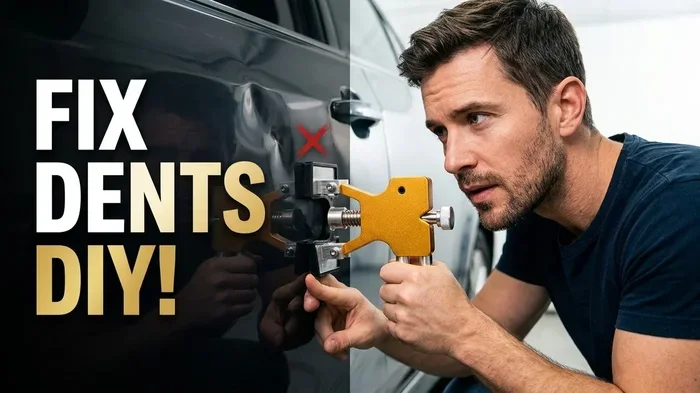
Almost every PDR tool kit includes a glue gun for tab pulling. The glue gun heats up special adhesive sticks that bond a metal tab to the dent surface. Once the glue sets, you attach a pulling bridge or slide hammer to the tab and pull the dent out. Look for kits that include a temperature-controlled glue gun, as consistent heat is essential for strong bonds without damaging your paint.
Dent Rods and Leverage Tools
Dent repair rods are long, thin metal tools that you slide behind the panel to push dents out from the inside. They come in various shapes, lengths, and tip sizes. Some rods have flat tips for broad surface work, while others have hooked or pointed tips for reaching tight spots. A quality paintless dent repair tool kit should include at least 10 to 15 rods of different shapes.
Suction Cup Dent Pullers
Suction cups are one of the simplest and most accessible dent removal tools. They work best on smooth, flat surfaces like hoods and roofs. You place the suction cup over the dent, pull the handle, and the vacuum lifts the dent outward. While not suitable for every dent type, suction tools are a great starting point for beginners.
Bridge Pullers and Tab Kits
Bridge pullers are devices that anchor to the surrounding paint around a dent and use a central post to push the dent out. They come in different sizes to fit various dent diameters. Tab pulling kits include adhesive tabs of different sizes that stick to the dent and connect to pulling mechanisms. These are essential for front-surface dent repair.
Reflective Board and LED Light
One tool that beginners often overlook is the reflection board. This flat, reflective surface helps you see the subtle contours of the dent by reflecting light across the panel. Professional PDR technicians rely on reflection techniques to measure their progress. A good paintless dent repair tool kit will include a board or recommend a compatible one.
How to Choose the Right Paintless Dent Repair Tool Kit
With so many options on the market, selecting the right paintless dent repair tool kit can feel overwhelming. Here are the key factors to consider before you click “buy.”
Assess Your Skill Level
Your experience level should drive your decision. If you have never tried paintless dent removal before, start with a beginner-friendly kit that includes basic rods, a glue gun, suction cups, and clear instructions. Advanced kits with dozens of specialized rods and professional-grade bridges are better suited for experienced users who already understand car body repair techniques.
Consider the Types of Dents You Face
Not all dents are the same. A hail damage repair scenario involves dozens of small dents across a wide area, requiring a different approach than a single deep door ding. If you live in a hail-prone area, look for kits with multiple rod sizes and a strong glue system. For isolated dents, a basic suction and tab pulling setup may be all you need.
Check Tool Quality and Material
The durability of your tools matters more than the quantity. Cheap rods bend easily and lose their shape after a few uses. Look for kits that advertise stainless steel rods, hardened metal tips, and solid construction. Reading user reviews is one of the best ways to gauge real-world durability.
Evaluate the Price-to-Value Ratio
Budget kits can be found for as low as $25 to $50, but they often include flimsy tools and limited rod variety. Mid-range kits between $75 and $150 typically offer a solid balance of quality and quantity. Professional-grade PDR tool sets can cost $300 to $500 or more and include everything a technician needs for daily work. Set a realistic budget based on how often you plan to use the kit.
Look for Comprehensive Accessories
A great paintless dent repair tool kit goes beyond just rods and a glue gun. Look for kits that include replacement glue sticks, extra tabs, a carrying case, and a reflection board. These extras add real value and make your repair sessions smoother.
Comparing Popular Paintless Dent Repair Tool Kits
To help you narrow down your options, here is a quick comparison of some popular dent repair tool kits on the market today.
| Kit Name | Skill Level | Number of Tools | Price Range | Best For |
|---|---|---|---|---|
| Basic Beginner PDR Kit | Novice | 10-15 pieces | $25-$50 | Small dents, first-time users |
| Mid-Range Pro Kit | Intermediate | 25-40 pieces | $75-$150 | Hail damage, multiple dent types |
| Professional Grade Set | Expert | 50+ pieces | $300-$500+ | Daily PDR work, technicians |
| Suction-Only Kit | Beginner | 5-8 pieces | $15-$30 | Quick fixes on flat surfaces |
Keep in mind that price does not always equal quality. Some mid-range kits outperform expensive sets because they focus on the right tools rather than packing in low-quality extras. Always check what other users say about dent puller performance and tool durability before making a final decision.
Tips for Using Your Paintless Dent Repair Tool Kit Effectively
Buying the right paintless dent repair tool kit is only half the battle. Knowing how to use it properly determines your success.
Practice on Scrap Panels First
If you are new to paintless dent removal, do not jump straight into your daily driver. Buy a cheap junk panel from a salvage yard or find an old fender someone is throwing away. Practicing on scrap metal lets you learn how much pressure to apply and how different rods interact with various panel shapes. This simple step dramatically reduces the risk of making mistakes on your real vehicle.
Master the Glue Technique
Tab pulling is one of the most effective methods for front-surface dents. Apply a thin, even layer of glue to the tab, press it firmly onto the center of the dent, and wait for the glue to cool completely before pulling. Rushing this step is one of the most common mistakes beginners make. Clean the panel surface with rubbing alcohol before applying glue for the strongest bond.
Use the Reflection Board
Place your reflection board behind or beside the dent and angle your LED light so it reflects off the panel surface. You will see the dent’s high points and low spots much more clearly. This technique, known as reflection PDR, helps you track your progress and avoid overcorrecting the panel.
Work in Small Increments
Patience is the most important PDR skill you can develop. Push or pull the dent a little bit at a time. Overcorrecting creates new high spots that are harder to fix than the original dent. Step back frequently and check your progress from different angles.
Keep Your Tools Clean
Dirt and debris on your dent repair rods can scratch the paint or create uneven pressure. Wipe your tools with a clean cloth after every use and store them in a protective case. Maintaining your tools ensures they last longer and perform better over time.
Know When to Call a Professional
While a paintless dent repair tool kit handles most minor dents beautifully, some situations need a professional. Deep creases, dents on sharp body lines, and damage near sensors or trim pieces are best left to experienced technicians. Trying to force a repair in these situations can cause more harm than good.
Common Mistakes to Avoid When Using PDR Kits
Even with the best paintless dent repair tool kit, mistakes happen. Here are the most common ones to watch out for.
Skipping the glue preparation step. Dirty or oily panels cause tabs to pop off mid-pull, which can worsen the dent or damage the paint. Always clean the area thoroughly.
Using the wrong rod size. A rod that is too thick will not fit behind tight panels, and one that is too thin lacks the leverage needed for larger dents. Choose rods that match the dent size and panel access points.
Applying too much heat. If your glue gun is too hot, it can damage the paint or leave residue. Use temperature control and test on a small hidden area first.
Pulling too aggressively. Many beginners crank the pulling mechanism with full force. Gentle, steady pressure produces far better results and protects the surrounding paint.
Ignoring the paint condition. If the paint is already cracked or chipped, PDR may not be the right approach. Assess the paint integrity before starting any repair.
Buying the cheapest kit available. Ultra-budget kits often include tools that bend, break, or fail to create proper bonds. Investing a little more upfront saves money and frustration in the long run.
How to Build Your Skills in Paintless Dent Repair
Owning a paintless dent repair tool kit is only the beginning. The real value comes from developing your PDR skills over time.
Start by watching online tutorials from experienced technicians. Many free videos demonstrate step-by-step techniques for different dent types. Pay attention to how they position their rods, apply pressure, and use the reflection board to guide their work.
Join online communities and forums dedicated to paintless dent removal. These groups are full of experienced PDR enthusiasts who share tips, answer questions, and provide feedback on repair techniques. Learning from others’ experiences accelerates your growth tremendously.
Set small, achievable goals. Fix the dents on an old vehicle first. Once you feel confident, move on to your daily driver. Over time, you will develop the hand sensitivity and tool control that separate amateur attempts from professional-quality results.
Consider investing in a dent repair practice board if you want to sharpen your skills without touching your car. These boards simulate real panel surfaces and allow you to practice pushing and pulling techniques endlessly.
Frequently Asked Questions
Can a paintless dent repair tool kit fix hail damage?
Yes, a quality paintless dent repair tool kit can effectively fix hail damage. Hail dents are typically small and shallow, which makes them ideal candidates for PDR. You will need a kit with multiple rod sizes and a reliable glue system to handle the volume of dents that hail storms create. Many professional hail damage repair specialists use PDR as their primary method.
Is paintless dent repair safe for all car colors and finishes?
In most cases, yes. Paintless dent removal works on all factory paint finishes because it does not involve sanding, scraping, or repainting. However, if your car has specialty finishes like matte paint or ceramic coatings, you should consult a professional. Standard PDR techniques may not be appropriate for these unique surfaces.
How long does it take to learn paintless dent repair?
Basic dent removal skills can be learned in a few hours of practice. Simple door dings and shallow dents are relatively easy to fix once you understand the technique. However, mastering complex repairs and achieving flawless results takes weeks or months of consistent practice. The good news is that every session with your paintless dent repair tool kit improves your skills.
What types of dents cannot be repaired with PDR?
Paintless dent repair works best on dents where the paint is still intact. Deep creases, sharp angles, and dents where the paint has cracked or chipped are difficult or impossible to fix with PDR. Additionally, dents on panels with limited access from behind may require traditional bodywork methods. Always assess the dent carefully before starting the repair.
How much money can I save by using a PDR tool kit at home?
The savings can be significant. A single professional dent repair costs anywhere from $100 to $500 depending on the size and location. A paintless dent repair tool kit costs between $25 and $500 depending on the quality and number of tools. If you fix even two dents at home, the kit pays for itself. Over time, DIY car dent repair can save you hundreds or even thousands of dollars.
Do I need any special skills or training to use a paintless dent repair tool kit?
No formal training is required to start using a paintless dent repair tool kit. Most beginner kits come with detailed instructions and are designed for first-time users. However, developing professional-level skills does require practice and patience. Many people learn through a combination of online tutorials, practice on scrap panels, and trial-and-error on real dents. The key is to start simple and gradually take on more challenging repairs as your confidence grows.
Final Thoughts
Finding the best paintless dent repair tool kit comes down to understanding your needs, assessing your skill level, and choosing tools that are built to last. A well-chosen kit empowers you to tackle everything from small door dings to widespread hail damage without ever stepping foot in a body shop.
Remember, the goal is not just to buy a kit, it is to invest in a solution that works reliably and delivers results. Focus on quality over quantity, start with the right tools for your situation, and dedicate time to building your PDR skills. The satisfaction of fixing your own dents and preserving your car’s factory finish is incredibly rewarding.
Whether you are a car enthusiast looking to save money or a homeowner tired of paying for every minor dent, a paintless dent repair tool kit is one of the smartest investments you can make. Pick the right kit, practice with patience, and enjoy the confidence that comes with handling your own auto dent repair. Your wallet, and your car, will thank you.