Everything You Need to Know About Stone Setting Tool Kits
A stone setting tool kit is the must-have collection of tools every jeweler needs to set gemstones securely and beautifully. Whether you are a beginner or a seasoned craftsperson, the right stone setting tool kit saves time, reduces mistakes, and elevates your jewelry making. In this guide, we walk you through every tool, technique, and tip you need to pick the perfect kit and start setting stones like a pro.
Key Takeaways
- A complete stone setting tool kit includes all the essential hand tools you need for bezel, prong, and pavé setting.
- Choosing the right kit depends on your skill level, budget, and the types of gemstones you work with.
- Quality tools made from hardened steel last longer and perform better than cheap alternatives.
- Practicing proper technique and tool maintenance keeps your stone setting tools in top shape for years.
- Beginners should start with a basic kit and expand as their skills and projects grow.
- Investing in a good jewelry hand tools set pays off through better results and fewer frustrations.
📑 Table of Contents
- What Is a Stone Setting Tool Kit?
- Essential Tools in a Stone Setting Tool Kit
- Types of Stone Setting Techniques
- How to Choose the Right Stone Setting Tool Kit
- Tips for Using Your Stone Setting Tool Kit
- Maintaining and Caring for Your Stone Setting Tools
- Common Mistakes to Avoid When Stone Setting
- Final Thoughts on Stone Setting Tool Kits
What Is a Stone Setting Tool Kit?
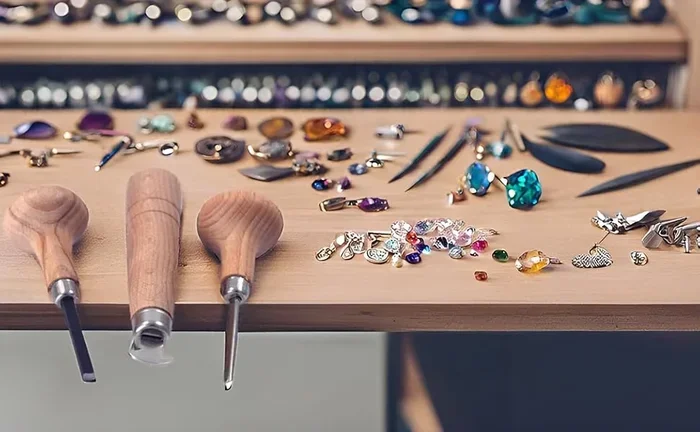
A stone setting tool kit is a curated collection of tools designed specifically for setting gemstones into metal. Jewelers and bench crafters use these tools to mount diamonds, sapphires, opals, and other precious stones into rings, pendants, earrings, and bracelets.
Every stone setting tool kit serves one core purpose: to hold a gemstone firmly in place while creating a clean, professional finish. The tools range from simple hand files to specialized gravers and burnishing tools. Each one plays a unique role in the setting process.
Think of a stone setting tool kit like a painter’s brush collection. A painter needs different brushes for different effects. Similarly, a jeweler needs different tools for different setting styles. A basic kit might include a few essential items. A professional-grade kit could contain dozens of specialized tools.
Understanding what goes into a stone setting tool kit helps you make smart buying decisions. It also helps you avoid wasting money on tools you do not need. Let us break down the most important components.
Why Every Jeweler Needs a Dedicated Stone Setting Kit
You might wonder why you cannot just use general-purpose tools for stone setting. The answer is precision. Stone setting tools are designed with specific shapes and angles that match the demands of mounting gemstones. Generic tools simply do not offer the same level of control.
Using the wrong tools can damage gemstones, scratch metal, or produce uneven settings. A dedicated jewelry hand tools set for stone setting ensures every job looks clean and professional. It also reduces the risk of injury since the right tools require less force and effort.
Essential Tools in a Stone Setting Tool Kit
A well-built stone setting tool kit contains several key tools. Each tool handles a specific part of the setting process. Below, we walk through the most important ones you should expect to find.
Setting Bur and Burnishing Tools
A setting bur is a small rotating tool used to carve seats for gemstones in metal. It shapes the area where the stone will sit so it fits snugly. Burnishing tools then smooth and tighten the metal around the stone, creating a secure and polished hold.
Burnishing tools come in different shapes. Some are flat, while others are round or tapered. A burnishing pen is a popular choice for beginners because it is easy to handle and very effective for basic jobs.
Gravers and Engraving Tools
Gravers are small cutting tools used to carve metal. In stone setting, gravers prepare the metal surface and create decorative details around the stone. A good graver set includes several sizes and shapes for different tasks.
Gravers take practice to master, but they are essential for anyone who wants to do detailed stone mounting work. Start with a basic set and gradually build your collection as your skills grow.
Bezel Pusher and Burnishing Bar
A bezel pusher is used to push the thin metal wall (called a bezel) over the edge of a gemstone. This holds the stone securely in place. A burnishing bar then smooths the pushed metal so it sits flush against the stone.
These two tools work together to create a clean bezel setting. They are among the most commonly used items in any setting tools kit, and they are essential for both beginners and professionals.
Prong Setting Tools
Prong setting is one of the most popular methods for mounting gemstones. It uses small metal claws (prongs) to hold the stone in place. To set prongs, jewelers use specialized tools like prong pushers, stake sets, and ball burrs.
A prong pusher gently bends each prong over the stone to secure it. Stake sets provide a stable base for the metal while you work. Ball burrs round the tips of the prongs so they do not scratch the gemstone.
Types of Stone Setting Techniques
Different gemstones call for different setting methods. The technique you choose depends on the stone shape, size, and fragility. Here are the most common methods used in jewelry making today.
Bezel Setting
Bezel setting wraps a thin metal collar around the gemstone. This method is ideal for softer stones like opals and moonstones because the metal protects the edges from chipping. Bezel settings also look elegant and modern, making them a favorite for contemporary jewelry hand tools projects.
To create a bezel setting, you need a bezel pusher, burnishing tool, and a setting bur to carve the seat. A complete stone setting tool kit will include all of these items.
Prong Setting
Prong setting is the classic style you see in most engagement rings and solitaire pendants. It uses four or six metal claws to hold the stone. Prong settings allow more light to reach the gemstone, which makes stones appear brighter and more brilliant.
This technique requires a prong pusher, stake set, and ball burr. It takes more skill than bezel setting, but the results are stunning. Many bench jewelry professionals prefer prong settings for their clean, minimalist look.
Pavé Setting
Pavé setting involves setting many small stones close together so the surface looks like a paved road of gems. This technique is popular in wedding bands, tennis bracelets, and statement necklaces.
Pavé setting requires very fine stone mounting tools. You need tiny gravers, micro-setting burs, and precision prongs. It is one of the most challenging techniques, but it produces breathtaking results. A professional stone setting tool kit often includes specialized micro-setting tools for this purpose.
Cabochon Setting
Cabochon setting is used for stones that are polished but not faceted. These stones have a smooth, rounded surface and are often set in a low-profile mount. Cabochons are popular in bohemian and vintage-style jewelry making.
For cabochon setting, you need a burnishing tool and a setting bur to carve a flat seat. The process is simpler than prong or pavé setting, making it a great starting point for beginners learning to use their stone setting tools.
How to Choose the Right Stone Setting Tool Kit
Not all setting tools kit options are the same. Choosing the right one depends on several factors. Here is what to consider before you buy.
Consider Your Skill Level
If you are just starting out, look for a beginner-friendly stone setting tool kit. These kits include the basics: a bezel pusher, burnishing tool, setting bur, and a few gravers. They are affordable and give you everything you need to learn the fundamentals of gemstone setting.
Advanced jewelers may want a more comprehensive kit. Professional-grade kits include micro-setting tools, specialty gravers, and high-speed burs. These kits cost more but offer the precision and versatility experienced bench jewelry makers need.
Check the Tool Quality
Tool quality matters a lot in stone setting. Cheap tools dull quickly and can damage your gemstones. Look for kits made from hardened steel or high-carbon alloy. These materials stay sharp longer and provide a smoother cutting experience.
Reputable brands often offer lifetime warranties or replacement guarantees. This is a good sign of quality. When shopping for jewelry hand tools, always read reviews and check the material specifications before purchasing.
Think About the Types of Stones You Work With
The gemstones you use should influence your tool choice. Soft stones like opals need gentle setting methods like bezel or cabochon mounts. Hard stones like diamonds can handle more aggressive techniques like prong or pavé setting.
Make sure your stone setting tool kit includes tools suited for your preferred stones. A versatile kit that supports multiple setting styles gives you the most flexibility and value for your money.
Budget Considerations
Stone setting tool kits range in price from under $50 to several hundred dollars. Budget kits work well for hobbyists and beginners. They include the essential tools without extra frills. Professional kits cost more but offer superior materials, more tools, and better precision.
Set a realistic budget before you shop. Focus on quality over quantity. A small kit with excellent tools will serve you better than a large kit filled with cheap, low-quality items.
Tips for Using Your Stone Setting Tool Kit
Getting the most out of your stone setting tool kit comes down to proper technique and care. Here are some practical tips that will help you achieve better results.
Start with Practice Stones
Before setting an expensive gemstone, practice with inexpensive stones or plastic blanks. This lets you test your technique and get comfortable with your tools. Gemstone setting is a skill that improves with repetition, so do not rush the learning process.
Keep Your Tools Clean and Sharp
Dirty or dull tools make stone setting harder and more dangerous. Clean your tools after every session with a soft brush and mild solvent. Sharpen gravers and burs regularly to maintain clean cuts.
Store your stone setting tools in a padded case or roll-up kit. This prevents damage and keeps everything organized. A well-maintained tool kit lasts for years and delivers consistent results.
Use Proper Lighting and Magnification
Stone setting requires extreme precision. Good lighting and a magnifying lamp or loupe help you see what you are doing clearly. Many professional jewelers use a magnifying visor or a bench-mounted loupe to inspect their work during stone mounting.
Even small mistakes can compromise the security of a setting. Taking the time to see clearly prevents costly errors and ensures a polished finish every time.
Work Slowly and Patiently
Stone setting is not a race. Rushing leads to mistakes, damaged stones, and uneven settings. Take your time with each step. Apply gentle, steady pressure when pushing bezels or prongs. Let your tools do the work.
Patience is one of the most important skills in bench jewelry. The more carefully you work, the better your results will be. Over time, you will develop speed naturally without sacrificing quality.
Maintaining and Caring for Your Stone Setting Tools
Your stone setting tool kit is an investment. Proper maintenance keeps your tools performing at their best and extends their lifespan significantly.
Start by cleaning your tools after every use. Residual metal filings and stone dust can build up on cutting surfaces and reduce precision. A soft brass brush works well for removing debris from setting tools kit components.
Store tools in a dry environment to prevent rust and corrosion. Many jewelers use anti-tarnish cloth or silica gel packets inside their tool cases. This simple habit protects your jewelry hand tools from moisture damage.
Sharpen gravers and burs regularly using a diamond sharpening stone or honing compound. Dull tools require more force, which increases the risk of slipping and damaging stones. Sharp tools glide through metal smoothly and give you cleaner results.
Inspect your tools before each session. Check for worn edges, loose handles, or damaged tips. Replacing a worn tool before it fails prevents accidents and keeps your stone setting tools working reliably.
Finally, invest in a proper storage solution. Tool rolls, cases, and organizers keep everything in place and protect delicate tips from damage. A well-organized stone setting tool kit also saves you time by making it easy to find the right tool quickly.
Common Mistakes to Avoid When Stone Setting
Even experienced jewelers make mistakes sometimes. Knowing what to avoid helps you prevent costly errors and frustrating setbacks.
One common mistake is using the wrong size setting bur for the stone. If the seat is too large, the stone will wobble. If it is too small, the stone will not fit at all. Always measure your gemstone carefully before cutting the seat.
Another mistake is over-tightening prongs. Too much pressure can crack or chip the gemstone. Apply firm, gentle pressure and check the stone frequently as you work. Stop as soon as the stone feels secure.
Many beginners also skip the burnishing step. Burnishing smooths the metal and creates a professional finish. Skipping this step leaves rough edges that can scratch skin or catch on clothing. Always burnish after pushing bezels or prongs.
Finally, do not rush the learning curve. Gemstone setting is a craft that takes time to master. Practice regularly, seek feedback from experienced jewelers, and invest in quality tools. Your skills will improve steadily with patience and dedication.
Final Thoughts on Stone Setting Tool Kits
A stone setting tool kit is one of the most important investments you can make as a jeweler or hobbyist. The right kit gives you the precision, confidence, and versatility to create beautiful, professional-quality jewelry making projects.
Whether you are setting your first cabochon or mastering intricate pavé setting techniques, the tools you use make all the difference. Choose a kit that matches your skill level, the stones you work with, and your budget. Invest in quality, maintain your tools properly, and practice regularly.
With the right stone setting tool kit and a willingness to learn, you can create stunning jewelry that stands the test of time. Start with the basics, build your skills, and watch your craft grow with every project you complete.
Frequently Asked Questions
What should a beginner look for in a stone setting tool kit?
A beginner should look for a kit that includes a bezel pusher, burnishing tool, setting bur, and a basic graver set. These essentials cover the most common setting techniques and give you a solid foundation to learn on. Choose a kit with clear instructions and quality hardened steel tools for the best experience.
Can I use a general jewelry tool kit for stone setting?
While a general jewelry tool kit may include some useful tools, it will lack the specialized items needed for proper stone setting. Dedicated stone setting tools are designed with specific angles and shapes that match gemstone mounting requirements. Investing in a proper stone setting tool kit will give you much better results.
How often should I sharpen my stone setting tools?
You should sharpen your gravers and burs every few weeks if you use them regularly. Dull tools require more force and can damage gemstones or produce uneven settings. A quick touch-up with a diamond sharpening stone before each session keeps your setting tools kit performing at its best.
What is the easiest stone setting technique for beginners?
Bezel setting is widely considered the easiest technique for beginners. It involves wrapping a thin metal collar around the stone, which is forgiving and does not require intricate prong work. A cabochon setting is another good starting point since it uses simple tools and straightforward methods.
How much should I expect to spend on a quality stone setting tool kit?
Quality stone setting tool kits typically range from $50 to $300 depending on the number of tools and their quality. Budget kits under $50 work for casual hobbyists, while professional-grade kits above $150 offer superior materials and more specialized tools. Focus on tool quality rather than quantity when making your decision.
Are electric or hand tools better for stone setting?
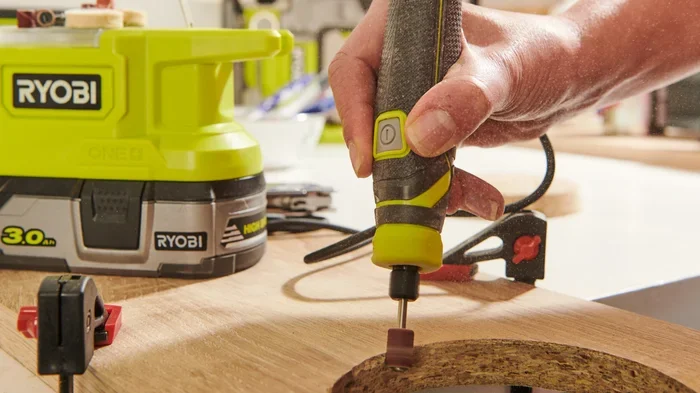
Both have their place in jewelry making. Hand tools offer more control and are ideal for detailed work like prong setting and pavé. Electric tools speed up tasks like carving stone seats and are great for production work. A well-rounded stone setting tool kit often includes both hand and electric options for maximum versatility.