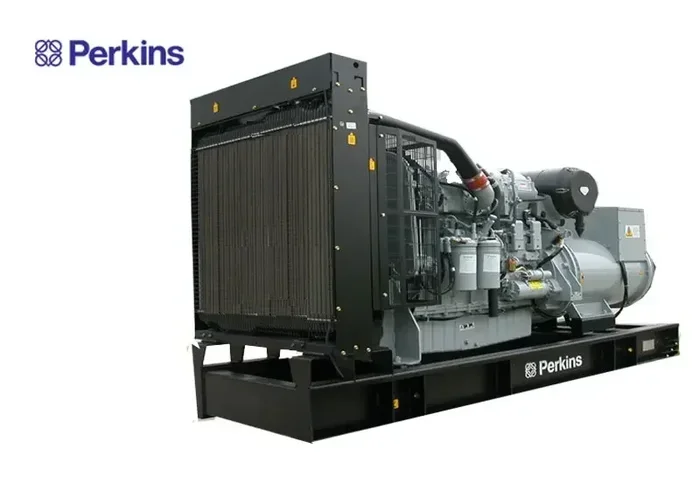
Perkins Generator Reviews Top Picks And Expert Tips
A Perkins generator delivers reliable power thanks to trusted diesel engines built by a decades-old manufacturer. Whether you need a portable unit for job sites or a standby model for home backup, this guide covers the top-rated picks, real-world performance insights, and practical buying advice to help you make a confident choice.
A Perkins generator stands out in a crowded market. These machines use engines built by Perkins Engines, a company with over 90 years of experience. People trust the name because it means reliability, efficiency, and long-lasting performance. If you are shopping for a new generator, understanding what makes Perkins-powered units special is a great first step.
This guide breaks down the best Perkins generator options available today. You will find honest reviews, expert tips, and practical advice to help you choose the right model. Whether you need backup power for your home or a rugged unit for construction work, there is something here for you. Let us dive in.
Key Takeaways
- Perkins engines are known for durability and fuel efficiency, making them a solid choice for both residential and commercial generators.
- Top Perkins generator brands include Caterpillar, FG Wilson, and Cummins, each offering different sizes and features for various needs.
- Consider your power needs, fuel type, runtime, and noise level before purchasing a Perkins-powered unit.
- Regular maintenance like oil changes and filter replacements keeps your Perkins generator running smoothly for years.
- Proper installation and weather protection extend the lifespan of your generator significantly.
- Perkins generators hold their value well, offering strong long-term return on investment.
📑 Table of Contents
What Makes a Perkins Generator Different?
Perkins Engines started in 1932 in Peterborough, England. The company built a reputation for creating powerful and efficient diesel engines. Today, Perkins is part of the Caterpillar family, which means even more resources and engineering expertise behind every engine.
So what sets a Perkins generator apart from the competition? Several key factors make these units stand out in the generator reviews world.
Engine Quality and Durability
Perkins diesel engines are built to handle heavy workloads. They use high-grade materials and precision engineering. This means less wear and tear over time. Many owners report running their Perkins engines for tens of thousands of hours without major issues.
The engines also feature advanced fuel injection systems. These systems deliver fuel more efficiently, which means better performance and lower operating costs. You get more power per gallon of diesel, which adds up to real savings over time.
Fuel Efficiency
Fuel efficiency is one of the biggest advantages of a Perkins generator. Diesel engines naturally use less fuel than gasoline alternatives. But Perkins takes this a step further with smart design choices.
- Low idle fuel consumption saves money during standby mode.
- Optimized combustion chambers extract more energy from each drop of fuel.
- Electronic control modules adjust fuel delivery based on load demand.
For users who run their generators for long hours, this efficiency makes a big difference in operating costs.
Power Output Range
Perkins engines come in a wide range of sizes. You can find units that produce as little as 10 kilowatts or as much as 2,500 kilowatts. This flexibility means there is a Perkins generator for almost every application.
Smaller units work well for homes and small businesses. Larger units power hospitals, data centers, and industrial facilities. The variety gives buyers options no matter their budget or power needs.
Top Perkins Generator Picks
Not all generators are created equal. Some models shine in certain situations while others are better suited for different tasks. Here are some of the top-rated Perkins generator options based on real-world performance and user feedback.
Caterpillar 3500 Generator Series
The Caterpillar 3500 series uses Perkins diesel engines and is built for heavy-duty applications. These generators handle everything from construction sites to large commercial buildings. They offer robust power output and excellent runtime.
Key features include:
- Power output ranging from 500 to 2,500 kilowatts
- Advanced soundproofing for reduced noise levels
- Automatic transfer switch capability for seamless backup power
- Built-in diagnostics for easy troubleshooting
Users love the reliability of the 3500 series. The maintenance schedule is straightforward, and parts are widely available through Caterpillar dealers.
FG Wilson P Series
FG Wilson has been building generators with Perkins engines since the 1960s. The P Series is one of the most popular lines on the market. These units are known for their compact design and impressive fuel economy.
What makes the FG Wilson P Series a top pick:
- Available in sizes from 10 to 2,500 kVA
- Integrated control panels for easy operation
- Low noise levels ideal for residential areas
- Quick start times even in cold weather
The P Series is a great choice for homeowners looking for a dependable home backup generator. The units are also popular among small business owners who need affordable, reliable power.
Cummins Powered Generators with Perkins Engines
Cummins and Perkins share a close relationship in the engine world. Some Cummins generators use Perkins engines in their smaller models. These units combine Cummins build quality with Perkins engine efficiency.
They are especially popular for portable generator applications. Construction crews and event organizers appreciate their portability and consistent power delivery.
How to Choose the Right Perkins Generator
Choosing the right generator can feel overwhelming. There are so many options, and the wrong choice can cost you money and frustration. Here is a practical guide to help you make the best decision.
Determine Your Power Needs
Start by listing the appliances and tools you need to power. Add up their wattage requirements. This gives you a baseline for the size of generator you need.
For a typical home, a 7,000 to 10,000-watt unit covers essential circuits. For a full-house backup, you may need 20,000 watts or more. If you are unsure, check out our guide on how to determine what size generator you need for more detailed help.
Consider Fuel Type and Availability
Perkins generators run on diesel fuel. Diesel is widely available and stores well for long periods. This makes it a practical choice for backup power situations.
Diesel also has a higher energy density than gasoline. That means you get more power from a smaller amount of fuel. Over time, this translates to lower fuel costs and fewer refueling trips.
Think About Runtime
Runtime matters, especially if you plan to use your generator during extended power outages. Most Perkins generator models offer impressive runtime on a single tank of fuel.
- Portable models: 8 to 12 hours at 50% load
- Standby models: 24 to 48 hours with large fuel tanks
- Industrial models: Continuous runtime with auto-refueling systems
Choose a runtime that matches your typical usage patterns. If you live in an area prone to long outages, a standby model with a larger tank makes sense.
Evaluate Noise Levels
Nobody wants a generator that sounds like a jet engine. Perkins generators are known for relatively quiet operation, especially the smaller models. Look for units with soundproof enclosures if noise is a concern.
For residential use, aim for a unit that runs below 70 decibels. That is about the same volume as a normal conversation. Many modern Perkins-powered generators meet or exceed this standard.
Maintenance Tips for Your Perkins Generator
Owning a generator comes with responsibility. Regular maintenance keeps your unit running at peak performance. It also extends the lifespan of your investment significantly.
Oil and Filter Changes
Change the engine oil every 100 to 150 operating hours. Use the oil grade recommended by the manufacturer. Dirty oil causes extra friction and can lead to premature engine wear.
Replace fuel filters and air filters on a regular schedule too. Clogged filters reduce airflow and fuel delivery, which hurts performance and efficiency. Keep a supply of spare filters on hand so you are always ready.
Battery Care
The battery in your Perkins generator needs attention as well. Check the electrolyte levels regularly and clean the terminals to prevent corrosion. A weak battery means slow starts, which you do not want during an emergency.
Regular Load Testing
Run your generator under load at least once a month. This keeps the engine in good condition and prevents fuel system issues. Many standby generators have built-in test cycles that make this easy.
Storage and Protection
When you are not using your generator, proper storage matters. Protect it from the elements and store it in a dry, ventilated area. For tips on proper storage, check out our guide on where to store a generator when not in use.
Installation and Setup Best Practices
Proper installation is just as important as the generator itself. A poorly installed unit can cause safety hazards and performance issues.
Placement Matters
Place your generator on a level, stable surface. Keep it away from windows, doors, and vents to prevent carbon monoxide from entering your home. Never operate a generator indoors or in enclosed spaces.
If you are installing a standby unit, consider hiring a licensed professional. Proper wiring and connection to your home’s electrical system is critical for safety and performance.
Connecting to Your Home
For home backup power, you will need to connect your generator to your electrical panel. This requires a transfer switch, which prevents backfeeding into the grid. If you are not familiar with electrical work, please hire a qualified electrician.
For more detailed guidance on the setup process, visit our article on how to use a generator for house applications.
Weather Protection
Generators need protection from rain and moisture. However, never use a generator in wet conditions without proper shelter. A generator canopy or weatherproof enclosure helps keep your unit safe during storms.
If you want to learn more about operating generators in different weather conditions, our guide on can you leave a generator in the rain covers this topic in detail.
Common Mistakes to Avoid
Even experienced generator users make mistakes. Here are some common errors to watch out for when buying and operating a Perkins generator.
- Undersizing the unit. Running a generator at full capacity constantly shortens its lifespan. Always buy a unit with some extra capacity.
- Skipping maintenance. Missing oil changes or filter replacements leads to costly repairs down the road.
- Using the wrong fuel. Always use clean, fresh diesel fuel. Contaminated fuel can damage the engine.
- Ignoring warning lights. If your generator displays error codes or warning lights, address them immediately.
- Overloading circuits. Plug in only essential appliances. Overloading can trip breakers or damage the generator.
Avoiding these mistakes saves you time, money, and frustration. A well-maintained Perkins generator can serve you reliably for decades.
Perkins Generator Cost and Value
Price is always a factor when buying a generator. Perkins-powered units typically cost more than gasoline alternatives, but they offer better long-term value.
The higher upfront cost is offset by lower fuel consumption, reduced maintenance needs, and longer engine life. Over a 10-year period, a Perkins generator often proves more economical than cheaper alternatives.
Here is a rough price comparison to give you an idea:
- Portable Perkins generators (5-10 kW): $3,000 to $6,000
- Standby Perkins generators (20-50 kW): $8,000 to $20,000
- Industrial Perkins generators (100+ kW): $25,000 to $100,000+
Prices vary based on brand, features, and installation requirements. Always get quotes from multiple dealers before making a purchase.
Final Thoughts
A Perkins generator is a smart investment for anyone who values reliability and efficiency. The combination of proven Perkins diesel engines and quality build from trusted brands like Caterpillar and FG Wilson makes these units hard to beat.
Whether you need a small portable unit for job sites or a massive standby system for your home, there is a Perkins generator that fits your needs. Focus on proper sizing, regular maintenance, and safe installation to get the most from your purchase.
Take your time, compare models, and do not rush the buying decision. The right generator brings peace of mind that lasts for years to come.
Frequently Asked Questions
What is a Perkins generator?
A Perkins generator is a power generation unit that uses a diesel engine built by Perkins Engines. Perkins is a well-known engine manufacturer with over 90 years of experience. These generators are used in homes, businesses, and industrial settings for reliable backup and primary power.
How long does a Perkins generator last?
With proper maintenance, a Perkins generator can last 20,000 to 30,000 operating hours or more. Regular oil changes, filter replacements, and proper storage all contribute to a long lifespan. Many owners report using their units for 15 to 25 years without major engine issues.
Are Perkins generators worth the extra cost?
Yes. Perkins generators cost more upfront than many alternatives, but they deliver better fuel efficiency, lower operating costs, and longer engine life. Over time, the savings on fuel and maintenance make them a smart financial choice for serious power needs.
Can I use a Perkins generator for my entire home?
Absolutely. Standby Perkins generators in the 20 to 50 kW range can power an entire home, including HVAC systems, appliances, and electronics. Make sure to size your unit correctly based on your total power needs for the best results.
What kind of maintenance does a Perkins generator need?
Regular maintenance includes oil and filter changes every 100 to 150 hours, battery checks, fuel system inspections, and periodic load testing. Following the manufacturer’s maintenance schedule keeps your generator running smoothly and prevents unexpected breakdowns.
Where can I buy a Perkins generator?
Perkins-powered generators are sold through authorized dealers from brands like Caterpillar, FG Wilson, and Cummins. You can also find them through industrial equipment suppliers and online marketplaces. Always buy from a reputable dealer to ensure warranty coverage and genuine parts support.