Can You Leave a Generator in the Rain Without Damage
Leaving a generator in the rain can cause serious damage and safety risks. Most portable generators are not designed to operate in wet conditions without proper protection. You need a weatherproof cover, a generator enclosure, or a dedicated shelter to keep your outdoor power equipment safe from water and electrical hazards.
Power outages happen when you least expect them. Storms roll in, winds pick up, and suddenly you are relying on your generator to keep the lights on. But then the rain starts pouring. You look at your generator sitting outside and wonder, can you leave a generator in the rain without causing damage? The short answer is no, not without proper protection. Running or leaving a generator exposed to rain creates serious risks. Water can damage internal components, create electrical hazards, and even put your family in danger. In this guide, we will walk through everything you need to know about generator safety in wet conditions. You will learn how to protect your unit, what mistakes to avoid, and which options work best for rainy weather. Let us dive in.
Generators are powerful machines that convert fuel into electricity. They are essential during power outages and for outdoor events. But they are not built to get soaked. Most standard portable generators lack full waterproofing. Even a small amount of moisture can cause problems. Understanding how water affects your generator helps you make smarter decisions. This article covers everything from basic safety tips to advanced protection strategies. Whether you own a small portable unit or a larger standby model, you will find practical advice here. Let us get into the details.
Key Takeaways
- Never run a generator in the rain: Exposed generators face water damage, short circuits, and electrical shock risks.
- Use a generator tent or cover: A proper rain cover or enclosure keeps water out while allowing ventilation.
- Placement matters: Always set up your generator on a dry, elevated surface away from standing water.
- Weatherproof covers are essential: A waterproof generator shelter protects both the unit and your family.
- Wet conditions increase dangers: Rain creates electrical hazards and can damage internal components over time.
- Invest in a weather-resistant model: Some generators are built to handle moisture better than others.
📑 Table of Contents
What Happens When a Generator Gets Wet
Water and generators do not mix well. Many people underestimate how quickly moisture can cause problems. Even light rain can lead to expensive repairs or complete failure. Let us look at what actually happens when water meets your generator.
Electrical Short Circuits
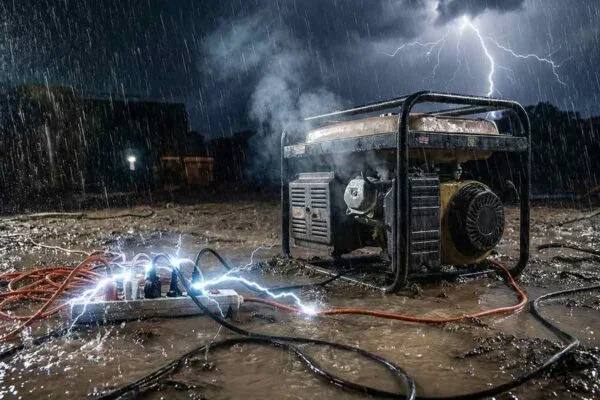
Generators produce electricity through internal wiring and circuits. When water gets inside, it can bridge connections that should stay separate. This causes short circuits. A short circuit can fry the control board, damage the alternator, or burn out wiring. In worst cases, it can start a fire. Even if the generator turns off immediately, residual moisture can continue to eat away at components.
Corrosion and Rust
Metal parts inside your generator are vulnerable to rust. When water sits on metal surfaces, oxidation begins. Over time, corrosion weakens critical parts like the fuel lines, exhaust manifold, and engine block. Rust damage is often irreversible. You may need to replace entire components rather than simply drying them out. This makes regular exposure to moisture even more costly.
Fuel System Contamination
Water can enter the fuel tank or carburetor. Even tiny droplets mixed with gasoline cause engine problems. Your generator may sputter, stall, or fail to start. Contaminated fuel can clog filters and damage the carburetor. In severe cases, water in the fuel system requires a full flush and cleaning. This is an avoidable expense with proper generator protection.
Electrical Shock and Fire Hazards
This is the most dangerous risk. Water conducts electricity. If you touch a wet generator that is running, you could receive a severe shock. Standing water around a generator increases this danger significantly. Electrical shock from a generator can cause serious injury or even death. Never underestimate how dangerous a wet generator can be to you and your family.
How to Protect Your Generator from Rain
Protecting your generator from rain is entirely possible. You do not need to bring it inside every time it rains. With the right setup and tools, you can keep your unit safe and running. Here are the best methods for generator protection during wet weather.
Use a Generator Tent or Canopy
A generator tent is one of the most popular solutions. These waterproof covers fit over your generator like a small tent. They allow airflow while keeping rain out. Generator tents are lightweight and easy to set up. Look for a cover specifically designed for your generator model. A proper fit ensures maximum protection and ventilation.
Build a Generator Enclosure
For a more permanent solution, consider building a generator enclosure. This is a small structure that houses your generator outdoors. It keeps the unit dry while providing ventilation. You can use weatherproof materials like treated wood or metal roofing. Make sure the enclosure has open sides for airflow. A sealed enclosure traps heat and exhaust fumes, which is extremely dangerous.
Invest in a Weatherproof Cover
Not all generator covers are created equal. A weatherproof cover is different from a basic tarp. Weatherproof covers are designed with ventilation panels and waterproof seams. They protect against rain, snow, and UV rays. Some covers come with elastic bottoms that secure tightly around the generator frame. This type of cover is ideal for generators stored outside year-round.
Use a Generator Shelter or Lean-To
A simple shelter works well for temporary setups. You can prop a waterproof tarp between two posts to create a lean-to over your generator. This keeps rain off while allowing exhaust fumes to escape freely. Just make sure the tarp does not touch the generator. Maintain at least a few inches of clearance for airflow and heat dissipation.
Keep the Generator on a Dry, Elevated Surface
Rainwater pools on flat ground. Placing your generator directly on the grass or concrete invites water damage. Use a generator platform or raised mat to keep the unit above puddles. A simple plywood sheet or a dedicated generator stand works great. Elevation also improves airflow underneath the unit, which helps with cooling.
Safe Generator Placement Tips
Where you place your generator matters just as much as how you cover it. Proper placement reduces risks and extends the life of your unit. Follow these placement guidelines for safe operation in all weather conditions.
Keep It Away from Windows and Doors
Carbon monoxide from generators is deadly. Even if your generator is outside, fumes can drift through open windows and doors. Always place your generator at least 20 feet away from your home. Point the exhaust away from windows, doors, and vents. This simple step protects your family from carbon monoxide poisoning.
Avoid Low-Lying Areas
Rainwater collects in low spots. Placing your generator in a ditch or depression creates a flooding risk. Even a few inches of standing water can reach the engine and electrical components. Choose a higher, level surface for your generator. A gentle slope or a raised platform works perfectly for this purpose.
Keep It Away from Flammable Materials
Generators produce heat and sparks. Place your unit away from gasoline, paint, solvents, and other flammable materials. Fuel spills near a hot generator can ignite quickly. Store fuel containers at least 20 feet away from the operating generator. This reduces fire risk significantly.
Ensure Proper Grounding
Proper grounding prevents electrical shocks. Connect your generator to a grounding rod using a grounding wire. This is especially important when operating in wet conditions. Grounding directs electrical faults safely into the earth. Check your generator manual for specific grounding instructions.
Common Mistakes People Make
Even experienced generator owners make mistakes during rainy weather. These errors can lead to costly damage or serious safety hazards. Let us look at the most common mistakes and how to avoid them.
Using a Tarp Directly Over a Running Generator
This is one of the most dangerous mistakes people make. A tarp placed directly over a running generator traps heat and exhaust fumes. It can melt, catch fire, or block essential airflow. If you must use a tarp, prop it up on poles so it does not touch the generator. Better yet, use a proper generator tent designed for this purpose.
Operating a Generator on a Wet Surface
Setting up your generator on wet grass or a puddle-covered driveway invites water into the engine and electrical systems. Always dry the area before placing your generator. Use a rubber mat, plywood sheet, or generator platform to create a dry base. Never operate a generator in standing water.
Ignoring Fuel and Oil Levels Before a Storm
Many people forget to check fuel levels before a storm hits. When the power goes out and it is raining, you do not want to run to the store for gasoline. Fill up the tank and check the oil before bad weather arrives. This way, you can set up your generator safely and keep it running without interruptions.
Forgetting to Turn Off the Generator Before Refueling
Wet hands and wet surfaces make this mistake even more dangerous. Always turn off the generator and let it cool before adding fuel. Spilling gasoline on a hot engine can ignite instantly. Rain makes surfaces slippery, increasing the chance of accidental spills. Safety always comes first, especially in wet conditions.
Storing the Generator Outside Without Any Cover
Leaving your generator uncovered outdoors invites moisture damage. Even if you do not plan to run it, rain, dew, and humidity can corrode internal parts. Use a weatherproof cover or store it in a dry shed or garage. A little prevention saves you from expensive repairs later.
Weather-Resistant Generator Options
If you live in an area with frequent rain or high humidity, consider investing in a weather-resistant generator. These models are built to handle moisture better than standard units. Let us explore some options.
Inverter Generators with Weather Protection
Inverter generators are known for their clean power output and fuel efficiency. Many models now come with built-in weather-resistant features. They have sealed housings and corrosion-resistant components. While not fully waterproof, they handle light moisture much better than conventional generators. Brands like Honda and Yamaha offer models with excellent weather resistance.
Dual-Fuel Generators for Outdoor Use
Dual-fuel generators can run on both propane and gasoline. Propane is less susceptible to water contamination than gasoline. If you live in a rainy area, a dual-fuel model gives you flexibility. You can switch to propane during storms when gasoline might be hard to store safely.
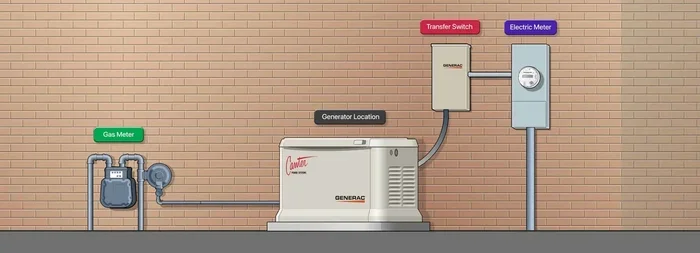
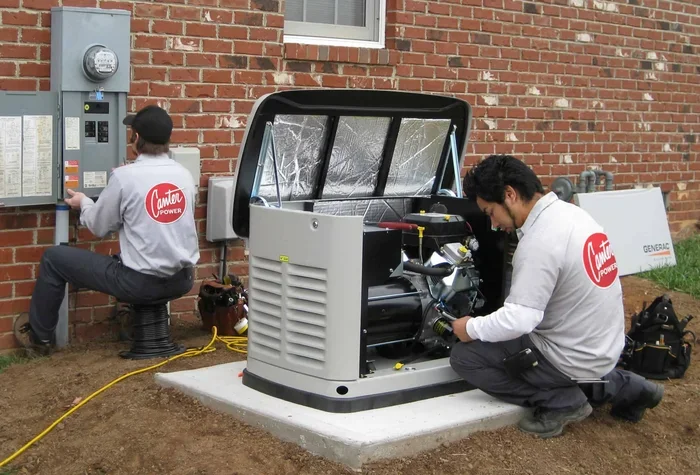
Standby Generators with All-Weather Enclosures
Standby generators are permanent installations. They come with all-weather enclosures designed to withstand rain, snow, and wind. These units are more expensive but offer the best protection against the elements. If you need reliable backup power in a rainy climate, a standby generator with a weatherproof housing is a smart investment.
| Generator Type | Weather Resistance | Price Range | Best For |
|---|---|---|---|
| Standard Portable | Low – needs cover | $500 – $1,500 | Occasional use |
| Inverter Generator | Medium – some moisture resistance | $800 – $3,000 | Sensitive electronics |
| Dual-Fuel Generator | Medium – propane option | $1,000 – $3,500 | Long-term outages |
| Standby with Enclosure | High – built for all weather | $3,000 – $10,000+ | Permanent backup power |
Quick Tips for Generator Safety in the Rain
Here are some quick, actionable tips to keep your generator safe and your family protected during rainy weather:
- Always read your generator manual. Every model has specific guidelines for moisture exposure and safe operation.
- Keep a fire extinguisher nearby. Wet conditions increase the risk of electrical shorts and fires.
- Use a GFCI outlet. A ground fault circuit interrupter protects against electrical shock in wet conditions.
- Dry your hands before touching the generator. Never handle a generator with wet hands or while standing in water.
- Check for damage after every storm. Inspect your generator for signs of water intrusion, rust, or corrosion.
- Store fuel in approved containers. Keep gasoline away from the generator and your home.
- Run the generator periodically. Even if you do not need power, running it for 15 minutes weekly keeps internal components dry and lubricated.
Key Takeaways
- Never run a generator in the rain without protection: Water causes short circuits, corrosion, and electrical hazards.
- Use a generator tent, cover, or enclosure: These tools keep rain out while allowing proper ventilation.
- Place your generator on an elevated, dry surface: Standing water is a major risk for engine and electrical damage.
- Avoid common mistakes: Do not use a tarp directly over a running unit, and never refuel while it is running.
- Consider a weather-resistant model: Inverter generators and standby units offer better moisture protection.
- Prioritize safety above all: Carbon monoxide, electrical shock, and fire risks increase in wet conditions.
Conclusion
So, can you leave a generator in the rain? The answer is clear: not without proper protection. Water and generators are a dangerous combination. Moisture causes electrical damage, corrosion, fuel contamination, and serious safety hazards. But with the right precautions, you can keep your generator running safely in any weather. Use a weatherproof cover, build a proper enclosure, and always place your unit on a dry, elevated surface. Follow the placement and safety tips outlined in this guide. Your generator will last longer, perform better, and keep your family safe during power outages. Take the time to protect your investment today. A little preparation goes a long way when the next storm rolls in.
Remember, your generator is a tool that serves you during emergencies. Treat it with care and respect, especially in wet conditions. A few simple steps make all the difference. Stay safe, stay prepared, and keep your generator running strong through every season.
Frequently Asked Questions
Can I run my generator under a deck or porch during rain?
Running a generator under a deck or porch is risky. These spaces often lack proper ventilation, which can trap deadly carbon monoxide fumes. If you must use a generator near your home, ensure it is at least 20 feet away with the exhaust pointed away from windows and doors. Never place a generator in an enclosed or semi-enclosed space.
What is the best rain cover for a portable generator?
The best rain cover is one specifically designed for your generator model. Look for covers made from waterproof materials with ventilation panels. Generator tents and canopies are popular choices. Make sure the cover does not touch the hot surfaces of the generator while it is running. Proper airflow is essential for safe operation.
Can water damage a generator even if it is not running?
Yes, water can damage a generator even when it is not running. Moisture causes rust on metal parts, corrodes electrical connections, and contaminates fuel in the tank and carburetor. Over time, this leads to starting problems and engine failure. Always store your generator in a dry place or use a weatherproof cover when not in use.
How do I know if my generator is weather-resistant?
Check the manufacturer’s specifications for weather resistance ratings. Look for terms like weather-resistant housing, corrosion-resistant components, or sealed electrical panels. Inverter generators often have better moisture protection than standard portable models. When in doubt, contact the manufacturer directly to confirm the generator’s weather capabilities.
What should I do if my generator gets wet unexpectedly?
If your generator gets wet, turn it off immediately and move it to a dry area if safe to do so. Let it dry completely before attempting to restart it. Check for water in the fuel tank and carburetor. Inspect electrical connections for corrosion. If you are unsure, have a professional technician inspect the unit before using it again.
Is it safe to use a generator during a thunderstorm?
Using a generator during a thunderstorm is extremely dangerous. Lightning strikes can travel through the generator’s electrical system into your home. Heavy rain increases the risk of electrical shock and short circuits. If possible, wait out the worst of the storm before starting your generator. Always prioritize safety over convenience during severe weather.