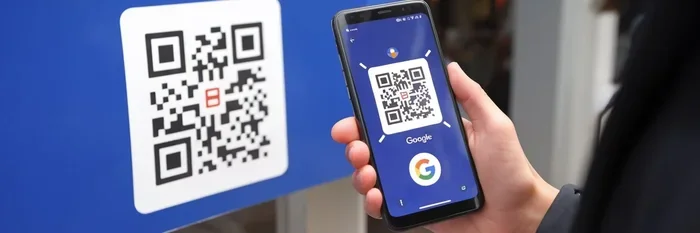
Google QR Generator Made Easy Create Codes in Seconds
The qr generator google tool lets you create QR codes in just seconds without any software. You can encode URLs, text, Wi-Fi info, and more into scannable codes. Whether you need it for business, marketing, or personal use, this free tool has you covered.
Key Takeaways
- Instant Creation: The qr generator google tool creates codes in seconds with zero sign-up required.
- Multiple Formats: You can generate URL, text, Wi-Fi, email, and vCard QR codes easily.
- Free & Accessible: Google’s built-in QR tools and third-party options like Canva and Adobe Express make QR code creation completely free.
- Customization Matters: Adding colors, logos, and shapes boosts scan rates and brand recognition.
- Business Value: QR codes drive foot traffic, link to products, and simplify contact sharing for businesses of all sizes.
- Common Pitfalls: Avoid overly complex designs, expired links, and placing codes where lighting ruins scanning.
📑 Table of Contents
- Google QR Generator Made Easy: Create Codes in Seconds
- What Is a QR Code and Why Does It Matter?
- How to Use the Google QR Generator
- Practical Uses for QR Codes in Everyday Life
- How to Customize Your QR Codes for Better Results
- Common Mistakes to Avoid When Creating QR Codes
- Expert Tips for Maximizing QR Code Effectiveness
- Conclusion
Google QR Generator Made Easy: Create Codes in Seconds
Need a qr generator google solution that actually works? You are in the right place. Creating QR codes has never been simpler. Thanks to modern browser tools and free online generators, you can build scannable codes in under ten seconds. No downloads. No sign-ups. No hassle.
A qr generator google tool is your go-to solution for turning plain text, URLs, or Wi-Fi details into scannable codes. Whether you are a business owner, a student, or just someone who loves handy tech tools, this guide covers everything you need. We will walk through how it works, what you can do with QR codes, and how to avoid common mistakes.
By the end of this article, you will know exactly how to create, customize, and use QR codes like a pro. Let us dive right in.
What Is a QR Code and Why Does It Matter?
A QR code is a type of matrix barcode that stores information. Think of it as a supercharged barcode that your phone camera can read instantly. You scan it, and it takes you to a website, shows text, or connects you to Wi-Fi. The technology has been around since 1994, but its real boom started with smartphones.
Today, QR codes are everywhere. You see them on restaurant menus, product packaging, event tickets, and business cards. The qr generator google ecosystem makes it easy for anyone to create these codes without any technical background.
How QR Codes Work
QR codes use a pattern of black squares on a white background. Each pattern encodes data. When your phone scans it, a QR code reader app decodes the pattern and performs the action. This could be opening a URL, adding contacts, or joining a network.
Here are the most common types of QR codes you will encounter:
- Static QR Codes: These store fixed data. Once created, the content cannot change.
- Dynamic QR Codes: These allow you to update the destination URL without changing the code itself.
- Micro QR Codes: Smaller versions designed for limited space.
- iQR Codes: Rectangular codes that hold more data than standard versions.
Most people use static QR codes for everyday tasks. But if you run a marketing campaign, dynamic QR codes give you more flexibility.
How to Use the Google QR Generator
Google has made QR code creation surprisingly accessible. You do not need special software. Here is a step-by-step walkthrough of how to generate codes using Google tools and trusted third-party platforms.
Using Google Chrome Built-In Features
Modern versions of Chrome can create QR codes for any webpage you visit. Simply open the page you want to share. Click the share icon in the address bar. Select “Create QR Code.” Done. Your QR code creation is ready to scan or download.
This built-in feature is perfect for quickly sharing links with friends or saving a page for later. It works on both desktop and mobile versions of Chrome.
Using Google’s QR Code API
For those who like a more hands-on approach, Google offers a simple chart API that generates QR codes. You build a URL with parameters, and the API returns a QR code image. It is a fantastic option for developers or anyone who wants batch generation.
The basic structure looks like this:
- Base URL: chart.googleapis.com/chart
- Parameter: chs=300×300 (size)
- Parameter: chld=L|0 (error correction level)
- Parameter: chl=YOUR_URL (the data to encode)
While this method requires a tiny bit of technical knowledge, it produces clean and reliable QR code online results.
Third-Party Generators That Work With Google
If you want more design control, several free tools integrate seamlessly with Google workflows. Platforms like Canva QR Code Generator and Adobe Express QR Code Generator let you design beautiful, branded codes. These tools pair perfectly with Google Docs, Slides, and Sheets for professional documents.
Practical Uses for QR Codes in Everyday Life
QR codes are incredibly versatile. Here are real-world ways people use them every single day.
Business and Marketing
Businesses love QR code marketing. A well-placed code on a poster or product package can drive customers directly to a landing page, product catalog, or promotional video. Studies show that QR code scan rates have increased significantly since the pandemic changed how people interact with businesses.
Here is what smart businesses do with QR codes:
- Link product packages to detailed usage guides.
- Place codes on business cards for instant contact sharing.
- Use QR code design that matches brand colors and logos.
- Track scan data to measure campaign performance.
Personal and Daily Use
On the personal side, QR codes simplify everyday tasks. Want to share your Wi-Fi password at a dinner party? A QR code handles that instantly. Need to save a recipe from your phone to a kitchen tablet? A URL QR code makes it effortless.
Common personal uses include:
- Sharing contact information via vCard QR codes.
- Connecting to Wi-Fi networks automatically.
- Sending location coordinates for meetups.
- Linking to playlists, photo albums, or social profiles.
Education and Events
Teachers and event organizers use QR codes heavily. A QR code template can distribute handouts, link to online resources, or check in attendees. The technology removes friction and keeps things moving smoothly.
How to Customize Your QR Codes for Better Results
A plain black-and-white QR code works fine. But a customized one grabs attention and builds trust. Customization is key to making your codes stand out and get scanned more often.
Adding Colors and Branding
Most free QR code generator tool platforms let you change colors. You can match your code to your brand palette. Some tools even let you add a logo in the center. This small touch dramatically improves brand recognition.
Here are some quick tips for color customization:
- Always keep high contrast between the foreground and background.
- Use your brand color for the code squares and white for the background.
- Test the code after coloring to ensure it still scans correctly.
- Avoid placing logos that cover more than 20 percent of the code.
Changing Shapes and Patterns
Advanced generators allow you to adjust the eye patterns (the three large squares in corners) and add decorative elements. You can make your code look like a piece of art while keeping it fully functional. This is where QR code customization really shines.
Using Frames and Call-to-Action Labels
Frames around your QR code tell the scanner what will happen. A label like “Scan to Download” or “Scan for Menu” removes guesswork. This simple addition boosts scan rates by up to 30 percent according to QR code industry studies.
Tools like Free Barcode Generator Online also offer complementary design options that pair well with QR code projects.
Common Mistakes to Avoid When Creating QR Codes
Even simple tools can lead to mistakes. Here are pitfalls to watch out for when using a qr generator google solution.
Over-Complicating the Design
Too many colors, oversized logos, and busy backgrounds can break your code. Keep it clean and scannable. Remember, the primary purpose of a QR code is function, not decoration. Style matters, but readability matters more.
Using Expired or Broken Links
Nothing frustrates users more than scanning a code that leads to a 404 error page. Always double-check your destination URLs before printing or sharing. If you use dynamic QR codes, you can update the destination without reprinting, which is a huge advantage.
Ignoring Error Correction Levels
QR codes have built-in error correction. This means they can still work even if partially damaged. There are four levels:
- L (Low): 7 percent recovery. Best for clean environments.
- M (Medium): 15 percent recovery. Good general choice.
- Q (Quartile): 25 percent recovery. Great for outdoor use.
- H (High): 30 percent recovery. Best for harsh conditions.
Choose H if your code will be printed on something exposed to weather or handling. Choose L for digital screens where the code stays pristine.
Placing Codes in Bad Lighting
A QR code reader needs decent light and clear line-of-sight. Avoid placing codes in dim corners, under shadows, or on reflective surfaces. If you are printing, use matte finish paper to reduce glare.
Expert Tips for Maximizing QR Code Effectiveness
Want to get the most out of your codes? These expert insights will help.
Always Add Context
Tell people what happens when they scan. A simple “Scan here for free shipping” does wonders. Context removes hesitation and encourages action. This is especially important in QR code business applications.
Test on Multiple Devices
Different phones have different camera quality. Always test your code on at least two or three devices before finalizing. Both iPhone and Android users should be able to scan it without a third-party app.
Track Your Scans
If your generator supports analytics, use them. Tracking scan counts, locations, and times gives you valuable data. For QR code sharing campaigns, this data helps you refine placement and messaging over time.
Use Short URLs Inside Codes
Long URLs make dense codes that are harder to scan. Use a URL shortener before encoding. This keeps the code cleaner and scans more reliably. Google’s own URL shortener (though now deprecated) had this exact principle, and the same applies today with tools like Bitly or your own branded short links.
Conclusion
The qr generator google ecosystem is powerful, accessible, and completely free. Whether you use Google’s built-in tools, a Chrome extension, or a feature-rich third-party platform, creating effective QR codes takes just seconds. We covered how QR codes work, practical uses across business and personal life, customization strategies, common mistakes, and expert tips to boost your results.
Now you have everything you need to create codes that actually get scanned. Start simple. Experiment with colors and branding. Track your performance. The more you practice, the better your results will be. Share this guide with someone who needs a fast, reliable way to generate QR codes. Happy scanning!
Frequently Asked Questions
How do I find the QR generator in Google?
If you use Google Chrome, open any webpage and click the share icon in the address bar. Select “Create QR Code” from the dropdown. On mobile, tap the three-dot menu and look for the share or QR option. No extra software is needed.
Are Google QR codes free to use?
Yes, Google’s built-in QR code features are completely free. Third-party generators like Canva and Adobe Express also offer free tiers. You can create unlimited static codes without paying anything.
Can I edit a QR code after creating it?
Static QR codes cannot be edited once generated. However, dynamic QR codes allow you to change the destination URL anytime without altering the code itself. Use dynamic codes for campaigns where content might change.
What is the difference between static and dynamic QR codes?
Static QR codes store data directly in the pattern and cannot be changed. Dynamic QR codes point to a redirect URL that you can update anytime. Dynamic codes also allow tracking and analytics, making them better for business use.
How many characters can a QR code hold?
A standard QR code can hold up to 4,296 alphanumeric characters or 7,089 numeric characters. The capacity depends on the version and error correction level. For most everyday uses like URLs and text, this is more than enough.
Do QR codes expire?
The QR code image itself does not expire. However, if you use a dynamic QR code with a short link, the link might expire if the service has a subscription limit. Always check your provider’s policy to keep codes active long-term.





One Comment