Your Guide to Choosing a Welding Machine With Generator
A welding machine with generator combo gives you the freedom to weld anywhere, from remote construction sites to outdoor metal fabrication projects. This guide breaks down everything you need to know about portable welder setups, key features, and how to pick the right diesel generator paired with your welding equipment for top welding performance.
Key Takeaways
- Match your power needs: Always pair your welding machine with a generator that delivers enough amperage and welding output for your specific welding projects.
- Understand duty cycle: The duty cycle tells you how long you can weld continuously before cooling down. Ignoring this leads to overheating and poor welding performance.
- Consider portability: A portable welder with a diesel generator is ideal for field welding and construction welding where access to shop power is limited.
- Choose the right welding process: Whether you need MMA welding, MIG welding, or TIG welding, your generator must support the amperage range required.
- Maintain both units: Regular maintenance of your generator motor and welding power source ensures long-term reliability and welding versatility on every job.
- Avoid overloading: Running too many tools on one 5000W generator or underpowering your welder causes arc instability and equipment damage.
- Invest in quality: A well-built genset generator paired with a quality inverter welding machine pays off through durability and fuel efficiency.
📑 Table of Contents
What Is a Welding Machine With Generator?
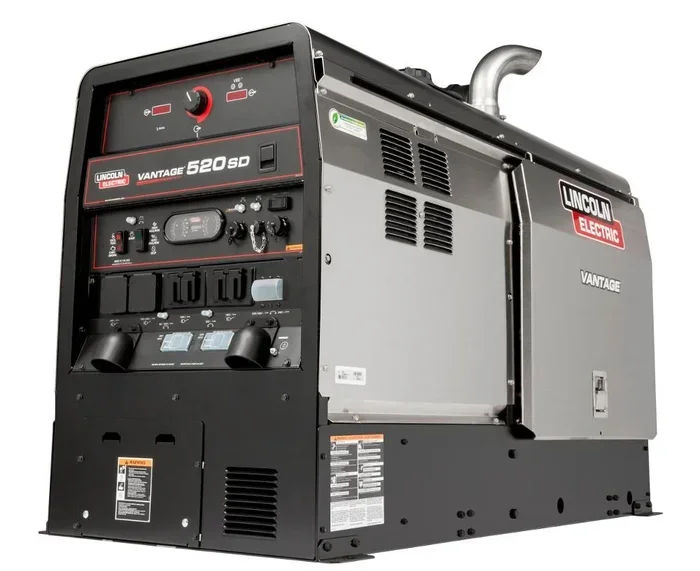
A welding machine with generator setup is exactly what it sounds like: a welding unit paired with a portable power generator that supplies the electricity needed to strike an arc and fuse metals together. Instead of plugging into a wall outlet or a fixed shop panel, you carry your own power source right to the job site.
This combination is a game-changer for anyone who works away from the grid. Think about construction welding on remote job sites, field welding on pipelines, or metal fabrication projects in rural areas. A reliable diesel generator keeps your portable welder running no matter where you are.
Here is how the setup works in simple terms. The generator produces electrical power. That power feeds into the welding machine. The welding machine then converts it into the specific welding output needed to create strong, clean welds. Modern inverter welding machines are especially popular in these setups because they convert raw power into stable, consistent current. This means smoother arcs and better welding performance overall.
Whether you are doing MMA welding with welding electrodes and welding rods, running a MIG setup, or tackling TIG work, the right generator makes all the difference. The key is matching your welding machine’s power requirements to a generator that can handle the load without flickering or dropping voltage. That is where understanding amperage range and duty cycle becomes critical. You also want to make sure your generator motor runs smoothly and efficiently under the demands of welding.
Types of Welding Machines With Generators
Inverter Welding Machines
Inverter welding machines are the modern standard for portable setups. They use advanced electronics to convert AC power from the generator into smooth DC output. The result is a stable arc, minimal spatter, and excellent control over your welding performance.
These units are lightweight and compact. They work beautifully with MIG welding, TIG welding, and MMA welding. If you value welding versatility and want one machine that handles multiple processes, an inverter welder is the way to go. They also respond quickly when you adjust settings, which helps beginners and pros alike.
Traditional Transformer-Based Welders
Older transformer-based welding machines are heavy and built like tanks. They deliver solid arc welding power and are still popular in heavy metal fabrication shops. However, they are less efficient when paired with a portable generator. These machines tend to draw more power and offer less fine-tuned control over the amperage range.
You might still find them on large construction sites where durability matters more than portability. But for most field welding applications, inverter technology wins hands down.
Portable vs. Stationary Units
When choosing a welding machine with generator combo, you need to decide between portable and stationary setups.
- Portable units: Lightweight, easy to carry, and designed for on-the-go use. Perfect for construction welding, outdoor repairs, and remote welding projects.
- Stationary units: Heavier and more powerful. Best suited for workshop use where you have consistent access to high-capacity power. These deliver top-tier welding output for thick materials and production work.
For most independent welders and contractors, a portable setup offers the best balance of power and convenience. Pair it with a quality 5000W generator or larger, and you have a mobile workshop ready for anything.
Key Features to Look For
Amperage Range and Welding Output
The amperage range determines what thickness of metal you can weld and which processes you can run. A unit with a wide amperage range gives you more welding versatility. For example, a welder that covers 20 to 200 amps can handle everything from thin sheet metal to heavy structural steel.
Check the manufacturer’s specifications for welding output at specific voltages. This number tells you the peak performance you can expect when running on a generator. Always choose a machine whose output stays comfortably within your generator’s rated capacity.
Duty Cycle Explained
The duty cycle is one of the most important specs to understand. It tells you how long your welding machine with generator can operate continuously at a given amperage before it needs to cool down. It is expressed as a percentage over a 10-minute period.
For example, a 60% duty cycle at 150 amps means you can weld for 6 minutes out of every 10, then you need a break. If you run continuous welds on welding projects that last longer than a few minutes, choose a machine with a higher duty cycle. Otherwise, you risk overheating and inconsistent welding performance.
Fuel Efficiency and Power Source Compatibility
Running a generator for hours eats fuel. That is why fuel efficiency matters. Look for generators with eco-mode or automatic engine speed control. These features adjust the engine RPM based on load, saving fuel during lighter tasks. A genset generator with good fuel efficiency keeps your operating costs down on long job sites.
Compatibility is equally important. Make sure your generator and welding machine share compatible connections and voltage requirements. Some modern setups offer direct-plug compatibility, which simplifies the connection and reduces power loss. Always check both units before purchasing.
Top Benefits of Using a Welding Machine With Generator
Portability and Versatility
The biggest advantage is freedom. A portable welder with a generator lets you work in places where no power outlet exists. Think about field welding on a farm, repairs on a remote bridge, or fabrication work at a rural property. You carry everything in one trip and start welding immediately.
This welding versatility also applies to the types of work you can handle. With the right setup, you can switch between MMA welding, MIG welding, and TIG welding depending on the job. One day you might repair heavy steel beams, and the next day you could be working on delicate automotive panels. A flexible welding power source makes both possible.
Cost Savings
Buying a combined welding machine with generator setup can save money over time. Instead of renting generator power or paying for electrical upgrades at temporary sites, you bring your own. You also avoid downtime caused by power outages or unreliable shop electricity.
Modern inverter-based units are efficient, which means lower electricity consumption. When paired with a fuel-efficient generator, the total cost of ownership stays reasonable. Over the life of the equipment, these savings add up significantly, especially for welders who log hundreds of hours on welding projects each year.
Common Mistakes to Avoid
Overloading the Generator
This is the number one mistake. Running a high-amperage welding machine on an undersized generator causes voltage drops, unstable arcs, and potential damage to both units. Always check your machine’s maximum amperage range and compare it to the generator’s rated output.
As a rule of thumb, your generator should handle at least 1.5 times the peak power draw of your welding machine. This buffer protects against sudden power surges during arc strikes. If you are unsure about sizing, consult the manufacturer or look for a 5000W generator that provides plenty of headroom.
Ignoring Maintenance
Both your welding machine and generator need regular care. Change the oil, check the spark plugs, and clean the air filter on your generator. Inspect the welding leads, electrodes holder, and ground clamp on your welder. Neglecting maintenance leads to poor welding performance and premature wear.
Store your equipment in a dry, clean area when not in use. Moisture and dust are the enemies of electrical equipment. A simple maintenance routine keeps your generator motor and welding power source running strong for years.
Using the Wrong Welding Process for the Job
Not every welding machine with generator setup suits every task. Using MIG on thick structural steel or MMA on thin aluminum leads to poor results. Match the welding process to the material and thickness. Use the right welding electrodes and welding rods for each application. This alone makes a huge difference in quality and efficiency.
How to Choose the Right Welding Machine With Generator for Your Needs
Assessing Your Welding Projects
Start by thinking about the work you actually do. Are you doing light repairs, heavy metal fabrication, or a mix of both? What materials do you weld most often? What thicknesses?
For light-duty field welding and home projects, a 150-amp inverter welder paired with a mid-size generator handles the job perfectly. For heavy construction welding and industrial fabrication, you need a 250-amp or higher machine with a larger generator that supports continuous welding at high duty cycle levels.
Make a list of your most common tasks. This helps you pick a portable welder that matches your real-world needs instead of overspending on power you rarely use.
Comparing Brands and Budgets
There are many brands offering welding machine with generator combos. Some focus on budget-friendly entry-level units. Others specialize in professional-grade equipment with advanced features.
Here is a quick comparison of what to expect at different price points:
- Budget range ($500 to $1,200): Basic inverter welders with smaller generators. Great for hobbyists and occasional welding projects. Limited amperage range and duty cycle.
- Mid-range ($1,200 to $3,000): Solid inverter welders with better welding performance and more compatible generators. Good for independent contractors and serious field welding.
- Professional ($3,000+): High-end setups with maximum welding versatility, industrial-grade generators, and extended duty cycle ratings. Built for daily heavy-duty use on large construction welding and metal fabrication projects.
Always read reviews and check warranty terms before buying. A good warranty reflects the manufacturer’s confidence in their welding power source. Also, consider after-sales support and availability of replacement parts in your area.
Expert Tips for First-Time Buyers
If you are new to this, here are some practical tips from experienced welders:
- Start with versatility: Choose a multi-process inverter welder that supports MMA welding, MIG welding, and TIG welding. This gives you the flexibility to learn and grow.
- Prioritize ease of use: Look for machines with clear controls and digital displays. A user-friendly setup reduces frustration and speeds up your learning curve.
- Test before committing: If possible, try the equipment at a local shop or dealer. Feel the weight, check the build quality, and see how it responds to adjustments.
- Ask about power requirements: Confirm exactly what generator size your chosen welder needs. Do not assume that any generator will work. A proper match ensures stable welding output every time.
- Think about future needs: If you plan to take on bigger welding projects later, invest a little more now. Upgrading later costs more time and money than choosing the right setup from the start.
Remember, the best welding machine with generator is the one that fits your specific work, fits your budget, and delivers reliable welding performance every single time you fire it up.
Conclusion
Choosing the right welding machine with generator setup comes down to understanding your needs and matching the right components. A portable inverter welder paired with a fuel-efficient generator opens up a world of possibility for field welding, construction welding, and on-site metal fabrication. Focus on the essentials: amperage range, duty cycle, fuel efficiency, and welding versatility. Avoid the common pitfalls of overloading and neglecting maintenance, and your setup will serve you reliably for years to come.
Take the time to research, compare options, and invest in quality. The right portable welder and generator combo is more than just equipment. It is your ticket to independence, flexibility, and professional-grade welding performance wherever the job takes you.
Frequently Asked Questions
What size generator do I need for a welding machine?
Your generator should handle at least 1.5 times the peak power draw of your welding machine. For a typical 150-amp inverter welder, a 5000W to 7000W generator works well. Always check the manufacturer’s recommendations for your specific welding machine with generator setup to ensure stable welding output and avoid overloading.
Can I use any generator with any welding machine?
Not exactly. The generator must provide enough power and stable voltage for your welder. Inverter welding machines work best with generators that supply clean, consistent power. Always match the amperage range and voltage requirements of both units before connecting them together.
What is the best welding process for generator-powered setups?
MMA welding (also called stick welding) is the most popular choice for generator-powered setups because it is simple, portable, and works well with varying power conditions. MIG welding and TIG welding are also possible with inverter-based machines, offering more welding versatility if your generator supports the required welding output.
How long can I run a welding machine on a generator continuously?
This depends on your duty cycle and the generator’s fuel capacity. A 60% duty cycle means you can weld for 6 minutes out of every 10. With a large fuel tank and eco-mode features, a quality genset generator can run for 8 to 12 hours or more, allowing extended welding sessions with short breaks.
Is a diesel or gasoline generator better for welding?
Diesel generators generally offer better fuel efficiency, more torque, and longer run times, making them ideal for heavy-duty field welding and construction welding. Gasoline generators are lighter and quieter, suitable for lighter tasks. For professional welding projects, diesel is usually the better choice.
How do I maintain my welding machine and generator setup?
Change the generator oil regularly, clean or replace air filters, check spark plugs, and keep all connections tight. On the welder, inspect leads, clamps, and welding electrodes holders for wear. Store both units in a dry place. Consistent maintenance protects your generator motor and ensures strong welding performance over the long run.