What Is a Tri Fuel Generator and Why You Should Own One
A tri fuel generator runs on three different fuels—gasoline, propane, and natural gas—giving you unmatched flexibility for backup power, off-grid adventures, and emergency preparedness. These versatile machines are perfect for homeowners, RV owners, and anyone who wants reliable electricity no matter the situation. In this guide, you’ll learn how they work, key benefits, top models, and what to consider before buying.
A tri fuel generator is a power machine that can run on three different fuels: gasoline, propane, and natural gas. This fuel flexibility means you are never stuck without electricity, even when one fuel source runs out or becomes unavailable. If you have experienced a power outage during a storm or tried to camp off the grid, you know how valuable a reliable backup power source can be.
These generators are not just for emergencies. They are perfect for RV trips, construction sites, and outdoor events. The ability to choose the most convenient or cheapest fuel at any given moment makes a tri fuel generator a smart investment. In this article, we will explore exactly what a tri fuel generator is, how it works, and why you should consider owning one.
You will learn about the different types available, the top models on the market, and simple maintenance tips that extend the life of your machine. By the end, you will have a clear picture of whether a tri fuel generator fits your energy needs.
Key Takeaways
- Fuel Flexibility: Switch between gasoline, propane, and natural gas to keep your power running no matter what’s available.
- Emergency Ready: A tri fuel generator ensures you have backup power during outages, storms, or off-grid situations.
- Cost Savings: Propane and natural gas often cost less than gasoline and can be stored longer without degrading.
- Portable and Standby Options: You can find compact portable models for camping or whole-house standby units for home use.
- Easy Maintenance: Regular oil changes, filter checks, and fuel stabilizer use keep your generator running smoothly for years.
- Smart Choice for RVers and Homeowners: Whether you need camping power or whole-house backup, a tri fuel generator covers all bases.
📑 Table of Contents
What Is a Tri Fuel Generator?
A tri fuel generator is a portable or standby unit designed to operate on three distinct fuel types. Most commonly, it runs on gasoline, propane, and natural gas. Some models use a dual fuel setup for gasoline and propane but add a natural gas kit, making them true tri fuel machines. This setup gives you energy independence because you are not tied to a single fuel supply.
The core idea is simple. You fill the tank with gasoline for immediate use, connect a propane tank for longer storage, or hook up a natural gas line for continuous operation. This fuel flexibility is especially useful during extended power outages or when you are living off the grid. A tri fuel generator ensures you always have a way to generate electricity.
Many people confuse a dual fuel generator with a tri fuel model. A dual fuel generator runs on two fuels, typically gasoline and propane. A true tri fuel generator adds natural gas as a third option. This extra versatility can be a game changer for homeowners who want a reliable emergency generator that can run for days without needing a refill.
How Does a Tri Fuel Generator Work?
Understanding the inner workings of a tri fuel generator helps you appreciate its value. The machine uses a combustion engine similar to a conventional generator. However, it includes a flexible fuel delivery system and a regulator that adjusts to different fuel types. This allows the engine to run smoothly on gasoline, propane, or natural gas.
The Three Fuel Sources
Each fuel has its own advantages. Gasoline is widely available at gas stations and provides high energy output. Propane stores indefinitely and burns cleanly, making it ideal for long-term storage. Natural gas connects directly to your home’s gas line, offering an endless supply. A tri fuel generator lets you choose the best fuel for the situation.
- Gasoline: Best for short-term, high-power needs. It is easy to find and use.
- Propane: Burns clean and lasts forever in storage. Great for emergency stockpiles.
- Natural Gas: Provides continuous fuel as long as the utility line is active.
Automatic Fuel Switching
Many modern tri fuel generators feature automatic fuel switching. This means the unit can detect which fuel is connected and adjust the engine settings accordingly. Some models include a smart control panel that lets you monitor fuel levels and run time from your phone. This fuel efficiency saves money and reduces waste.
Switching between fuels is usually as simple as turning a valve or connecting a hose. You do not need special tools or technical skills. This ease of use makes a tri fuel generator accessible to everyone, from DIY enthusiasts to first-time homeowners.
Benefits of a Tri Fuel Generator
Owning a tri fuel generator offers many practical benefits. These machines go beyond simple backup power. They provide peace of mind, cost savings, and true energy independence. Here are the top reasons why a tri fuel generator is a wise investment.
Energy Independence and Fuel Flexibility
When a storm knocks out the grid, gasoline stations may run out of fuel or be closed. With a tri fuel generator, you can switch to propane or natural gas. Propane can be stored in large tanks on your property, and natural gas flows from the utility line. This fuel flexibility means you are never left in the dark.
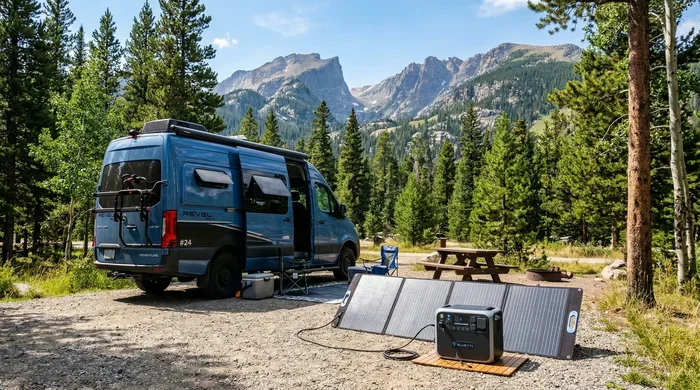
For those who enjoy off-grid power, a tri fuel generator is a perfect companion. You can use gasoline for the first few days, then switch to propane for the long haul. This ability to adapt to any fuel availability makes these generators ideal for remote cabins, RVs, and camping trips.
Cost Savings Over Time
Propane and natural gas often cost less per unit of energy than gasoline. Running a tri fuel generator on these fuels can significantly reduce your fuel expenses. Additionally, gasoline degrades over time, but propane and natural gas do not. This means less wasted fuel and lower long-term costs.
During a power outage, fuel prices can spike. Having a tri fuel generator lets you avoid the rush at the gas station. You simply use the fuel you already have stored. This smart planning saves money and keeps your home powered through emergencies.
Emergency Preparedness and Whole-House Power
A tri fuel generator is a cornerstone of any emergency preparedness plan. It can power essential circuits like lights, refrigerators, medical equipment, and heating systems. With a whole-house emergency generator setup, you can keep your family safe and comfortable during extended outages.
Many homeowners pair a tri fuel generator with a transfer switch. This allows the generator to power the entire home seamlessly. You get the reliability of a whole-house generator with the added benefit of three fuel options. This level of preparedness brings true peace of mind.
Types of Tri Fuel Generators
Not all tri fuel generators are the same. They come in different sizes, power outputs, and designs to suit various needs. Understanding the types helps you choose the right one for your home or adventure.
Portable Tri Fuel Generators
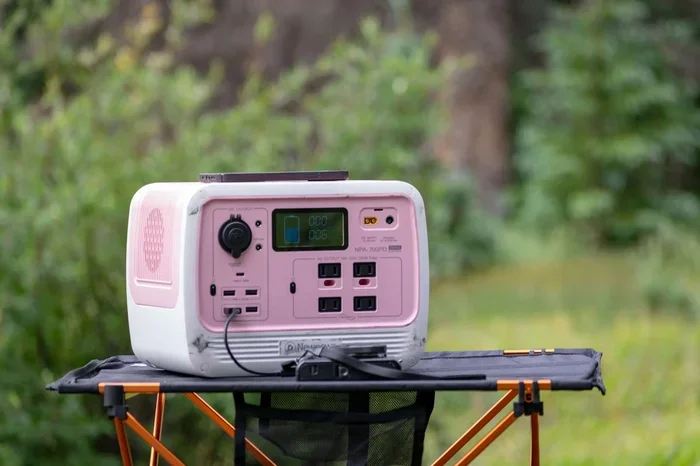
Portable models are compact, lightweight, and easy to move. They are perfect for camping, tailgating, and small backup needs. A portable tri fuel generator typically delivers between 3,000 and 8,000 watts. These units often include wheels and handles for easy transport. They are ideal for camping power and temporary job site use.
Many portable tri fuel generators use inverter technology. This produces clean, stable electricity safe for sensitive electronics like laptops and phones. If you need portable power on the go, a portable tri fuel model is a great choice.
Standby Tri Fuel Generators
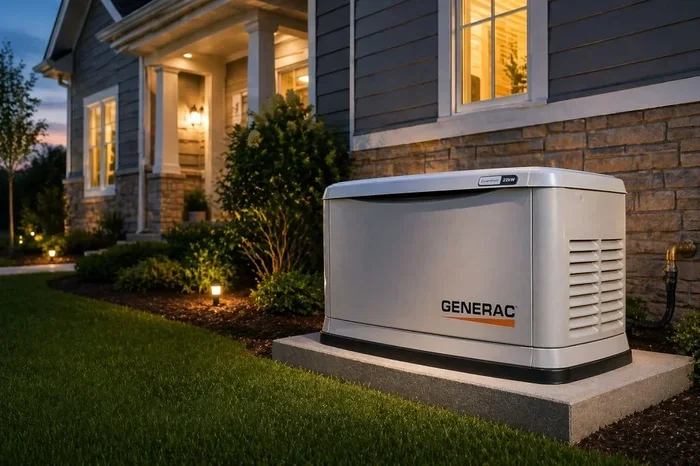
Standby units are larger, permanent installations. They connect directly to your home’s electrical panel and fuel lines. A standby tri fuel generator can deliver 10,000 to 20,000 watts or more. These machines kick on automatically when the grid goes down, providing seamless backup power.
Standby models are the best choice for whole-house protection. They can run a furnace, sump pump, air conditioner, and all essential appliances. If you want a true whole-house generator with fuel flexibility, a standby tri fuel unit is the top option.
RV-Friendly Tri Fuel Generators
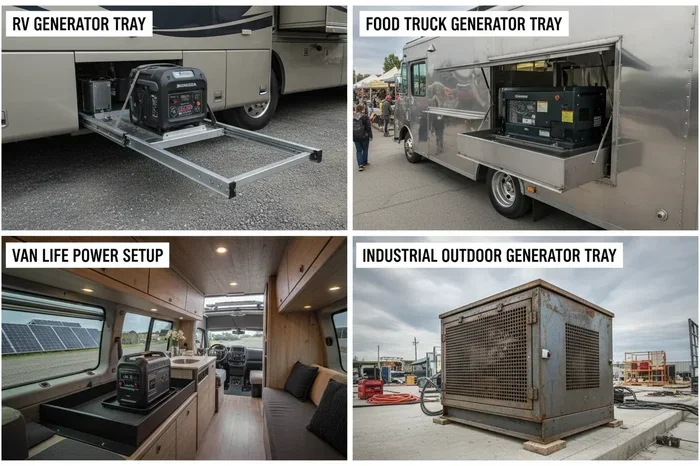
RV owners need a balance of power and portability. An RV-friendly tri fuel generator is designed to fit in tight spaces while delivering enough wattage for air conditioning, microwaves, and charging. These units often run on propane from your RV’s tank, saving you from carrying heavy gasoline cans.
Look for models with low noise levels and compact designs. A quiet tri fuel generator makes your RV trips more enjoyable for you and your neighbors. Many RV owners prefer propane as the primary fuel because it is readily available at campgrounds.
Quick Tips for Choosing the Right Tri Fuel Generator
- Check the wattage: Add up the wattage of all devices you want to run. Choose a generator with at least 20% extra capacity.
- Consider the fuel type: If you live in an area with natural gas lines, a tri fuel model with a direct connection is very convenient.
- Look for inverter technology: Inverter generators produce cleaner power, which is safer for electronics.
- Think about noise: If you need a quiet generator for camping or residential use, check the decibel rating.
- Weight and portability: If you plan to move the unit often, choose a model with wheels and a manageable weight.
Top Tri Fuel Generators Compared
Choosing the best tri fuel generator can be tricky. Here is a comparison of three popular models to help you decide. Each offers different features, power output, and price points.
| Model | Fuel Types | Wattage | Run Time (Propane) | Best For |
|---|---|---|---|---|
| DuroMax XP12000EH | Gasoline, Propane, Natural Gas | 12,000W / 9,500W | Up to 20 hours | Whole-house backup, high power needs |
| Champion Power Equipment 100302 | Gasoline, Propane, Natural Gas | 7,500W / 6,250W | Up to 16 hours | Home backup, RV use, portability |
| Westinghouse WGen3600DF | Gasoline, Propane, Natural Gas | 3,600W | Up to 18 hours | Camping, tailgating, small backup |
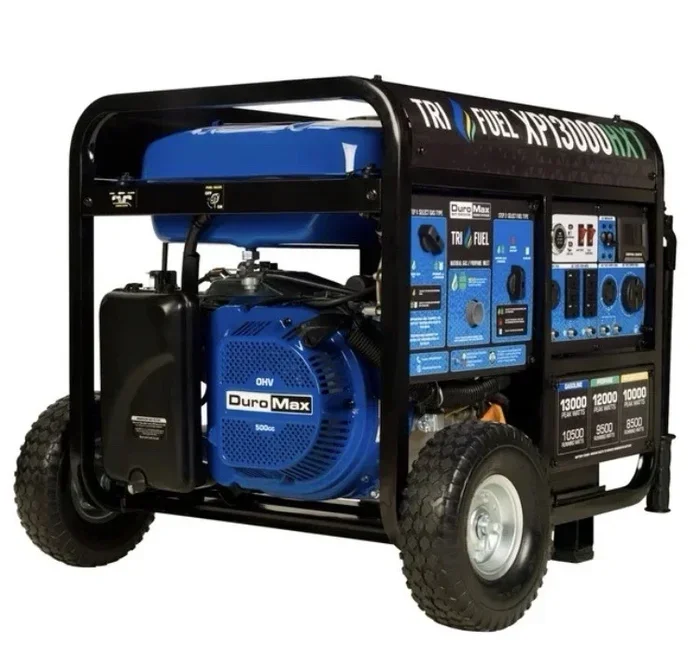
The DuroMax XP12000EH is a powerhouse for homeowners who need high wattage. It runs on all three fuels and can handle heavy loads. The Champion 100302 offers a great balance of power and portability, making it a popular choice for both home and RV use. The Westinghouse WGen3600DF is a compact, lightweight unit perfect for camping power and temporary needs.
Common Mistakes to Avoid When Buying a Tri Fuel Generator
- Ignoring fuel availability: Make sure you can easily access propane or natural gas before purchasing. A tri fuel generator is useless if you cannot fuel it.
- Overlooking run time: Check how long the generator runs on a tank of propane. Longer run times mean less refueling during outages.
- Skipping the transfer switch: A transfer switch is essential for safe whole-house backup. It prevents backfeeding into the grid, which is dangerous.
- Buying the cheapest model: The cheapest tri fuel generator may lack reliability or warranty. Invest in a reputable brand with good customer support.
- Forgetting about maintenance: All generators need regular upkeep. Skipping oil changes or filter replacements can shorten the life of your machine.
Maintenance, Safety, and Expert Insights
Keeping your tri fuel generator in top shape ensures it starts when you need it most. Regular maintenance is simple and only takes a few minutes. Safety is also critical, especially when running a generator indoors or near windows.
Regular Maintenance Schedule
- Check the oil: Change the oil after the first 20 hours of use, then every 100 hours or at least once a season.
- Inspect the air filter: Clean or replace the air filter every 50 hours to keep the engine running efficiently.
- Use fuel stabilizer: If you store gasoline for long periods, add a fuel stabilizer to prevent gum and varnish buildup.
- Test the generator: Run the unit under load for at least 30 minutes every month. This keeps the engine fresh and ready for emergencies.
- Check the spark plug: Clean or replace the spark plug annually to maintain reliable ignition.
Safety Precautions
Always operate your tri fuel generator outdoors in a well-ventilated area. Carbon monoxide from the exhaust is deadly and can build up quickly in enclosed spaces. Never run a generator inside a garage, basement, or tent, even with the door open. Keep the unit dry and protected from rain. Use heavy-duty extension cords rated for outdoor use, and never overload the generator.
When connecting your tri fuel generator to your home, hire a licensed electrician to install a transfer switch. This ensures safe, legal, and efficient power transfer. Proper safety practices protect your family and your home.
Expert Insights: Who Really Needs a Tri Fuel Generator?
Energy experts agree that a tri fuel generator is an excellent choice for anyone who values reliability and flexibility. Homeowners in areas prone to storms, rural properties with limited grid access, and RV enthusiasts all benefit from having three fuel options. Even if you live in a city, a portable tri fuel generator can provide portable power during planned outages or outdoor events.
For those who prioritize renewable energy and want a hybrid approach, a tri fuel generator can complement solar panels or wind turbines. When the sun is not shining or the wind is not blowing, the generator keeps your batteries charged and your lights on. This hybrid generator setup creates a resilient and sustainable power solution.
Conclusion
A tri fuel generator is more than just a backup machine. It is a smart investment in your energy future. The ability to run on gasoline, propane, and natural gas gives you unmatched fuel flexibility and true energy independence. Whether you need backup power for your home, camping power for the weekend, or reliable electricity for your RV, a tri fuel generator delivers.
By understanding how these generators work, choosing the right type, and following simple maintenance steps, you can enjoy reliable power for years to come. The top models on the market offer excellent performance, fuel efficiency, and quiet operation. Do not wait for the next power outage to realize the value of a tri fuel generator. Take action today and ensure your home, your RV, or your campsite always has the electricity you need.
Frequently Asked Questions
What makes a tri fuel generator different from a dual fuel generator?
A dual fuel generator runs on two fuels, usually gasoline and propane. A true tri fuel generator adds natural gas as a third option. This extra fuel source provides greater flexibility, especially if your home has a natural gas line or you want to store propane for long-term emergencies.
Can I run a tri fuel generator on propane all the time?
Yes, you can run a tri fuel generator on propane continuously. Propane burns cleanly and does not degrade over time, making it ideal for extended use. Just ensure you have an adequate propane supply and check the tank levels regularly.
Is a tri fuel generator safe to use indoors?
No, a tri fuel generator should always be operated outdoors in a well-ventilated area. The exhaust contains carbon monoxide, which is odorless and deadly. Never run the unit inside a home, garage, or enclosed space, even with windows open.
How much power does a tri fuel generator produce?
Power output varies by model. Portable tri fuel generators typically produce between 3,000 and 8,000 watts, while standby units can deliver 10,000 to 20,000 watts or more. Choose a model based on the total wattage of the devices you need to run.
Do tri fuel generators require special maintenance?
Maintenance is similar to any gasoline-powered generator. You need regular oil changes, air filter cleaning, spark plug inspection, and fuel stabilizer use for stored gasoline. Propane and natural gas lines should be checked for leaks and connections kept tight.
Are tri fuel generators worth the extra cost?
Yes, for many homeowners and RV owners, the added fuel flexibility is well worth the cost. The ability to switch between three fuels means you are never without power during shortages or outages. Over time, using cheaper propane or natural gas can also offset the initial price difference.