What Are Psychometric Testing Tools and How They Work
Psychometric testing tools are scientifically designed assessments that measure a candidate’s mental capabilities, personality traits, and behavioral tendencies. These hiring assessments help employers make better candidate evaluation decisions by providing objective data about job fit. Understanding how these psychometric assessment tools work can transform your recruitment tools and improve hiring outcomes.
Psychometric testing tools have completely changed the way companies find the right people for the right jobs. These psychometric assessment platforms give hiring teams a clear, data-driven look at what makes a candidate tick. Gone are the days when gut feelings ruled the hiring process. Today, smart organizations rely on psychological testing to uncover skills and traits that resumes simply cannot show.
If you are involved in hiring, recruiting, or talent management, understanding these tools is essential. They can mean the difference between a great hire and a costly mistake. Let us dive deep into what these tools are, how they work, and why they matter so much in today’s competitive job market.
Key Takeaways
- What They Are: Psychometric testing tools are standardized assessments that measure cognitive abilities, personality traits, and behavioral competencies.
- How They Work: These tools use validated questions and algorithms to score candidates against job requirements and organizational culture.
- Types Available: Common types include personality tests, aptitude tests, situational judgment tests, and competency assessments.
- Key Benefits: They reduce bias, improve hiring accuracy, save time, and predict job performance more reliably than traditional interviews.
- Choosing the Right Tool: Consider job requirements, validity, ease of use, cost, and candidate experience when selecting a tool.
- Best Practices: Always use validated tools, combine them with other hiring methods, and ensure fair administration for all candidates.
📑 Table of Contents
- What Are Psychometric Testing Tools?
- How Psychometric Testing Tools Work
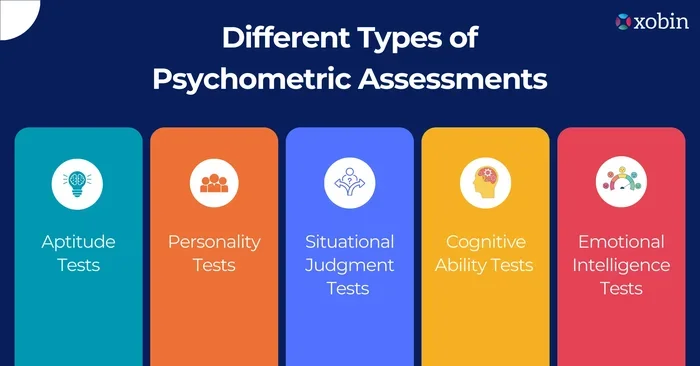
- Types of Psychometric Testing Tools
- Benefits of Using Psychometric Testing Tools
- Popular Psychometric Testing Tools on the Market
- How to Choose the Right Psychometric Testing Tool
- Common Mistakes to Avoid with Psychometric Testing
- The Future of Psychometric Testing Tools
- Final Thoughts
What Are Psychometric Testing Tools?
Psychometric testing tools are specialized software platforms that measure a person’s mental capabilities, personality characteristics, and behavioral tendencies. They are built on decades of psychological research and statistical analysis. The goal is simple but powerful: predict how well someone will perform in a specific role.
These tools go far beyond a traditional resume review. They assess things like problem-solving speed, emotional intelligence, leadership style, and how a person handles pressure. Think of them as a scientific window into a candidate’s potential.
Core Features of Psychometric Testing Tools
Most quality tools share several key features:
- Standardized questions: Every candidate gets the same assessment under similar conditions.
- Normative data: Scores are compared against large groups to provide context.
- Validity testing: The tools are scientifically proven to measure what they claim to measure.
- Automated scoring: Results come out fast, often in seconds.
- Detailed reports: Candidates get comprehensive breakdowns of strengths and areas for growth.
The best psychometric software combines all of these features into one smooth experience. Companies use them for everything from campus recruiting to executive hiring.
Why Do Organizations Use Them?
Organizations use these tools because traditional interviews are flawed. Studies show that unstructured interviews predict job success less than 15% of the time. In contrast, well-designed employment testing can predict performance with over 60% accuracy.
Companies also use them to reduce unconscious bias. When everyone answers the same questions and gets scored the same way, the process becomes fairer. This leads to more diverse and talented teams.
How Psychometric Testing Tools Work
Understanding the mechanics of these tools helps you appreciate their value. The process is more scientific than most people realize.
The Science Behind the Scores
At the heart of every tool is psychometrics — the science of measuring mental capacities and behavioral traits. Psychometricians use complex statistical models to design questions that reliably differentiate between people. They test thousands of questions, throw out the weak ones, and keep only the ones that truly work.
When a candidate takes a test, their answers are compared against a normative sample. This is a large group of people who have already taken the same test. The comparison tells employers where a candidate stands relative to others.
The Assessment Process Step by Step
Here is how a typical assessment flows:
- Registration: The candidate receives a link or code to access the test.
- Authentication: The system verifies the candidate’s identity to prevent fraud.
- Taking the test: The candidate answers questions within a set time frame.
- Automatic scoring: The software grades responses instantly using pre-set algorithms.
- Report generation: A detailed report is created for the hiring team.
- Interpretation: Trained professionals or AI tools analyze the results alongside other hiring data.
This entire process can happen in as little as 20 to 45 minutes. The speed and efficiency of modern talent assessment platforms are truly impressive.
What Do the Results Tell Employers?
Results typically include several key data points:
- Raw scores: The number of correct answers or the intensity of certain traits.
- Percentile rankings: Where the candidate stands compared to the normative group.
- Profile summaries: A visual representation of strengths and development areas.
- Job fit scores: A predicted match between the candidate and the role.
- Risk indicators: Flags for potential concerns like low resilience or poor teamwork fit.
These insights give hiring managers a much richer picture than an interview alone ever could.
Types of Psychometric Testing Tools
Not all psychometric tools are the same. Different types measure different things, and the best approach uses a combination.
Personality Assessments
Personality tests measure traits like openness, conscientiousness, extraversion, agreeableness, and neuroticism. These are often called the Big Five traits. Employers use them to see if a candidate’s natural style fits the role and team culture.
For example, a customer service role might benefit from someone high in agreeableness and extraversion. A data analyst role might call for high conscientiousness and openness to experience.
Cognitive Ability Tests
Also known as aptitude testing, these measure general mental ability. They include questions on numerical reasoning, verbal reasoning, logical thinking, and spatial awareness. Cognitive ability tests are among the strongest predictors of job performance across all industries.
A common example is a numerical reasoning test where candidates interpret charts and perform calculations under time pressure.
Situational Judgment Tests
Situational judgment tests present realistic work scenarios and ask candidates how they would respond. These measure judgment, problem-solving, and cultural fit. They are especially popular in leadership and management hiring.
For instance, a scenario might describe a conflict between two team members and ask the candidate to choose the best resolution approach from several options.
Competency-Based Assessments
These tools map directly to specific job skills and competencies. They test whether a candidate has the technical or soft skills needed for the role. A software engineering assessment, for example, might test coding ability, debugging skills, and system design thinking.
Behavioral Assessments
Behavioral assessment tools look at how a person typically acts in various situations. They draw on past behavior as a predictor of future performance. These are particularly useful for roles where teamwork, communication, and adaptability matter most.
Benefits of Using Psychometric Testing Tools
The advantages of incorporating these tools into your hiring process are substantial and well-documented.
Improved Hiring Accuracy
The biggest benefit is better predictions of who will succeed. Pre-employment testing reduces the guesswork from hiring decisions. When you combine test results with structured interviews, your accuracy improves dramatically.
Reduced Bias and Greater Fairness
Standardized assessments treat all candidates the same way. Everyone faces the same questions, the same time limits, and the same scoring criteria. This levels the playing field and supports diversity and inclusion goals.
Time and Cost Savings
Screening candidates early with candidate evaluation tools saves enormous time. You can quickly identify the strongest applicants and focus your interview time on them. This reduces the cost-per-hire significantly.
Better Candidate Experience
When done well, these tools give candidates a clear, professional experience. They receive immediate feedback and insight into their own strengths. This builds a positive employer brand even for those who are not selected.
Data-Driven Decision Making
Modern hiring assessments produce rich data that hiring teams can analyze over time. You can track which assessment scores correlate with on-the-job success. This creates a feedback loop that continuously improves your hiring quality.
Popular Psychometric Testing Tools on the Market
The market offers a wide range of options. Here are some of the most well-known platforms:
- Hogan Assessments: Known for personality and leadership evaluations. Widely used in executive hiring.
- SHL (now CEB/Gartner): Offers a comprehensive suite of cognitive and personality tests used globally.
- Korn Ferry: Specializes in leadership assessment and talent development.
- Wonderlic: Famous for quick cognitive ability tests used in sports and corporate hiring.
- Criteria Corp (CCAT): Offers affordable cognitive and personality tests for small to mid-size businesses.
- Pymetrics: Uses neuroscience-based games to assess cognitive and emotional traits.
Each tool has its strengths. The right choice depends on your specific hiring needs, budget, and the roles you are filling.
How to Choose the Right Psychometric Testing Tool
Selecting the right tool requires careful thought. Here are the key factors to consider:
Job Relevance
The test must measure traits and abilities that actually matter for the role. A coding test makes sense for developers but not for sales reps. Always start with a clear job analysis before choosing a tool.
Scientific Validity
Look for tools with strong research backing. Ask the vendor for validity studies and reliability data. A tool that has not been rigorously tested can do more harm than good.
Ease of Use
Both your team and the candidates should find the platform intuitive. A clunky interface leads to drop-offs and frustration. Modern tools offer mobile-friendly designs that work seamlessly on any device.
Cost and Scalability
Pricing models vary widely. Some charge per test, others offer monthly subscriptions. Consider your volume and budget. Small businesses may prefer pay-per-use options, while large enterprises often benefit from enterprise licensing.
Candidate Experience
The best tools provide a positive experience. They give clear instructions, reasonable time limits, and helpful feedback. A poor experience can damage your employer brand before the candidate even starts.
Compliance and Data Privacy
Make sure the tool complies with local employment laws and data protection regulations. You need to be confident that candidate data is stored securely and used ethically.
Common Mistakes to Avoid with Psychometric Testing
Even the best tools can backfire if used incorrectly. Here are pitfalls to watch out for:
- Using tests as the sole hiring criterion: No single tool should make or break a decision. Always combine assessments with interviews and reference checks.
- Ignoring cultural fairness: Some tests may disadvantage candidates from certain backgrounds. Regularly review your process for adverse impact.
- Choosing tools based on price alone: Cheap tools often lack validity. Invest in quality assessments that deliver reliable results.
- Skipping training for interpreters: Hiring managers need training to properly understand and use test reports. Misinterpretation leads to bad decisions.
- Neglecting candidate communication: Always tell candidates why you are using the tool and how the data will be used. Transparency builds trust.
The Future of Psychometric Testing Tools
The field of psychological testing is evolving rapidly. Artificial intelligence is playing a bigger role in scoring, interpretation, and personalization. AI-powered tools can now adapt questions in real time based on a candidate’s responses, making assessments more precise and efficient.
Gamified assessments are also gaining popularity. Platforms like Pymetrics use game-like challenges to measure cognitive and emotional traits in a fun, engaging way. This approach reduces test anxiety and attracts younger candidates.
Another trend is the integration of psychometric assessment data with broader HR platforms. This creates a seamless talent acquisition pipeline from sourcing to onboarding.
As remote work becomes the norm, these tools are adapting to virtual environments. Proctored online assessments ensure integrity without requiring candidates to visit a testing center. The flexibility and accessibility of modern tools make them ideal for distributed hiring.
Final Thoughts
Psychometric testing tools are no longer a luxury reserved for large corporations. They have become essential recruitment tools for organizations of all sizes. These platforms bring science, fairness, and efficiency to the hiring process.
Whether you are hiring your first employee or building a global talent pipeline, the right assessment tool can transform your outcomes. The key is to choose wisely, use them as part of a holistic process, and always keep the candidate experience in mind.
When you invest in quality employment testing and candidate evaluation systems, you invest in your organization’s future. Better hires lead to stronger teams, higher productivity, and a more positive workplace culture. Start exploring your options today, and you will see the difference for yourself.
The world of hiring is changing fast. Companies that embrace psychometric assessment technology now will be ahead of the curve. Those that wait risk falling behind in the war for talent.
Frequently Asked Questions
What exactly do psychometric testing tools measure?
These tools measure a range of attributes including cognitive ability, personality traits, behavioral tendencies, and job-specific competencies. They use standardized questions and scientific methods to produce reliable scores that predict job performance.
Are psychometric tests accurate for hiring decisions?
Yes, when used correctly, they are highly accurate. Well-validated psychometric assessment tools consistently outperform traditional interviews in predicting job success. However, they work best when combined with other hiring methods like structured interviews.
How long does a psychometric assessment usually take?
Most assessments take between 20 and 45 minutes to complete. The exact duration depends on the type of test and the number of questions. Many modern platforms are designed to be quick and efficient to keep candidates engaged.
Can psychometric testing tools be used for all types of jobs?
They can be adapted for nearly any role, from entry-level positions to executive leadership. The key is selecting the right type of test for each position. A coding role needs different assessments than a customer service role, for example.
Are these tools fair and unbiased?
High-quality tools undergo rigorous fairness testing. They are designed to minimize bias and treat all candidates equally. However, no tool is perfect, so it is important to regularly review results for adverse impact and choose validated platforms.
How much do psychometric testing tools cost?
Pricing varies widely depending on the provider and the number of tests. Some platforms charge per assessment, while others offer monthly or annual subscriptions. Small businesses can often find affordable options, and many providers offer demos before committing.
=== CONCLUSION ===
Psychometric testing tools have become indispensable in modern hiring and talent management. They bring objectivity, science, and efficiency to a process that has historically been subjective and inconsistent. From personality tests to cognitive ability tests, these platforms give hiring teams the insights they need to make confident decisions.
The benefits are clear: better hires, reduced bias, faster processes, and stronger candidate experiences. As technology continues to advance, these tools will only become more powerful and accessible.
The most important takeaway is this: choose your tools wisely, use them as part of a balanced hiring strategy, and always prioritize fairness and transparency. When you do, psychometric assessment becomes one of the most valuable assets in your entire talent acquisition toolkit.