What Is the Best Solar Power Generator Guide for You
Choosing the right solar power generator doesn’t have to be confusing. This guide breaks down the top options, key features, and what to look for so you can make a smart, informed decision. Whether you need portable solar power for camping or a home backup system, we’ve got you covered with expert advice and practical tips.
Key Takeaways
- Solar power generators come in different sizes: portable units for camping and larger home backup systems.
- Battery capacity and solar panel wattage are the two most important factors to consider.
- Top brands like Jackery, EcoFlow, and Sun Joe generators offer reliable options for various budgets.
- Clean energy and low maintenance make solar generators a smart long-term investment.
- Matching your power needs to the right generator size prevents overspending or underpowered setups.
📑 Table of Contents
- What Is the Best Solar Power Generator for Your Needs?
- Types of Solar Power Generators
- Key Features to Look For
- Top Solar Generator Brands Compared
- How to Size Your Solar Power Generator
- Benefits of Using a Solar Power Generator
- Common Mistakes to Avoid
- Final Thoughts on Choosing the Best Solar Power Generator
What Is the Best Solar Power Generator for Your Needs?
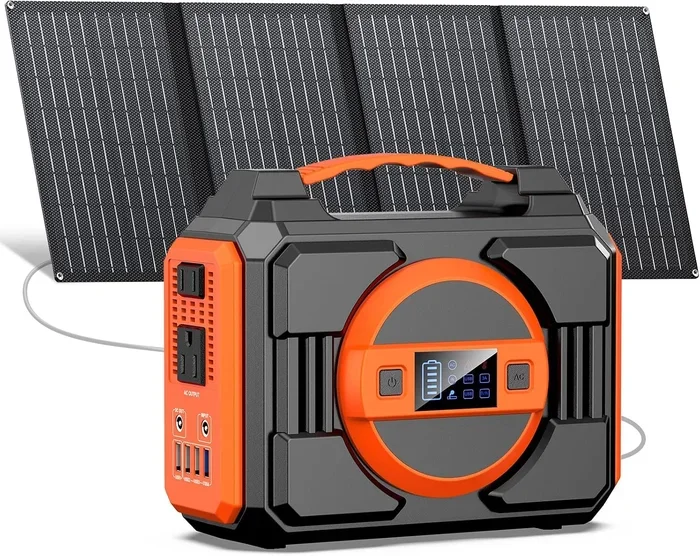
A solar power generator is a device that captures sunlight and turns it into usable electricity. Unlike gas-powered generators, solar generators run quietly and don’t produce fumes. They use solar panels to collect energy, store it in a battery, and then deliver power through outlets just like a wall socket.
People love solar generators for many reasons. They’re great for camping trips, emergency backup at home, or even daily use in off-grid cabins. With the rise of renewable energy, more folks are turning to solar options instead of traditional fuel-based machines. If you’ve been wondering which unit is right for you, you’re in the right place.
This guide walks you through everything you need to know. We’ll cover types, key features, top brands, and simple tips to help you pick the best option. By the end, you’ll feel confident about your choice.
Types of Solar Power Generators
Not all solar generators are the same. They come in different shapes and sizes for different needs. Here’s a quick look at the main types.
Portable Solar Generators
Portable units are small and lightweight. They’re perfect for camping, tailgating, or charging phones on the go. Most weigh under 20 pounds and fit in a backpack. A portable solar generator usually has a small battery (200Wh to 500Wh) and a built-in inverter.
These are ideal if you want clean energy on the trail. You set up the solar panel during the day, and you have power by evening. Brands like Jackery and EcoFlow make excellent portable options.
Home Backup Solar Generators
Home backup units are much bigger. They can power essential appliances during an outage. A home solar generator typically has a battery over 1,000Wh and supports multiple charging inputs.
These systems work great as a solar battery backup for your house. You can run lights, a fridge, or even a heater for several hours. If you live in an area with frequent power outages, this type is a lifesaver.
Solar Generator Kits
Kits include both the generator and solar panels. They’re a complete package, so you don’t have to buy parts separately. A solar energy system kit is a great choice if you want everything to work together seamlessly.
Kits range from small camping setups to full-home systems. The Sun Joe generators brand offers affordable kits that are popular with beginners and budget-conscious buyers.
Key Features to Look For
When shopping for a solar power generator, certain features matter more than others. Here’s what to focus on.
Battery Capacity
Battery capacity is measured in watt-hours (Wh). The higher the number, the more devices you can run. A small unit with 300Wh can charge a phone about 20 times. A larger unit with 2,000Wh can run a mini-fridge for 24 hours.
Think about what you need to power. If it’s just phones and laptops, a smaller unit works fine. If you need to run a fridge or power tools, go bigger.
Solar Panel Compatibility
Not all generators accept the same solar panels. Check the input wattage and connector type before buying. A solar generator that accepts higher-wattage panels charges faster.
Most units work with panels ranging from 100W to 200W. Some premium models support even higher inputs. Always check compatibility to avoid frustration.
Inverter Size
The inverter converts stored DC power into AC power for your devices. A larger inverter means you can run more powerful appliances at once. Look for an inverter that matches your power needs.
For basic charging, a 300W inverter is enough. For running a microwave or coffee maker, you’ll want 1,000W or more.
Weight and Portability
If you plan to move your generator often, weight matters a lot. Portable units are easy to carry. Home backup units are heavier and usually stay in one place.
Some models have wheels and handles for easier transport. Consider where and how you’ll use it before deciding.
Top Solar Generator Brands Compared
The market has many brands, and choosing the right one can feel overwhelming. Here’s a simple comparison of popular options.
| Brand | Best For | Price Range | Battery Range |
|---|---|---|---|
| Jackery | Portable and home use | $200-$2,000 | 240Wh-3,000Wh |
| EcoFlow | Fast charging and smart features | $300-$2,500 | 288Wh-3,600Wh |
| Goal Zero | Off-grid adventures | $200-$3,000 | 150Wh-3,000Wh |
| Bluetti | Budget-friendly home backup | $250-$2,000 | 250Wh-3,000Wh |
| Sun Joe | Affordable entry-level kits | $150-$1,000 | 200Wh-2,000Wh |
Each brand has its strengths. Jackery offers a great balance of price and performance. EcoFlow leads in charging speed. Goal Zero is a favorite for outdoor enthusiasts. Bluetti delivers solid value for home backup. And Sun Joe generators are a fantastic budget option for those just getting started.
If you’re looking for something compact and reliable for daily use, a portable solar power station from any of these brands is a great starting point. You can also explore electrical generators if you need fuel-based alternatives for comparison.
How to Size Your Solar Power Generator
Sizing is one of the most important steps. A unit that’s too small won’t meet your needs. One that’s too big wastes money. Here’s how to get it right.
Step 1: List Your Devices
Write down every device you want to power. Include things like phones, laptops, lights, fans, and a fridge. Note the wattage of each device. You can find this label on the back of each appliance.
Step 2: Calculate Total Watt-Hours
Multiply each device’s wattage by the hours you plan to use it per day. Add up all the numbers. This gives you your daily power consumption in watt-hours.
For example, a phone charger uses 10W for 3 hours = 30Wh. A laptop uses 50W for 5 hours = 250Wh. A small fridge uses 100W for 8 hours = 800Wh. Total = 1,080Wh per day.
Step 3: Add a Safety Buffer
Always add 20-30% extra capacity to your total. This accounts for inefficiencies and cloudy days. So for 1,080Wh, you’d want a generator with at least 1,300Wh.
If you’re unsure about sizing, check out our guide on how big of a backup generator do I need for more detailed help. This applies to both solar and fuel-based options.
Benefits of Using a Solar Power Generator
Solar generators offer many advantages over traditional fuel-powered options. Here’s why they’re worth considering.
- Clean and renewable energy: Solar power produces zero emissions. It’s better for the environment than gas generators.
- Quiet operation: No loud engine noise. You can use it overnight without disturbing anyone.
- Low maintenance: There are no moving parts to worry about. No oil changes or spark plugs.
- Free fuel from the sun: Once you buy the unit, sunlight is completely free. You save money on fuel over time.
- Safe for indoor use: Unlike gas generators, solar units don’t produce carbon monoxide. You can use them safely inside your home.
- Long lifespan: Quality solar generators last 10+ years with proper care. The battery may need replacement after 500-1,000 cycles.
For people who care about clean energy and want a reliable backup, solar generators are hard to beat. They also make excellent gifts for outdoor lovers and preppers.
Common Mistakes to Avoid
Buying a solar generator is exciting, but mistakes happen. Here are common errors to watch out for.
- Underestimating power needs: Many buyers choose a unit that’s too small. Always calculate your total power needs first.
- Ignoring charging time: Solar panels charge slowly on cloudy days. If you need fast charging, look for models that support wall outlet charging too.
- Skipping battery type research: Lithium-ion batteries are lighter and last longer than lead-acid. Always check what type your unit uses.
- Not checking warranty: A good warranty protects your investment. Look for at least a 2-year warranty on the generator and a 1-year warranty on the panels.
- Forgetting about generator battery life: Over time, battery capacity decreases. Plan for eventual battery replacement costs.
Avoiding these mistakes saves you money and frustration. Take your time, do your research, and pick the unit that truly fits your lifestyle.
Final Thoughts on Choosing the Best Solar Power Generator
Finding the right solar power generator comes down to understanding your needs. Think about where you’ll use it, what you’ll power, and how much you’re willing to spend. A portable unit works great for camping and outdoor fun. A larger home backup system keeps your essentials running during outages.
Start with the key features we covered. Compare brands and models. Don’t rush the decision. The best solar generator is the one that matches your specific situation.
Whether you’re a beginner or a seasoned outdoor enthusiast, there’s a perfect solar generator out there for you. Take what you’ve learned here, and you’ll make a confident, smart choice.
Solar power is the future. Investing in a quality generator today means cleaner energy, lower bills, and peace of mind for years to come. Start your search today and enjoy the benefits of renewable solar energy.
Frequently Asked Questions
What is the best solar power generator for home backup?
The best home backup solar power generator depends on your power needs. EcoFlow and Jackery offer excellent options with large batteries and fast charging. For a budget-friendly choice, Sun Joe generators provide solid value for basic home backup situations.
How long does it take to charge a solar generator?
Charging time depends on panel wattage and battery size. A 200W panel can fully charge a 1,000Wh battery in about 5-7 hours of direct sunlight. Larger batteries take longer, and cloudy days slow things down significantly.
Can a solar generator power a whole house?
Yes, but only with a large-capacity unit. You’d need a generator with 3,000Wh or more to run essential household devices. For full-home power, you may also want to explore options related to electrical generators and hybrid systems.
Are solar generators worth the money?
Absolutely. Solar generators save money on fuel, require little maintenance, and last many years. They’re especially worth it if you camp often or live in an area with frequent power outages.
What’s the difference between a solar generator and a gas generator?
A solar generator uses sunlight to charge its battery and produces no emissions. A gas generator burns fuel and creates noise and fumes. Solar generators are quieter, cleaner, and better for indoor use.
How do I maintain my solar power generator?
Keep the solar panels clean and free of debris. Store the generator in a cool, dry place. Avoid fully draining the battery regularly, as this shortens battery life. Check connections periodically for any signs of wear or damage.
=== CONCLUSION ===
Choosing the best solar power generator starts with knowing what you need. Whether it’s for camping, backup power, or daily off-grid living, the right unit makes all the difference. Consider battery capacity, portability, and brand reputation before you buy.
Top brands like Jackery, EcoFlow, and Sun Joe generators offer something for every budget. Focus on the features that matter most to you, and don’t forget to calculate your power needs carefully. With the right solar generator, you’ll enjoy clean, reliable energy wherever you go.
Take action today. Explore your options, compare models, and invest in a solar power solution that works for your life. The sun provides free energy every single day. It’s time to put it to good use.