What Size Generator to Run a 2 Ton AC Unit at Home
Choosing the right size generator to run a 2 ton AC unit is essential for keeping your home cool during power outages. A 2 ton AC typically needs between 3,000 and 5,000 watts to start and run safely. This guide breaks down wattage requirements, generator types, and practical tips so you can make a confident, informed choice.
Power outages are more common than most homeowners think. Storms, grid failures, and extreme weather can knock out your electricity for hours or even days. When the temperature climbs and your 2 ton AC unit goes silent, the discomfort sets in fast.
That is exactly why knowing what size generator to run a 2 ton AC unit is so important. A generator that is too small will fail to start your air conditioner. One that is too big wastes fuel and money. This guide walks you through everything you need to pick the right generator size for AC unit needs with confidence.
Key Takeaways
- Running wattage matters: A 2 ton AC unit needs about 1,500 to 2,500 watts to run continuously.
- Starting wattage is higher: The surge or starting wattage can spike to 3,000 to 5,000 watts when the compressor kicks on.
- Generator type matters: Portable generators and standby generators each have pros and cons for powering a 2 ton AC.
- Always add a buffer: Buying a generator with extra capacity prevents overload and extends the unit’s lifespan.
- Fuel type affects runtime: Propane, natural gas, and gasoline each offer different runtimes and convenience levels.
- Check your AC’s specific specs: The exact BTU rating and amperage on your unit’s label give you the most accurate wattage data.
📑 Table of Contents
- How a 2 Ton AC Unit Uses Power
- What Size Generator Do You Need for a 2 Ton AC?
- Portable vs Standby Generators for AC Units
- Key Factors That Affect Generator Size
- Top Generators for Running a 2 Ton AC Unit
- How to Choose the Right Generator for Your Home
- Common Mistakes People Make When Sizing a Generator
- Expert Insights on Generator Sizing for AC Units
- Key Takeaways
- Conclusion
How a 2 Ton AC Unit Uses Power
Before you shop for a generator, you need to understand how your air conditioner uses electricity. A 2 ton AC unit is a common size for bedrooms, small living rooms, and apartments. But its power draw is not as simple as a single number.
Running Wattage vs Starting Wattage
Every air conditioner has two power numbers. The first is running wattage. This is the power the unit uses once the compressor is up and running. For a 2 ton AC, running wattage typically falls between 1,500 and 2,500 watts.
The second number is starting wattage, also called surge wattage. When your AC compressor first kicks on, it needs a big burst of energy. That spike can reach 3,000 to 5,000 watts or more. This is the moment most generators struggle. If your generator cannot handle the starting surge, your AC will not start at all.
Why BTU Rating Affects Power Needs
The BTU rating tells you how much cooling power your AC has. A 2 ton unit equals 24,000 BTUs. Higher BTU units use more electricity. But other factors also play a role. Room size, insulation quality, and outdoor temperature all influence how hard your AC works. A generator size calculator can help you factor all of this in.
Amperage and Voltage Basics
Most 2 ton AC units run on standard 120-volt or 240-volt circuits. The amperage draw usually ranges from 10 to 20 amps. You can find these numbers on the unit’s nameplate or in the owner manual. Multiplying volts by amps gives you the wattage. This is your baseline for choosing a generator.
What Size Generator Do You Need for a 2 Ton AC?
The short answer is that you need a generator rated for at least 5,000 to 7,000 starting watts and 2,000 to 3,000 running watts. But the full answer depends on a few variables. Let us break it down.
Minimum Generator Size for a 2 Ton AC
If you plan to run only the AC unit, a generator with 3,000 starting watts and 1,500 running watts might technically work. However, this leaves zero room for anything else. It also puts the generator under constant stress, which shortens its life.
A safer minimum is a generator with at least 5,000 starting watts. This gives you headroom for the compressor surge and a small load like a fan or a few lights.
Recommended Generator Size for Comfort
For comfortable and reliable operation, most experts recommend a generator with 6,000 to 7,500 starting watts and 3,000 to 4,000 running watts. This range handles the AC startup surge easily. It also leaves power for a refrigerator, a few lights, or a phone charger.
If you want to run multiple appliances alongside the AC, you should look at generators in the 7,000 to 10,000 watt range. This is the sweet spot for most homeowners who want backup power without overspending.
What Happens If You Undersize Your Generator?
Running a 2 ton AC unit on an undersized generator causes several problems. The compressor may fail to start. The generator may overload and shut down repeatedly. Over time, this strains the generator engine and the AC compressor. You risk damaging both expensive pieces of equipment.
What Happens If You Oversize Your Generator?
Oversizing is not as dangerous as undersizing, but it comes with its own issues. Larger generators cost more upfront. They also consume more fuel when running at partial load. A generator that is too big for your load runs less efficiently and wastes money on fuel over time.
Portable vs Standby Generators for AC Units
Not all generators are built the same. The type you choose affects cost, convenience, and how well it powers your 2 ton AC unit. Let us compare the two main options.
Portable Generators
Portable generators are the most popular choice for homeowners who need temporary power. They are affordable, easy to move, and available at most hardware stores. For a 2 ton AC, a portable generator in the 5,000 to 7,500 watt range works well.
Portable generators run on gasoline or propane. They require manual setup and refueling. You also need to position them outdoors at a safe distance from your home. Carbon monoxide risk is real, so always follow safety guidelines.
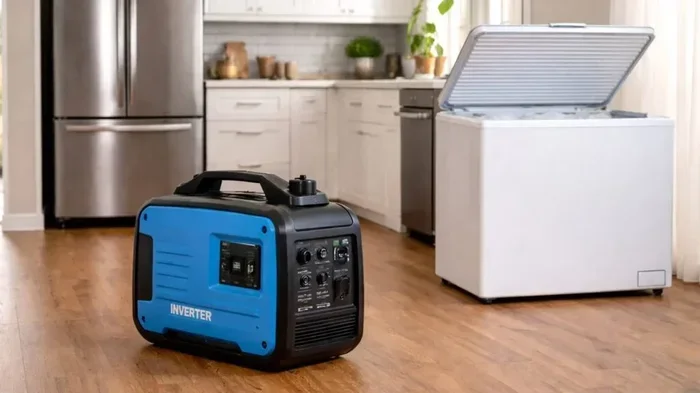
Inverter generators are a premium type of portable unit. They produce cleaner, more stable power. This is important for sensitive electronics and AC units with digital controls. Inverter generators are quieter and more fuel-efficient, but they cost more than conventional portables.
Standby Generators
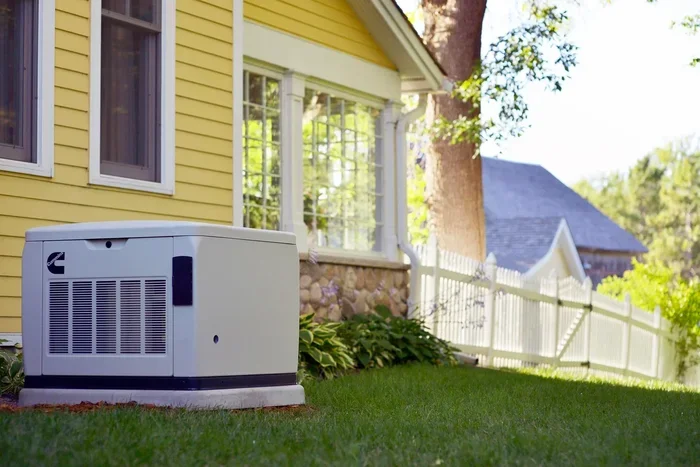
Standby generators are permanent installations. They sit outside your home and turn on automatically when the power goes out. These units are powerful enough to run your entire house, including the AC, refrigerator, and all your other appliances.
Standby generators connect directly to your home’s electrical system. They run on natural gas or propane, so there is no need to refuel manually. The downside is the higher cost. A standby generator capable of running a 2 ton AC plus other loads can range from 7,000 to 20,000 watts or more.
Which Type Is Right for You?
If you only need to power a 2 ton AC and a few essentials during short outages, a portable generator is the way to go. If you want whole-home backup and automatic operation, a standby generator is the better investment.
| Feature | Portable Generator | Standby Generator |
|---|---|---|
| Cost Range | $500 – $2,500 | $2,000 – $10,000+ |
| Power for 2 Ton AC | Yes (with proper sizing) | Yes (easily) |
| Fuel Type | Gasoline, Propane | Natural Gas, Propane |
| Auto Start | No (manual) | Yes |
| Runtime | 6-12 hours per tank | Unlimited (with fuel supply) |
| Portability | Easy to move | Permanent installation |
| Installation | None needed | Professional installation required |
Key Factors That Affect Generator Size
Picking the right generator is not just about the AC unit. Several other factors influence the size you need. Understanding these helps you make a smarter purchase.
Other Appliances You Want to Run
Most people do not run their AC in isolation. You probably also want to keep the refrigerator running, charge phones, and maybe power a few lights. Each of these adds to your total electrical load. Make a list of everything you want to run during an outage. Add up the wattages and then add a 20% buffer for safety.
Climate and Cooling Demand
Where you live matters a lot. In hot, humid climates, your 2 ton AC runs longer and harder. The compressor cycles more frequently, which increases both running and starting demands. In milder climates, the AC does less work, so a smaller generator may suffice.
Generator Fuel Efficiency
Not all generators burn fuel at the same rate. Generator fuel efficiency varies widely by model and brand. Inverter generators tend to be the most efficient because they adjust engine speed to match the load. A more fuel-efficient generator saves money on gas and runs longer between refills.
Generator Runtime
Runtime is how long a generator can run on a single tank of fuel. For portable units, expect 6 to 12 hours at half load. Standby generators tied to a natural gas line can run indefinitely. If you live in an area prone to long outages, runtime becomes a critical factor in your decision.
Noise Considerations
Generators can be loud. A noisy generator is not just annoying, it can disturb neighbors and violate local noise ordinances. Inverter generators are the quietest option, often running at 50-60 decibels. Conventional portables are louder, sometimes exceeding 70 decibels. Standby generators are moderately loud but are positioned away from windows, which helps.
Top Generators for Running a 2 Ton AC Unit
Now that you know what to look for, here are some practical recommendations. These generators are well-suited for powering a 2 ton AC unit at home.
Honda EU7000iS Inverter Generator
The Honda EU7000iS delivers 7,000 starting watts and 5,600 running watts. It is fuel-efficient, whisper-quiet, and built to last. This is an excellent choice if you want a portable unit that can handle a 2 ton AC with room to spare. The downside is the price, which runs around $3,000.
Westinghouse WGen7500DF Dual Fuel Generator
This portable generator offers 9,500 starting watts and 7,500 running watts on gasoline or propane. It is a strong performer for the price, typically around $1,100. It can power your AC, refrigerator, and several other appliances without breaking a sweat. The dual-fuel option gives you flexibility and longer runtime.
Generac 7200 RV-Ready Portable Generator
Generac is a well-known name in the generator world. This model provides 9,000 starting watts and 6,500 running watts. It runs on propane or natural gas and features a smart throttle for fuel efficiency. At around $1,200, it is a solid mid-range option for homeowners.
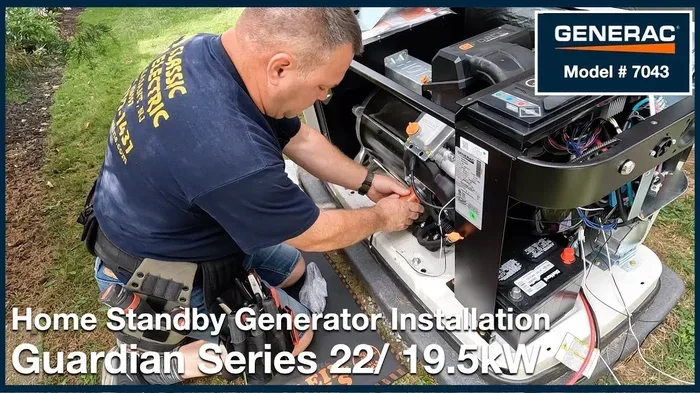
Generac 22kW Standby Generator
If you want a permanent solution, the Generac 22kW standby generator is a top pick. It is powerful enough to run your entire home, including multiple AC units. It starts automatically when power is lost and runs on natural gas or propane. The cost is higher, typically $4,000 to $6,000 installed, but the convenience and reliability are unmatched.
Champion 100263 10,000-Watt Portable Generator
The Champion 100263 delivers 10,000 starting watts and 8,000 running watts on gasoline. It is one of the most affordable high-wattage portable generators available, often priced around $700. It can easily handle a 2 ton AC plus several other loads. The trade-off is that it is heavier and louder than inverter models.
How to Choose the Right Generator for Your Home
Choosing the right generator to run a 2 ton AC unit comes down to matching your specific needs. Here is a step-by-step approach that makes the decision easier.
Step 1: Check Your AC Unit Specifications
Look at the nameplate on your AC unit or check the owner manual. Find the running wattage and starting wattage. If only amperage is listed, multiply by voltage to get watts. For example, 15 amps at 240 volts equals 3,600 watts.
Step 2: List Your Essential Loads
Write down every appliance and device you want to run during a power outage. Include the AC, refrigerator, lights, and any medical equipment. Add up the total wattage. This number is your minimum generator requirement.
Step 3: Add a Safety Buffer
Always add at least 20% to your total wattage calculation. This buffer protects the generator from overload and extends its lifespan. It also gives you flexibility to plug in extra devices without worry.
Step 4: Choose Your Generator Type
Decide between portable and standby based on your budget, needs, and how long you expect outages to last. Portable generators work great for short-term needs. Standby generators are ideal for long or frequent outages.
Step 5: Consider Installation and Maintenance
Portable generators need no professional installation, but they do require manual refueling and careful placement outdoors. Standby generators need professional installation, which adds to the upfront cost. Factor in ongoing maintenance too, including oil changes and filter replacements.
Quick Tips for Generator Safety
- Never run a generator indoors or in an attached garage. Carbon monoxide is deadly.
- Place the generator at least 20 feet from your home with the exhaust pointing away from windows.
- Use heavy-duty, outdoor-rated extension cords rated for the full load.
- Turn off the generator and let it cool before refueling.
- Use a transfer switch to prevent backfeeding into your home’s electrical system.
- Store fuel in approved containers away from the generator and heat sources.
Common Mistakes People Make When Sizing a Generator
Even with the best intentions, homeowners often make mistakes when buying a generator for their AC unit. Avoiding these pitfalls saves money and frustration.
Mistake 1: Ignoring starting wattage. Many people only look at running wattage. But the starting surge is what trips generators. Always check the surge rating before buying.
Mistake 2: Forgetting about other loads. Running the AC is not the only thing you will do with a generator. If you also power a refrigerator and lights, those watts add up fast.
Mistake 3: Buying the cheapest option. Cheap generators often have poor voltage regulation. This can damage your AC unit’s compressor and other electronics over time. Spending a bit more on a quality unit pays off in the long run.
Mistake 4: Neglecting fuel availability. Gasoline goes bad after a few months. If you store fuel for emergencies, use a fuel stabilizer. Propane and natural gas have much longer shelf lives, which makes them better for standby generators.
Mistake 5: Skipping the transfer switch. Plugging a generator directly into your home’s outlets is dangerous and often illegal. A transfer switch ensures safe, proper power delivery and protects utility workers.
Expert Insights on Generator Sizing for AC Units
We spoke with HVAC and electrical professionals to get their take on sizing generators for 2 ton AC units. Here is what the experts had to say.
“The biggest mistake I see is customers buying a generator based on the AC’s running wattage alone,” says a licensed HVAC technician with over 15 years of experience. “The starting surge is what matters most. If the generator cannot handle that initial spike, the compressor will never start, and you could end up with a damaged unit.”
An electrical contractor adds, “I always recommend adding at least 25% to the total calculated load. Generators perform best when they are not running at full capacity. That buffer gives you room for startup surges and keeps the engine from straining.”
Another expert emphasizes fuel quality. “Cheap fuel can clog your generator’s carburetor and cause performance issues. Use fresh gasoline and add a stabilizer if you plan to store fuel for emergencies. For standby units, natural gas is the most reliable option.”
Key Takeaways
- Know your AC’s wattage: Check the nameplate for running and starting wattage before shopping for a generator.
- Aim for 5,000 to 7,500 starting watts: This range comfortably handles a 2 ton AC unit’s compressor surge.
- Portable vs standby depends on your needs: Portables are affordable and movable; standby generators offer automatic whole-home backup.
- Add a 20-25% buffer: This protects the generator and gives you room for other essential loads.
- Inverter generators are worth the investment: They provide cleaner power and better fuel efficiency for sensitive AC units.
- Safety first: Always use generators outdoors, use a transfer switch, and follow all manufacturer guidelines.
Conclusion
Finding the right size generator to run a 2 ton AC unit does not have to be complicated. The key is understanding your AC’s wattage needs, factoring in starting surge, and choosing a generator type that fits your lifestyle and budget.
For most homes, a portable generator with 6,000 to 7,500 starting watts provides reliable power for a 2 ton AC and a few other essentials. If you want hands-free backup, a standby generator is the premium choice that delivers automatic protection during every outage.
Take the time to check your AC unit’s specifications, make a list of your essential loads, and add a safety buffer. These simple steps ensure you buy a generator that works when you need it most. A well-chosen generator keeps your home cool, comfortable, and powered no matter what the weather brings.
Start your search today with confidence. You now have the knowledge to pick the right generator for AC unit needs and protect your home from power outages.
Frequently Asked Questions
Can a 3000 watt generator run a 2 ton AC unit?
A 3,000 watt generator may be able to start and run a 2 ton AC if the unit has low starting wattage. However, it leaves no room for any other appliances. Most experts recommend at least 5,000 starting watts for reliable operation with a safety margin.
How many watts does a 2 ton AC use?
A 2 ton AC unit typically uses 1,500 to 2,500 watts while running. The starting or surge wattage can spike to 3,000 to 5,000 watts when the compressor first kicks on. Always check your specific unit’s nameplate for exact numbers.
Is a portable or standby generator better for a 2 ton AC?
Portable generators are more affordable and easy to set up, making them a great choice for occasional use. Standby generators are more expensive but offer automatic operation and can power your entire home. Choose based on your budget and how often you need backup power.
What fuel type is best for a generator running an AC unit?
Natural gas and propane are the most convenient fuel types for standby generators because they do not require manual refueling. For portable generators, gasoline is widely available but has a shorter shelf life. Propane is a good alternative for portability with longer storage life.
Can I run my 2 ton AC and refrigerator on the same generator?
Yes, you can run both on the same generator as long as the combined wattage stays within the generator’s capacity. A 2 ton AC plus a refrigerator typically needs 5,000 to 7,000 starting watts. Always add a buffer to avoid overloading the generator.
How long can a generator run a 2 ton AC unit?
Portable generators can run for 6 to 12 hours on a full tank at half load. Standby generators connected to natural gas or propane can run continuously for days. Runtime depends on the fuel tank size, load, and generator fuel efficiency.