What Tools Should I Keep in My Truck for Every Trip
Knowing what tools to keep in your truck can save you from roadside disasters and costly tow bills. Every driver should stock their vehicle with essential truck tools like a jack, tire wrench, jumper cables, and a basic emergency toolkit to handle flat tires, dead batteries, and minor repairs on the spot. Being prepared with the right truck emergency kit means you can tackle unexpected breakdowns quickly and safely, no matter where the road takes you.
What Tools Should I Keep in My Truck for Every Trip
Whether you haul equipment for work or run errands around town, your truck is more than just a vehicle. It is your mobile workspace, your safety net, and your backup plan all in one. The right tools for my truck can turn a stressful roadside moment into a quick fix and get you back on the road with confidence. Every driver should think about what they carry in their cab and bed before heading out.
Being prepared means more than tossing a random wrench in the glove box. It means choosing the right truck tool kit for your needs, your vehicle, and the kind of driving you do most. In this guide, I will walk you through every category of gear you should consider. From basic hand tools to emergency supplies, I will help you build a setup that actually works when you need it most.
Key Takeaways
- Stock essentials first: jumper cables, a flashlight, and a basic wrench set solve most roadside problems fast.
- Check your kit every season: inspect tools for damage and replace worn items before you hit the road.
- Keep a tire gauge handy: proper tire pressure boosts fuel efficiency and keeps you safe on every trip.
- Add emergency supplies too: water, a first aid kit, and reflective triangles protect you during unexpected breakdowns.
- Organize tools in a compact box: a tidy setup saves time and prevents lost equipment on the go.
- Know how to use each tool: practice with your kit at home so you stay confident under pressure.
📑 Table of Contents
- Essential Hand Tools Every Truck Should Carry
- Emergency and Safety Equipment You Cannot Skip
- Maintenance Tools for On-the-Road Repairs
- Electrical and Diagnostic Tools
- Organization and Storage Solutions
- Seasonal and Specialty Tools to Consider
- Quick Reference: Essential Truck Tools at a Glance
- Final Thoughts on Preparing Your Truck
Essential Hand Tools Every Truck Should Carry
Hand tools form the backbone of any good truck tool kit. You do not need a massive workshop setup. A compact, well-chosen set covers most common fixes on the road. The key is picking versatile tools that handle a wide range of jobs without taking up too much space.
Start With a Solid Socket Set
A socket wrench set is the single most useful tool you can own. Look for a metric and standard combination set with extensions and a ratchet. You will use it for tire changes, belt replacements, and countless other repairs. A 3/8-inch and 1/2-inch drive set covers most truck applications perfectly.
Do Not Forget the Basics
Beyond sockets, every truck should have a few simple hand tools that never take up much room:
- Flathead and Phillips screwdrivers in multiple sizes
- A pair of adjustable pliers or channellock grips
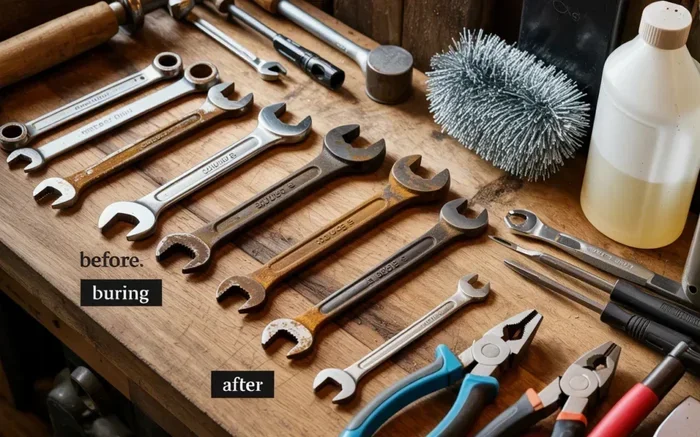
- A set of combination wrenches in common sizes
- Needle-nose pliers for tight spaces
- A utility knife or multi-tool
- Duct tape and electrical tape
These items are small but mighty. They handle quick fixes that would otherwise leave you stranded. I keep a small pouch under my seat with these basics at all times. It has saved me more than once on long hauls.
Emergency and Safety Equipment You Cannot Skip
Safety gear is not optional when you are talking about tools for my truck. Roadside emergencies happen to everyone. The right equipment keeps you safe and visible while you handle the problem.
Roadside Must-Haves
Every truck should carry a basic emergency kit. Here is what I recommend:
- A portable jump starter — this is a game changer. It lets you start your truck without another vehicle.
- A reflective warning triangle or road flares
- A basic tire repair kit with plugs and a mini compressor
- A flashlight with extra batteries
- A seatbelt cutter and window breaker tool
The portable jump starter deserves special mention. Modern units are compact enough to fit in the glove box and powerful enough to crank a diesel engine. I keep mine charged and checked every month. It is one of those tools for my truck that I hope to never need but am glad to have.
First Aid and Weather Prep
Do not overlook personal safety. A compact first aid kit should live in your cab at all times. In cold climates, add a blanket, hand warmers, and a small shovel. In hot climates, keep extra water and sunscreen. These items round out your emergency readiness and keep you prepared for anything.
Maintenance Tools for On-the-Road Repairs
Regular maintenance keeps your truck running strong. But even with the best care, things go wrong. Having the right maintenance tools in your truck means you can handle minor issues yourself instead of waiting for a tow truck.
Fluids and Small Parts
Keep a small stash of essential fluids and consumables:
- Engine oil matching your truck’s specifications
- Transmission fluid
- Brake fluid
- Coolant or antifreeze
- Power steering fluid
- A few spare fuses in common sizes
These supplies take up almost no space but can save you hours of waiting. If you notice a slow leak or low fluid level, you can top off and keep driving safely.
Air Compressor Care
If your truck has an air compressor — or if you carry a portable one — proper maintenance matters. The what oil does an air compressor take question comes up often, and the answer depends on your specific unit. Most portable truck compressors use a small amount of lightweight compressor oil. Check your manual and change it regularly. This simple step extends the life of your compressor and keeps it running smoothly when you need it most.
Watch for signs of compressor short cycling too. If your compressor turns on and off rapidly, it may be low on oil, overworked, or have a pressure switch issue. Catching these problems early prevents bigger breakdowns on the road.
Electrical and Diagnostic Tools
Modern trucks are packed with electronics. When something goes wrong, a basic diagnostic tool can save you from guessing. Electrical tools have become essential tools for my truck in the last decade.
Multimeter and Basic Testing
A digital multimeter is a must-have. It lets you test battery voltage, check fuse continuity, and trace electrical problems quickly. You do not need an expensive model. A basic auto-ranging multimeter under $30 handles 90% of truck electrical checks.
Portable Power and Lighting
Good lighting makes a huge difference when you are working under the hood at night. A set of portable work lights or a magnetic LED flashlight helps you see what you are doing. Some drivers also carry a small backup battery pack to charge phones and tablets — staying connected matters when you need to call for help.
If you haul equipment that needs power, consider whether you need a backup source. The question of how big of a backup generator do I need depends on what you run. A small 1000-watt portable generator can power basic tools and lights. For heavier loads, you may need something larger. Match the generator size to your actual needs so you are not hauling dead weight.
Tire Pressure Monitoring
A portable tire pressure gauge and a small air compressor go hand in hand. Keeping your tires at the right pressure improves fuel economy and safety. I check my tire pressure before every long trip. It takes five minutes and prevents a world of trouble.
Organization and Storage Solutions
Having great tools means nothing if they are scattered and hard to find. Good organization is one of the most overlooked aspects of truck preparedness. A clean, organized truck also makes a better workspace and a safer driving environment.
Under-Seat and Cab Storage
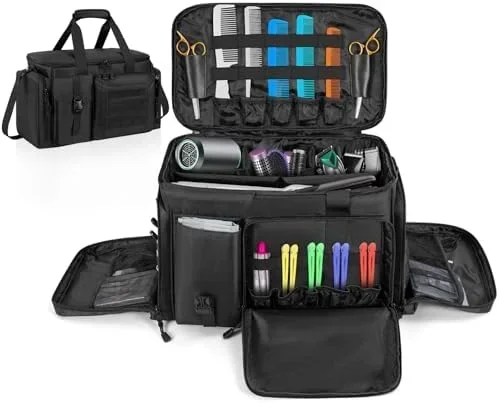
The space under your seat is prime real estate. I use a small tool bag that fits perfectly in that spot. It holds my most-used hand tools, the jump starter, and my first aid kit. Everything is within arm’s reach without cluttering the cabin.
Bed Organizers and Cargo Management
For your truck bed, consider a modular bed organizer or toolbox. These keep larger tools and supplies secure while driving. A truck bed organizer also prevents tools from sliding around and getting damaged. Look for options that match your truck bed size and your typical load.
Some drivers prefer a tonneau cover with built-in storage. Others use a simple toolbox bolted to the bed rail. The best setup is the one that fits your workflow. Think about what you carry most often and build around that.
Labeling and Quick Access
Take five minutes to label your bags and bins. Use clear pouches for small items like screws, clips, and fuses. When something breaks on the road, you do not want to dig through a mess of stuff. A little organization goes a long way toward making repairs fast and stress-free.
Seasonal and Specialty Tools to Consider
Your tool needs change with the seasons and your specific work. A few specialty items can make a big difference when conditions get tough.
Winter Tools
In cold climates, ice and snow create unique challenges. Keep a small snow brush, an ice scraper, and a bag of sand or kitty litter for traction. A battery blanket or block heater keeps your engine ready to turn over in freezing temps. These are small additions that pay off big when temperatures drop.
Work-Specific Gear
If you use your truck for construction, farming, or landscaping, add tools that match your trade. A good set of pliers, a pry bar, and a utility saw handle many job-site tasks. If you work with pneumatic tools, your air compressor and hoses become critical tools for my truck that deserve regular attention and proper storage.
Quick Reference: Essential Truck Tools at a Glance
Here is a quick overview of the core categories and what to prioritize in each. Use this as a checklist to build or audit your truck setup.
| Category | Top Priority Items | Why It Matters |
|---|---|---|
| Hand Tools | Socket set, wrenches, pliers, screwdrivers | Covers most basic repairs and adjustments |
| Emergency Gear | Jump starter, flares, tire kit, first aid | Keeps you safe and mobile during breakdowns |
| Maintenance Supplies | Fluids, fuses, belts, coolant | Prevents small issues from becoming big problems |
| Electrical Tools | Multimeter, flashlight, battery pack | Handles modern truck electronics and lighting |
| Organization | Tool bags, bed organizer, labels | Makes finding and using tools fast and easy |
| Seasonal Gear | Snow brush, traction mats, battery blanket | Adapts your setup to weather and conditions |
Final Thoughts on Preparing Your Truck
Building the right collection of tools for my truck is not about overloading your vehicle. It is about being smart and prepared. Start with the essentials — a solid socket set, emergency gear, and basic maintenance supplies. Then add specialty items based on your driving conditions and work needs.
Take time to organize what you carry. A clean truck is a functional truck. Review your kit every few months and restock anything you have used up. Swap out seasonal items as the weather changes. These small habits make a huge difference when an unexpected situation comes up.
The goal is simple. You want to feel confident every time you turn the key and head out the door. Knowing you have the right gear waiting in your truck gives you that peace of mind. Start with the basics, build over time, and never get caught unprepared again.
Frequently Asked Questions
What tools should I keep in my truck for every trip?
You should always have a basic socket set, a lug wrench, jumper cables, a flashlight, and a tire pressure gauge. These essentials handle the most common roadside issues and keep you prepared for unexpected breakdowns. A compact tool box with these items takes up minimal space but provides serious peace of mind.
What are the must-have tools for a truck?
The absolute essentials include a full socket wrench set, pliers, screwdrivers, duct tape, and a basic first aid kit. You should also carry a portable air compressor and a multi-meter for electrical checks. These tools cover most repairs and maintenance tasks you might face on the road.
How do I organize tools in my truck efficiently?
Use a rolling tool chest or a mounted toolbox in your truck bed to keep everything secure and accessible. Group tools by category, such as fasteners, wrenches, and electrical supplies, so you can find them quickly. Labeling drawers or using a pegboard system makes it easy to spot missing items after a job.
What emergency tools should every truck have?
Every truck needs jumper cables, a roadside flare set, a fire extinguisher, and a basic survival kit. A spare tire, jack, and tire iron are non-negotiable for handling flat tires on the go. Adding a blanket, water, and a portable phone charger rounds out a solid emergency setup.
Do I need specialized tools if I use my truck for work?
It depends on your trade, but most work trucks benefit from having a torque wrench, wire strippers, and a multimeter on hand. If you do plumbing or electrical work, add a pipe wrench and a circuit tester to your setup. Tailoring your tool collection to your specific job saves time and prevents frustrating trips back to the shop.
What size tool kit is best for a truck?
A mid-sized tool kit with a deep socket set, combination wrenches, and a few specialty tools strikes the best balance for most truck owners. You want enough variety to handle common repairs without overloading your vehicle with heavy equipment. A compact rolling case works great for keeping everything organized without eating up too much cargo space.