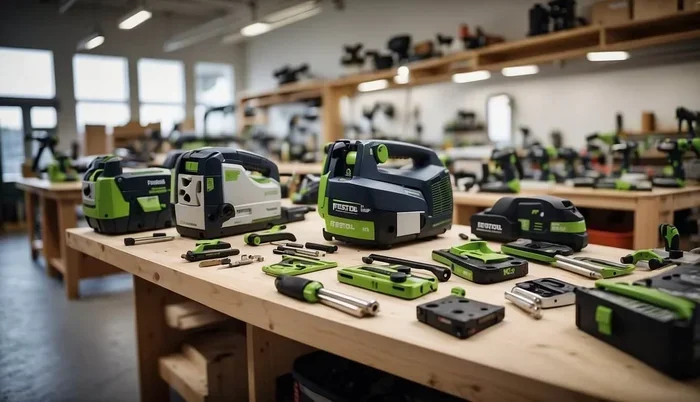
Where Are Festool Tools Made and Why It Really Matters
Festool tools are meticulously crafted in Germany, where decades of engineering excellence shape every product. Understanding where are festool tools made helps you appreciate the rigorous quality standards and innovative designs that set them apart. This German manufacturing base guarantees durability, precision, and the legendary reliability that professionals demand.
Key Takeaways
- Festool tools are manufactured in Germany, ensuring the highest standards of precision and quality.
- German manufacturing means rigorous quality control and consistent performance across every tool.
- Production in Germany supports local craftsmanship and innovative design traditions.
- Tools made in Germany often feature superior materials and tighter tolerances.
- Knowing the origin helps you understand the value and durability you’re investing in.
- Festool’s German roots guarantee excellent after-sales support and warranty coverage.
- Manufacturing location directly impacts tool longevity and overall user experience.
📑 Table of Contents
- The History Behind Festool’s Manufacturing Roots
- Where Exactly Are Festool Tools Made?
- What Makes Festool’s Manufacturing Process Special
- How Manufacturing Location Affects Tool Quality
- Festool vs. Other Power Tool Brands: A Manufacturing Comparison
- Why Knowing Where Your Tools Are Made Matters
- The Bottom Line on Festool Manufacturing
The History Behind Festool’s Manufacturing Roots
Festool has a rich story. The company started in 1925 in a small workshop in Germany. A man named Gottlieb Stoll founded it. He had a simple dream. He wanted to build better tools for craftsmen. That dream has grown into something huge.
Today, Festool is known worldwide. Woodworkers trust this brand. They trust the precision and the build quality. But where exactly are Festool tools made? That is a question many people ask. The answer might surprise you.
The company’s roots are deeply tied to German engineering. This heritage shapes every product they make. When you buy a Festool tool, you are buying decades of tradition. You are also buying modern innovation. The blend of old and new is what makes this brand special.
Where Exactly Are Festool Tools Made?
The short answer is Germany. But the full picture is more interesting. Festool has production facilities in several locations. The main headquarters sits in Wendlingen, Germany. This is where the company was born and still operates from today.
Most of their power tools are built in Germany. The manufacturing plants are located in the Black Forest region. This area is famous for skilled craftspeople. Generations of workers have passed down their trade. That expertise shows up in every tool that rolls off the line.
Here is what you should know about Festool’s manufacturing locations:
- Wendlingen, Germany – This is the company headquarters. Many tools are assembled here.
- Illertissen, Germany – A second major production site. They make sanders and dust extractors here.
- Other European facilities – Some components come from nearby countries. But final assembly stays in Germany.
Festool does not outsource its core manufacturing. They keep production close to home. This is a big deal in the tool industry. Many brands move factories overseas to save money. Festool has chosen a different path. They believe quality comes first.
The Role of the Black Forest Region
The Black Forest is more than a pretty place. It has a long history of precision work. Clockmakers and woodworkers have lived there for centuries. Festool draws on this local talent. Workers in this region take immense pride in their craft.
The area also has strong engineering schools nearby. This means Festool can hire top talent easily. Skilled workers understand precision engineering at a deep level. They know how to make tools that last. This local expertise is a huge advantage.
What Makes Festool’s Manufacturing Process Special
Building tools in Germany is not just a label. It means something real. Festool follows strict processes at every step. Let me walk you through what makes their approach stand out.
Design and Engineering
Every Festool tool starts on a drawing board. Engineers in Germany design each product from scratch. They think about how a craftsman will use the tool. They consider comfort, power, and durability. The design phase takes a long time. But this attention to detail pays off.
The team uses advanced computer modeling. They test every component virtually before building a prototype. This saves time and reduces waste. It also ensures the final product works exactly as intended.
Material Selection and Sourcing
Festool is picky about materials. They use high-grade metals and durable plastics. The company sources many materials from European suppliers. This keeps the supply chain short and transparent.
Here are some key material choices that set Festool apart:
- High-carbon steel – Used for cutting edges and blades
- Aluminum housings – Lightweight yet strong
- Anti-vibration components – Reduce user fatigue
- Dust-sealed bearings – Extend tool life
These material choices are not cheap. But they make a real difference. A Festool tool feels different in your hands. The weight is balanced. The grip is comfortable. You can feel the quality immediately.
Assembly and Quality Control
Each tool goes through multiple quality checks. Workers inspect parts at every stage of assembly. A finished tool is tested before it leaves the factory. Festool does not ship anything that does not meet their standards.
The assembly process uses both human workers and automated systems. The human touch matters here. Experienced workers spot issues that machines might miss. This combination of skill and technology creates consistently excellent products.
How Manufacturing Location Affects Tool Quality
Where a tool is made matters more than most people think. Manufacturing location affects several things. Let me break this down for you.
| Factor | German Manufacturing | Offshore Manufacturing |
|---|---|---|
| Quality Control | Strict standards at every stage | Varies widely by factory |
| Material Quality | Premium European-sourced materials | Often cost-driven choices |
| Worker Expertise | Highly trained local craftsmen | Training quality varies |
| Tool Durability | Built to last for years | Often designed for replacement |
| Precision | Tight tolerances on every part | Good but less consistent |
| Environmental Standards | Strict EU regulations | Regulations vary by country |
This table shows why Festool’s approach matters. German manufacturing brings consistency. It brings accountability. When something goes wrong, the company can address it quickly. They are close to the factory floor.
Tools made in Germany also tend to hold their value better. If you ever sell a used Festool saw, it will still work like new. That is the kind of tool durability that German manufacturing delivers.
Why German Engineering Stands Out
Germany has a reputation for precision. This reputation is well-earned. The country has strict standards for manufacturing. Workers receive thorough training. Companies invest heavily in quality systems.
When you hold a Festool power tool, you can feel the difference. The fit and finish are exceptional. There are no loose parts or rough edges. Every mechanism moves smoothly. This level of quality craftsmanship is hard to find elsewhere.
Festool vs. Other Power Tool Brands: A Manufacturing Comparison
Let me put things in perspective. The tool market has many brands. Some make tools in Germany. Others manufacture overseas. Understanding the differences helps you make smart buying decisions.
Festool vs. Makita
Makita is a popular brand. They make excellent tools. But their manufacturing is spread across many countries. Japan, China, Mexico, and others all produce Makita products. This is not a bad thing. Makita tools are reliable and well-made.
However, Festool keeps its core production in Germany. This means more direct oversight. It also means tighter quality control. For professional woodworkers, this consistency matters a lot.
Festool vs. DeWalt
DeWalt makes strong tools for construction. Many DeWalt products are built in the United States or Mexico. They are designed for job site toughness. Festool tools are designed for workshop precision.
Both brands serve different needs. But when it comes to manufacturing location, Festool stands out. Their tools are made where the company has the most control over quality.
Festool vs. Bosch
Bosch is another big name. They have factories in many countries. Some Bosch tools are made in Germany. Others come from China or other locations. Festool keeps all its main production in one country. This focus gives them an edge in consistency.
Why Knowing Where Your Tools Are Made Matters
This might seem like a small detail. But where your tools are made affects more than you might think. Let me explain why this information matters to you as a user.
Impact on Long-Term Value
Tools made with care last longer. Festool power equipment is built to withstand years of daily use. A good Festool saw can serve you for decades with proper maintenance.
Think about it this way. A cheaper tool might cost less upfront. But it may need replacement sooner. Over time, the Festool tool often saves you money. The tool durability alone justifies the investment.
Impact on Performance
Manufacturing quality affects how a tool performs. German-made tools tend to run smoother. They stay calibrated longer. The precision engineering means less vibration and better cuts.
For woodworkers, this translates to better results. Your projects look cleaner. You spend less time fixing mistakes. The tool just works the way it should.
Impact on Safety
This is something people overlook. Tools made under strict quality standards are safer. Festool follows rigorous safety protocols. Every tool is tested before shipping. You can trust that your equipment will perform safely.
Cheap tools sometimes cut corners on safety features. This is not a risk you want to take. When you invest in quality manufacturing, you invest in your well-being.
Impact on the Environment
Festool also cares about sustainability. Their German factories follow strict environmental rules. They use energy-efficient production methods. The company recycles waste and reduces emissions.
Buying tools made in countries with strong environmental laws is a good feeling. You know your purchase supports responsible manufacturing. This is part of why European manufacturing has such a good reputation.
Quick Tips for Understanding Tool Origins
- Check the product packaging for manufacturing details
- Visit the Festool website for factory information
- Read the user manual – it often lists country of origin
- Ask authorized dealers about production locations
- Look for “Made in Germany” labels on the tool itself
The Bottom Line on Festool Manufacturing
So where are Festool tools made? The answer is clear. They are made in Germany. The main production happens in Wendlingen and Illertissen. Every step of the process reflects German precision and care.
Festool has stayed true to its roots. While other brands have moved production overseas, Festool kept it close to home. This decision shows their commitment to quality. It also shows respect for their craft.
When you choose Festool tools, you are choosing reliability. You are choosing precision engineering. You are choosing a tool that will serve you for many years. The manufacturing location is not just a detail. It is the foundation of everything Festool represents.
Next time you pick up a Festool saw or sander, remember the hands that built it. Skilled workers in Germany took pride in creating your tool. That care is built into every product they make. And that is something worth knowing.
Frequently Asked Questions
Where Are Festool Tools Made?
Festool tools are manufactured in Germany, with the company’s main production facilities located in Wendlingen and Sonstorf. The brand has built its reputation on German engineering and precision manufacturing. This commitment to domestic production is a big reason why Festool tools are so highly regarded by professionals worldwide.
Why Does the Origin of Festool Tools Matter?
Knowing where Festool tools are made helps you understand the quality standards behind every product. German manufacturing is known for strict quality control and attention to detail. When you invest in a Festool tool, you are getting a product built with rigorous testing and premium materials.
Are All Festool Tools Made in Germany?
Most Festool power tools and accessories are produced at their facilities in Germany. However, some components may be sourced from international suppliers to maintain the highest standards. The final assembly and quality checks still happen in Germany, ensuring consistent Festool quality across every product.
How Does Festool’s Manufacturing Process Ensure Quality?
Festool uses advanced manufacturing technology and skilled craftspeople at every stage of production. Each tool goes through multiple rounds of testing before it leaves the factory. This precision manufacturing process is why Festool tools are known for their durability and reliability on job sites.
Where Is Festool’s Headquarters Located?
Festool’s headquarters are in Wendlingen, Germany, near Stuttgart. The company has operated from this location since its founding and remains deeply rooted in German industrial craftsmanship. Their proximity to Europe’s manufacturing hub gives them access to top-tier suppliers and engineering talent.
Does Festool Have Production Facilities Outside of Germany?
While Festool’s primary production happens in Germany, the company has distribution centers and service locations around the world. Some subsidiary operations exist in other countries to support global customers. However, the core Festool production and quality standards remain centered in Germany, which is a key reason professionals trust the brand.