Where Are Ryobi Power Tools Made and Why It Really Matters
Ryobi power tools are primarily manufactured in China, with additional production facilities in the United States and Taiwan. The brand has a rich history rooted in Japan and is now owned by the TTI Group, a global leader in power tool manufacturing. Understanding where your Ryobi power tools come from helps you make informed buying decisions about quality, reliability, and value.
Key Takeaways
- Manufacturing Origins: Most Ryobi power tools are produced in China, with some assembly in the US and Taiwan.
- Brand History: Ryobi started in Japan in 1943 and has grown into a global brand under TTI Group ownership.
- Quality Control: Ryobi tools quality is maintained through strict standards, regardless of the manufacturing location.
- Value Proposition: Ryobi power tools offer excellent bang for your buck compared to premium brands.
- One+ System: The Ryobi one+ system uses a single battery platform across hundreds of tools, reducing waste and cost.
- Why It Matters: Knowing where tools are made helps you understand pricing, quality expectations, and brand philosophy.
📑 Table of Contents
- Where Are Ryobi Power Tools Made and Why It Really Matters
- The History Behind Ryobi Power Tools
- Where Exactly Are Ryobi Power Tools Made
- How Ryobi Ensures Quality Across Manufacturing Locations
- Ryobi vs Other Power Tool Brands: Manufacturing Comparison
- Why the Manufacturing Location Matters to You
- Quick Tips for Buying Ryobi Power Tools
- Common Mistakes People Make When Buying Power Tools
- Expert Insights on Ryobi Manufacturing
- Key Takeaways
- Conclusion
Where Are Ryobi Power Tools Made and Why It Really Matters
If you have ever picked up a Ryobi power tool and wondered about its origins, you are not alone. Many DIYers and professionals alike want to know where are Ryobi power tools made. The answer is more interesting than you might think.
Ryobi power tools are manufactured across multiple countries, with the majority of production happening in China. But the full story goes much deeper than a single factory location. The brand history, manufacturing partnerships, and quality control processes all play a role in the tools you use every day.
In this article, we will walk you through the complete manufacturing journey of Ryobi power tools. You will learn about the factories, the quality standards, and why knowing where your tools come from can actually help you make better buying decisions. Whether you are a weekend warrior or a seasoned contractor, this guide has something valuable for you.
The History Behind Ryobi Power Tools
From Japan to the World
Ryobi was founded in 1943 in Osaka, Japan. The company originally started as a manufacturer of printing presses. Over the decades, Ryobi expanded into power tools and became a household name in Japan and beyond.
The brand’s transition into power tools was a game-changer. By the 1960s, Ryobi was producing its first power drill and other handheld tools. The company quickly gained a reputation for building affordable, reliable equipment that everyday people could actually afford.
In 1968, Ryobi entered the American market. This was a major turning point. US consumers fell in love with the combination of quality and affordability that Ryobi power tools offered. The brand grew steadily through the 1970s and 1980s.
The TTI Group Connection
Today, Ryobi is owned by the TTI Group, which stands for Techtronic Industries. TTI is one of the largest power tool manufacturers in the world. They also own brands like Milwaukee, AEG, and Ryobi.
This ownership structure matters. TTI has massive resources and global manufacturing capabilities. The company operates factories in multiple countries, including China, Vietnam, the United States, and Taiwan. This network allows Ryobi manufacturing to scale efficiently while keeping costs manageable.
TTI’s global reach means that Ryobi power tools benefit from decades of engineering expertise. The company invests heavily in research and development. This ensures that even budget-friendly Ryobi tools meet solid performance standards.
Where Exactly Are Ryobi Power Tools Made
The Primary Manufacturing Hub: China
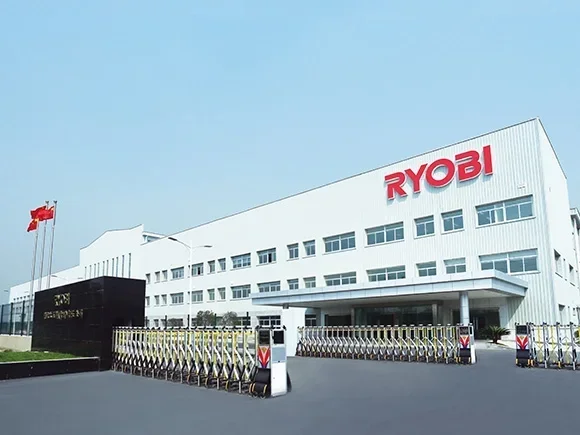
The short answer to where are Ryobi power tools made is China. The vast majority of Ryobi power tools are produced in Chinese factories. China has become the global hub for power tool manufacturing, and Ryobi takes full advantage of this infrastructure.
Chinese factories produce everything from Ryobi power drills to circular saws, sanders, and outdoor power equipment. The scale of production is enormous. Millions of Ryobi tools roll off assembly lines every year.
But China is not just about low costs. Many Chinese factories have become incredibly sophisticated. They use advanced robotics and quality control systems. Some facilities rival the capabilities of factories in Japan or Germany.
US and Taiwan Production Facilities
Not all Ryobi power tools come from China. The company also operates assembly facilities in the United States and Taiwan. These locations handle specific product lines and components.
The US facility focuses on certain categories of tools. This allows Ryobi to offer some American-made options for consumers who prefer domestic products. The Taiwan facility often handles more specialized or higher-precision components.
Having multiple production locations gives Ryobi flexibility. It helps the company manage supply chain risks and respond to market demand more effectively. It also allows them to cater to different regional preferences.
Supply Chain and Component Sourcing
Even though final assembly often happens in China, components come from all over the world. Motors might be sourced from one country. Battery cells from another. Plastic housings from yet another location.
This global supply chain is standard in the power tool industry. Brands like DeWalt, Makita, and Bosch follow similar practices. What sets Ryobi tools apart is how they manage this complexity while keeping prices competitive.
The Ryobi one+ system deserves special mention here. This battery platform uses a single battery size across hundreds of tools. The batteries themselves are produced at dedicated facilities. This modular approach simplifies manufacturing and reduces costs for consumers.
How Ryobi Ensures Quality Across Manufacturing Locations
Quality Control Standards
One concern people often have is whether tools made in China can match the quality of those made in Japan or the US. The answer is yes, and here is why.
Ryobi tools quality is maintained through rigorous quality control processes. Every factory that produces Ryobi power tools must meet strict standards set by TTI. These standards cover materials, assembly, testing, and packaging.
Each tool undergoes multiple rounds of testing before it leaves the factory. Engineers run stress tests, durability tests, and safety checks. A Ryobi power drill might be tested thousands of times to ensure it performs reliably under real-world conditions.
The Role of TTI’s Global Standards
Because TTI Group owns Ryobi, Milwaukee, and AEG, the company can share best practices across brands. What works for Milwaukee quality control also benefits Ryobi power tools. This cross-pollination of ideas lifts the bar for all TTI brands.
TTI has invested heavily in automated testing equipment. Factories use computer-controlled systems to detect defects early in the production process. This reduces the number of faulty tools that reach consumers.
The company also conducts regular audits of its manufacturing partners. These audits ensure that standards remain consistent over time. A factory that meets TTI standards today will be checked again next year and the year after.
Real-World Performance and Reliability
When you look at Ryobi tools reviews from actual users, the quality story is clear. Most owners report that their Ryobi power tools last for years with proper care. The brand has built a loyal following among homeowners and light-duty professionals.
Of course, Ryobi power tools are not marketed as premium professional tools. They sit in the mid-range price category. But for the price point, the reliability is impressive. Many users find that Ryobi tools outperform more expensive competitors in certain categories.
The outdoor power equipment line is a great example. Ryobi outdoor power equipment like lawnmowers, trimmers, and leaf blowers consistently earn positive reviews. Consumers appreciate the combination of power, durability, and affordability.
Ryobi vs Other Power Tool Brands: Manufacturing Comparison
To understand where Ryobi power tools fit in the market, it helps to compare them with other popular brands. Different brands have different manufacturing strategies, and this affects pricing and quality.
| Brand | Primary Manufacturing Location | Price Range | Target Audience |
|---|---|---|---|
| Ryobi | China, USA, Taiwan | Budget to Mid-Range | DIYers and Homeowners |
| Milwaukee (TTI) | USA, China, Europe | Premium | Professional Contractors |
| DeWalt | USA, China, Mexico | Mid-Range to Premium | Pros and Serious DIYers |
| Makita | Japan, China, UK | Mid-Range to Premium | Professionals and Enthusiasts |
| Bosch | Europe, China, USA | Mid-Range | Homeowners and Pros |
As you can see, Ryobi power tools are not alone in using Chinese manufacturing. Most major power tool brands rely on Chinese factories for at least some production. The difference lies in brand positioning, target market, and the level of investment in quality control.
Ryobi positions itself as the smart choice for everyday users. You get solid performance and decent durability without paying a premium price tag. For many homeowners, this is the sweet spot.
Why the Manufacturing Location Matters to You
Price and Value
The most obvious reason manufacturing location matters is price. Tools made in countries with lower labor costs can be sold at more affordable prices. This is a key reason why Ryobi power tools are so accessible to budget-conscious consumers.
But low price does not mean low quality. Ryobi tools punch above their weight class in many comparisons. The company has optimized its manufacturing process to deliver good value without cutting corners on safety or basic performance.
Brand Reputation and Trust
Knowing where your tools come from builds trust. When you understand the manufacturing journey of Ryobi power tools, you can feel more confident in your purchase. The brand has decades of experience and a proven track record.
TTI Group’s backing adds another layer of credibility. You are not buying from a small, unknown company. You are buying from one of the world’s largest power tool manufacturers with the resources to ensure consistent quality.
Environmental and Ethical Considerations
Some consumers care about where and how their products are made. Ryobi and TTI Group have made commitments to sustainable manufacturing practices. This includes reducing waste, improving energy efficiency, and ensuring fair labor conditions at factories.
TTI publishes sustainability reports and works with factories to improve their environmental footprint. While no manufacturing process is perfect, the company is making measurable progress in these areas.
If ethical manufacturing matters to you, look for tools that carry relevant certifications. TTI has invested in ensuring its factories meet international labor and environmental standards.
Quick Tips for Buying Ryobi Power Tools
- Check the model number: Some Ryobi tools are made in the US while others come from China. The model number can tell you the origin.
- Look for the One+ badge: Tools in the Ryobi one+ system share batteries, which saves money and reduces waste.
- Read user reviews: Real-world feedback gives you the best sense of how a tool performs over time.
- Compare with Milwaukee: Since both brands are owned by TTI, you can often compare build quality and features side by side.
- Consider your needs: If you are a casual DIYer, Ryobi power tools will likely serve you well. Heavy-duty pros may want to look at Milwaukee for the toughest jobs.
Common Mistakes People Make When Buying Power Tools
Assuming Price Equals Quality
One of the biggest mistakes is assuming that expensive tools are always better. Ryobi power tools prove this wrong every day. Many affordable models deliver professional-grade performance for everyday tasks.
Before you buy, think about what you actually need. A homeowner who occasionally hangs shelves does not need a $300 premium drill. A Ryobi power drill in the $50 to $100 range will handle the job perfectly.
Ignoring the Battery Platform
If you plan to buy multiple tools, the battery platform matters a lot. The Ryobi one+ system is one of the largest shared-battery platforms available. This means you can buy one battery and use it across dozens of tools.
Ignoring this ecosystem can lead to unnecessary expenses. If you already own a Ryobi drill, buying a Ryobi saw with the same battery saves you money immediately.
Overlooking Warranty and Support
Where a tool is made should not be the only factor in your decision. Also consider the warranty and customer support. Ryobi offers solid warranty coverage and has a responsive customer service team.
Many consumers skip this step and regret it later. A good warranty can save you hundreds of dollars if something goes wrong with your power tool.
Expert Insights on Ryobi Manufacturing
Industry experts generally agree that Ryobi power tools represent good value for the money. The brand has found a niche by offering reliable tools at prices that undercut many competitors.
According to tool reviewers and industry analysts, Ryobi tools quality has improved steadily over the past decade. The company has invested in better materials, improved engineering, and more rigorous testing. This trend is expected to continue as TTI Group expands its global footprint.
One expert noted that the Ryobi one+ system is a major advantage. The sheer number of tools available in this platform gives consumers incredible flexibility. You can build a complete workshop or job site setup without worrying about battery compatibility.
Another point worth mentioning is that Ryobi outdoor power equipment has gained a strong following. The company’s line of corded and battery-powered outdoor tools competes well against established brands in the outdoor power equipment space.
Key Takeaways
- Manufacturing Origins: Most Ryobi power tools are produced in China, with assembly also happening in the US and Taiwan.
- Brand History: Ryobi started in Japan in 1943 and is now owned by TTI Group, a global power tool giant.
- Quality Control: Ryobi tools quality is maintained through strict TTI standards and rigorous testing at every factory.
- Value Proposition: Ryobi power tools offer excellent performance and durability at an affordable price point.
- One+ System: The Ryobi one+ system uses a universal battery across hundreds of tools, making it easy and cost-effective to build a collection.
- Why It Matters: Understanding where your tools are made helps you appreciate the engineering, quality, and value behind each product.
Conclusion
So, where are Ryobi power tools made? The answer spans the globe. From factories in China to assembly lines in the United States, Ryobi manufacturing is a carefully managed global operation. The brand leverages its parent company TTI Group’s resources and expertise to deliver tools that are affordable, reliable, and well-built.
Knowing where your tools come from gives you confidence as a consumer. It helps you understand the pricing, appreciate the quality, and make smarter buying decisions. Ryobi power tools have earned their place as one of the most popular brands for homeowners and DIYers, and their manufacturing story is a big part of why.
Next time you pick up a Ryobi drill, saw, or outdoor tool, you will know the journey it took to get into your hands. And that knowledge makes the experience of using your tools even more satisfying.
Whether you are building a workshop, tackling a home improvement project, or just looking for reliable outdoor power equipment, Ryobi power tools deliver where it counts. The brand continues to evolve, invest in quality, and expand its product line. For consumers, that is great news.
So go ahead, explore the Ryobi product line, and find the tools that fit your needs. With solid quality control, a massive battery platform, and a reputation for value, you really cannot go wrong. Happy building!
Frequently Asked Questions
Are Ryobi power tools made in the USA?
Some Ryobi power tools are assembled in the United States, but the majority are manufactured in China. Check the product label or model number for specific origin details. TTI Group operates both US and international facilities to serve different markets.
Is Ryobi a good power tool brand?
Yes, Ryobi power tools are widely regarded as a solid choice for homeowners and DIYers. They offer reliable performance at an affordable price. The brand is backed by TTI Group, one of the world’s largest power tool manufacturers, which ensures consistent tools quality.
What is the Ryobi one+ system?
The Ryobi one+ system is a shared battery platform that uses a single battery size across hundreds of tools. This means you can use one battery in your drill, saw, flashlight, and many other devices. It is one of the largest battery ecosystems in the power tool industry.
Why are Ryobi tools so affordable compared to other brands?
Ryobi tools are more affordable because of their manufacturing strategy, primarily using Chinese factories with lower labor costs. The brand targets the budget-to-mid-range market and focuses on delivering solid value. You are paying for practical performance, not premium branding.
Where can I find the manufacturing origin of a specific Ryobi tool?
Check the product packaging, the tool itself, or the model number on Ryobi’s official website. The manufacturing origin is typically listed in the product specifications. You can also contact Ryobi customer service for specific details about any model.
How does Ryobi’s manufacturing compare to Milwaukee and DeWalt?
All three brands are part of TTI Group or use similar global manufacturing networks. Ryobi power tools and Milwaukee tools share the same parent company, which means they benefit from shared engineering and quality standards. The main difference is in target market and price point, not necessarily in manufacturing quality.