Power Station Generator Your Ultimate Home Backup Guide
A power station generator is a portable, fuel-free backup solution that keeps your home running during outages. Unlike traditional generators, these units run on batteries and are quiet, safe, and easy to use. This guide covers everything from types and sizes to maintenance and buying tips.
A power station generator has become one of the smartest investments a homeowner can make. When the lights go out, having a reliable power station generator means you never have to worry about spoiled food, lost Wi-Fi, or freezing in the dark. These units are changing the way families handle emergencies and everyday power needs.
But what exactly is a power station generator, and how do you pick the right one? This guide breaks it all down in simple terms. Whether you are dealing with frequent blackouts or just want peace of mind, you will find everything you need right here.
The good news is that modern backup power solutions have come a long way. They are lighter, smarter, and more affordable than ever before. Let us dive into the world of portable power and find the perfect fit for your home.
Key Takeaways
- Power station generators provide clean, quiet backup power without the noise and fumes of traditional fuel generators.
- Lithium-ion battery models are the most popular choice for home use due to their long lifespan and low maintenance.
- Wattage capacity matters most when choosing the right unit for your household needs.
- Solar-compatible options let you recharge for free and reduce reliance on grid power.
- Regular maintenance extends the life of your unit and ensures it works when you need it most.
- Portability is a major advantage, allowing you to move the unit between rooms or even take it camping.
📑 Table of Contents
- What Is a Power Station Generator?
- Why You Need a Power Station Generator for Home Backup
- Types of Power Station Generators
- How to Choose the Right Power Station Generator
- Power Station Generator vs. Traditional Fuel Generator
- Tips for Maximizing Your Power Station Generator’s Performance
- Common Mistakes to Avoid
- The Future of Home Backup Power
- Final Thoughts
What Is a Power Station Generator?
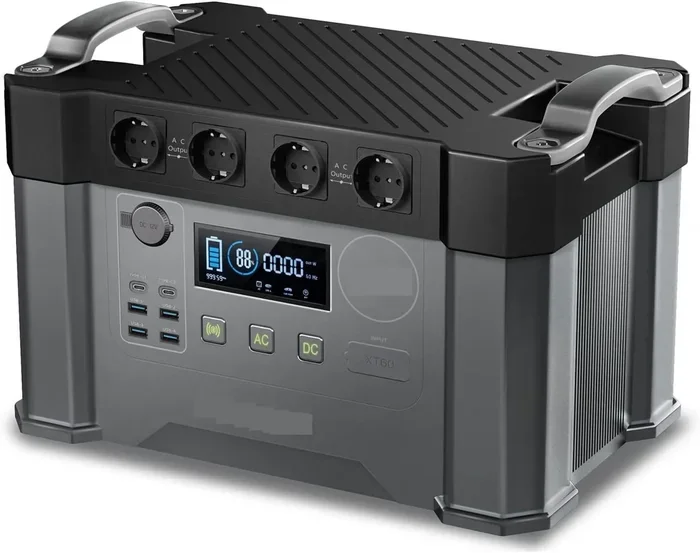
A power station generator is a portable device that stores electrical energy in a built-in battery. Unlike traditional fuel-powered generators, these units do not burn gasoline or propane. Instead, they use rechargeable lithium-ion or lithium iron phosphate batteries to deliver clean, steady electricity.
Think of it as a giant, portable battery bank. You charge it up at home, and then use it whenever you need power. Most models come with multiple outlets, including AC ports, USB ports, and even DC car-style plugs.
These units are often called battery backup generators or portable power stations. They range from small backpack-sized units to larger wheeled models that can power an entire house during an outage.
How Does It Work?
The concept is simple. You plug the unit into a wall outlet to charge it. Charging times vary, but most full charges take between two and ten hours. Once charged, the unit holds that energy until you need it.
When an outage hits, you simply unplug the unit from the wall and connect your devices. Some models support solar panel charging too, which makes them perfect for off-grid power situations. The built-in inverter converts stored DC power into AC power that your appliances can use.
Why You Need a Power Station Generator for Home Backup
Power outages are more common than most people think. Storms, equipment failures, and even planned grid maintenance can leave you without electricity for hours or days. A power station generator gives you a safety net that keeps your household running smoothly.
Here are the top reasons families are switching to battery-powered backup units:
- Silent operation. Unlike fuel generators that roar loudly, a power station generator runs almost silently. You can use it indoors without worrying about noise complaints.
- Zero emissions. These units do not produce carbon monoxide or other harmful fumes. This makes them safe for indoor use, which is a huge advantage over gas-powered options.
- Low maintenance. There are no oil changes, spark plugs, or fuel filters to worry about. Simply keep it charged, and it is ready to go.
- Portability. Most models have built-in handles or wheels. You can move a power station generator from your living room to your garage or even take it on a camping trip.
- Clean power. Battery generators produce pure sine wave electricity, which is safe for sensitive electronics like laptops, phones, and medical devices.
When you compare these benefits to a traditional electrical generator, the advantages become very clear. Fuel generators are loud, require regular maintenance, and produce harmful exhaust. A battery power station eliminates all of these problems.
Types of Power Station Generators
Not all power stations are the same. Different types serve different needs, and understanding the options helps you make a smarter purchase. Here is a closer look at the most common categories.
Lithium-Ion Power Stations
Lithium-ion models are the most popular type on the market today. They are lightweight, charge quickly, and hold a lot of energy relative to their size. Most power station generator brands use lithium-ion battery cells because they offer a great balance of performance and cost.
These units typically last between 500 and 1,000 charge cycles before the battery capacity starts to degrade. For most households, that means several years of reliable use.
Lithium Iron Phosphate (LiFePO4) Power Stations
LiFePO4 models are the premium option. They cost a bit more but offer a significantly longer lifespan, often exceeding 2,000 charge cycles. They are also safer, with better thermal stability and a lower risk of overheating.
If you plan to use your power station generator regularly or want a unit that will last many years, LiFePO4 is the way to go.
Solar-Compatible Generators
Some power stations are designed to work with solar panels. You can set up a solar panel during the day, let it recharge your unit for free, and have backup power ready at night. This setup is perfect for off-grid power enthusiasts and anyone who wants to reduce their electricity bills.
Solar-compatible models usually have dedicated solar input ports, and charging speeds depend on the panel wattage and sunlight conditions.
How to Choose the Right Power Station Generator
Choosing the right unit can feel overwhelming with so many options available. But if you focus on a few key factors, the decision becomes much easier.
1. Determine Your Power Needs
Start by listing the devices you want to power during an outage. A refrigerator might need around 700 watts, while a laptop uses only about 65 watts. Add up the wattage of everything you want to run at the same time.
This total tells you the minimum wattage capacity you need. Always choose a unit with a slightly higher capacity than your calculated total. This gives you room to spare and prevents the unit from overloading.
2. Consider Battery Capacity
Battery capacity is measured in watt-hours (Wh). A higher Wh rating means the unit can run your devices for a longer time. For example, a 1,000Wh unit can power a 100-watt device for about 10 hours.
Think about how long you typically experience outages in your area. If blackouts last a few hours, a smaller unit may be enough. If outages stretch for days, you will want a larger capacity.
You can also check how long a generator battery lasts to get a better sense of runtime expectations.
3. Look at Charging Options
The best power station generator units offer multiple ways to recharge. Wall outlet charging is the fastest and most convenient. Solar panel charging adds independence from the grid. Car charging is useful for road trips or emergencies on the go.
Units with pass-through charging let you use the power station while it is also charging. This is a handy feature for households that need continuous power.
4. Check the Output Ports
Make sure the unit has the right ports for your devices. Look for AC outlets, USB-A and USB-C ports, and DC outputs. The more variety of ports, the more devices you can charge or run at the same time.
5. Think About Portability
If you plan to move the unit around frequently, look for models with handles and manageable weight. Larger units on wheels are great for stationary backup use, while lighter models work well for indoor room-to-room use or outdoor adventures.
6. Set a Budget
Power stations range from around $200 for small units to over $2,000 for large-capacity models. Set a realistic budget based on your power needs and stick to it. Remember that a higher upfront cost often means a longer lifespan and better performance.
You can also learn more about sizing your backup power by reading how big of a backup generator do I need for additional guidance.
Power Station Generator vs. Traditional Fuel Generator
Many homeowners wonder whether a battery power station is really better than a traditional fuel generator. Let us compare the two side by side.
| Feature | Power Station Generator | Traditional Fuel Generator |
|---|---|---|
| Noise Level | Very quiet (under 50 dB) | Loud (60-80 dB) |
| Emissions | None | Produces fumes and CO |
| Indoor Use | Safe | Dangerous without ventilation |
| Fuel Cost | Electricity (low cost) | Gasoline or propane (ongoing cost) |
| Maintenance | Minimal | Regular oil changes and tune-ups |
| Portability | Lightweight and easy to move | Heavy and often stationary |
| Runtime | Limited by battery capacity | Limited by fuel supply |
| Power Quality | Clean sine wave output | May produce power surges |
As you can see, a power station generator wins in almost every category for home use. Fuel generators still have a place for heavy-duty construction sites or extended off-grid living, but for most households, a battery unit is the smarter choice.
If you want to understand more about fuel consumption and costs, you can explore how much natural gas a generator uses for traditional models.
Tips for Maximizing Your Power Station Generator’s Performance
Getting the most out of your unit is all about smart usage and regular care. Follow these practical tips to keep your power station generator running at its best.
Charge It Before You Need It
Never wait until an outage to discover your unit is not fully charged. Make it a habit to top off the battery every few months, especially before storm season. A fully charged unit gives you the maximum runtime when it matters most.
Manage Your Power Usage
Not all devices draw the same amount of power. Prioritize essential items like refrigerators, medical equipment, and routers. Non-essential devices like gaming consoles or extra lights can wait until the grid is back online.
Most power stations have a built-in display that shows real-time wattage draw and remaining battery percentage. Use this information to stay on top of your consumption.
Keep It in a Cool, Dry Place
Extreme heat and humidity can reduce battery performance and lifespan. Store your unit in a cool, dry area of your home. Avoid leaving it in direct sunlight or in a hot garage during summer months.
Update Firmware When Available
Many modern power stations have smart features that receive firmware updates. These updates can improve performance, fix bugs, and add new functionality. Check the manufacturer’s app or website periodically for updates.
Test It Regularly
Run a quick test of your unit every few months. Plug in a few devices and let the unit discharge partially. This keeps the battery healthy and ensures everything works when you actually need it. You can also learn more about proper generator testing practices to keep any backup system in top shape.
Common Mistakes to Avoid
Even the best power station can cause frustration if you make avoidable errors. Here are the most common mistakes homeowners make.
- Underestimating power needs. Many people buy a unit that is too small for their household. Always calculate your total wattage needs before purchasing.
- Forgetting to recharge. A power station that sits unused for months will eventually lose its charge. Make recharging part of your regular routine.
- Overloading the unit. Plugging in too many high-wattage devices at once can trip the unit’s safety shutdown. Spread out your power usage across time if needed.
- Ignoring temperature limits. Operating the unit in extreme heat or cold reduces battery efficiency and can shorten its lifespan.
- Skipping the warranty check. Always read the warranty terms before buying. A good warranty gives you peace of mind and protects your investment.
The Future of Home Backup Power
The power station generator market is growing fast. New technologies are making these units more powerful, more affordable, and more efficient every year. Battery chemistry improvements are increasing energy density, which means more power in smaller, lighter units.
Solar panel integration is becoming more seamless. Some manufacturers now sell complete solar power station kits that include everything you need to set up a home renewable energy system. As electricity prices continue to rise, more homeowners are turning to these systems for both backup and everyday savings.
The rise of smart home technology is also changing the game. Some advanced power stations can now connect to your home’s smart panel, automatically switching to backup power the moment the grid goes down. This hands-free approach to backup power is incredibly convenient and is becoming more accessible each year.
With all these advances, there has never been a better time to invest in a power station generator for your home. Whether you want protection from storms, freedom from fuel costs, or a reliable companion for outdoor adventures, there is a unit that fits your needs.
Final Thoughts
A power station generator is one of the most practical and versatile tools a homeowner can own. It provides clean, quiet, and reliable backup power without the hassle of fuel, noise, and maintenance that come with traditional generators.
By understanding your power needs, choosing the right type and size, and following simple maintenance tips, you can enjoy years of worry-free backup power. The investment pays for itself the first time it keeps your refrigerator running during a storm or lets you stay connected when the grid goes down.
Take the time to research your options, compare models, and pick the unit that fits your household best. You will be glad you did the next time the power goes out.
Frequently Asked Questions
What is the difference between a power station generator and a traditional generator?
A power station generator uses a rechargeable battery to store and deliver electricity, while a traditional generator burns fuel like gasoline or propane to produce power. Battery power stations are quieter, emit no fumes, and require much less maintenance than fuel generators.
Can a power station generator power an entire house?
Smaller units can power essential devices like lights, phones, and a refrigerator. Larger, high-capacity models can handle more demanding loads, but most power stations are best suited for partial home backup rather than powering every appliance in the house simultaneously.
How long does it take to charge a power station generator?
Charging times vary depending on the model and power source. Wall outlet charging typically takes 2 to 8 hours, while solar charging can take 6 to 12 hours or more depending on sunlight availability and panel wattage.
Are power station generators worth the money?
Yes, for most households. They eliminate fuel costs, require minimal maintenance, operate silently, and are safe for indoor use. The initial investment is often offset by the long-term savings and convenience they provide.
Can I use a power station generator while it is charging?
Many models support pass-through charging, which lets you use the power station while it is also connected to a power source. This feature is very useful for maintaining continuous power during extended outages.
How long does a power station generator battery last?
Most lithium-ion batteries last between 500 and 1,000 charge cycles before noticeable capacity loss. LiFePO4 models can exceed 2,000 cycles. Proper care and regular use help maximize the battery lifespan over many years of service.