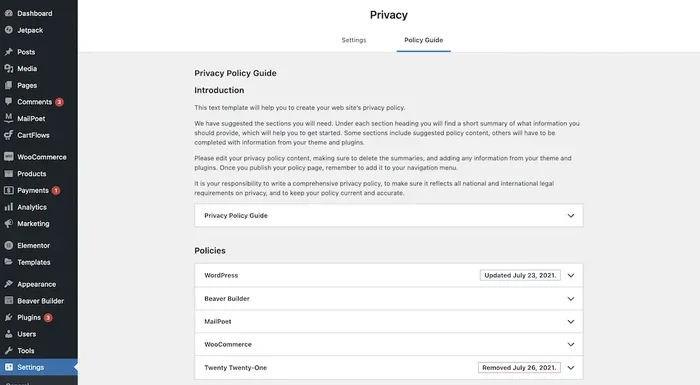
Your WordPress Privacy Policy Generator Made Simple
A wordpress privacy policy generator helps you create a legally compliant privacy policy quickly and easily, without needing a lawyer. Every WordPress website owner needs one to protect their site and build trust with visitors. These tools save time, ensure legal compliance, and keep your data collection practices transparent.
Running a WordPress site comes with a lot of responsibility. One of the most important tasks you will face is creating a privacy policy. Whether you run a blog, an online store, or a portfolio site, you need to tell your visitors how you collect, use, and store their data. But writing one from scratch can feel overwhelming. That is where a wordpress privacy policy generator comes in handy.
Think of it as a smart tool that does the heavy lifting for you. You answer a few simple questions, and the tool builds a complete, legally sound privacy policy tailored to your site. No legal degree required. In this guide, we will walk you through everything you need to know about using a privacy policy generator for your WordPress website. We will cover why it matters, how these tools work, what features to look for, and how to get yours up and running today.
Key Takeaways
- Easy Compliance: A wordpress privacy policy generator ensures your site meets GDPR, CCPA, and other legal requirements without manual drafting.
- Saves Time and Money: You can generate a complete policy in minutes instead of hiring an expensive attorney.
- Builds Visitor Trust: A clear, transparent privacy policy shows users you take their personal data seriously.
- Covers All Essentials: These tools include sections on cookies, data collection, third-party sharing, and user rights.
- Regular Updates Matter: Your privacy policy should evolve as your site grows and laws change.
- No Coding Required: Most generators work directly inside your WordPress dashboard with simple copy-paste setup.
📑 Table of Contents
- What Is a WordPress Privacy Policy Generator?
- Why Every WordPress Site Needs a Privacy Policy
- How a WordPress Privacy Policy Generator Works
- Key Features to Look For in a Privacy Policy Generator
- Steps to Create Your Privacy Policy With a Generator
- Common Mistakes to Avoid
- Expert Tips for a Winning Privacy Policy
- Final Thoughts
What Is a WordPress Privacy Policy Generator?
A wordpress privacy policy generator is an online tool that automatically creates a privacy policy document for your WordPress website. Instead of writing legal text yourself or paying a lawyer hundreds of dollars, you simply fill in details about your site and the tool generates a polished, compliant policy.
These generators ask you questions about your website. For example, they might ask what kind of data you collect, whether you use cookies, or if you share information with third parties. Based on your answers, the tool assembles a customized document that covers all the necessary legal bases.
The best part is that these tools are designed for people who are not lawyers. They use plain language and clear formatting so that both you and your visitors can understand the policy easily. A good privacy policy generator takes the guesswork out of legal compliance.
Why Do You Need One?
Almost every website collects some type of user data. Even a simple blog might collect IP addresses, browser information, or email addresses through comment forms or newsletter signups. Under laws like the General Data Protection Regulation (GDPR) in Europe and the California Consumer Privacy Act (CCPA) in the United States, you must inform users about this data collection.
Without a proper privacy policy, you risk legal trouble, fines, and loss of visitor trust. A wordpress privacy policy generator helps you avoid these risks by creating a document that meets current legal standards. It keeps your website compliant and your visitors informed.
Why Every WordPress Site Needs a Privacy Policy
You might wonder if a small blog really needs a privacy policy. The answer is yes. Any website that collects data needs one, and most WordPress sites collect more data than you might realize. Let us look at why having a privacy policy is essential for every WordPress site owner.
Legal Requirements and Compliance
Laws around data privacy have become stricter in recent years. The GDPR requires websites that serve European Union citizens to have a clear privacy policy. The CCPA does the same for California residents. Even if your audience is global, these laws can still apply to your site.
A wordpress privacy policy generator helps you meet these requirements without diving into complex legal jargon. It ensures your policy covers all the mandatory elements, such as:
- What personal data you collect
- How and why you collect it
- How long you store the data
- Who you share it with
- What rights users have over their data
- How users can request deletion of their data
Skipping any of these elements could leave your site vulnerable to complaints or penalties. Using a generator keeps you on the right side of the law.
Building Trust With Your Visitors
Internet users are more privacy-conscious than ever. When someone visits your site, they want to know that their personal information is safe. A clearly written privacy policy shows that you take data protection seriously.
Think about it from your own perspective. Would you trust a website that has no privacy policy? Probably not. A privacy policy generator helps you create a transparent document that reassures visitors and encourages them to engage with your content, sign up for your newsletter, or make a purchase.
Protecting Your Business
A privacy policy is not just about compliance and trust. It is also a legal shield for your business. If a user ever disputes how their data was handled, your privacy policy serves as evidence of what they agreed to. Without one, you have no documented basis for your data practices.
Using a wordpress privacy policy generator is one of the simplest and most cost-effective ways to protect your business from potential legal issues. It is a small investment of time that can save you from big headaches down the road.
How a WordPress Privacy Policy Generator Works
Understanding how these tools work can help you feel more confident about using one. The process is straightforward and user-friendly, even if you are not tech-savvy.
Step-by-Step Process
Most generators follow a similar workflow. Here is what you can typically expect:
- Answer Questions: You start by answering a series of questions about your website. These might include what type of site you run, what data you collect, and which third-party services you use.
- Customize Your Policy: Based on your answers, the tool generates a draft policy. You can usually review and edit the text to match your specific needs.
- Add the Policy to Your Site: Once you are happy with the content, you copy the generated policy and paste it into a new page on your WordPress site.
- Publish and Link: After publishing the page, make sure to link to it from your website footer, registration forms, and any data collection points.
The entire process usually takes less than 15 minutes. Some generators even offer WordPress plugins that automate the whole thing, so you never have to leave your dashboard.
What Information Do You Need to Provide?
To get the best results from a wordpress privacy policy generator, you should have some basic information ready. This includes details about your data collection methods, the tools and services you use, and how you handle user data.
For example, if you use Google Analytics on your site, the generator will need to know that so it can include the appropriate disclosures. Similarly, if you run an e-commerce store that processes payments through Stripe or PayPal, the tool will incorporate those details into the policy.
The more accurate your answers, the more effective your privacy policy will be. A good privacy policy generator guides you through each step so you do not miss anything important.
Key Features to Look For in a Privacy Policy Generator
Not all generators are created equal. Some are basic, while others offer powerful features that make the process smoother. Here are the key features you should look for when choosing a wordpress privacy policy generator.
GDPR and CCPA Compliance
The tool you choose should automatically include the clauses required by major privacy laws. Look for generators that are regularly updated to reflect changes in regulations. A static template that has not been updated in years will not protect you from new legal requirements.
Customization Options
Every website is different. Your privacy policy should reflect your specific data practices. Choose a generator that allows you to customize the text, add your own clauses, and tailor the document to your unique situation.
Cookie Policy Integration
Cookies are a big part of data collection on most websites. A quality privacy policy generator will include a dedicated section on cookie usage. It should explain what cookies are, which cookies your site uses, and how users can manage their cookie preferences.
Easy Integration With WordPress
The best generators make it simple to add the policy to your WordPress site. Some offer direct plugins, while others provide copy-paste code. Either way, the process should be quick and hassle-free. You do not want to struggle with technical setup when the whole point is simplicity.
Regular Updates
Privacy laws change frequently. A reliable generator keeps its templates up to date so you do not have to. Look for tools that notify you of changes or automatically update your policy when regulations shift.
Steps to Create Your Privacy Policy With a Generator
Now that you know what to look for, let us walk through the actual process of creating your privacy policy. These steps will help you get a polished, compliant document up on your site quickly.
Step 1: Audit Your Data Collection Practices
Before using any generator, take a few minutes to think about what data your site collects. Do you have a contact form that collects names and email addresses? Do you use analytics tools that track visitor behavior? Do you sell products and store shipping addresses?
Making a simple list of your data collection points will help you answer the generator’s questions accurately. This small prep step goes a long way toward creating a thorough and honest privacy policy.
Step 2: Choose the Right Generator
Pick a wordpress privacy policy generator that fits your needs. Look at the features we discussed above and choose one that offers compliance coverage, customization, and easy WordPress integration. Many generators offer free tiers that work well for most small to medium websites.
Step 3: Fill in Your Details
Go through the generator’s questionnaire and provide accurate information about your site. Be honest about what you collect and how you use it. If you are unsure about something, it is better to find out than to leave it out of your policy.
Step 4: Review and Edit
Once the generator creates your draft, read through it carefully. Make sure everything looks correct and that you are comfortable with the language. You can usually edit the text directly within the generator’s interface before finalizing.
Step 5: Add to Your WordPress Site
Create a new page on your WordPress site and title it “Privacy Policy.” Paste the generated content into the page editor and publish it. Then, add a link to this page in your site footer so visitors can always find it easily.
For better formatting and readability, you might want to use a capitalize generator tool to ensure consistent capitalization throughout your policy text, especially for section headings and legal terms. This small touch adds a professional finish to your document.
Step 6: Maintain and Update Regularly
Your privacy policy is not a set-it-and-forget-it document. As your site grows and you add new features or tools, you should update your policy accordingly. Set a reminder to review your privacy policy every few months to make sure it stays accurate and compliant.
Common Mistakes to Avoid
Creating a privacy policy is straightforward, but there are some common pitfalls that website owners fall into. Avoiding these mistakes will help you create a policy that truly protects you and your visitors.
- Using a Generic Template: A one-size-fits-all template will not cover your specific data practices. Always customize your policy to reflect your actual website operations.
- Forgetting to Update: Laws change, and your site evolves. An outdated privacy policy can do more harm than good. Review and update regularly.
- Hiding the Policy: Your privacy policy should be easy to find. Burying it deep in your site or using tiny text defeats the purpose of transparency.
- Being Vague About Data Collection: Be specific about what you collect and why. Vague language can lead to misunderstandings and potential legal issues.
- Ignoring Third-Party Tools: If you use analytics, advertising pixels, or external services, your policy must disclose them. A good wordpress privacy policy generator will prompt you to include these details.
Another mistake is treating your privacy policy as a one-time task. Think of it as a living document that grows with your website. When you add new features, tools, or data collection methods, update your policy to reflect those changes.
Expert Tips for a Winning Privacy Policy
Creating a privacy policy is one thing. Creating one that really works is another. Here are some expert tips to make your policy stand out.
Keep It Simple and Clear
Your visitors are not lawyers. Write your privacy policy in plain, everyday language. Avoid dense legal paragraphs that nobody wants to read. A clear policy builds trust and shows that you respect your users’ time and intelligence.
Use Clear Headings and Sections
Break your policy into well-labeled sections. Use headings like “What Data We Collect,” “How We Use Your Data,” and “Your Rights.” This makes the policy scannable and easy to navigate.
Include Contact Information
Tell users how they can reach you with privacy-related questions or concerns. Include an email address or a contact form. This shows accountability and makes it easy for users to exercise their rights.
Link to Your Cookie Policy
If your site uses cookies, consider creating a separate cookie policy page. A meta tag generator tool can help you ensure your cookie consent notices are properly implemented in your site’s HTML, which complements your privacy policy nicely.
Make It Easy to Access
Place a link to your privacy policy in your website footer, in your registration forms, and near any data collection points. The easier it is to find, the more professional your site will appear.
Final Thoughts
A wordpress privacy policy generator is one of the simplest and most valuable tools you can use for your website. It saves you time, money, and stress while keeping your site legally compliant and your visitors informed. Whether you are a beginner blogger or an experienced site owner, taking the time to create a proper privacy policy is one of the best decisions you can make.
Do not wait until a legal issue forces your hand. Take action today. Choose a reliable generator, answer a few questions, and have a professional privacy policy live on your site within minutes. Your visitors and your business will thank you for it.
Remember, your privacy policy is more than a legal formality. It is a promise to your users that you value their trust and take their privacy seriously. A well-crafted policy sets the foundation for a positive, transparent relationship with everyone who visits your WordPress site.
Frequently Asked Questions
Do I really need a privacy policy if my WordPress site is small?
Yes, you do. Even small websites collect data, such as IP addresses, email addresses, or browser information. Most privacy laws apply to any website that collects personal data, regardless of size. Using a wordpress privacy policy generator makes it easy to create one, even for the smallest site.
Can I use a free privacy policy generator for my WordPress site?
Absolutely. Many free generators produce solid, compliant privacy policies. However, paid options often offer more customization, regular updates, and better integration with WordPress. Choose the one that fits your needs and budget best.
How often should I update my privacy policy?
You should review your privacy policy at least every few months or whenever you make significant changes to your site. If you add new data collection tools, change your services, or update your privacy practices, revise your policy accordingly to stay compliant.
Will a privacy policy generator cover GDPR and CCPA requirements?
Most modern generators are designed to cover both GDPR and CCPA requirements. They include the necessary clauses and disclosures for each regulation. However, you should always review the generated policy to make sure it addresses your specific audience and data practices.
Can I edit the privacy policy after the generator creates it?
Yes, you can and should. Generators provide a starting point, but you should review and customize the text to match your exact data practices. Editing ensures your policy is accurate and fully reflects how your WordPress site operates.
Where should I place my privacy policy link on my WordPress site?
The best practice is to add a link in your site footer so it is visible on every page. You should also include it in user registration forms, checkout pages, and any location where you collect personal data. This makes the policy easy to find for both visitors and regulators.