2200 Watt Generator What Will It Run The Full Guide
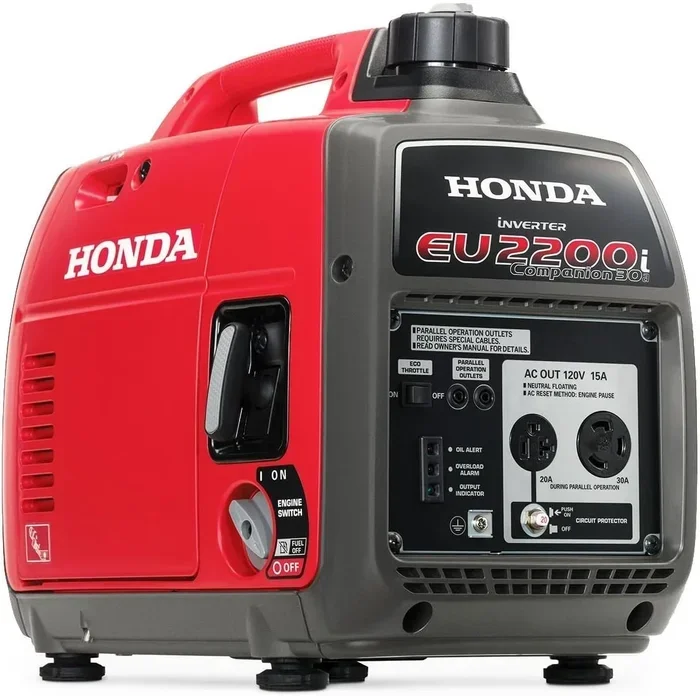
A 2200 watt generator is a versatile and popular choice for backup power, camping trips, and job sites. It can run essential household appliances like refrigerators, lights, and small tools, but it has clear limits. This guide explains exactly what a 2200 watt generator can and cannot handle, how to calculate your power needs, and tips to get the most from your unit.
A 2200 watt generator sits in that sweet spot of being portable yet powerful enough to keep your essentials running. Whether you are prepping for a storm, heading out camping, or need backup power for your tools, this size generator is a go-to choice for many homeowners. But the big question everyone asks is simple: what exactly can a 2200 watt generator run?
The answer depends on a few things. The type of appliances you want to power, the starting watts they need, and how long you plan to run them all matter. In this guide, we break it all down so you know exactly what to expect from your 2200 watt generator. No guesswork. No confusion. Just clear, practical info you can use right away.
## Understanding 2200 Watt Generator Power Output
Before we list what a 2200 watt generator can run, you need to understand how power output works. Not all watts are created equal, and confusing running watts with starting watts is the most common mistake people make.
### Running Watts vs Starting Watts
Every appliance has two power numbers. The first is running watts, which is the continuous power needed to keep the appliance running. The second is starting watts, also called surge watts. This is the extra power an appliance needs for a brief moment when it first turns on.
A 2200 watt generator typically delivers around 1800 running watts and 2200 starting watts. That means you can run things continuously at 1800 watts, and the extra 400 watts handle the brief surge when something kicks on. This distinction is critical when planning what to plug in.
### How Generator Wattage Is Measured
Generator wattage is measured in watts or kilowatts. One kilowatt equals 1000 watts. So a 2200 watt generator is about 2.2 kilowatts. For comparison, a typical home central air conditioner needs around 5000 starting watts. That means a 2200 watt unit simply cannot handle a full-size AC unit.
The generator power output also depends on fuel type. Propane and gasoline models both come in this size range. Natural gas generators sometimes offer a slightly different output curve. If you want to know more about fuel consumption, check out our article on how much natural gas a generator uses.
## What Appliances Can a 2200 Watt Generator Run
This is the part most people care about. Here is a clear breakdown of what a 2200 watt generator can handle and what it cannot.
### Household Essentials
A 2200 watt generator is great for keeping basic household items running during a power outage. Here are common items and their approximate wattage needs:
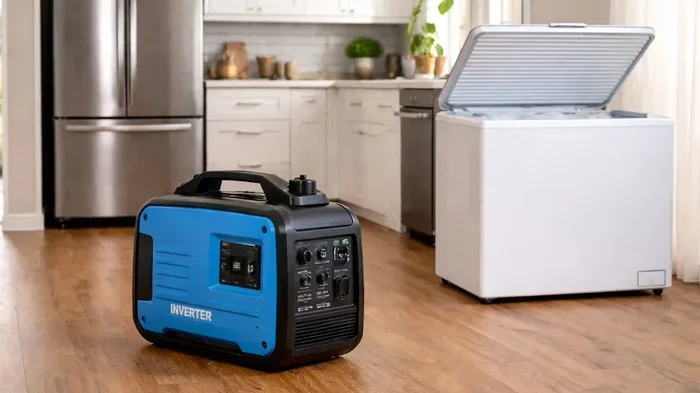
- Refrigerator: About 700 running watts, 2200 starting watts. A 2200 watt generator can handle this, but you need to be careful about other loads.
- Lights (LED): Each bulb uses 10-15 watts. You can run 10-20 LED lights easily.
- Television: Most modern TVs use 100-300 watts. No problem at all.
- Laptop: Around 50-100 watts. Very easy to power.
- Phone Charger: About 5-10 watts. Negligible load.
- Fan: A box fan uses about 200 watts. A ceiling fan is even less.
- Microwave: Around 1000 running watts, 1200 starting watts. This takes a big chunk of your capacity.
The key is to add up the watts of everything you want to run at the same time. If your refrigerator needs 700 watts and you add a microwave at 1000 watts, you are already at 1700 running watts. That leaves only 100 watts for anything else.
### Tools and Equipment
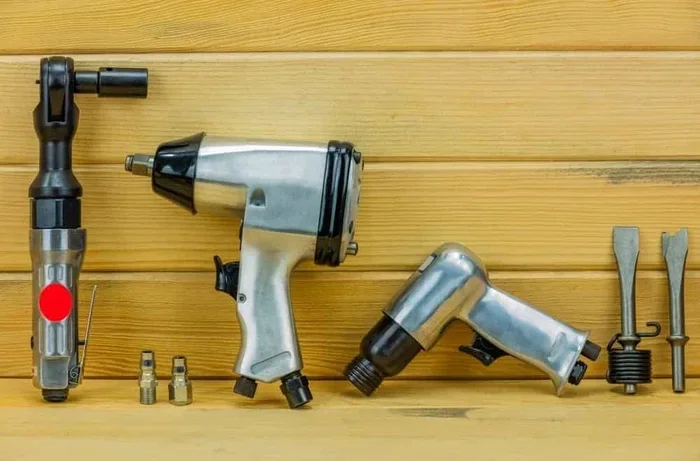
Many people use a 2200 watt generator for job sites or workshops. It can handle a range of small to medium power tools:
- Drill: About 500-600 watts. Easy.
- Circular Saw: Around 1400 starting watts. It works but leaves little room for other tools.
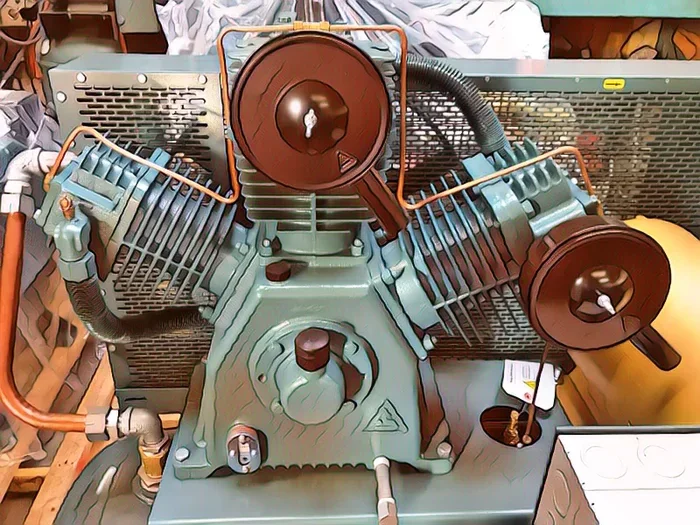
- Air Compressor (small): A small pancake compressor uses about 900-1000 starting watts. Check our guide on what size air compressor for a brad nailer for more details.
- Sander: Around 600-800 watts. No problem.
- Pressure Washer (small): About 1000-1400 starting watts. Manageable on its own.
The important thing is to never run everything at once. Prioritize the tools you need and stagger their use if possible.
### Camping and Outdoor Use
A 2200 watt generator is a popular choice for camping and tailgating. It is quiet enough for most campgrounds and powerful enough for:
- Camping lights and string lights
- Small portable grill igniter
- Phone and tablet charging stations
- Portable speaker systems
- Small electric blanket
- Coffee maker (about 800-1000 watts)
For longer trips, you might want to learn more about how long a generator battery lasts to plan your fuel stops.
## How to Calculate Your Power Needs
Knowing what a 2200 watt generator can run is only half the battle. You also need to know how to calculate your actual power needs. This step keeps you from overloading the unit.
### Step 1: List Everything You Want to Run
Write down every appliance or tool you plan to run at the same time. Include the running watts and starting watts for each item. You can usually find these numbers on the appliance label or in the owner manual.
### Step 2: Add Up the Running Watts
Start by adding all the running watts together. This tells you the baseline power draw. If your total exceeds 1800 running watts, you need to rethink your setup.
### Step 3: Check the Starting Watts
Look at the highest starting watt item on your list. Add that surge number to your running total. If it exceeds 2200 watts, the generator will trip or fail to start that appliance.
### Step 4: Add a Safety Buffer
Always leave about 10-20% buffer. Running a generator at full capacity for long periods shortens its lifespan. A 2200 watt generator works best when loaded to about 80-90% of its capacity.
### Quick Tip
If you are unsure about your appliance wattage, use a kill-a-watt meter. It plugs into the wall and measures exact power usage. This simple tool takes the guesswork out of your load calculations.
## Tips for Getting the Most From Your 2200 Watt Generator
A 2200 watt generator can last for years if you take care of it. Here are some practical tips to maximize performance and lifespan.
### Keep the Load Balanced
Do not plug everything into one outlet or one power strip. Spread the load across available outlets to keep the electrical system balanced. This also reduces the risk of tripping a breaker.
### Use Energy-Efficient Appliances
LED lights use a fraction of the power that incandescent bulbs use. A modern refrigerator uses less wattage than an older model. Choosing energy-efficient appliances gives you more room on your generator for other devices.
### Store Fuel Properly
Gasoline degrades over time. Use fresh fuel and add a fuel stabilizer if you plan to store the generator for more than a month. This prevents starting problems when you need the generator most.
### Run the Generator Regularly
Even if you do not need it often, start the generator every few months and let it run for 15-20 minutes. This keeps the engine lubricated and the battery charged. For more on testing your unit, see our generator testing guide.
### Consider the Fuel Type
Gasoline generators are the most common in this size range. Propane models burn cleaner and store longer. Some dual-fuel models let you switch between the two. Your choice affects runtime, cost, and maintenance.
## Common Mistakes to Avoid
Even with the best intentions, people make mistakes with their generators. Here are the most common ones and how to avoid them.
### Overloading the Generator
This is the number one mistake. Plugging in too many high-wattage appliances at once will trip the generator or damage connected devices. Always do the math before you start.
### Running It Indoors
A generator produces carbon monoxide, which is deadly. Never run a 2200 watt generator inside your home, garage, or tent. Always place it outside in a well-ventilated area, away from windows and doors.
### Ignoring Maintenance
Skipping oil changes, air filter cleaning, and spark plug checks leads to poor performance. A well-maintained generator starts reliably and runs efficiently.
### Using Extension Cords That Are Too Thin
Thin extension cords create resistance and can overheat. Use heavy-duty cords rated for the wattage you are pulling. A 12-gauge cord is a good choice for most 2200 watt setups.
### Forgetting About Runtime
A 2200 watt generator typically runs 8-10 hours on a full tank at 50% load. If you need all-day power, plan for refueling breaks. Running the tank dry can damage the carburetor.
## Final Thoughts
A 2200 watt generator is a reliable, affordable, and practical choice for most backup power needs. It handles household essentials, small tools, and outdoor gear with ease. The key is understanding its limits and planning your power use carefully.
Do not expect it to run your entire house or power-hungry appliances like central air or electric water heaters. But for lights, refrigeration, phone charging, and small tools, it delivers exactly what you need.
Take the time to calculate your load, choose energy-efficient devices, and maintain the unit regularly. A little planning goes a long way in getting the best performance from your generator.
If you are still deciding on the right size, our article on how big of a backup generator do I need can help you find the perfect fit for your situation.
Key Takeaways
- Running watts vs starting watts: A 2200 watt generator has about 1800 running watts and 2200 starting watts, which affects what it can power.
- Essential appliances it can run: Refrigerators, lights, fans, TVs, and small power tools are all within its capacity.
- Heavy appliances to avoid: Air conditioners, large heaters, and electric stoves will exceed its limits.
- Load calculation matters: Always add up the wattage of everything you plan to run before starting the generator.
- Fuel efficiency is key: A 2200 watt unit runs efficiently but will need refueling every 6-10 hours depending on load.
- Safety first: Never overload the generator or use it indoors due to carbon monoxide risks.
Frequently Asked Questions
Can a 2200 watt generator run a refrigerator?
Yes, a 2200 watt generator can run a standard refrigerator. A typical fridge uses about 700 running watts and 2200 starting watts. Just make sure nothing else is drawing power when the compressor kicks on, or the generator may trip.
What size generator do I need to run a house?
A 2200 watt generator is not large enough to power an entire house. It works well for essential items like lights, a fridge, and a few appliances. For full-house coverage, you would need a generator rated at 5000 to 7500 watts or more. Check out our guide on backup generator sizing for more details.
How long can a 2200 watt generator run continuously?
Most 2200 watt generators run for 8 to 10 hours on a full tank at 50% load. At higher loads, runtime drops significantly. Always monitor your fuel level and refuel before the tank runs dry to protect the engine.
Can I use a 2200 watt generator for camping?
Absolutely. A 2200 watt generator is a great size for camping. It powers lights, charges devices, runs a small fan, and even handles a coffee maker. Just check your campground rules about generator use, as some have noise restrictions.
What is the difference between running watts and starting watts?
Running watts are the continuous power needed to keep an appliance running. Starting watts are the extra power needed for a brief moment when the appliance first turns on. A 2200 watt generator provides about 1800 running watts and 2200 starting watts. This difference is why you need to plan your load carefully.
Is a 2200 watt generator loud?
It depends on the model. Many modern 2200 watt generators are designed to be quiet, producing around 50-60 decibels at a distance. Inverter generators in this size range are especially quiet and suitable for residential areas and campgrounds.