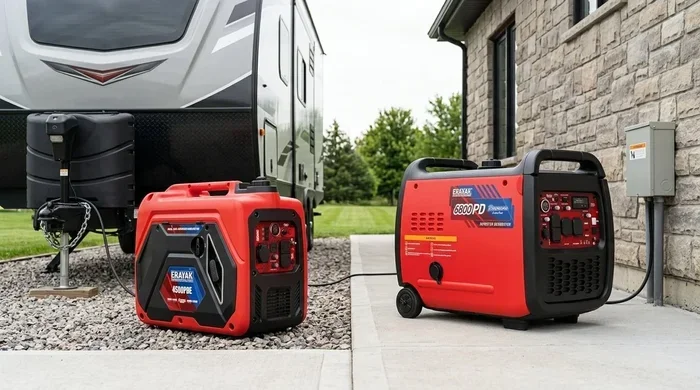
30 Amp Generator Guide Everything You Need to Know
A 30 amp generator is a powerful, portable power solution perfect for camping trips, tailgating events, and backup power during unexpected outages. This guide covers everything you need to know, including wattage capacity, fuel types, safety features, and how to choose the right 30 amp generator for your specific needs. Whether you are a beginner or a seasoned buyer, you will find practical tips and expert advice to make a confident, informed purchase.
Key Takeaways
- A 30 amp generator delivers up to 3,600 watts, enough for essential appliances and electronics.
- Match your 30 amp generator size to your actual power needs to avoid overloading.
- Portable 30 amp generators work best for RVs, camping, and temporary backup power.
- Choose inverter 30 amp generators for cleaner power and better fuel efficiency.
- Use parallel kits to double output by connecting two 30 amp generators together.
- Regular maintenance keeps your 30 amp generator running safely and reliably for years.
📑 Table of Contents
What Is a 30 Amp Generator and Why Do You Need One
A 30 amp generator is a portable power machine that delivers up to 30 amps of electrical current. It typically produces around 3,600 watts of power on a 120-volt circuit. This makes it a solid choice for homes, RVs, job sites, and outdoor events where you need reliable electricity.
If you have ever faced a power outage or needed electricity in a remote area, you know how frustrating it can be. A 30 amp generator solves that problem quickly. It gives you enough juice to run essential appliances without the bulk and cost of a larger standby unit.
Many people choose a 30 amp generator because it strikes the perfect balance between power and portability. You get enough output to keep your fridge running, charge your devices, and power tools. At the same time, it is light enough to move around without needing a trailer or a team of helpers.
Think of a 30 amp generator as the Goldilocks option. It is not too small and not too big. It just right for most everyday power needs. Whether you are camping, working on a construction site, or preparing for storm season, this size generator covers a lot of ground.
Now, you might wonder how a 30 amp generator compares to other sizes. A 20 amp unit will leave you wanting more power. A 50 amp unit gives you more but costs more and weighs more. The 30 amp sweet spot hits a happy medium that works for a wide range of situations.
How to Choose the Right 30 Amp Generator for Your Needs
Calculate Your Power Needs First
Before you buy any 30 amp generator, take a moment to list what you want to power. Write down each appliance or tool and check its wattage label. Add them all up to get your total power need.
Here is a quick way to think about it:
- Refrigerator: around 700 watts
- Microwave: around 1,000 watts
- Lights (4 bulbs): around 200 watts
- Phone charger: around 25 watts
- Small TV: around 100 watts
When you add these up, you get roughly 2,025 watts. A 30 amp generator with 3,600 watts gives you plenty of headroom. That extra capacity, called surge capacity, handles the initial power spike when motors start up.
Fuel Type Matters a Lot
Most 30 amp generators run on gasoline, propane, or dual fuel. Gasoline is easy to find and store. Propane burns cleaner and lasts longer on the shelf. Dual fuel models let you switch between the two, which gives you flexibility when fuel options are limited.
If you want to know more about fuel consumption, check out our guide on how much natural gas a generator uses. It helps you estimate costs and plan your fuel supply ahead of time.
Consider Portability and Weight
A 30 amp generator usually weighs between 50 and 100 pounds. That is manageable for most people to load into a truck or SUV. Look for models with wheels and a folding handle. These small design choices make a big difference when you are moving the unit around.
If you plan to use your generator for RV trips or camping, weight matters even more. You do not want to struggle loading and unloading every time you travel. Pick a model that balances power with easy transport.
Top Features to Look For in a 30 Amp Generator
Inverter Technology for Clean Power
Not all generators produce the same quality of electricity. Inverter 30 amp generators adjust their engine speed to match the load. This means cleaner, more stable power that is safe for sensitive electronics like laptops and smartphones.
Conventional generators run at full speed all the time. They are louder and less fuel efficient. Inverter models are quieter and often include THD (Total Harmonic Distortion) ratings below 3%. That is safe for virtually all electronics you would want to plug in.
Runtime and Fuel Tank Size
Runtime is how long a generator runs on a single tank of fuel. A good 30 amp generator should give you at least 8 to 12 hours on a half load. Some models push closer to 15 hours, which is great for overnight use during a storm.
Here is a quick comparison of what to expect:
| Generator Type | Avg. Runtime (Half Load) | Fuel Tank Size | Noise Level |
|---|---|---|---|
| Conventional 30 Amp | 8-10 hours | 1-3 gallons | 65-75 dB |
| Inverter 30 Amp | 10-15 hours | 1-2 gallons | 50-65 dB |
| Dual Fuel 30 Amp | 10-12 hours | 1-4 gallons | 60-70 dB |
Outlet Options and Connectivity
Look for a 30 amp generator that offers multiple outlet types. You want at least one 30-amp twist-lock outlet for heavy loads. Standard 120V outlets let you plug in everyday devices. Some models even include USB ports for direct phone charging.
Having a variety of outlets means you do not need a bunch of extension cords and adapters. Everything plugs in directly, which is safer and more convenient.
Common Uses for a 30 Amp Generator
Home Backup During Outages
A 30 amp generator is excellent for keeping your home running during a blackout. It can power your refrigerator, furnace blower, sump pump, and a few lights. You will not be able to run everything at once, but you can keep the essentials going.
If you are unsure about what size backup you need, our article on how big of a backup generator do I need walks you through the sizing process step by step.
RV and Camping Adventures
For RV owners, a 30 amp generator is often the perfect match. Many RVs come with a 30 amp electrical hookup. This means your generator can power the same systems as a campground outlet. You get air conditioning, microwave, and all your daily essentials on the road.
Campers love inverter models because they run quietly. Nobody wants a loud generator ruining the peace of a beautiful forest campsite. Modern inverter 30 amp generators are so quiet that you might forget they are running.
Job Site Power
Contractors and tradespeople rely on generators every day. A 30 amp generator can power circular saws, drills, air compressors, and lighting systems. It is compact enough to fit in a truck bed but powerful enough to handle real work.
For job sites, fuel efficiency is key. You do not want to burn through multiple tanks in a single workday. Look for models with good fuel economy and easy access to the oil dipstick and air filter for quick maintenance on the go.
Maintenance Tips to Keep Your 30 Amp Generator Running Strong
Regular Oil Changes
Just like a car engine, the engine inside your 30 amp generator needs clean oil. Change the oil after the first 20 hours of use, then every 100 hours after that. Fresh oil keeps the engine running smooth and prevents premature wear.
Keep a spare bottle of the recommended oil in your storage area. This way, you are always ready for the next oil change without a trip to the store.
Fuel Storage and Stabilizer
Gasoline goes bad after about 30 days. If you plan to store your 30 amp generator for a while, use a fuel stabilizer. Add it to the tank before storage, and run the engine for a few minutes to circulate the treated fuel through the system.
Better yet, drain the fuel tank entirely if you will not use the generator for more than a few months. Stale fuel is the number one cause of starting problems. A little prevention saves you a lot of frustration later.
Battery Care and Testing
If your 30 amp generator has an electric start, the battery needs attention. Keep it charged and clean. Check the terminals for corrosion every few months. A dead battery means you are pulling the recoil cord in an emergency, and nobody wants that.
If you are curious about battery life in generators, our piece on how long a generator battery lasts has helpful tips on extending battery life through proper care and storage habits.
Run Your Generator Monthly
Here is a tip that many people overlook. Start your 30 amp generator at least once a month and let it run for 15 to 20 minutes. This keeps the engine lubricated, the battery charged, and the fuel system fresh. It also gives you a chance to spot small problems before they become big ones.
Think of it like starting your car in winter. Regular use keeps everything in working order. A generator that sits unused for months is more likely to fail when you actually need it most.
Final Thoughts on Choosing a 30 Amp Generator
A 30 amp generator is one of the most versatile power tools you can own. It handles home backup, RV trips, job sites, and outdoor events with ease. The key is to match the generator to your specific needs. Calculate your power load, choose the right fuel type, and prioritize features like inverter technology and runtime.
Do not forget to maintain your unit properly. Regular oil changes, fuel stabilizer use, and monthly test runs will keep your generator reliable for years. A well-maintained 30 amp generator can last a decade or more with proper care.
For broader guidance on generator testing and performance checks, you might find our generator testing article useful. It covers essential diagnostic steps that help you get the most out of any generator.
Take your time when shopping. Compare models, read reviews, and think about where and how you will use the generator. The right 30 amp generator gives you peace of mind, whether the power goes out or the campsite is miles from the nearest outlet. Invest wisely, maintain it well, and you will have reliable power whenever you need it.
Frequently Asked Questions
What can a 30 amp generator run?
A 30 amp generator can power a wide range of household appliances and tools. You can typically run items like a refrigerator, microwave, lights, fans, and small power tools simultaneously. Just make sure your total wattage stays within the generator’s capacity to avoid overloading it.
How many watts does a 30 amp generator produce?
A 30 amp generator running at 120 volts produces approximately 3,600 watts. Some models offer higher voltage options that can push output closer to 7,200 watts at 240 volts. Always check the specification label on your specific unit for exact numbers.
Can I run a 30 amp generator on a 30 amp circuit?
Yes, you can connect a 30 amp generator to a matching 30 amp circuit using the proper locking plug. Make sure the generator is rated for the load you plan to draw. Using an adapter or undersized cord can create safety hazards, so always match the amperage ratings.
What is the difference between a 30 amp and 50 amp generator?
A 30 amp generator is ideal for smaller homes, camping trips, or running a few essential appliances at a time. A 50 amp generator delivers more power and can handle larger loads like central air conditioning or multiple heavy-duty tools. Choose based on your actual power needs and budget.
Is a 30 amp generator enough for an RV?
Many RV owners use a 30 amp generator successfully, especially for smaller rigs or partial hookups. It handles basic needs like lighting, refrigeration, and charging devices just fine. However, if you want to run the air conditioner alongside other appliances, you may need to manage your energy usage carefully.
How long can a 30 amp generator run continuously?
Most 30 amp generators can run between 8 and 20 hours on a full tank of fuel, depending on the load and model. Portable units typically run shorter, while inverter generators often provide more efficient and longer-lasting performance. For extended use, refueling during off-peak hours is a smart strategy.