Does a Whole House Generator Add Value to Your Home
A whole house generator can significantly increase your home’s value by offering reliable backup power and energy independence. Many homebuyers view standby generators as a must-have feature, especially in areas prone to outages. Installing a whole house generator protects your comfort, appliances, and property, making it a smart long-term investment for homeowners.
Power outages are more than just an inconvenience. They can ruin food, damage sensitive electronics, and make your home uncomfortable for days. If you live in an area that experiences frequent blackouts, you have probably wondered whether a whole house generator adds value to your home. The short answer is yes. But the full picture is much more interesting than a simple yes or no.
A whole house generator does more than keep the lights on. It can improve your property’s marketability, protect your investment, and even lower your insurance costs. Whether you are planning to sell soon or just want to enjoy a more comfortable lifestyle, a standby generator is one of the smartest upgrades you can make. In this guide, we will break down exactly how a whole house generator impacts your home’s value, what to expect during installation, and why so many homeowners consider it a game-changer.
Let us dive into the real-world benefits of owning a backup power system. By the end, you will have a clear picture of whether this investment makes sense for your home and your budget.
Key Takeaways
- Boosts resale value: Homes with standby generators often sell faster and at higher prices.
- Energy independence: You never have to worry about power outages disrupting daily life.
- Protects expensive appliances: A whole house generator keeps HVAC, refrigerators, and electronics safe during outages.
- Home insurance benefits: Some providers offer discounts for homes with backup power systems.
- High ROI potential: The cost of installation is often recovered and exceeded when selling the home.
- Peace of mind: Your family stays safe and comfortable no matter the weather or grid issues.
📑 Table of Contents
- What Is a Whole House Generator?
- How Does a Whole House Generator Increase Home Value?
- Factors That Determine How Much Value a Generator Adds
- Installation and Maintenance Considerations
- Other Benefits That Boost Home Value
- Common Mistakes to Avoid
- Is a Whole House Generator Worth the Investment?
- Final Thoughts on Adding Value with a Whole House Generator
What Is a Whole House Generator?
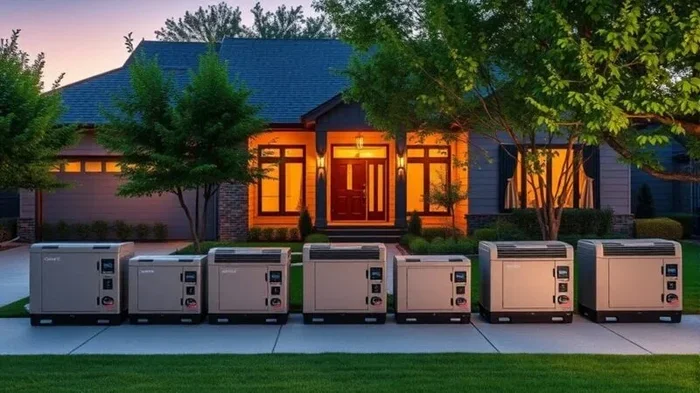
A whole house generator is a permanent backup power system that automatically kicks in when the electricity goes out. Unlike portable generators, these units are hardwired into your home’s electrical system. They run on natural gas or propane and can power everything from your lights to your HVAC system.
Most standby generators range from 7 kW to 24 kW in size. The right size depends on your home’s square footage and your power needs. A smaller unit might keep only the essentials running, while a larger one can handle the entire house. Many homeowners choose to install an automatic transfer switch that detects outages within seconds and starts the generator without any manual effort.
If you are curious about how generators work at a basic level, you might want to check out our guide on electrical generators first. It covers the fundamentals in simple terms and helps you understand what is happening under the hood.
How Does a Whole House Generator Increase Home Value?
The Resale Market Loves Backup Power
Real estate trends clearly show that buyers are willing to pay more for homes with backup power. A whole house generator signals to potential buyers that the home is move-in ready and protected against disruptions. In markets where storms, ice, or grid failures are common, a standby generator can be a major selling point.
Studies suggest that homes with backup generators sell up to 5% faster than comparable homes without one. That is a significant edge in a competitive market. Buyers also feel more confident making an offer when they know the home already has a reliable power outage protection system in place.
Think about it this way. When two similar homes are listed at the same price, but one has a whole house generator and the other does not, which one gets the offer first? The answer is pretty obvious.
Energy Independence and Cost Savings
Owning a standby generator gives you a degree of energy independence that many homeowners value highly. You are not at the mercy of the utility grid. During extended outages, your home keeps running smoothly. This independence is especially appealing to families who work from home or have children with medical needs that rely on electricity.
There are also practical cost savings to consider. A generator prevents food spoilage during long outages. It keeps your heating and cooling systems running, which protects your pipes from freezing in winter and keeps your home cool in summer. Over time, these savings add up and contribute to the overall value the generator brings to your property.
You might also be interested in learning about fuel usage. Our article on how much natural gas does a generator use offers helpful insights into operating costs and efficiency.
Factors That Determine How Much Value a Generator Adds
Not all generators add the same amount of value. Several factors come into play when determining how much a whole house generator boosts your home’s worth.
Generator Size and Capacity
The size of your generator matters a lot. A unit that is too small will only power a few essentials, which limits its appeal to buyers. A properly sized backup power system that covers the entire home sends a strong message about the quality of the installation. Most real estate experts recommend a generator that can handle at least 75% of your home’s electrical load.
Here are the typical sizes and what they can power:
- 7-10 kW: Lights, refrigerator, furnace, and a few outlets.
- 12-16 kW: Most essential circuits plus a window AC unit.
- 18-24 kW: Full home coverage including central air, water heater, and all major appliances.
Fuel Type and Availability
Natural gas and propane are the two most common fuel sources for whole house generators. Natural gas is often preferred because it connects directly to your home’s gas line, meaning you never need to refuel. Propane requires tank maintenance but offers reliable performance during extended outages. The fuel type you choose can influence buyer perception and long-term value.
Brand Reputation and Warranty
Buyers trust well-known brands. A generator from a reputable manufacturer with a solid warranty carries more weight than an unknown unit. When you install a whole house generator, keep your receipts and maintenance records. These documents prove to future buyers that the system has been well cared for.
Local Climate and Outage Frequency
Generators add the most value in areas prone to severe weather. If you live in a region with frequent storms, ice storms, or wildfire-related shutoffs, a standby generator is practically a necessity. In these markets, buyers actively seek homes with backup power already installed. In milder climates, the value boost may be smaller but still meaningful.
Installation and Maintenance Considerations
Professional Installation Matters
Installing a whole house generator is not a DIY project. It requires professional electrical and plumbing work to connect the unit safely to your home. A licensed technician will handle the generator placement, fuel line connection, and automatic transfer switch installation. Proper installation ensures safety, efficiency, and compliance with local building codes.
The average installation cost ranges from $3,000 to $15,000 depending on the generator size and complexity. While this is a significant upfront investment, the long-term return through increased home value and daily comfort makes it worthwhile.
Ongoing Maintenance Keeps It Running
Like any major home system, a generator needs regular maintenance. Annual inspections, oil changes, and battery checks keep the unit running smoothly. A well-maintained backup power system will last 20 to 30 years with proper care. This longevity adds to the value proposition for both current homeowners and future buyers.
If you want to learn more about generator longevity, our piece on how long does a generator battery last covers battery lifespan and maintenance tips in detail.
Quick Maintenance Tips
- Run the generator under load for 15-20 minutes monthly.
- Change the oil and filter according to the manufacturer’s schedule.
- Keep the unit clean and free of debris.
- Test the automatic transfer switch regularly.
- Store fuel properly if your unit uses propane.
Other Benefits That Boost Home Value
Home Insurance Discounts
Some insurance companies offer discounts for homes equipped with standby generators. The reasoning is simple. A whole house generator reduces the risk of damage during outages. Without power, pipes can freeze and burst, sump pumps can fail, and food can spoil. By mitigating these risks, a generator can lower your annual premiums. It is worth asking your insurance provider about potential savings.
Improved Home Comfort and Safety
A generator keeps your home comfortable year-round. During a winter outage, your furnace keeps running. In summer, your air conditioner stays on. This comfort factor is something that every homeowner appreciates and that buyers notice during showings.
Safety is another major benefit. A generator keeps your security systems, cameras, and smart home devices operational. It also prevents the dangers associated with using portable generators indoors, such as carbon monoxide poisoning. A whole house generator is a safer, cleaner, and more reliable alternative.
Appeal to Specific Buyer Demographics
Certain groups of buyers place a high value on backup power. Remote workers need uninterrupted internet and power. Families with young children or elderly members want to maintain a safe, comfortable environment. People with medical equipment at home consider a generator essential. By installing a standby generator, you broaden your potential buyer pool and make your home more attractive to these demographics.
Common Mistakes to Avoid
Buying and installing a generator is a big decision. Avoid these common pitfalls that can reduce the value it adds to your home.
- Choosing the wrong size: An undersized generator will not power your home adequately. Always get a professional load calculation before purchasing.
- Skipping the transfer switch: A manual transfer switch is inconvenient and less appealing to buyers. An automatic transfer switch is the standard for modern installations.
- Ignoring local regulations: Some areas have strict noise ordinances and placement rules. Check with your local permitting office before installation.
- Neglecting maintenance: A poorly maintained generator can actually hurt your home’s value if it fails during a showing or inspection.
- Overlooking fuel costs: While natural gas is convenient, propane may be more cost-effective in some areas. Research your options before committing.
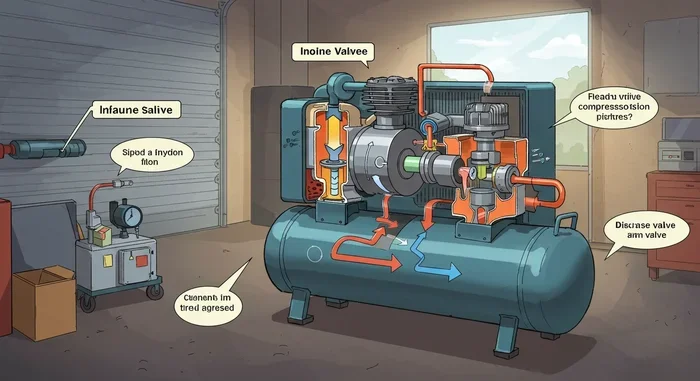
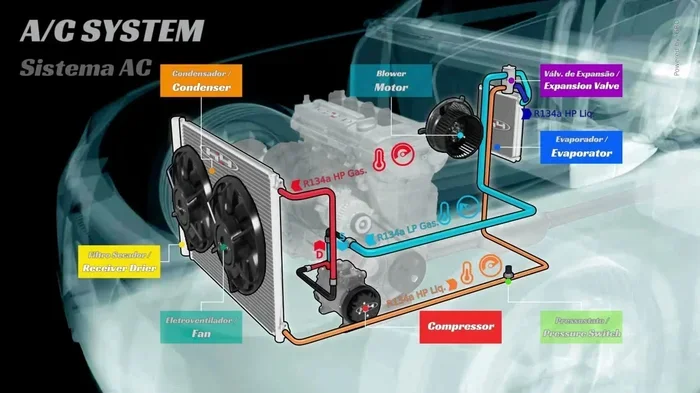
If you are also curious about related topics like compressors and how they work, check out our article on how a 2 stage compressor works. Understanding compressor mechanics can help you appreciate the engineering behind generator engines too.
Is a Whole House Generator Worth the Investment?
The short answer is yes for most homeowners. A whole house generator offers a rare combination of daily comfort, emergency protection, and long-term financial return. It is one of the few home upgrades that you enjoy every single day and that also pays off when you sell.
The exact return on investment varies by location, generator size, and local real estate market conditions. But the general consensus among real estate professionals is clear. Homes with backup power systems command higher prices, sell faster, and attract more serious buyers. In storm-prone regions, a generator is almost a prerequisite for a competitive listing.
Think of a whole house generator like a roof replacement or a new HVAC system. It is a major investment that protects your home and adds tangible value. The difference is that a generator also improves your daily quality of life every time the power flickers or goes out.
Final Thoughts on Adding Value with a Whole House Generator
So, does a whole house generator add value to your home? The evidence is clear. From faster resale times to higher sale prices, from insurance discounts to everyday comfort, the benefits are substantial and well-documented. A standby generator is not just a luxury. It is a practical, valuable addition that smart homeowners invest in.
Whether you are preparing your home for sale or simply want to enjoy greater peace of mind, a whole house generator delivers on every front. The key is to choose the right size, hire a professional for installation, and commit to regular maintenance. Do those things, and your generator will serve your family and your property well for decades to come.
If you are still on the fence, consider this. Power outages are not getting less frequent. Extreme weather events are on the rise. The grid is aging. A backup power system is no longer a nice-to-have. It is becoming a standard expectation for modern homeowners. Investing in a whole house generator today positions your home for the future.
Take the next step. Get a quote from a licensed installer in your area. Compare options. Ask questions. The more informed you are, the better decision you will make. And when the next storm rolls through and your neighbors are sitting in the dark, you will be glad you did.
Frequently Asked Questions
How much does a whole house generator cost to install?
Installation costs typically range from $3,000 to $15,000 depending on the generator size, fuel type, and complexity of the setup. Natural gas units tend to cost more upfront but save on fuel over time. Always get multiple quotes from licensed professionals in your area.
Will a whole house generator increase my home’s resale value?
Yes, most real estate experts agree that homes with standby generators sell for 3% to 5% more than comparable homes without one. In areas prone to power outages, the premium can be even higher. Buyers view backup power as a valuable and desirable feature.
How long does a whole house generator last?
With proper maintenance, a whole house generator can last 20 to 30 years. Regular oil changes, annual inspections, and monthly test runs all contribute to a long lifespan. Keeping up with the manufacturer’s maintenance schedule is the best way to protect your investment.
Can I install a whole house generator myself?
Professional installation is strongly recommended. A licensed technician ensures the unit is connected safely to your electrical and gas systems. DIY installations can void warranties, create safety hazards, and may not meet local building codes.
Does a generator increase home insurance premiums?
In most cases, a whole house generator can actually lower your premiums. Insurance companies view backup power as a risk-reducing feature. It protects against water damage from frozen pipes, food spoilage, and sump pump failure. Contact your provider to ask about available discounts.
What size generator do I need for my home?
The right size depends on your home’s square footage and electrical load. A 7-10 kW unit handles essentials, while 18-24 kW covers the entire house. A professional installer can perform a load calculation to recommend the perfect size for your needs.