What Can a 1800 Watt Generator Run and Power Devices
A 1800 watt generator can comfortably run essential household devices like lights, fans, laptops, TVs, and small kitchen appliances. It is a popular choice for camping, RV trips, and emergency backup power because of its compact size and reliable output. Understanding running watts versus starting watts helps you avoid overloading your generator and keeps your devices safe.
A 1800 watt generator sits in a sweet spot for many homeowners and outdoor enthusiasts. It is not too small to be useless, and it is not too big to be impractical. If you are wondering what a 1800 watt generator can actually run, you are in the right place.
People buy a 1800 watt generator for many reasons. Some need it for camping trips. Others want a backup power source during outages. Whatever your reason, knowing what this machine can handle makes a big difference. This guide breaks it all down in simple terms.
We will cover exactly which devices work, which do not, and how to get the best performance from your unit. You will learn about wattage basics, common appliance needs, and smart tips for using your generator safely. Let us dive in.
Key Takeaways
- A 1800 watt generator handles most essential household appliances and electronics with ease.
- Running watts and starting watts are different, and both matter when planning your power needs.
- Small kitchen appliances, lighting, and charging devices are perfect matches for this wattage.
- Camping, RV living, and emergency backup are the top use cases for a 1800 watt generator.
- You cannot power heavy-duty tools or large HVAC systems on a 1800 watt unit.
- Managing your total load and using energy-efficient devices helps you get the most out of your generator.
- An inverter 1800 watt generator offers cleaner power for sensitive electronics like laptops and phones.
📑 Table of Contents
- What a 1800 Watt Generator Can Power
- Running Watts vs Starting Watts Explained
- Common Appliances and Their Power Needs
- Best Uses for a 1800 Watt Generator
- What a 1800 Watt Generator Cannot Run
- How to Choose the Right Generator for Your Needs
- Tips to Get the Most from Your 1800 Watt Generator
- Key Takeaways
- Conclusion
What a 1800 Watt Generator Can Power
A 1800 watt generator delivers a specific amount of power output. That output determines which devices you can run at the same time. Most units in this category offer around 1800 running watts and a higher surge or starting watt rating.
So what can a 1800 watt generator run? The answer depends on the total wattage of the devices you want to use. Here are some common items this generator handles well:
- LED lights and lamps – These use very little power, often 10 to 60 watts each.
- Laptops and phone chargers – A laptop needs about 50 to 100 watts. A phone charger uses around 5 to 15 watts.
- Small TVs and monitors – A 32-inch LED TV draws roughly 30 to 55 watts.
- Box fans and personal fans – A standard box fan uses about 50 to 100 watts.
- Wi-Fi routers and modems – These typically use 5 to 20 watts.
- Small kitchen appliances – A microwave may need 600 to 1000 watts, a coffee maker around 600 to 1200 watts.
- CPAP machines – Most CPAP devices run on 30 to 90 watts.
- Power tools – A drill or small saw may need 500 to 1400 watts.
The key is to add up the wattage of everything you plan to run at once. If the total stays under 1800 running watts, you are good to go. Always leave a little headroom for safety.
Real-World Examples of 1800 Watt Generator Use
Let us look at a few real-world scenarios. These examples help you picture what a 1800 watt generator can do in everyday life.
Scenario 1: A Quiet Weekend at Home. You run two LED lamps (40 watts total), a laptop (60 watts), a small TV (40 watts), a Wi-Fi router (10 watts), and a box fan (50 watts). Total: about 200 watts. Your generator has plenty of room to spare.
Scenario 2: A Camping Trip. You power a camping lantern (25 watts), charge two phones (20 watts total), run a small speaker (30 watts), and use a portable fan (45 watts). Total: about 120 watts. A 1800 watt generator handles this easily and can run for hours on a single tank of fuel.
Scenario 3: A Power Outage at Home. You need to keep the lights on, charge your laptop, run a small space heater (1200 watts), and power a refrigerator (700 watts starting, 350 watts running). That totals around 1600 watts at peak. It is tight, but doable if you stagger startup times.
Running Watts vs Starting Watts Explained
Understanding the difference between running watts and starting watts is one of the most important things about using a 1800 watt generator. Many people confuse the two, and that confusion can lead to problems.
Running watts are the continuous power a generator can supply. This is what your devices need to stay on. A 1800 watt generator provides 1800 running watts of steady power output.
Starting watts (also called surge watts) are the extra power needed for a short burst. Motors in refrigerators, air conditioners, and power tools need a big boost to start up. After they are running, they settle back to their normal wattage.
Most 1800 watt generators offer around 2000 to 2200 starting watts. This surge capacity lets you start motor-driven appliances even though the running total stays under 1800 watts.
Why This Matters for Your Devices
If you try to start a refrigerator and a microwave at the same time on a 1800 watt generator, the starting surge may trip the breaker. The trick is to start heavy devices one at a time. Let the first device reach its running wattage before you start the next one.
This is especially important for devices with compressors or motors. A refrigerator compressor needs a big jolt of power to kick on. Once it is running, it uses much less. The same goes for window air conditioners and power tools.
Always check the starting wattage listed on the device label or manual. If you are not sure, a simple watt meter plugged into an outlet can tell you exactly what each device draws.
Common Appliances and Their Power Needs
Not all devices use the same amount of power. Some sip electricity while others drink it up. Here is a helpful breakdown of common household items and their typical wattage.
| Appliance | Running Watts | Starting Watts |
|---|---|---|
| LED Light Bulb | 8-12 | 0 |
| Laptop | 50-100 | 0 |
| Smartphone Charger | 5-15 | 0 |
| 32-inch LED TV | 30-55 | 0 |
| Box Fan | 50-100 | 0 |
| Wi-Fi Router | 5-20 | 0 |
| Coffee Maker | 600-1200 | 0 |
| Microwave Oven | 600-1200 | 0 |
| Refrigerator | 350-400 | 700-1200 |
| Window AC Unit | 500-1400 | 1500-2000 |
| Drill (Electric) | 500-1400 | 0 |
| Space Heater | 1000-1500 | 0 |
| CPAP Machine | 30-90 | 0 |
As you can see, a 1800 watt generator handles most small to medium appliances easily. Heavy items like window AC units or space heaters take up a big chunk of your capacity. You may only be able to run one of these at a time.
Quick Tips for Calculating Your Power Needs
Before you plug anything in, do a quick calculation. Make a list of every device you want to run. Write down the running watts for each. Add them up. If the total is under 1800, you are within safe limits.
Do not forget to check starting watts for motor-driven devices. If two motor devices start at the same time, their combined surge could exceed your generator’s capacity. Stagger their startup to avoid tripping the breaker.
A portable watt meter is a cheap and handy tool. Plug it into an outlet and then plug your device into the meter. It shows you real-time power draw. This helps you make smart decisions about what to run together.
Best Uses for a 1800 Watt Generator
A 1800 watt generator shines in specific situations. It is not a heavy-duty workhorse, but it is a reliable companion for many everyday needs. Here are the best use cases.
Emergency Backup Power at Home
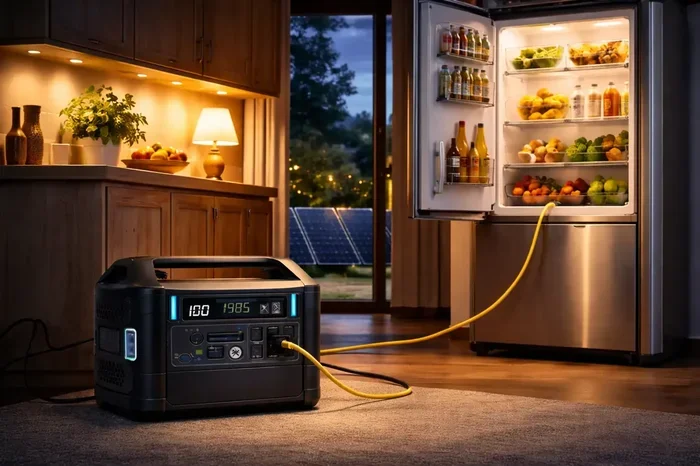
When the power goes out, a 1800 watt generator keeps the essentials running. You can power lights, charge your phone, run a refrigerator, and operate a few small appliances. It is not meant to power your entire house, but it covers the basics well.
Focus on what matters most during an outage. Keep the fridge running so food does not spoil. Run a few lights for safety and comfort. Charge communication devices so you can stay connected. A 1800 watt generator handles this mix without breaking a sweat.
Camping and Outdoor Adventures
Campers love a 1800 watt generator because it is portable and quiet. Many models in this range are designed for low noise operation. You can power camping lights, a small cooking appliance, a phone charger, and a speaker without any issues.
Unlike larger generators that are hard to transport, a 1800 watt unit is lightweight and compact. You can carry it to a campsite with ease. It fits in most SUV trunks and even some larger backpacks with proper carrying cases.
RV and Travel Trailer Power
RV owners often choose a 1800 watt generator for dry camping. It provides enough power to run a roof fan, LED lights, a microwave, and charge batteries. It is a great balance between power and portability.
Many RV parks provide shore power, but a generator gives you freedom to camp off-grid. A 1800 watt unit lets you enjoy the comforts of home while exploring remote locations.
Small Worksite Power
For light construction or DIY projects, a 1800 watt generator works well. You can power small power tools like drills, saws, and sanders. It also runs work lights and charges battery-powered tools between uses.
It is not strong enough for heavy equipment like table saws or compressors, but for basic tasks, it gets the job done quietly and efficiently.
What a 1800 Watt Generator Cannot Run
It is just as important to know what a 1800 watt generator cannot handle. Trying to power devices beyond its capacity can damage the generator and your appliances.
Here are some items that are too power-hungry for a 1800 watt unit:
- Central air conditioning systems – These need 3000 to 5000 watts to start and run.
- Electric water heaters – Most need 3000 to 4500 watts.
- Electric clothes dryers – These pull 1800 to 5000 watts.
- Electric ovens or ranges – A typical oven needs 2000 to 5000 watts.
- Large well pumps – These can require 2000 to 3000 watts or more.
- Heavy-duty table saws – Industrial saws often need 2000+ watts.
Trying to run these devices on a 1800 watt generator will overload the unit. The circuit breaker will trip, or worse, the generator could sustain damage. Always check the wattage requirements of any device before plugging it in.
How to Choose the Right Generator for Your Needs
Not all 1800 watt generators are the same. When shopping, look for a few key features that make a real difference in performance and usability.
Inverter vs Conventional Generators
An inverter generator produces cleaner, more stable power. This is important for sensitive electronics like laptops, phones, and TVs. A conventional generator produces rougher power that can harm delicate circuits over time.
For a 1800 watt generator, an inverter model is usually the better choice. It costs a bit more, but the cleaner power output protects your devices and runs more quietly.
Fuel Type and Efficiency
Most 1800 watt generators run on gasoline, but some models use propane or dual fuel. Gasoline is easy to find and store. Propane burns cleaner and has a longer shelf life. Dual-fuel models give you flexibility.
Fuel efficiency matters a lot if you plan to use the generator for long periods. Look for models that offer 8 to 12 hours of run time on a single tank. This lets you sleep or work without constantly refueling.
Noise Level
Nobody wants a loud generator ruining a quiet campsite or keeping them awake during a power outage. Many modern 1800 watt generators operate at 50 to 65 decibels. That is about as loud as a normal conversation. Check the noise rating before you buy.
Portability and Weight
A 1800 watt generator is already on the lighter side, but some models are easier to move than others. Look for built-in handles and, if possible, wheels. A unit that weighs 40 to 60 pounds is easy to carry for most people.
Tips to Get the Most from Your 1800 Watt Generator
Getting the best performance from your generator is not hard. A few simple habits can extend its life and keep your devices safe.
- Read the owner’s manual. Every generator has specific operating instructions. Following them keeps your warranty valid and your unit running smoothly.
- Never exceed the rated wattage. Overloading causes overheating and can damage both the generator and your appliances.
- Use a watt meter. This small device helps you track exactly how much power each device uses. It takes the guesswork out of managing your load.
- Run the generator on a level surface. This ensures proper oil circulation and prevents damage to internal components.
- Keep it outdoors. Always operate a generator outside or in a well-ventilated area. Carbon monoxide from exhaust is deadly and has no smell.
- Let it cool before refueling. Spilling fuel on a hot engine can cause a fire. Wait at least 10 minutes after shutdown.
- Perform regular maintenance. Change the oil, check the air filter, and inspect the spark plug regularly. A well-maintained generator lasts much longer.
Expert Insight: Maximizing Fuel Efficiency
Running only the devices you need saves fuel and extends run time. Turn off anything you are not using. LED lights use a fraction of the power of old incandescent bulbs, so switch to LEDs whenever possible. A 1800 watt generator runs longest when the total load is kept low.
Key Takeaways
- A 1800 watt generator handles most essential household appliances and electronics with ease.
- Running watts and starting watts are different, and both matter when planning your power needs.
- Small kitchen appliances, lighting, and charging devices are perfect matches for this wattage.
- Camping, RV living, and emergency backup are the top use cases for a 1800 watt generator.
- You cannot power heavy-duty tools or large HVAC systems on a 1800 watt unit.
- Managing your total load and using energy-efficient devices helps you get the most out of your generator.
- An inverter 1800 watt generator offers cleaner power for sensitive electronics like laptops and phones.
Conclusion
A 1800 watt generator is a versatile and practical power solution for many situations. Whether you need backup power at home, electricity for camping, or a reliable source for your RV, this size generator delivers. It handles lights, laptops, small kitchen appliances, fans, and more without any trouble.
The key to success is understanding your power needs. Know the wattage of each device you want to run. Add up the total. Make sure it stays within the 1800 watt limit. Respect the difference between running and starting watts, and you will have a smooth, problem-free experience.
By following the tips in this guide, you can use your generator safely and efficiently. You will get the most out of every tank of fuel. Your devices will stay powered and protected. A 1800 watt generator is a smart investment for anyone who values portable, reliable backup power.
Now that you know what a 1800 watt generator can run, you can plan your power setup with confidence. Make a list of your essential devices, check their wattage, and enjoy the peace of mind that comes with being prepared.
Frequently Asked Questions
Can a 1800 watt generator run a refrigerator?
Yes, a 1800 watt generator can run a standard refrigerator. A fridge uses about 350 to 400 running watts and 700 to 1200 starting watts. Since the starting surge is under 2000 watts, most 1800 watt generators handle it without issues. Just make sure no other heavy devices are running at the same time.
Can a 1800 watt generator run a microwave?
A microwave typically needs 600 to 1200 watts to run. A 1800 watt generator can handle this, but you will have limited power left for other devices. If you run a microwave and a few lights or a phone charger, the total should stay under 1800 watts. Avoid running other high-wattage appliances at the same time.
Can a 1800 watt generator run an air conditioner?
It depends on the size of the AC unit. A small window air conditioner may work, but most need 1500 to 2000 watts to start. A 1800 watt generator might struggle with the starting surge. A portable or central AC unit is too powerful. Check the starting and running watts of your AC before connecting it.
How long can a 1800 watt generator run continuously?
Most 1800 watt generators run for 8 to 12 hours on a full tank of gasoline. The actual run time depends on the load you are using. Lighter loads mean longer run time. Heavier loads drain the fuel faster. Check your specific model’s specifications for exact numbers.
Is a 1800 watt generator good for camping?
Absolutely. A 1800 watt generator is one of the best choices for camping. It is portable, quiet, and powerful enough to run lights, fans, phone chargers, and small cooking appliances. Many models are designed with noise reduction features, making them neighbor-friendly at campsites.
Can a 1800 watt generator power a house during a blackout?
A 1800 watt generator cannot power an entire house, but it can keep essential devices running. It works well for lights, a refrigerator, phone charging, a TV, and a few small appliances. It is ideal for short-term emergency use. For whole-house backup, you would need a larger generator with 5000 watts or more.