The Ultimate Guide to Choosing an 8000 Watt Generator
A 8000 watt generator is a powerful and versatile power solution that can handle everything from home backup to job site demands. With the right 8000 watt generator, you get enough power output to run essential appliances, tools, and electronics without overspending. This guide breaks down types, features, fuel options, and buying tips so you can make a confident decision.
Key Takeaways
- 8000 watt generators offer a sweet spot between portability and power, making them ideal for homes and job sites alike.
- Running watts vs. starting watts are critical numbers to understand before buying.
- Fuel type matters — gasoline, propane, dual fuel, and natural gas each have pros and cons.
- Inverter models provide clean power for sensitive electronics like laptops and phones.
- Regular maintenance keeps your generator running safely and efficiently for years.
- Match the generator size to your actual power needs to avoid overspending or underpowered setups.
📑 Table of Contents
- Why an 8000 Watt Generator Is a Smart Power Choice
- Understanding 8000 Watt Generator Basics
- Types of 8000 Watt Generators
- Fuel Options for Your 8000 Watt Generator
- Key Features to Look For
- Top Uses for an 8000 Watt Generator
- Maintenance Tips for Longevity
- How to Choose the Right 8000 Watt Generator
- Common Mistakes to Avoid
- The Bottom Line
Why an 8000 Watt Generator Is a Smart Power Choice
When the power goes out or you need electricity in a remote location, a 8000 watt generator steps up in a big way. It fills that perfect gap between being too small and being unnecessarily huge. You get enough power output to keep your home running or power heavy-duty tools without breaking the bank.
Think about it. A smaller generator might struggle with your refrigerator, furnace blower, and a few lights all at once. A much larger one wastes fuel and costs way more than you need. The 8000 watt generator hits the sweet spot. It gives you room to breathe while keeping your fuel costs reasonable.
Whether you need home backup power for a storm or a reliable source for a construction site, this size handles most real-world situations. In this guide, we walk through everything you need to know. From wattage capacity to fuel types, we have you covered.
Understanding 8000 Watt Generator Basics
Running Watts vs. Starting Watts
One of the most important things to understand is the difference between running watts and starting watts. Running watts are the continuous power a generator delivers. Starting watts (also called surge wattage) are the extra burst of power needed when a motor starts up.
For example, your refrigerator compressor needs a big jolt of power when it kicks on. That spike is the starting wattage. Once it runs steadily, it needs less. A good 8000 watt generator provides both numbers clearly on its label.
Here is a simple way to think about it:
- Running watts keep your appliances on.
- Starting watts get them started.
- Always add up both numbers before buying.
How to Calculate Your Power Needs
Before you shop, make a list of what you want to power. Write down each appliance or tool and its wattage. Add them up. This gives you a clear picture of the generator size you need.
Here are common items and their approximate wattage:
- Refrigerator: 700 running / 2200 starting watts
- Window AC unit: 1200 running / 3600 starting watts
- Microwave: 1000 running / 1500 starting watts
- Sump pump: 800 running / 1300 starting watts
- Lights (4 bulbs): 200 running / 200 starting watts
When you total these up, you can see why a 8000 watt generator works so well for most households. It covers the essentials and still has a buffer.
Types of 8000 Watt Generators
Portable Generators
Portable 8000 watt generators are the most popular choice. They are easy to move around, set up quickly, and cost less than standby options. You wheel them out when you need them and store them away when you do not.
Most portable models run on gasoline, though some offer dual fuel options. They work great for tailgating, camping, job sites, and short-term home backup. The trade-off is that you need to refuel them periodically, and they are louder than other types.
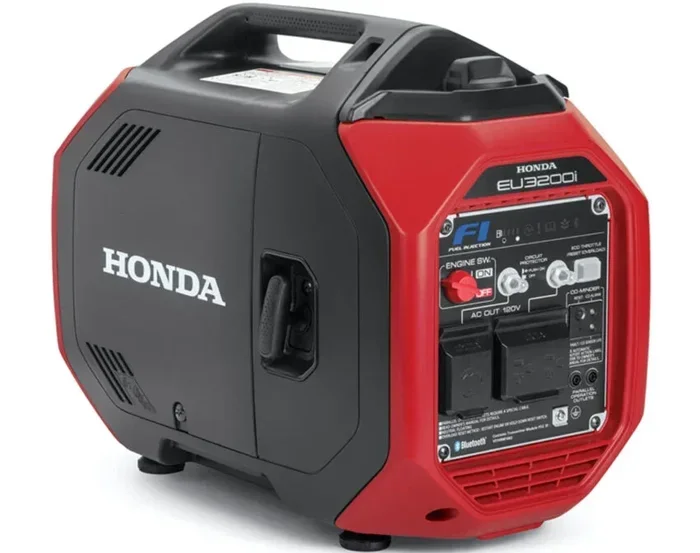
Inverter Generators
An inverter generator in the 8000 watt range produces cleaner, more stable power. This matters if you want to run sensitive electronics like laptops, smartphones, or TVs.
Inverter models adjust their engine speed to match the load. This means less noise, better fuel efficiency, and cleaner electricity. They do tend to cost more upfront, but the savings in fuel and the protection they offer your devices can make them worth it.
Standby Generators
A standby generator is a permanent installation. It sits outside your home and kicks on automatically when the power goes out. An 8000 watt standby unit can power your entire essential electrical panel.
These units connect to your home’s natural gas or propane line, so no refueling is needed. They are more expensive and require professional installation. But for homeowners who want set-it-and-forget-it backup power, they are hard to beat.
Fuel Options for Your 8000 Watt Generator
Gasoline
Gasoline is the most common fuel for portable 8000 watt generators. It is easy to find at any gas station, and most models start right up with a pull or electric start. The downside is that gasoline has a shorter shelf life and can go stale after about 30 days.
If you plan to store your generator for long periods, you will need fuel stabilizer. Also, gasoline prices fluctuate, so fuel costs can vary season to season.
Propane
Propane burns cleaner than gasoline and has an almost unlimited shelf life. Many 8000 watt generators offer propane compatibility, either as a dedicated model or a dual fuel option.
Propane tanks are widely available and easy to store. The trade-off is slightly lower power output compared to gasoline on the same unit. Some models let you switch between fuels, giving you flexibility.
Natural Gas
Natural gas is the cleanest burning fossil fuel option. It connects directly to your home’s gas line, so you never run out mid-storm. This is the go-to fuel for standby 8000 watt generator setups.
Natural gas is generally cheaper than gasoline or propane in many areas. However, you need a permanent installation and a natural gas line at your property. For more details on natural gas usage, check out our guide on how much natural gas a generator uses.
Dual Fuel Models
Dual fuel generators let you run on either gasoline or propane. This gives you the best of both worlds. You can use gasoline for quick, portable setups and switch to propane for longer, cleaner-burning sessions.
Dual fuel 8000 watt generators are increasingly popular. They offer flexibility and can extend your runtime significantly. This is a great option if you want versatility without buying two separate units.
Key Features to Look For
Runtime and Fuel Tank Size
Runtime tells you how long the generator runs on a single tank of fuel at a given load. A larger fuel tank means longer runtime between refills. For a 8000 watt generator, look for at least 8 to 12 hours of runtime at 50% load.
If you need longer runtime, some models support parallel connections. This lets you link two generators together for more power output. To learn more about maximizing your setup, read our article on generator testing for tips on performance evaluation.
Noise Level
Nobody wants a generator that sounds like a jet engine. Noise level is measured in decibels (dB). Most portable generators run between 60 and 80 dB at full load.
Inverter models tend to be much quieter, often around 50 to 65 dB. If you plan to use your generator near your home or at a campground, a quieter model makes a big difference.
Outlets and Connectivity
Check the number and type of outlets on the generator. You want enough outlets to plug in everything you need at once. Look for a mix of 120V and 240V outlets depending on your needs.
Some models include USB ports for charging phones and tablets. A few even offer a transfer switch connection for safe home integration. Always make sure the outlets match your devices and tools.
Safety Features
A good 8000 watt generator includes built-in safety features. Look for low-oil shutdown, overload protection, and ground fault circuit interrupters (GFCI). These features protect both you and the generator from damage.
Never run a generator indoors. Carbon monoxide is a serious danger. Always place your unit outside in a well-ventilated area, away from windows and doors.
Top Uses for an 8000 Watt Generator
Home Backup Power
A 8000 watt generator can keep your essentials running during a power outage. Think refrigerator, furnace blower, sump pump, lights, and a few electronics. It keeps your family safe and comfortable until the grid comes back.
For whole-home coverage, you may need a larger unit or a transfer switch. To figure out the right size for your home, see our guide on how big of a backup generator do I need.
Job Sites and Construction
Contractors love the 8000 watt generator for good reason. It powers circular saws, air compressors, drills, and lighting systems all at once. It is portable enough to move between floors or job sites.
Dual fuel models are especially useful here. They let you switch fuels depending on what is available and affordable at the job site.
Recreation and Outdoor Events
Camping, RV trips, tailgating, and outdoor weddings all benefit from a reliable 8000 watt generator. Inverter models are perfect for these situations because they run quietly and produce clean power.
You can run a small microwave, coffee maker, lights, and a sound system without any issues. It makes outdoor life much more comfortable and convenient.
Maintenance Tips for Longevity
Your 8000 watt generator will last longer with regular care. Simple maintenance habits save you money and prevent surprises when you need power the most.
- Change the oil every 50 to 100 hours of use, or per the manufacturer’s schedule.
- Replace the air filter regularly, especially in dusty environments.
- Use fresh fuel and add stabilizer if storing for more than two weeks.
- Check the spark plug every season and clean or replace as needed.
- Run the generator under load for at least 30 minutes monthly to keep it in shape.
For more on keeping your generator in top shape, explore our generator testing resources and tips for performance checks.
How to Choose the Right 8000 Watt Generator
With so many options on the market, choosing the right one can feel overwhelming. Start by asking yourself a few key questions.
- What will I power with this generator?
- Do I need it for home backup or portable use?
- Which fuel type works best for my situation?
- How important is noise level to me?
- What is my budget?
Your answers to these questions narrow down your choices fast. If you want clean power for electronics, go with an inverter model. If you need raw power for tools, a conventional portable unit works great. If you want permanent backup, invest in a standby setup.
Always check the warranty before buying. A good warranty gives you peace of mind and protects your investment. Look for at least a 2 to 3 year warranty from a reputable brand.
For electrical generator options and more buying advice, visit our electrical generator guide to explore what is available.
Common Mistakes to Avoid
Buying a 8000 watt generator is a big decision. Avoid these common pitfalls to make sure you get the right unit.
- Underestimating your power needs. Always add a 20% buffer to your total wattage calculation.
- Ignoring runtime. A cheap generator with a small fuel tank will cost you more in the long run.
- Skipping the transfer switch. A transfer switch makes home integration safe and easy.
- Buying the cheapest option. The cheapest model often has the shortest lifespan and fewest features.
- Neglecting maintenance. A well-maintained generator lasts twice as long as one that is ignored.
The Bottom Line
A 8000 watt generator is one of the most practical power solutions you can own. It is versatile, powerful enough for most needs, and affordable for most budgets. Whether you need home backup power, job site electricity, or reliable energy for outdoor adventures, this size delivers.
Take the time to understand your power needs, compare fuel types, and choose features that matter to you. A well-chosen 8000 watt generator gives you confidence when the power goes out or when you are off the grid. It is an investment in comfort, safety, and peace of mind.
Start your search today. Compare models, read reviews, and find the perfect 8000 watt generator for your lifestyle. You will be glad you did.
Frequently Asked Questions
What can a 8000 watt generator run?
A 8000 watt generator can power most household essentials including a refrigerator, furnace blower, sump pump, microwave, lights, and several smaller electronics. It also handles job site tools like circular saws and air compressors. The key is to add up your total wattage needs before plugging everything in.
How much does an 8000 watt generator cost?
Prices for a 8000 watt generator range from about $800 for basic portable models to over $3000 for premium inverter or standby units. Your budget, fuel preference, and feature needs all play a role in the final price. Spending a bit more upfront often saves money on fuel and repairs over time.
Is a 8000 watt generator loud?
Noise level depends on the type and model. Conventional portable generators typically run at 65 to 80 decibels. Inverter models are much quieter, often around 50 to 65 decibels. Standby generators are installed outside and are designed to minimize noise for neighbors.
Can I connect an 8000 watt generator to my home?
Yes, but you need a proper transfer switch installed by a licensed electrician. This ensures safe backfeeding and protects your electrical system. Never plug a generator directly into a wall outlet, as this creates serious safety hazards.
How long does an 8000 watt generator run on a full tank?
Runtime varies by model and load. Most portable 8000 watt generators run 8 to 12 hours at 50% load on a full tank. Inverter models may run longer due to better fuel efficiency. Check the manufacturer’s specs for exact runtime numbers before purchasing.
What is the difference between a portable and standby 8000 watt generator?
A portable generator is movable and runs on gasoline or propane. You set it up manually when needed. A standby generator is a permanent installation that connects to your home’s gas line and turns on automatically during outages. Standby units cost more but offer greater convenience and reliability.
=== CONCLUSION ===
Choosing the right 8000 watt generator comes down to understanding your power needs and matching them to the right type and features. From running watts to fuel type, from inverter technology to runtime, every detail matters. A well-selected generator keeps your home safe, your tools running, and your life uninterrupted.
Use the tips in this guide to compare options, avoid common mistakes, and find the perfect unit. A 8000 watt generator is a powerful investment that pays for itself the first time the lights go out. Make your choice with confidence and enjoy reliable power whenever you need it.