How to Find a Quiet Generator That Will Not Annoy Neighbors
Finding a quiet generator means understanding decibel ratings, choosing the right type like an inverter model, and using noise-reducing accessories. This guide walks you through everything you need to know about quiet generator options that keep your neighbors happy while delivering reliable backup power for your home or camping trips.
Nothing ruins a peaceful evening faster than a loud generator rattling away in the backyard. Whether you need backup power during an outage or electricity for a camping trip, a quiet generator makes all the difference. You want reliable energy without the constant drone that drives neighbors crazy.
The good news is that modern generators have come a long way. Today’s low noise generator models can run so quietly that you might forget they’re on. This guide shows you exactly what to look for, which types work best, and how to keep your generator from becoming the neighborhood nuisance.
We will cover decibel ratings, the best generator types for silence, placement tips, and real-world recommendations. By the end, you will know exactly how to pick a quiet power solution that fits your needs and keeps everyone happy.
Key Takeaways
- Decibel level matters most: Generators under 60 dB are considered quiet and neighbor-friendly for residential use.
- Inverter generators are the quietest option: They adjust engine speed to match power demand, reducing noise significantly.
- Placement and enclosures help: Even a quiet generator can be made quieter with proper positioning and sound-dampening setups.
- Regular maintenance keeps noise low: A well-maintained generator testing routine prevents loud rattles and vibrations.
- Fuel type affects noise: Propane and natural gas units tend to run quieter than gasoline models.
- Check local noise ordinances: Knowing the rules helps you avoid fines and neighbor complaints.
📑 Table of Contents
- Understanding Generator Noise Levels
- Types of Generators and Their Noise Levels
- How to Choose a Quiet Generator
- Best Practices for Reducing Generator Noise
- Top Quiet Generators Worth Considering
- Common Mistakes That Make Generators Louder
- Legal Considerations and Neighbor Etiquette
- Final Thoughts on Finding a Quiet Generator
Understanding Generator Noise Levels
Noise is measured in decibels, or dB for short. Think of it like volume on a TV. The higher the number, the louder the sound. A normal conversation sits around 60 dB. A lawnmower hits about 90 dB. You do not want your generator anywhere near that range.
Most people consider a generator quiet if it runs below 60 dB at a distance of 23 feet. Some premium models dip as low as 50 dB, which is about the level of a quiet refrigerator. That is whisper-quiet and perfectly acceptable for residential areas.
What Decibel Levels Mean for Your Neighborhood
Here is a simple breakdown of what different dB levels sound like in real life:
- 40-50 dB: Very quiet. Sounds like a soft hum. Ideal for camping or close residential use.
- 50-60 dB: Quiet. Similar to normal conversation. Great for neighborhoods with close neighbors.
- 60-70 dB: Moderate. Noticeable but tolerable. Works for temporary use away from homes.
- 70+ dB: Loud. Likely to disturb neighbors and potentially violate local noise rules.
When shopping for a quiet generator, always check the stated dB rating. Some brands list noise levels at full load, while others measure at half load. Always compare the same way for an accurate picture.
Types of Generators and Their Noise Levels
Not all generators are created equal. The type you choose has a huge impact on how much noise it produces. Let us break down the main options so you can make a smart choice.
Inverter Generators: The Quiet Champions
If silence is your top priority, an inverter generator is the way to go. These units use advanced technology to adjust the engine speed based on the power demand. Instead of running at full speed all the time, they slow down when less power is needed.
This means less fuel consumption and significantly lower noise. Many inverter models run between 50 and 60 dB, making them perfect for neighbor-friendly power. They also produce cleaner electricity, which is safer for sensitive electronics like laptops and phones.
Inverter generators do tend to cost more upfront than traditional models. But the trade-off in noise reduction and fuel savings makes them worth it for most homeowners. They are also lighter and more portable, which is a nice bonus.
Traditional Portable Generators
Standard portable generators run at a constant engine speed regardless of load. This means they are almost always louder than inverter models. Most traditional units fall in the 65 to 80 dB range, which can definitely bother neighbors.
These generators are great for high-power needs and construction sites. But for home use in residential areas, they often create too much noise. If you already own one, you can reduce its sound output with enclosures and placement tricks we will cover later.
Standby Generators
Standby generators sit outside your home and kick on automatically during power outages. They are powerful and convenient but tend to be louder than portable options. A typical standby unit runs around 60 to 75 dB.
Some newer standby models feature sound-attenuating cabinets that bring the noise level down significantly. These enclosed units can run as quiet as 55 dB, which is comparable to many inverter portables. The electrical generator market now offers several quiet standby options worth exploring.
How to Choose a Quiet Generator
Picking the right unit involves more than just looking at the dB number. Several factors work together to determine how quiet your generator will actually be in real-world use.
Check the dB Rating at Different Loads
Manufacturers often list noise levels at 25% or 50% load. A generator might sound great at half power but get much louder at full capacity. Always look for the dB rating at full load if possible. This gives you the worst-case scenario and helps you plan accordingly.
For example, a generator rated at 55 dB at 25% load might hit 68 dB at full load. That is a big difference. Knowing this helps you set realistic expectations and avoid surprises.
Consider Fuel Type
Fuel type plays a bigger role in noise than most people realize. Propane and natural gas generators tend to burn cleaner and run smoother than gasoline models. This smoother combustion translates to less engine vibration and lower noise.
If you want the quietest possible operation, look into propane or natural gas units. The natural gas generator is a solid choice for homeowners who want both efficiency and low noise levels.
Look for Built-In Noise Reduction Features
Many modern generators come with features designed to reduce sound output. Here are some key ones to look for:
- Soundproof enclosures: These housings wrap around the engine and absorb noise.
- Low-noise mufflers: Specially designed exhaust systems that reduce sound without limiting performance.
- Vibration-dampening mounts: Rubber or gel feet that prevent the unit from shaking and creating extra noise.
- Eco-throttle modes: Automatically adjust engine speed to match the load, keeping noise low during light use.
When comparing models, make a checklist of these features. The more noise-reduction technology a unit has, the quieter it will run in practice.
Size and Power Output Matter
Bigger does not always mean louder, but it often does. A unit designed to power an entire home will naturally run louder than a small portable model meant for camping. Match the generator size to your actual needs to avoid overkill.
If you only need to run a few essential appliances during an outage, a smaller inverter generator will do the job quietly. There is no need to buy a massive unit that roars through the neighborhood when a compact model would work perfectly.
Best Practices for Reducing Generator Noise
Even the quietest generator can become a noise problem if you do not set it up properly. A few simple steps can dramatically reduce the sound your unit produces.
Placement Tips for Maximum Quiet
Where you put your generator matters more than you might think. Follow these placement rules to keep noise to a minimum:
- Point the exhaust away from neighbors: The exhaust is the loudest part of any generator. Aim it toward an open area or away from property lines.
- Place it on a soft surface: Grass or rubber mats absorb vibrations better than concrete or deck surfaces.
- Keep it away from walls and fences: Sound bounces off hard surfaces and gets louder. Give your generator plenty of open space around it.
- Maintain a safe distance: At least 20 feet from your home and neighbor’s property lines is ideal.
These small adjustments can drop your perceived noise level by several decibels. It is one of the easiest and cheapest ways to keep things quiet.
Use a Generator Enclosure or Sound Blanket
If your generator is louder than you would like, consider adding a sound-dampening enclosure. These are basically boxes made from acoustic materials that wrap around the unit and absorb noise.
You can buy commercial enclosures or build your own with plywood and acoustic foam. Just make sure the enclosure has proper ventilation so the generator does not overheat. A well-built enclosure can reduce noise by 10 to 15 dB, which makes a noticeable difference.
Perform Regular Maintenance
A well-maintained generator runs quieter than a neglected one. Dirt, loose parts, and worn components all create extra noise over time. Stick to a regular maintenance schedule to keep things running smoothly.
Check the oil, clean the air filter, tighten any loose bolts, and inspect the exhaust system regularly. If you want to learn more about keeping your unit in top shape, check out our generator testing guide for detailed maintenance tips.
Top Quiet Generators Worth Considering
The market has several excellent quiet generator options at different price points. Here are some categories and brands that consistently earn high marks for low noise.
Best Budget-Friendly Quiet Generators
You do not need to spend a fortune to get quiet power. Several affordable inverter models run below 60 dB and deliver reliable performance. Brands like WEN, DuroMax, and Champion offer budget-friendly options that won’t break the bank or your peace and quiet.
Look for models in the 1000 to 3000 watt range for basic home needs. These smaller units are perfect for running a refrigerator, a few lights, and charging devices during an outage.
Best Mid-Range Quiet Generators
For a step up in quality and quietness, mid-range inverter generators from brands like Honda, Yamaha, and Generac deliver excellent performance. These units typically run between 50 and 58 dB and offer more power output for larger needs.
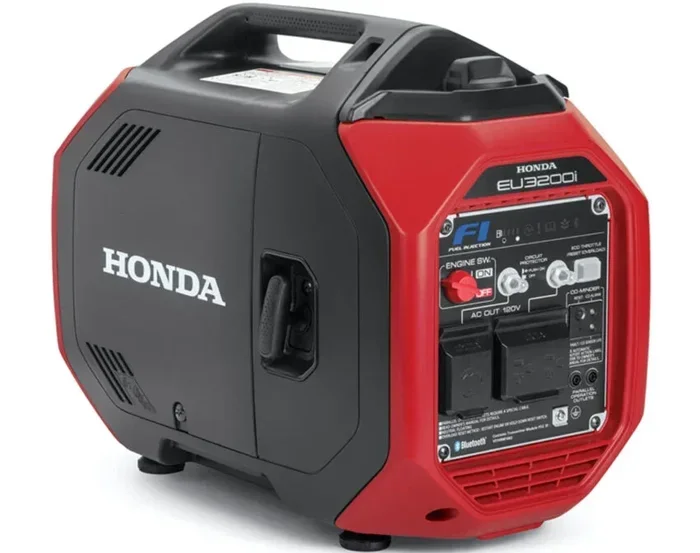
The Honda EU2200i is a popular choice in this category. It is known for being incredibly quiet and fuel-efficient. Many RV owners and campers swear by it for its near-silent operation.
Best Premium Ultra-Quiet Generators
If budget is not a concern, premium generators from brands like Honda EU3000iS and Yamaha EF6300iSDE offer some of the quietest operation available. These units run as low as 50 dB and can power an entire home’s essential circuits.
The extra cost pays for itself in peace of mind. You will never worry about noise complaints, and the build quality and reliability of these premium units are top-notch.
Common Mistakes That Make Generators Louder
Even the best quiet generator can become a noise problem if you make these common mistakes. Avoid them to keep your unit running as silently as possible.
Ignoring the Exhaust Direction
Pointing the exhaust toward a neighbor’s fence or wall amplifies the noise significantly. Always direct the exhaust away from people and structures. A simple 180-degree adjustment can make a big difference.
Running the Generator at Full Load Unnecessarily
Generators get louder under heavy load. Only run the appliances and devices you actually need. Turn off anything unnecessary to keep the engine speed and noise level as low as possible.
Skipping Maintenance
A dirty air filter, low oil, or loose components all increase noise over time. Regular maintenance keeps everything running smooth and quiet. Make it a habit to check your unit before every use.
Placing the Generator on a Hard Surface
Concrete and wood decks amplify vibrations and make the generator sound much louder than it is. Always place your unit on grass, dirt, or a rubber mat to dampen vibrations.
Legal Considerations and Neighbor Etiquette
Running a generator is not just about technical performance. It is also about being a good neighbor. Understanding local rules and following basic etiquette goes a long way.
Many cities and towns have noise ordinances that limit generator use, especially at night. Check your local regulations before you buy or operate a generator. Some areas restrict generator use between 10 PM and 7 AM or require permits for extended use.
Beyond legal requirements, common courtesy matters. Let your neighbors know when you plan to run the generator, especially during extended outages. Most people are understanding when they know ahead of time and see that you are taking steps to minimize noise.
If you live in a tight-knit community or have close neighbors, consider investing in a quieter model from the start. The upfront cost saves you from potential conflicts and complaints down the road.
Final Thoughts on Finding a Quiet Generator
Finding the right quiet generator does not have to be overwhelming. Focus on decibel ratings, choose an inverter model for the best silence, and follow proper placement and maintenance practices. Your neighbors will thank you, and you will enjoy reliable power without the constant noise.
Remember that even the quietest generator benefits from good habits. Proper placement, regular maintenance, and respectful use make all the difference. Take the time to research your options, compare models, and invest in the right unit for your needs.
With the right quiet power solution, you can have backup electricity whenever you need it without disturbing anyone. That is a win-win situation for everyone involved.
Frequently Asked Questions
What decibel level is considered quiet for a generator?
Most experts consider anything under 60 dB to be quiet for a generator. Units running between 50 and 55 dB are especially quiet and work well in residential neighborhoods. For reference, 50 dB is about the level of a quiet refrigerator or light rainfall.
Can I make my existing generator quieter?
Yes, you can reduce your generator’s noise with a few simple steps. Use a sound blanket or enclosure, place the unit on a soft surface like grass, point the exhaust away from neighbors, and keep up with regular maintenance. These changes can reduce noise by several decibels.
Are inverter generators really quieter than traditional generators?
Yes, inverter generators are significantly quieter. They adjust engine speed based on power demand, which means they run slower and quieter during light loads. Most inverter models operate between 50 and 60 dB, while traditional portable generators often exceed 70 dB.
How far should a generator be from my house and neighbors?
Aim for at least 20 feet from your home and property lines. This distance helps reduce the noise that reaches your neighbors and also ensures proper ventilation for safe operation. Always point the exhaust away from occupied areas.
Do quiet generators cost more than regular generators?
Quiet generators, especially inverter models, tend to cost more upfront. However, they save money on fuel because they adjust engine speed to match demand. Over time, the fuel savings and lack of neighbor complaints make them a worthwhile investment.
How long does a generator battery last during use?
Battery life depends on the model and usage patterns. For generators with electric start batteries, the battery can last several years with proper care. To get the most from your setup, learn about how long a generator battery lasts so you can plan maintenance and replacements at the right time.