Solar Inverter Generator Guide for Smart Home Buyers
A solar inverter generator combines clean solar energy with reliable power conversion to keep your home running smoothly. This guide covers everything smart home buyers need to know, from how these systems work to choosing the right size and setup. You will learn about key features, top benefits, common mistakes, and expert tips to make a confident purchase decision.
More homeowners are turning to solar inverter generators as a smart way to power their homes. These units blend solar energy capture with advanced inverter technology to deliver reliable, clean electricity. Whether you want backup power during outages or a full off-grid setup, a solar inverter generator can be a game-changer.
The market has grown fast in recent years. New models offer better efficiency, quieter operation, and smarter features than ever before. But with so many choices, picking the right one can feel overwhelming. This guide breaks it all down in plain language so you can shop with confidence.
We will walk you through how these generators work, what to look for, and how to avoid common pitfalls. By the end, you will have a clear picture of what makes a solar inverter generator worth your money.
Key Takeaways
- Clean and Quiet Power: Solar inverter generators produce clean energy with minimal noise, making them ideal for residential use.
- Energy Independence: These systems reduce reliance on the grid and lower electricity bills over time.
- Smart Home Integration: Many modern units pair seamlessly with home automation systems and battery storage.
- Right Size Matters: Matching your generator to your actual power needs prevents overspending and underperformance.
- Maintenance Is Simple: Solar inverter generators require far less upkeep than traditional fuel-powered units.
- Long-Term Savings: While upfront costs can be higher, the return on investment through energy savings is substantial.
📑 Table of Contents
What Is a Solar Inverter Generator?
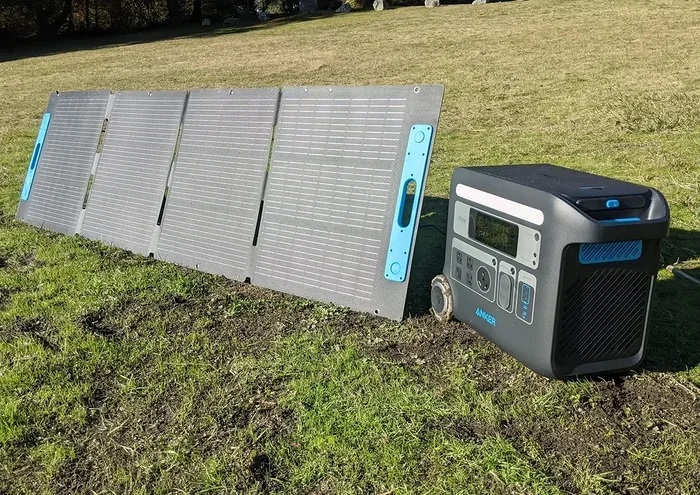
A solar inverter generator is a device that captures sunlight through solar panels, stores it in batteries, and converts it into usable household electricity. The inverter part changes the stored direct current (DC) into alternating current (AC), which is what most home appliances need to run.
Unlike conventional generators that burn gasoline or propane, these units run on renewable solar energy. They have no moving parts in the generation process, which means they are quieter and need less maintenance. Think of them as a clean energy solution that fits right into a modern smart home setup.
How the Inverter Technology Works
The inverter inside these generators does the heavy lifting. It takes the raw power from your solar panels or battery bank and smooths it into a steady, reliable current. This produces what is called a pure sine wave, which is the same quality of electricity your utility company provides.
Cheap generators often produce a choppy, dirty power signal. This can damage sensitive electronics like laptops, TVs, and medical devices. A solar inverter generator avoids this problem entirely. The inverter technology ensures your appliances get safe, stable power every time.
Solar Panels and Battery Storage
Most systems include or connect to a set of solar panels that capture sunlight during the day. The energy flows into a solar battery storage unit, which holds the power for later use. This means you can generate electricity even when the sun goes down or on cloudy days.
The size of your battery bank determines how long you can run essential devices. A larger battery means more backup hours. Many homeowners pair their system with a portable power station for flexibility, allowing them to move power where they need it.
Key Benefits of Solar Inverter Generators
There are many reasons why solar inverter generators are gaining popularity among homeowners. Let us look at the biggest advantages.
1. Clean, Renewable Energy
Solar power produces zero emissions during operation. You are not burning fossil fuels or releasing harmful pollutants into the air. For environmentally conscious homeowners, this is a huge win. It is one of the best green energy solutions available for residential use.
Every kilowatt-hour you generate from sunlight is one less you need to buy from the grid. Over time, this adds up to a smaller carbon footprint and a healthier planet.
2. Quiet Operation
Traditional fuel generators can be incredibly loud. They disrupt neighborhoods, scare pets, and make outdoor gatherings unpleasant. A solar inverter generator runs almost silently because there is no combustion engine involved.
This makes them perfect for homes in quiet neighborhoods, RV parks, or camping trips where noise matters. You can run your system day and night without bothering anyone.
3. Lower Operating Costs
Sunlight is free. Once you install your system, the fuel cost is zero. You avoid the ongoing expense of buying gasoline or propane. Over the life of the system, solar charging saves thousands of dollars compared to fuel-powered alternatives.
Maintenance costs are also much lower. There are no oil changes, no spark plugs to replace, and no fuel lines to worry about. A simple cleaning of the solar panels a few times a year is usually all it takes.
4. Energy Independence
One of the most appealing benefits is energy independence. When the grid goes down, a solar inverter generator keeps your lights on, your fridge running, and your devices charged. You are not at the mercy of utility companies or weather-related outages.
For homeowners in areas prone to storms or wildfires, this kind of home backup system provides real peace of mind. It also appeals to people who want to live completely off the grid.
How to Choose the Right Solar Inverter Generator
Picking the right system requires understanding your power needs and matching them to the right unit. Here is what you should consider.
1. Calculate Your Power Needs
Start by listing the appliances and devices you want to power. Add up their wattage requirements. A fridge might need 700 watts, a microwave 1,200 watts, and a laptop only 100 watts. This gives you a baseline for the wattage output you need.
Always add a buffer of 20 to 30 percent. This accounts for startup surges and prevents the system from being pushed to its limits. Choosing a unit with the right power management capacity ensures smooth, reliable operation.
2. Battery Capacity Matters
Battery capacity is measured in kilowatt-hours (kWh). The higher the number, the more energy you can store. If you only need a few hours of backup, a smaller battery may suffice. For full-day or multi-day independence, you will need a larger bank.
Think about how many hours you want to run essential devices during an outage. Multiply the wattage of each device by the number of hours. This tells you the total battery capacity you should target.
3. Portability vs. Permanent Installation
Some units are designed to be portable. You can move them around your property or take them on trips. Others are meant for permanent installation and hardwiring into your home’s electrical system.
Portable models offer flexibility. Permanent setups provide more power and seamless integration. Consider your lifestyle and needs before deciding. Both options have strong use cases depending on your situation.
4. Check for Smart Home Compatibility
Many modern generators connect to apps and smart home platforms. You can monitor power usage, set schedules, and receive alerts right from your phone. This level of power management control is incredibly convenient.
Look for units that support Wi-Fi connectivity and work with popular smart home ecosystems. This future-proofs your investment and makes daily use much more enjoyable.
5. Consider Your Budget
Solar inverter generators range widely in price. Smaller portable units can cost a few hundred dollars. Whole-home systems with large battery banks can run several thousand. Set a realistic budget based on your needs and stick to it.
Remember to factor in the long-term savings. A higher upfront cost often pays for itself through lower energy bills over just a few years. Think of this as an investment in renewable energy for your home.
Comparison: Solar Inverter Generators vs. Traditional Generators
It helps to see the differences side by side. Here is a quick comparison to clarify the advantages.
| Feature | Solar Inverter Generator | Traditional Fuel Generator |
|---|---|---|
| Fuel Source | Sunlight (free) | Gasoline, propane, or diesel |
| Noise Level | Very quiet (near silent) | Loud (60-80+ decibels) |
| Emissions | Zero during operation | Produces exhaust and fumes |
| Maintenance | Minimal (panel cleaning) | Regular oil changes, fuel upkeep |
| Operating Cost | Near zero after installation | Ongoing fuel costs |
| Power Quality | Pure sine wave (safe for electronics) | Modified or dirty sine wave |
| Runtime | Limited by battery (recharges with sun) | Limited by fuel tank |
As you can see, solar inverter generators win in most categories that matter for home use. The main trade-off is that they depend on sunlight, so battery capacity becomes critical during cloudy periods or at night.
Common Mistakes to Avoid
Buying a solar inverter generator is a big decision. Avoid these common pitfalls to get the best results.
1. Underestimating Your Power Needs
Many buyers choose a unit based on price alone without calculating their actual wattage requirements. This leads to frustration when the system cannot handle the load. Always do the math first and add a safety margin.
2. Ignoring Battery Size
A powerful solar inverter generator means little if the battery is too small. You might generate plenty of energy during the day but have nothing to run at night. Invest in adequate solar battery storage to match your usage patterns.
3. Skipping Professional Installation
While some portable units are plug-and-play, whole-home systems benefit greatly from professional setup. A certified installer ensures your system is safe, properly wired, and optimized for performance. Cutting corners here can lead to costly problems down the road.
4. Neglecting Panel Maintenance
Solar panels need occasional cleaning to perform at their best. Dust, leaves, and bird droppings can block sunlight and reduce efficiency. A quick wipe-down every few weeks keeps your system running strong.
Expert Tips for Maximizing Your Solar Inverter Generator
Get the most out of your system with these practical tips from experienced users and installers.
1. Place Panels in Full Sun
Your solar panels work best when they receive direct sunlight for most of the day. Avoid shading from trees, roof vents, or neighboring structures. The more unobstructed sun exposure, the better your solar charging performance will be.
2. Use Energy-Efficient Appliances
Pairing your generator with energy-efficient appliances stretches your battery life significantly. LED lights, modern fridges, and efficient HVAC systems all draw less power. This simple switch can add hours of backup time during an outage.
3. Monitor Your System Regularly
Use the companion app or monitoring platform to track your energy production and consumption. This helps you identify patterns, catch issues early, and adjust your usage for optimal efficiency. Power management becomes much easier when you have real-time data.
4. Expand Your System Over Time
You do not need to buy everything at once. Start with a basic setup and add panels or batteries as your budget allows. Many systems are designed for modular expansion, so you can grow your residential solar power setup gradually.
Conclusion
A solar inverter generator is one of the smartest investments a modern homeowner can make. It delivers clean, quiet, and reliable power while cutting your energy costs over time. The technology has matured to the point where these systems are practical, affordable, and incredibly efficient.
Whether you want a backup power source for emergencies or a full off-grid energy solution, there is a solar inverter generator that fits your needs. Take the time to calculate your power requirements, choose the right battery capacity, and invest in quality equipment. The savings and peace of mind are well worth the effort.
If you are ready to explore your options, start by comparing models and reading reviews. Consider reaching out to local experts who can assess your home and recommend the best setup. The future of home energy is bright, and it starts with the sun.
For those interested in broader generator options, check out our electrical generator overview for a wider look at power solutions. You may also find our guide on how long a generator battery lasts helpful for planning your backup duration. Finally, if you want a trusted brand option, explore the Sun Joe generator lineup for reliable and affordable solar-ready systems.
Frequently Asked Questions
How long does a solar inverter generator last?
Most quality units last between 15 and 25 years with proper care. The solar panels typically come with 20 to 25-year warranties, while the inverter and battery may need replacement after 10 to 15 years. Regular maintenance helps extend the overall lifespan of your system significantly.
Can a solar inverter generator power an entire house?
Yes, if you choose a system with sufficient wattage output and battery capacity. Whole-home units can handle essential circuits like the fridge, lights, and HVAC. For full-home coverage including high-draw appliances, you will need a larger setup with proper power management configuration.
Do solar inverter generators work on cloudy days?
They do, but at reduced efficiency. Cloudy conditions produce less solar energy, so your panels will generate less power. This is why adequate battery capacity is important. A well-sized battery bank stores enough energy from sunny days to carry you through cloudy periods and nighttime use.
Is a solar inverter generator worth the upfront cost?
Absolutely. While the initial investment is higher than a traditional fuel generator, the long-term savings are substantial. You eliminate fuel costs, reduce maintenance expenses, and often qualify for tax credits or incentives for renewable energy installations. Most homeowners see a return on investment within 5 to 8 years.
How much maintenance does a solar inverter generator require?
Maintenance is minimal compared to fuel generators. You mainly need to keep the solar panels clean and check the battery connections periodically. There are no oil changes, no fuel filters, and no engine tune-ups. A quick inspection every few months keeps everything running smoothly.
Can I expand my solar inverter generator system later?
Yes, most modern systems are designed for modular expansion. You can add more solar panels, increase your battery bank, or upgrade the inverter as your needs grow. This flexibility makes it easy to start small and build a more comprehensive residential solar power setup over time.