What Is a Generator Load Bank and Why You Need One
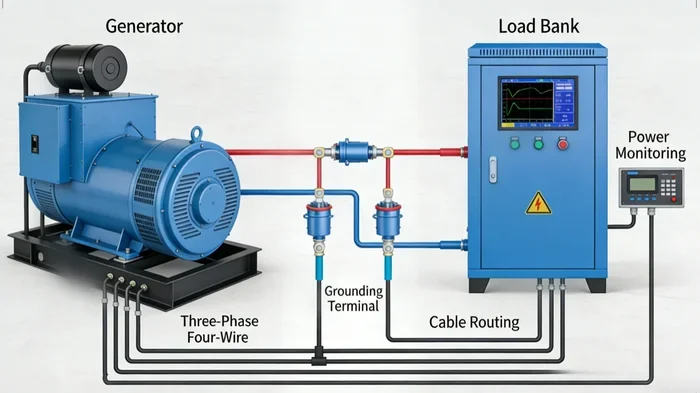
A generator load bank is a testing device that simulates real electrical loads on your generator to verify performance and reliability. It helps you catch problems before a real emergency hits and keeps your backup power system running strong. Whether you own a diesel, standby, or portable unit, regular load bank testing extends engine life and prevents wet stacking. This guide covers everything from the basics to buying advice so you can make confident decisions about your power equipment.
This is a comprehensive guide about generator load bank.
Key Takeaways
- A load bank tests your generator under real-world conditions so you know it will work when you need it most.
- Regular load bank testing prevents wet stacking, a common problem in diesel generators that causes damage over time.
- There are three main types of load banks: resistive, reactive, and combination units for different testing needs.
- Testing frequency depends on usage and manufacturer recommendations, but most experts suggest at least once a year.
- Load bank testing protects your investment by identifying issues early and reducing costly repairs down the road.
- You can rent or buy a load bank depending on how often you need testing and your budget.
[FEATURED_IMAGE_PLACEHOLDER]
What Exactly Is a Generator Load Bank?
A generator load bank is a piece of testing equipment that creates an artificial electrical load. Think of it as a pretend appliance that draws power from your generator. This lets you check how well your generator performs without powering anything real.
When you run your generator, it needs to handle a certain amount of electrical demand. A load bank mimics that demand in a safe and controlled way. This process is called load bank testing, and it is a standard practice in the power generation world.
Without regular testing, you might not know your generator has a problem until the power goes out. A load bank helps you find those hidden issues early. It is one of the simplest and most effective tools for keeping your electrical generator in top shape.
Why Load Bank Testing Matters
You might wonder why you need to test a generator that just sits there waiting for an outage. The truth is, generators that sit unused can develop serious problems over time. Load bank testing solves this.
Prevents Wet Stacking
Wet stacking happens when a diesel generator runs at low loads for too long. Unburned fuel builds up in the exhaust system. This sticky residue can damage your engine and reduce efficiency. A generator load bank pushes the engine to full capacity, burning off that buildup and keeping things clean.
Verifies Real Capacity
Your generator might say it produces 100 kW on the label. But does it really deliver that under load? Load bank testing confirms the actual output. It checks voltage stability, frequency, and power factor. This gives you confidence that your unit will perform when it counts.
Extends Equipment Life
Regular testing keeps all the moving parts in your generator working properly. It circulates oil, heats up the engine evenly, and charges the battery. Think of it like starting your car after a long winter. A little exercise goes a long way. For more on how generators hold up over time, check out our guide on how long a generator battery lasts.
Meets Insurance and Code Requirements
Many insurance companies and local codes require proof of regular generator testing. A load bank test report gives you that documentation. It shows you take your backup power seriously. This can save you money on premiums and keep you compliant.
Types of Generator Load Banks
Not all load banks are the same. Different types serve different purposes. Here is a breakdown of the most common options.
| Type | How It Works | Best For |
|---|---|---|
| Resistive Load Bank | Converts electrical energy into heat using resistors | Testing basic kW output and voltage stability |
| Reactive Load Bank | Creates inductive or capacitive loads to test kVA capacity | Testing power factor and reactive power handling |
| Combination Load Bank | Combines resistive and reactive elements in one unit | Full-spectrum testing of real-world conditions |
| Portable Load Bank | Lightweight, wheeled design for easy transport | On-site testing at multiple locations |
| Containerized Load Bank | Heavy-duty unit built inside a weatherproof enclosure | Permanent installation and continuous testing |
Resistive load banks are the most popular choice for most users. They test the actual kilowatt output of your generator. Reactive load banks focus on the kVA side, which matters for larger commercial setups. A combination unit gives you the best of both worlds.
Which Type Should You Choose?
Your choice depends on what you need to test. For a home standby generator, a simple resistive bank usually works fine. For a commercial diesel unit at a hospital or data center, you want a combination load bank. If you are unsure, a load bank rental service can help you pick the right size. This is especially useful if you only test once a year and do not want to invest in equipment upfront.
How Often Should You Test Your Generator?
The answer depends on a few factors. How often do you use your generator? What type of fuel does it burn? What does the manufacturer recommend?
Most experts agree on a baseline: test at least once a year. For generators that run frequently or sit idle for long periods, testing every six months is better. Here is a simple guideline:
- Home standby generators: Test once per year for 30 minutes to one hour at 50 to 75 percent load.
- Commercial backup generators: Test quarterly for one to two hours at full rated load.
- Data center or critical facility generators: Test monthly with full load bank tests annually.
- Infrequently used generators: Test every six months to prevent moisture buildup and fuel contamination.
Skipping regular tests can lead to surprises when you need power most. A generator load bank gives you a clear picture of your unit’s health. It is a small effort that pays off big time.
How Does a Load Bank Test Work?
Running a test is straightforward, but there are important steps to follow. Here is what a typical session looks like.
- Connect the load bank to your generator using proper cables and safety equipment.
- Start the generator and let it reach normal operating temperature.
- Gradually increase the load in steps, usually 25 percent at a time.
- Monitor readings at each step, including voltage, frequency, and oil pressure.
- Hold each load level for at least five to ten minutes to allow the engine to stabilize.
- Record the results in a logbook or testing report.
- Reduce the load gradually and shut down the generator safely.
Never jump straight to full load. Gradual increases protect the engine and give you more accurate readings. Always follow the safety guidelines that come with your load bank equipment. If you are new to this, consider hiring a professional for your first test. They can walk you through the process and make sure everything goes smoothly.
Quick Tips for a Successful Test
- Check your oil and coolant levels before starting the test.
- Make sure the load bank is placed on a stable, level surface.
- Keep a fire extinguisher nearby as a safety precaution.
- Watch for unusual sounds, vibrations, or smoke during the test.
- Store your load bank properly after use to extend its lifespan.
Common Mistakes to Avoid
Even experienced generator owners make mistakes during load bank testing. Here are the ones to watch out for.
- Testing at too low a load: A load bank only works if you actually draw enough power. Running at 10 percent load does not give you useful data. Aim for at least 50 percent of your generator’s rated capacity.
- Skipping the cool-down phase: Shutting down immediately after a test can cause thermal stress. Let the generator run at low load for a few minutes before turning it off.
- Ignoring manufacturer guidelines: Every generator has specific testing requirements. Check your owner’s manual before you start.
- Using the wrong size load bank: An oversized or undersized bank can give inaccurate results. Match the load bank capacity to your generator’s rated output.
- Forgetting to document results: Written records help you track trends over time. They also prove compliance during inspections.
Avoiding these mistakes makes your testing sessions more productive and safer. It also ensures you get accurate data every time. If you are shopping for a new generator and want to understand what size you need, our article on how big of a backup generator do I need can help you plan ahead.
Benefits of Renting vs. Buying a Load Bank
One of the biggest decisions is whether to rent or buy. Both options have clear advantages depending on your situation.
Renting is ideal if you only need testing once or twice a year. It costs less upfront and you do not have to store the equipment. Many rental companies also offer delivery and setup support. This is a great option for small businesses or homeowners who test occasionally.
Buying makes sense if you test frequently or manage multiple generators. Over time, the cost of renting adds up. Owning your own generator load bank gives you flexibility to test anytime. It also means you always have the right size available.
Here is a quick comparison to help you decide:
- Renting costs: Typically $100 to $500 per day depending on size.
- Buying costs: Portable units start around $500, while larger combination banks can run several thousand dollars.
- Best for renters: Occasional users, one-time projects, and budget-conscious owners.
- Best for buyers: High-use facilities, fleet operators, and those with multiple generators.
No matter which route you choose, the important thing is that you test regularly. Consistent testing is the backbone of good generator maintenance.
Final Thoughts on Generator Load Banks
A generator load bank is one of the most important tools you can own for maintaining reliable backup power. It keeps your generator healthy, prevents costly damage, and gives you peace of mind. Whether you rent or buy, make testing a regular part of your maintenance routine.
Do not wait until the lights go out to find out your generator is not ready. Take action now. Schedule your next load bank test, keep good records, and stay ahead of potential problems. Your generator, your home, and your business will all thank you for it.
For more information on keeping your power systems running at peak performance, explore our other resources on generator care and maintenance. Stay prepared, stay powered, and stay confident in your backup energy setup.
Frequently Asked Questions
What is the purpose of a generator load bank?
A generator load bank simulates real electrical demand to test how well your generator performs under load. It checks output, voltage stability, and overall engine health. This helps you catch problems before a real emergency occurs.
Can I use my generator without a load bank?
Yes, you can run your generator without one. But without regular load bank testing, you risk undetected issues like wet stacking and low power output. Testing ensures your unit is truly ready when you need it.
How long should a load bank test last?
A typical test lasts between 30 minutes and two hours depending on the generator size and testing goals. For most home units, 30 minutes at 50 to 75 percent load is sufficient. Commercial units often require longer test periods.
Is load bank testing expensive?
It depends on whether you rent or buy. Renting a load bank costs $100 to $500 per day, which is affordable for most users. Buying a portable unit starts around $500 and pays for itself over time if you test frequently.
What size load bank do I need?
Choose a load bank that matches or exceeds your generator’s rated kW output. For example, a 100 kW generator needs at least a 100 kW load bank. Always check the manufacturer’s recommendations for your specific model.
Does load bank testing apply to all generator types?
Yes, load bank testing works for diesel, natural gas, propane, and standby generators. The process is the same, but test duration and load levels may vary. Always refer to your specific generator’s manual for guidance.
=== CONCLUSION ===
A generator load bank is an essential tool for anyone who depends on backup power. It tests your generator under realistic conditions, prevents long-term damage, and keeps your system running at full capacity. From preventing wet stacking to verifying real-world output, the benefits are clear and significant.
Make load bank testing a regular part of your generator maintenance plan. Whether you rent or buy, test annually or quarterly, the key is consistency. Your generator works hard for you. Give it the care it deserves with a proper load bank test today.