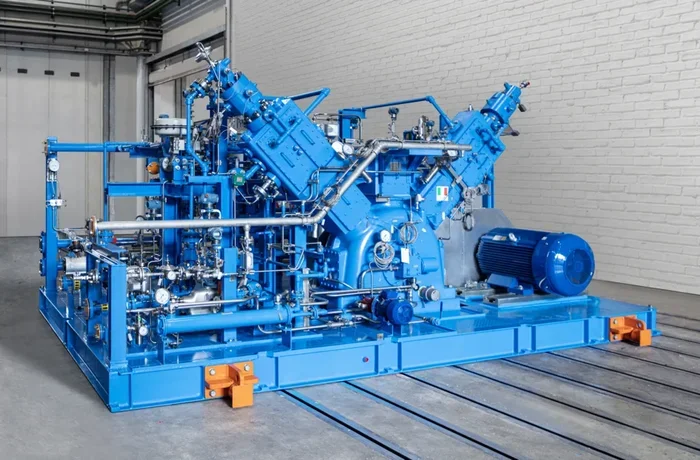
High Pressure Hydrogen Compressor Everything You Need
A high pressure hydrogen compressor is a vital machine that compresses hydrogen gas to extremely high pressures for energy storage, fueling stations, and industrial use. Whether you are exploring clean energy solutions or running an industrial operation, understanding how these compressors work will help you make better decisions. This guide covers types, applications, buying tips, and maintenance in simple, practical terms.
Key Takeaways
- High pressure hydrogen compressors are essential for the growing hydrogen economy and clean energy transition.
- Diaphragm and piston compressors are the two most popular types for hydrogen compression at high pressures.
- Choosing the right compressor depends on your pressure needs, flow rate, and application.
- Regular maintenance and proper installation extend compressor life and improve safety.
- Hydrogen fueling stations and industrial gas storage rely heavily on high pressure compression technology.
- Investing in a quality compressor from a reputable manufacturer pays off in efficiency and durability.
📑 Table of Contents
- High Pressure Hydrogen Compressor: What It Is and Why It Matters
- How Does a High Pressure Hydrogen Compressor Work?
- Types of High Pressure Hydrogen Compressors
- Key Applications of High Pressure Hydrogen Compressors
- How to Choose the Right High Pressure Hydrogen Compressor
- Maintenance Tips for Longevity and Performance
- Common Mistakes to Avoid with Hydrogen Compressors
- Expert Insights on the Future of Hydrogen Compression
- Key Takeaways
- Conclusion
High Pressure Hydrogen Compressor: What It Is and Why It Matters
A high pressure hydrogen compressor is a machine that takes hydrogen gas and squeezes it into a much smaller volume at very high pressures. Think of it like a pump on steroids. Instead of moving water or air, it moves one of the lightest and most powerful gases on the planet.
Hydrogen is everywhere. It is the most abundant element in the universe. But on Earth, it rarely exists on its own. We have to extract it and then compress it for storage and transport. That is where the compressor comes in. Without it, hydrogen would just float away and be useless for most practical purposes.
The hydrogen compression process is critical for clean energy. Fuel cell vehicles need compressed hydrogen to run. Industrial plants use it for refining and chemical production. And as the world moves toward a hydrogen economy, the demand for reliable compressors is growing fast.
In this guide, we will walk you through everything you need to know. From how these machines work to which type you should buy, we have you covered. Let us dive in.
How Does a High Pressure Hydrogen Compressor Work?
At its core, a hydrogen compressor works by reducing the volume of hydrogen gas. When you reduce the volume, the pressure goes up. This is basic physics. But the way different compressors achieve this varies quite a bit.
Most high pressure gas compressor systems follow a similar process. First, hydrogen enters the machine at a low pressure. Then, a mechanical mechanism — like a piston or a diaphragm — pushes the gas into a smaller space. Finally, the compressed hydrogen exits at high pressure, ready for storage or use.
The Role of Pressure Levels
Hydrogen compression happens in stages. Low pressure hydrogen might start at 1 to 5 bar. But for many applications, you need pressures of 350 bar or even 700 bar. That is where multi-stage compression comes in. Each stage increases the pressure gradually, which keeps the system safe and efficient.
Trying to jump from low pressure to very high pressure in one step would generate too much heat. It would also wear out the machine quickly. So, staged compression is the smart approach. It protects the equipment and ensures consistent hydrogen delivery.
Heat Management in Compression
Compressing gas creates heat. A lot of it. In hydrogen compression, managing this heat is essential. If the gas gets too hot, it can damage internal components. It can also reduce the efficiency of the entire system.
Most compressors use intercoolers between stages. These coolers bring the gas temperature back down before the next compression stage begins. Some advanced systems also use water cooling or air cooling methods. Keeping temperatures in check is one of the keys to long compressor life.
Types of High Pressure Hydrogen Compressors
Not all compressors are the same. Different types suit different needs. Let us look at the most common options on the market today.
Diaphragm Compressors
A diaphragm compressor uses a flexible membrane to compress hydrogen. The diaphragm moves back and forth, pushing the gas through the system. Because the gas never touches the mechanical parts, it stays pure. This is a huge advantage for hydrogen applications.
High pressure diaphragm compressor models are especially popular in the fuel cell industry. They can reach pressures of 700 bar or more. They are also very safe because there is no oil involved in the compression process. This makes them ideal for clean energy applications where gas purity matters.
Piston Compressors
The piston compressor is one of the oldest and most trusted designs. A piston moves up and down inside a cylinder, compressing the hydrogen as it goes. These machines are robust and can handle very high flow rates.
Reciprocating compressor designs fall into this category. They are commonly used in industrial settings. Piston compressors work well for applications where you need a lot of hydrogen quickly. However, they do require more maintenance than diaphragm models. The moving parts experience more wear over time.
Ionic Liquid Compressors
This is a newer technology that is gaining traction. An ionic liquid compressor uses a special liquid to compress hydrogen without any moving mechanical parts. It is quiet, efficient, and requires very little maintenance.
These compressors are still relatively new to the market. But they show a lot of promise for the hydrogen economy. They are especially useful in hydrogen refueling stations where noise and maintenance are concerns.
Scroll Compressors
Scroll compressors use two spiral-shaped elements to compress gas. They are smooth and vibration-free. While not as common for very high pressure hydrogen applications, they do have a place in certain low to medium pressure scenarios.
If you are looking for a clean energy compressor with minimal maintenance, a scroll design might be worth considering. Just keep in mind that they typically cannot reach the extreme pressures that diaphragm or piston models can.
Key Applications of High Pressure Hydrogen Compressors
Where do you actually see these machines in action? More places than you might think. The hydrogen compression system has become a backbone of several growing industries.
Hydrogen Fueling Stations
Fuel cell electric vehicles, or FCEVs, run on compressed hydrogen. At a hydrogen fueling station, a high pressure compressor fills the vehicle’s tank in just a few minutes. These stations need compressors that can reliably reach 350 or 700 bar.
The growth of hydrogen refueling infrastructure depends heavily on compressor technology. As more stations open worldwide, the demand for efficient and reliable compressors will only increase. This is one of the biggest growth areas for the entire industrial compressor market.
Industrial Hydrogen Use
Many industries use hydrogen in their production processes. Oil refineries use it to remove sulfur from fuels. Chemical plants use it to make ammonia and methanol. In all these cases, hydrogen needs to be compressed before it can be used effectively.
For these applications, a heavy-duty gas compression system is essential. The compressors must run continuously and handle large volumes of gas. Reliability and durability are the top priorities here.
Energy Storage and Grid Balancing
One of the most exciting uses for hydrogen is energy storage. When there is excess renewable energy from wind or solar, it can be used to produce hydrogen through electrolysis. This hydrogen is then compressed and stored for later use.
When energy demand is high, the stored hydrogen can be converted back into electricity. A high pressure hydrogen compressor plays a key role in this cycle. It ensures the hydrogen is stored efficiently at high pressure, ready for conversion when needed.
Laboratory and Research Settings
Research facilities and laboratories also use compressed hydrogen. Fuel cell testing, materials research, and hydrogen combustion studies all require reliable gas supply. Smaller, precision compressor manufacturers produce units designed specifically for these environments.
These lab compressors may not be as powerful as industrial models, but they offer excellent precision and control. They are a great example of how hydrogen compression technology serves many different fields.
How to Choose the Right High Pressure Hydrogen Compressor
Buying a compressor is a big decision. You need to think about several factors before making a choice. Here is what to consider.
Pressure Requirements
The first question to ask is: what pressure do I need? Different applications require different pressure levels. Fuel cell vehicles typically need 700 bar. Industrial processes might need 200 to 350 bar. Energy storage systems vary widely depending on the design.
Make sure the compressor you choose can reliably reach your target pressure. It is also wise to choose a machine with some headroom above your minimum requirement. This gives you flexibility as your needs evolve.
Flow Rate and Capacity
Flow rate is measured in normal cubic meters per hour or standard cubic feet per minute. It tells you how much hydrogen the compressor can move in a given time period.
If you are running a hydrogen fueling station, you need a high flow rate to serve multiple vehicles quickly. For smaller applications like a lab or a pilot energy project, a lower flow rate might be perfectly fine. Always match the compressor capacity to your actual usage.
Gas Purity and Contamination
Hydrogen purity is critical in many applications. Contamination can damage fuel cells and reduce efficiency. A diaphragm compressor is often the best choice when purity is a top concern because it keeps the gas completely separated from oil and lubricants.
If you are using a piston compressor, make sure it is designed for hydrogen service. Some models use special seals and materials to prevent contamination. Always check with the compressor manufacturer about gas compatibility.
Energy Efficiency
Compressing hydrogen takes a lot of energy. In fact, compression can use 10 to 15 percent of the hydrogen’s total energy content. That is a significant loss. So, choosing an energy-efficient model can save you money over time.
Look for compressors with high volumetric efficiency and low power consumption. Some modern models use advanced controls to optimize energy use during operation. The upfront cost may be higher, but the savings add up over the machine’s lifetime.
Maintenance and Reliability
All compressors need some level of maintenance. But the frequency and complexity vary greatly. Diaphragm compressors generally require less maintenance because they have fewer wearing parts. Piston compressors need regular oil changes, seal replacements, and valve checks.
When evaluating a compressor, ask the supplier about maintenance schedules and spare parts availability. A machine that is easy to service will save you time and money in the long run. This is especially important for remote hydrogen delivery operations.
Safety Features
Hydrogen is highly flammable. Safety must be a top priority when selecting any high pressure gas compressor. Look for features like automatic shutoff, pressure relief valves, and leak detection systems.
Good manufacturers build safety into their designs from the start. They also provide clear operating manuals and training resources. Never compromise on safety features, no matter how attractive the price might be.
Maintenance Tips for Longevity and Performance
Owning a compressor is only half the battle. Keeping it running smoothly requires regular attention. Here are some practical tips to help you get the most out of your high pressure hydrogen compressor.
Follow the Manufacturer’s Schedule
Every compressor comes with a recommended maintenance schedule. Stick to it. This includes regular inspections, oil changes (if applicable), and valve checks. Skipping maintenance might save time now, but it will cost you more in repairs later.
Monitor Gas Temperature and Pressure
Keep an eye on operating temperatures and pressures at all times. If the gas is running hotter than usual, check the cooling system. If pressure drops unexpectedly, inspect for leaks or worn seals. Early detection of problems prevents bigger breakdowns down the road.
Keep It Clean
Dirt and debris can damage internal components over time. Keep the compressor and its surroundings clean. This is especially important in industrial environments where dust and contaminants are common.
Train Your Operators
Your compressor is only as good as the people operating it. Make sure all operators are properly trained. They should understand the machine’s limits, safety protocols, and basic troubleshooting steps. Well-trained operators catch small problems before they become big ones.
Replace Parts Promptly
Do not wait for a part to fail completely before replacing it. Worn seals, valves, and diaphragms can reduce efficiency and lead to costly downtime. Keep a stock of critical spare parts and replace them on schedule.
Common Mistakes to Avoid with Hydrogen Compressors
Even experienced operators make mistakes. Here are some common ones to watch out for.
- Ignoring manufacturer guidelines. Every compressor has specific operating parameters. Going outside those limits can cause damage and void warranties.
- Skipping regular inspections. Small issues become big problems fast when left unchecked. A simple weekly inspection can save thousands in repairs.
- Choosing the wrong compressor type. Not every compressor suits every application. Picking the wrong type leads to poor performance and higher costs.
- Neglecting cooling systems. Overheating is one of the fastest ways to kill a compressor. Make sure your cooling system is always working properly.
- Buying based on price alone. The cheapest option is rarely the best value. Consider total cost of ownership, including maintenance and energy use.
Expert Insights on the Future of Hydrogen Compression
The world of hydrogen compression is evolving fast. Experts see several trends shaping the future of this industry.
First, there is a push toward higher efficiency. As the hydrogen economy grows, every percentage point of efficiency gained in compression translates to significant cost savings and energy savings. Manufacturers are investing heavily in research to improve compressor designs.
Second, ionic liquid and non-mechanical compression technologies are gaining attention. These innovations could reduce maintenance needs and improve reliability. They represent the next generation of clean energy compressor solutions.
Third, digital monitoring and smart controls are becoming standard. Modern compressors can now communicate with central control systems. Operators can monitor performance in real time and receive alerts before problems occur. This shift toward smart technology is making hydrogen systems safer and more efficient.
Finally, the expansion of hydrogen refueling infrastructure worldwide is driving demand for more advanced compressors. As governments invest in hydrogen as a key part of their decarbonization strategies, the role of the compressor becomes even more important.
Key Takeaways
- A high pressure hydrogen compressor is essential for clean energy, fuel cell vehicles, and industrial hydrogen use.
- Diaphragm compressors offer the best gas purity, while piston compressors deliver high flow rates.
- Multi-stage compression is the standard approach for reaching very high pressures safely.
- Choosing the right compressor means matching pressure, flow rate, and purity requirements to your specific application.
- Regular maintenance, operator training, and prompt part replacement keep your system running at peak performance.
- The future of hydrogen compression includes smarter controls, higher efficiency, and emerging non-mechanical technologies.
Conclusion
The high pressure hydrogen compressor is more than just a machine. It is a key enabler of the clean energy transition. From fueling hydrogen cars to storing renewable energy and supporting industrial processes, these compressors play a role we cannot ignore.
Understanding how they work, which type to choose, and how to maintain them puts you in a strong position. Whether you are a business owner investing in hydrogen delivery infrastructure or an individual exploring fuel cell technology, the right compressor makes all the difference.
Take the time to evaluate your needs carefully. Consider pressure requirements, flow rates, gas purity, and safety features. Choose a trusted compressor manufacturer who can guide you through the process. And once you have your system in place, commit to regular maintenance and proper operation.
The hydrogen economy is growing. The time to understand and invest in hydrogen compression technology is now. With the right knowledge and the right equipment, you can be part of this exciting clean energy future.
Frequently Asked Questions
What pressure does a high pressure hydrogen compressor typically reach?
Most high pressure hydrogen compressor units can reach between 350 bar and 700 bar. Some specialized models go even higher. The right pressure for you depends on your specific application, whether it is fueling stations, industrial use, or energy storage.
Is a diaphragm compressor better than a piston compressor for hydrogen?
It depends on your needs. A diaphragm compressor offers better gas purity and requires less maintenance. A piston compressor delivers higher flow rates and is often more cost-effective for large-scale industrial use. Both have their strengths.
How much energy does hydrogen compression consume?
Compression typically uses about 10 to 15 percent of the hydrogen’s total energy content. This is why choosing an energy-efficient high pressure gas compressor is so important. Small efficiency gains add up to significant savings over time.
Can I use any compressor for hydrogen gas?
No. Hydrogen has unique properties that require specialized equipment. Always choose a compressor designed and rated for hydrogen service. Using the wrong type can lead to safety risks, contamination, and poor performance.
How often should I maintain my hydrogen compressor?
Follow the manufacturer’s recommended maintenance schedule. In general, a thorough inspection every three to six months is a good practice. Regular checks on seals, valves, and cooling systems help prevent unexpected breakdowns.
What role do hydrogen compressors play in the hydrogen economy?
A high pressure hydrogen compressor is a critical link in the hydrogen value chain. It enables safe storage, efficient transport, and reliable use of hydrogen across many sectors. Without effective compression technology, the hydrogen economy would not be possible at scale.