How Much Is a New Air Conditioner Compressor Really
A new air conditioner compressor typically costs between $1,000 and $2,500 for the part alone, with total replacement costs ranging from $1,500 to $5,000 depending on your unit type, size, and labor rates. The new air conditioner compressor price varies based on brand, model, and whether you have a central or window unit. Understanding these costs helps you make a smart decision about repair versus full system replacement.
Your air conditioner compressor is the heart of your cooling system. Without it, your home stays hot and uncomfortable. When it breaks, the question everyone asks is simple: how much is a new air conditioner compressor? The answer is not as straightforward as you might hope. Costs swing wildly based on your unit type, brand, and where you live. In this guide, we break down every price factor so you know exactly what to expect. You will also learn when repair makes sense and when full replacement is the smarter move.
Understanding compressor costs saves you money and stress. Many homeowners get blindsided by surprise quotes. They end up paying more than they should because they did not know the basics. This article gives you the knowledge to make confident decisions. We cover part prices, labor costs, hidden fees, and money-saving tips. By the end, you will know exactly what a fair price looks like for your situation.
Key Takeaways
- Part Cost Range: A new air conditioner compressor costs $1,000 to $2,500 for the unit alone.
- Total Replacement Cost: Expect to pay $1,500 to $5,000 including labor and refrigerant.
- Brand Matters: Premium brands like Carrier and Trane cost more but last longer.
- Age Factor: Units over 10 years old may be better replaced entirely.
- DIY Risk: Compressor replacement requires licensed HVAC knowledge and proper certification.
- Warranty Help: Many compressors come with 5 to 10 year warranties that save money.
📑 Table of Contents
- What Does an Air Conditioner Compressor Do?
- How Much Does a New Air Conditioner Compressor Cost?
- Factors That Affect Compressor Replacement Price
- Signs Your AC Compressor Is Failing
- DIY vs. Professional Compressor Replacement
- How to Save Money on a New Air Conditioner Compressor
- When Should You Replace the Entire AC System Instead?
- Conclusion
What Does an Air Conditioner Compressor Do?
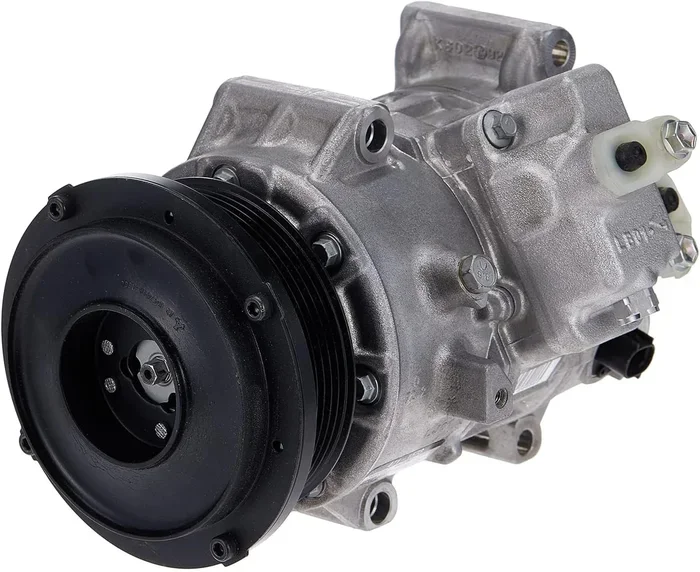
The compressor is the engine of your air conditioning system. It pumps refrigerant through the coils to remove heat from your home. Think of it like a heart that keeps the cooling cycle moving. Without a working compressor, your AC unit blows warm air or stops working entirely.
How the Cooling Cycle Works
Here is a simple way to understand the process. The compressor takes low-pressure refrigerant gas and squeezes it into high-pressure gas. This hot gas then moves to the outdoor condenser coil. Heat releases outside, and the refrigerant becomes a cool liquid. That liquid flows inside to absorb heat from your air. The cycle repeats over and over to keep your home cool.
When the compressor fails, this whole process stops. Your home loses its cooling power fast. That is why knowing the cost of a new air conditioner compressor matters so much. You need to act quickly when something goes wrong.
Common Types of AC Compressors
Not all compressors are the same. Different systems use different compressor types. Here are the most common ones you will encounter:
- Reciprocating Compressor: Uses pistons to compress refrigerant. Common in central air systems.
- Rotary Compressor: Uses a rotating mechanism. Quieter and often found in smaller units.
- Scroll Compressor: Uses two spiraling pieces. Very reliable and common in modern systems.
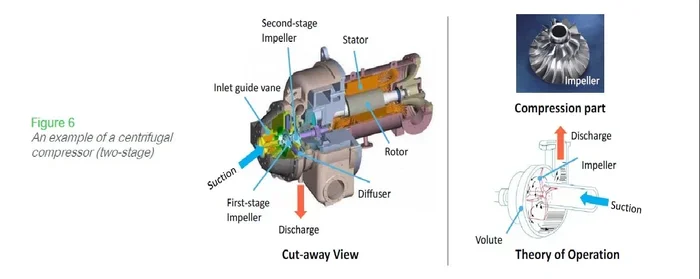
- Centrifugal Compressor: Uses centrifugal force. Found in large commercial and big home systems.
The type of compressor you have affects the replacement cost. Scroll and rotary models tend to cost more because they are more advanced. Reciprocating compressors are older but still widely used.
How Much Does a New Air Conditioner Compressor Cost?
The price of a new air conditioner compressor depends on several factors. There is no single number that fits every home. Let us look at the real-world ranges so you have a clear picture.
Part-Only Pricing
The compressor unit itself typically costs between $1,000 and $2,500. This is just the part. It does not include labor, refrigerant, or any extra components you might need. Here is a rough breakdown by compressor type:
- Reciprocating compressor: $800 to $1,500
- Rotary compressor: $1,000 to $2,000
- Scroll compressor: $1,200 to $2,500
- Centrifugal compressor: $2,000 to $4,000+
Brand also plays a big role in the part price. Brands like Carrier, Trane, and Lennox tend to cost more than budget brands. But they also offer better durability and efficiency over time.
Total Replacement Cost Including Labor
When you add labor and materials, the total cost goes up. Most homeowners pay between $1,500 and $5,000 for a full compressor replacement. Here is what drives that number:
- Labor: $500 to $1,500 depending on your region and the complexity of the job.
- Refrigerant recharge: $100 to $300 if your system needs a full recharge.
- Additional parts: Contactor, capacitor, or relay replacement can add $100 to $300.
- Permit fees: Some areas require permits for HVAC work, adding $50 to $200.
Labor costs vary a lot by location. A technician in a big city will charge more than one in a rural area. You should always get at least three quotes before committing to a replacement.
Cost Comparison by System Type
Different cooling systems have different compressor costs. Here is a quick look at how the numbers change based on your setup:
| System Type | Compressor Part Cost | Total Replacement Cost |
|---|---|---|
| Central Air Split System | $1,000 – $2,500 | $1,500 – $4,500 |
| Package Unit (Rooftop) | $1,200 – $2,800 | $1,800 – $5,000 |
| Ductless Mini-Split | $800 – $1,800 | $1,200 – $3,500 |
| Window Unit | $300 – $800 | $400 – $1,200 |
As you can see, window units cost much less to fix. Central air systems are the most common and fall in the middle range. The most expensive option is usually a rooftop package unit because of access and complexity.
Some homeowners wonder about alternative cooling options when facing high compressor costs. For example, a whole home cooling setup might involve a generator for backup power during hot months. If you are curious about the cost of a home generator for backup cooling, check out How Much Does A Home Generator Cost to compare options.
Factors That Affect Compressor Replacement Price
Not every compressor replacement costs the same. Several key factors push the price up or pull it down. Understanding these helps you avoid surprises and negotiate better deals.
Age of Your AC Unit
This is the biggest factor. If your unit is less than 10 years old, replacing just the compressor often makes sense. The rest of the system is still in good shape. But if your unit is 15 years old or more, a new compressor might only buy you a few more years of service. In that case, full system replacement could be the smarter investment.
Older units also use refrigerant types that are being phased out. R-22 refrigerant, for example, is no longer manufactured. Recharging an old system with R-22 can cost $1,000 or more just for the refrigerant alone. This makes replacement even more expensive.
Brand and Model
Premium brands carry premium prices. A Carrier compressor will cost more than a generic or budget brand unit. But here is the trade-off: premium compressors tend to last longer and run more efficiently. Over 15 years, the savings on energy bills can offset the higher upfront cost.
Budget brands are tempting when money is tight. But they may not last as long or perform as well. You need to weigh the short-term savings against long-term reliability.
Seasonal Demand
HVAC companies charge more during peak summer months. When everyone needs AC repair at once, labor costs go up. If your compressor fails in July, expect to pay a premium. Scheduling the replacement in spring or fall can save you 10 to 20 percent on labor costs.
If you live in a very hot climate, you might also consider a backup cooling solution. Some homeowners pair their system with a portable unit or look into whole-house power solutions. For instance, learning about How Much Does A Whole House Generator Cost can help you plan for power reliability during extreme heat waves.
Refrigerant Line and Coil Condition
Sometimes the compressor fails because of issues elsewhere. If your refrigerant lines are corroded or your coils are clogged, the new compressor could fail again quickly. A good technician will inspect the whole system before recommending a compressor-only replacement.
Replacing refrigerant lines or coils adds $500 to $2,000 to the total cost. This is why some homeowners choose full system replacement instead. It avoids stacking repair costs over time.
Geographic Location
Where you live has a real impact on pricing. Technicians in coastal cities or high-cost-of-living areas charge more. Rural areas may have fewer HVAC companies, which also drives up prices due to limited competition. Getting local quotes is the best way to understand what you should pay in your area.
Signs Your AC Compressor Is Failing
Catching compressor problems early saves you money. A failing compressor does not always die suddenly. There are warning signs you can watch for.
Warm Air From Vents
This is the most obvious sign. If your AC runs but blows warm air, the compressor may not be pumping refrigerant properly. Check your thermostat first to rule out simple settings. If the air stays warm after a few minutes, call a technician.
Loud or Unusual Noises
A healthy compressor makes a low humming sound. Grinding, clanking, or squealing noises are red flags. These sounds often mean internal parts are wearing out or loose. Ignoring them leads to total compressor failure.
Frequent Cycling
Your AC should cycle on and off at regular intervals. If it turns on and off every few minutes, the compressor may be struggling. This short cycling wastes energy and puts extra stress on the system.
Tripped Circuit Breaker
A compressor that draws too much power will trip your breaker repeatedly. This is a serious sign. Do not keep resetting the breaker. Call an HVAC professional right away to diagnose the issue.
Ice Buildup on Outdoor Unit
Ice on the condenser coil often means low refrigerant or poor airflow. Both of these problems strain the compressor. If you see ice forming, turn off the unit and schedule a service call.
If you notice any of these signs, do not wait. A small problem today can become a very expensive compressor replacement tomorrow. Early diagnosis often means a cheaper fix.
DIY vs. Professional Compressor Replacement
Some homeowners wonder if they can save money by replacing the compressor themselves. The short answer is: do not do it. Compressor replacement is not a DIY job for most people.
Why You Need a Licensed Professional
Handling refrigerant requires EPA certification in the United States. It is illegal to release refrigerant into the atmosphere without proper licensing. A licensed HVAC technician has the training and equipment to handle refrigerant safely and legally.
Compressor replacement also involves electrical work, refrigerant line connections, and system charging. One mistake can damage the new compressor or the entire system. A professional does the job right the first time, which saves you money in the long run.
That said, you can save money by doing some prep work yourself. Clearing the area around the outdoor unit, replacing air filters, and ensuring good airflow are tasks any homeowner can handle. These small steps help the technician work faster and can reduce labor costs slightly.
Getting the Right Quotes
Always get multiple quotes from licensed HVAC companies. Ask each company to break down the cost into parts, labor, and materials. This transparency helps you compare fairly and avoid hidden fees.
Some companies offer free diagnostics with a repair commitment. Others charge a flat diagnostic fee that gets credited toward the repair. Either way, make sure you understand the cost before work begins.
For homeowners considering broader home energy solutions, understanding how different systems work together is valuable. For example, if you are exploring backup power options alongside your cooling system, you might want to read about What Size Generator To Run A House to understand your whole-home power needs.
How to Save Money on a New Air Conditioner Compressor
Replacing a compressor does not have to drain your savings. There are smart strategies that lower the cost without sacrificing quality.
Check Your Warranty First
Many compressors come with a 5 to 10 year warranty. If your unit is still under warranty, the part may be free or heavily discounted. Check your original purchase paperwork or contact the manufacturer with your model number. This one step can save you hundreds or even thousands of dollars.
Time Your Replacement Wisely
Schedule the replacement during the shoulder seasons of spring or fall. HVAC companies are less busy then, and they often offer lower rates to fill their schedules. Avoiding peak summer demand is one of the easiest ways to save money.
Get Multiple Quotes
Never accept the first quote you receive. Call at least three different HVAC companies. Compare not just the total price but the breakdown of costs. A lower price is not always better if it uses cheap parts or skips important steps.
Consider a Maintenance Plan
Many HVAC companies offer annual maintenance plans. These plans typically include tune-ups, priority service, and repair discounts. A maintenance plan can reduce the cost of a compressor replacement by 10 to 15 percent over time.
Ask About Refurbished or Remanufactured Compressors
Not all compressor replacements require a brand-new unit. Remanufactured compressors are professionally rebuilt and tested. They cost 30 to 50 percent less than new units and often come with their own warranty. Ask your technician if a remanufactured option is available for your model.
Saving money does not mean cutting corners. It means making informed choices and timing your repair strategically. A well-planned replacement keeps your home cool and your budget intact.
When Should You Replace the Entire AC System Instead?
Sometimes replacing just the compressor is not the best option. Here are situations where full system replacement makes more sense:
- Your unit is over 15 years old: Other components will likely fail soon too.
- Repair costs exceed 50 percent of a new system: Full replacement is the better financial choice.
- You use R-22 refrigerant: This refrigerant is obsolete and very expensive to recharge.
- Your system uses outdated efficiency standards: New units save significantly on energy bills.
- You have frequent breakdowns: Multiple repairs in one year signal the end of your system’s life.
A new high-efficiency air conditioner can save you 20 to 40 percent on cooling costs each year. When you factor in those savings, the upfront cost of a full system replacement often pays for itself within a few years.
For homeowners weighing their options, understanding the full picture of home energy costs is helpful. If you are also thinking about backup power or energy efficiency upgrades, you might find it useful to explore How Much Is A Generator For A 2 to see how different home systems compare in cost.
Conclusion
The cost of a new air conditioner compressor varies widely, but most homeowners pay between $1,500 and $5,000 for a complete replacement. The part alone ranges from $1,000 to $2,500 depending on the type and brand. Labor, refrigerant, and additional parts push the total cost higher.
Knowing the factors that affect the price puts you in a strong position. You can compare quotes confidently, ask the right questions, and make the best decision for your home and budget. Always check your warranty first, time your repair during off-peak seasons, and get multiple quotes from licensed professionals.
A failing compressor is stressful, but it does not have to be overwhelming. With the right information, you can handle the replacement process smoothly. Your home will be cool and comfortable again before you know it. The key is to act quickly, stay informed, and never settle for a price you do not understand.
Frequently Asked Questions
How long does a new air conditioner compressor last?
A well-maintained new air conditioner compressor typically lasts between 12 and 20 years. Regular maintenance like cleaning coils, changing filters, and checking refrigerant levels helps extend its lifespan significantly. Avoiding overwork during extreme heat also reduces wear and tear on the unit.
Is it cheaper to replace the compressor or the whole AC unit?
It depends on the age and condition of your system. If your unit is less than 10 years old, replacing just the compressor is usually cheaper. For units over 15 years old, full replacement is often the better value because other components are likely to fail soon too.
Can I drive my car with a bad AC compressor?
Yes, you can still drive your car with a bad air conditioner compressor. It does not affect the safety or operation of the vehicle. However, you will have no air conditioning, which can be uncomfortable in hot weather. It is best to have it repaired or replaced as soon as possible to prevent further damage to the system.
How long does compressor replacement take?
Most compressor replacements take between 4 and 8 hours for a professional technician. The exact time depends on the type of system, accessibility of the unit, and whether any additional parts need replacing. Complex jobs or those requiring refrigerant line repairs may take longer.
Does homeowners insurance cover AC compressor replacement?
Homeowners insurance typically does not cover compressor failure due to normal wear and tear. However, if the damage was caused by a covered event like a lightning strike or power surge, the claim may be approved. Always check your specific policy details and contact your insurance provider for clarification.
What is the average lifespan of an AC compressor?
The average lifespan of an AC compressor is 12 to 15 years for most residential systems. Units that receive regular professional maintenance often last closer to 20 years. Factors like usage intensity, climate, and maintenance frequency all play a role in determining how long your compressor will last.