Solar Generator Reviews The Ultimate Buying Guide 2024
Our solar generator reviews cover the top-rated models of 2024, helping you choose the right solar generator for your power needs. We compare battery capacity, wattage output, charging speed, and value so you can make a confident buy. Whether you need backup power for your home or a portable station for camping, this guide has you covered.
Shopping for a solar generator can feel overwhelming. There are dozens of brands, models, and specs to sort through. That is exactly why we put together this comprehensive guide. Our solar generator reviews break down the best options available in 2024 so you can spend less time researching and more time enjoying reliable renewable energy.
Whether you are preparing for power outages, planning a camping trip, or want to reduce your carbon footprint, a solar power system can deliver exactly what you need. In this article, we cover everything from battery capacity to inverter technology. We also share practical tips on how to pick the right unit for your budget and lifestyle.
We tested and compared the most popular portable solar generators on the market today. Every review is honest, detailed, and based on real-world performance. Let us help you find the best solar generator for your home or adventure.
Key Takeaways
- Solar generators offer clean, quiet backup power without the fuel costs and fumes of gas-powered units.
- Battery capacity and wattage output are the two most important specs to compare when reading solar generator reviews.
- Top brands like EcoFlow, Jackery, and Bluetti lead the 2024 market with reliable lithium-ion battery technology.
- Portable solar generators are perfect for camping, RV trips, and emergency preparedness.
- Solar generator cost vs. savings pays off over time since sunlight is free and maintenance is minimal.
- Always check warranty and customer support before purchasing any solar power system.
📑 Table of Contents
- What Is a Solar Generator and How Does It Work?
- Why Solar Generator Reviews Matter Before You Buy
- Top Solar Generators Reviewed for 2024
- Solar Generator Cost vs. Long-Term Savings
- How to Choose the Right Solar Generator for Your Needs
- Common Mistakes to Avoid When Buying a Solar Generator
- How Traditional Generators Compare to Solar Generators
- Final Thoughts and Recommendations
What Is a Solar Generator and How Does It Work?
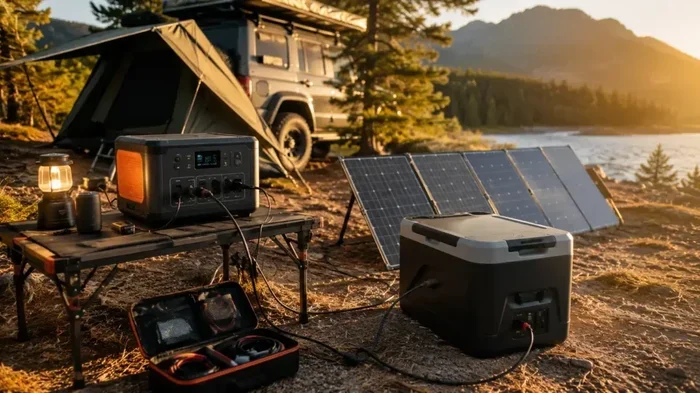
A solar generator is a device that captures sunlight and converts it into usable electricity. Unlike traditional gas generators, it has no moving parts and produces zero emissions. A typical setup includes solar panels, a battery bank, and an inverter that turns stored energy into power for your devices.
The Main Components of a Solar Generator
Understanding the parts helps you make sense of solar generator reviews. Here is what is inside every unit:
- Solar Panels: These capture sunlight and convert it into direct current (DC) electricity. The size and efficiency of the panels affect how fast your unit charges.
- Battery Storage: Most modern units use lithium-ion batteries because they are lightweight, long-lasting, and hold a strong charge. Think of this as the fuel tank of your system.
- Charge Controller: This manages the flow of energy from the panels to the battery. It prevents overcharging and protects the battery life.
- Inverter: This converts DC power into alternating current (AC) power, which is what most household appliances need to run.
Together, these components create a complete solar generator system that can power anything from a phone charger to a refrigerator. The beauty of this setup is its simplicity. There are no gas tanks, no engine oil, and no loud motor. Just clean, quiet renewable energy from the sun.
Why Solar Generator Reviews Matter Before You Buy
Not all solar generators are created equal. Some are built for heavy-duty home backup power, while others are designed for lightweight portability. Reading detailed solar generator reviews saves you from buying a unit that does not match your needs.
What to Look for in Solar Generator Reviews
When you browse through solar generator reviews, focus on these key factors:
- Battery Capacity (Wh): This tells you how much energy the unit can store. Higher watt-hours mean longer run times for your devices.
- Wattage Output: This determines what appliances you can power and how many you can run at once.
- Charging Speed: How fast does the unit recharge from sunlight? Fast charging is essential during cloudy days or short windows of sun.
- Portability: If you plan to carry your unit on hikes or camping trips, weight and handle design matter a lot.
- Output Ports: Look for AC outlets, USB ports, and DC carports. More ports mean more flexibility.
- Warranty and Build Quality: A strong warranty signals confidence from the manufacturer. It also protects your investment over the years.
Our solar generator reviews evaluate each of these areas so you get a complete picture. We do not just list specs. We test real-world performance and share honest opinions about what works and what does not.
Top Solar Generators Reviewed for 2024
We have narrowed down the best solar generators currently available. Each model earned its spot based on performance, value, and user feedback. Here is our breakdown of the top contenders.
EcoFlow Delta Pro
The EcoFlow Delta Pro is a powerhouse for home backup power. It offers up to 3,600 watt-hours of storage and can be expanded to 7,200 Wh with extra batteries. This unit handles heavy appliances like air conditioners and refrigerators with ease. The wattage output is impressive, and the charging speed is among the fastest in the industry.
Users love the smart app controls, which let you monitor energy usage from your phone. The build quality is solid, and the lithium-ion battery is rated for thousands of charge cycles. If you need serious backup power for your home, this is a top pick.
Jackery Explorer 1000 Pro
The Jackery Explorer 1000 Pro strikes a great balance between power and portability. With 1,002 watt-hours of capacity, it can run laptops, lights, and small appliances for hours. It weighs around 25 pounds, making it one of the more manageable options for portable solar generators.
The charging time from solar panels is reasonable, and the unit supports multiple input methods. Jackery has built a strong reputation for reliable clean energy solutions. This model is ideal for camping trips, tailgating, and moderate off-grid power needs.
Bluetti AC200MAX
The Bluetti AC200MAX delivers 2,048 watt-hours of storage and supports expansion up to 8,192 Wh. It features a pure sine wave inverter, which is important for sensitive electronics like laptops and medical devices. The multiple output ports make it easy to charge several devices simultaneously.
This unit is slightly heavier than the Jackery model, but the extra capacity is worth it for users who need extended energy storage. Bluetti offers excellent customer support and a solid warranty. It is a strong choice for both indoor and outdoor use.
Solar Generator Cost vs. Long-Term Savings
One of the biggest questions people ask is whether a solar generator is worth the upfront cost. The answer depends on how you plan to use it. Let us break down the numbers.
A quality solar generator system typically costs between $1,000 and $4,000. That might sound steep compared to a gas generator. But here is the thing: sunlight is completely free. Once you have invested in your unit, the ongoing fuel cost is zero. Over several years, that adds up to significant savings.
Gas generators require regular fuel purchases, oil changes, and maintenance. They also produce noise and harmful emissions. A solar generator runs silently and needs very little upkeep. You simply set up the panels, let the sun do its work, and enjoy renewable energy.
For families who experience frequent power outages, a solar generator can pay for itself within a few years. It also adds value to your home and reduces your dependence on the grid. Think of it as an investment in both your wallet and the environment.
How to Choose the Right Solar Generator for Your Needs
Choosing the right unit comes down to matching your power needs with the right specs. Here is a simple guide to help you decide.
Calculate Your Power Needs
Start by listing the devices you want to power. Add up their wattage to estimate your total energy demand. For example, a laptop uses about 100 watts, a mini fridge uses around 100 watts, and LED lights use 10 to 20 watts each. This gives you a clear picture of the battery capacity you need.
Decide Between Portable and Stationary
If you want to take your unit on camping trips or to tailgates, go with a portable solar generator. These are lighter and often include built-in handles or wheels. If you need home backup power during extended outages, a larger stationary model is a better fit.
You can also check out our guide on how big of a backup generator do I need for more sizing advice that applies to solar models too.
Consider Your Charging Options
Think about where and how you will charge your unit. If you have a sunny backyard, rooftop panels work great. For travel, foldable solar panels are easy to pack and set up. The charging time varies based on panel wattage and weather conditions, so plan accordingly.
You can also learn more about generator testing methods to understand how different units are evaluated. Our testing approach covers real-world scenarios like charging speed under cloud cover and sustained output under load.
Common Mistakes to Avoid When Buying a Solar Generator
Even with the best solar generator reviews, buyers sometimes make costly mistakes. Here are the most common ones to watch out for.
- Ignoring inverter quality: A cheap inverter can damage sensitive electronics. Always choose a unit with a pure sine wave inverter for safe, clean power.
- Underestimating battery needs: It is easy to buy a unit with too little capacity. Calculate your daily energy use before you shop.
- Skipping warranty details: Some brands offer only one year of coverage. The best solar generators come with two to five year warranties.
- Forgetting about panel compatibility: Not all panels work with every unit. Check the voltage and connector type before buying separate panels.
- Overlooking weight: A heavy unit might be fine at home but a nightmare to carry on a hike. Always check the weight if portability matters.
Avoiding these mistakes helps you get the most value from your purchase. Take your time, compare options, and trust verified solar generator reviews over marketing claims.
How Traditional Generators Compare to Solar Generators
Many people wonder how solar generators stack up against traditional gas units. Both have their place, but they serve very different needs.
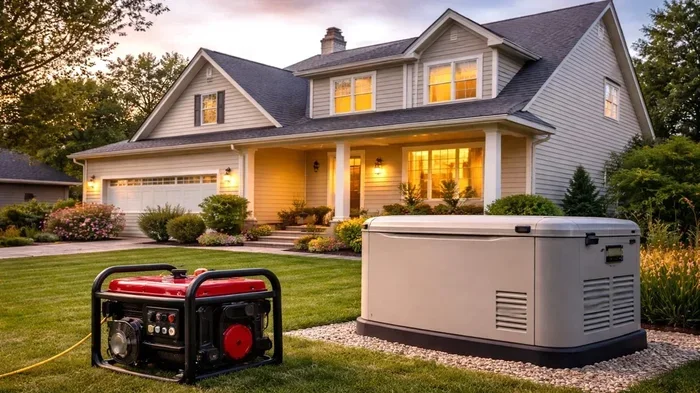
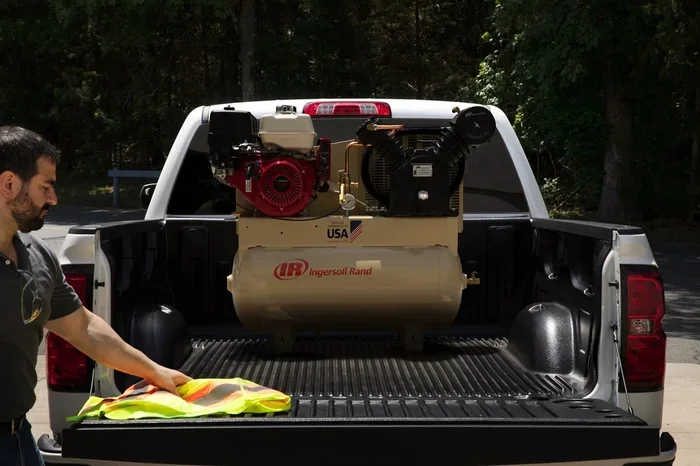
Traditional generators burn fuel to produce electricity. They deliver high wattage output for extended periods, which makes them great for construction sites and heavy-duty applications. However, they are loud, produce exhaust fumes, and require regular fuel and maintenance.
Solar generators run silently and produce zero emissions. They are ideal for residential use, camping, and off-grid power situations. The trade-off is that they depend on sunlight, so charging takes time and they may not deliver the same sustained output as a gas unit.
For most homeowners looking for clean energy and quiet operation, a solar generator is the better choice. If you want to compare traditional options in more detail, you can read about electrical generators to understand the full landscape of power generation options.
For information on battery longevity, check out our guide on how long does a generator battery last, which covers battery lifespan across all generator types including solar models.
Final Thoughts and Recommendations
Our solar generator reviews show that 2024 is a fantastic year to invest in solar energy. The technology has improved dramatically, and prices have become more accessible than ever. Whether you need a compact unit for weekend adventures or a robust system for home backup power, there is a solar generator that fits your needs.
Start by identifying your power requirements. Then compare models based on battery capacity, wattage output, charging speed, and warranty. Trust the reviews that test real-world performance, not just advertised specs. The right solar generator will give you reliable, clean, and quiet power for years to come.
Take action today. Explore the top-rated models we have reviewed, and make a confident choice that aligns with your energy goals. Solar power is the future, and the best time to start is now.
Frequently Asked Questions
What is the best solar generator for home backup power?
The EcoFlow Delta Pro and Bluetti AC200MAX are among the top choices for home backup. They offer high battery capacity, strong wattage output, and expandable storage. Check our solar generator reviews for detailed comparisons of these models.
How long does it take to charge a solar generator?
Charging time depends on panel wattage and sunlight conditions. Most units take 4 to 8 hours with a standard 200-watt panel. Cloudy days will extend the charging time significantly. For more details on battery performance, see our guide on how long a generator battery lasts.
Can a solar generator power a refrigerator?
Yes, most mid-sized to large solar generators can run a refrigerator. You need at least 1,000 watt-hours of capacity and a pure sine wave inverter. Always check the refrigerator’s starting wattage before committing to a unit.
Are solar generators worth the money?
Absolutely. Solar generators save money on fuel, require minimal maintenance, and provide clean renewable energy. Over time, the savings on fuel and upkeep make them a smart financial investment for any household.
What is the lifespan of a solar generator battery?
Most lithium-ion batteries in solar generators last between 3,000 and 5,000 charge cycles. That translates to roughly 10 years of regular use. Proper care and avoiding deep discharges will extend the battery life further.
Do solar generators work on cloudy days?
Yes, but at reduced efficiency. Solar panels can still generate power from diffused sunlight on cloudy days. The charging time will be longer, so having a larger battery capacity helps bridge the gap during overcast weather.
=== CONCLUSION ===
Our solar generator reviews have covered everything you need to know before making your 2024 purchase. From understanding how solar generators work to comparing the top models on the market, you now have the knowledge to choose with confidence. Focus on battery capacity, wattage output, portability, and warranty to find the perfect fit.
Remember that investing in a solar generator means investing in clean, quiet, and reliable renewable energy. Whether you need backup power during outages or a portable station for your next camping trip, the right unit will serve you well for many years. Start comparing models today and take the first step toward energy independence.