How Much Should It Cost to Replace an AC Compressor
The average cost to replace an AC compressor ranges from $1,350 to $2,500, depending on your unit size, location, and whether you choose a new or remanufactured compressor. Labor typically accounts for $500 to $1,200, while the compressor unit itself can run between $400 and $1,800. Getting multiple quotes and understanding the factors that drive cost can save you hundreds of dollars.
Your air conditioner compressor is the heart of your cooling system. When it fails, your home gets hot fast, and the repair bill can feel overwhelming. If you are wondering how much it should cost to replace an AC compressor, you are in the right place.
This guide breaks down every cost involved in AC compressor replacement. We will cover compressor prices, labor charges, extra fees, and smart ways to save money. Whether you have a central air system or a smaller window unit, this article has the details you need.
Knowing the fair price for this repair helps you avoid overpaying. It also helps you decide whether to replace the compressor or consider a full unit swap. Let us walk through everything step by step.
Key Takeaways
- Average Total Cost: Most homeowners pay between $1,350 and $2,500 for a full AC compressor replacement.
- Labor Costs: Expect to pay $500 to $1,200 for professional installation and refrigerant handling.
- Compressor Unit Price: New compressors range from $400 to $1,800 based on brand and type.
- Additional Expenses: Refrigerant recharge, electrical repairs, and warranty coverage can affect the final bill.
- DIY vs. Professional: Replacing an AC compressor is not a DIY job due to refrigerant regulations and safety risks.
- Timing Matters: Replacing the compressor during off-season months can reduce costs and speed up service.
📑 Table of Contents
- What Is an AC Compressor and Why Does It Fail?
- How Much Does an AC Compressor Replacement Cost?
- Factors That Affect AC Compressor Replacement Cost
- Should You Replace Just the Compressor or the Whole Unit?
- How to Save Money on AC Compressor Replacement
- Can You Replace an AC Compressor Yourself?
- How Long Does an AC Compressor Replacement Take?
- Signs Your AC Compressor Needs Replacement
- AC Compressor Replacement Cost by Region
- What to Look for in an HVAC Contractor
- AC Compressor Warranty: What You Need to Know
- Final Thoughts on AC Compressor Replacement Cost
What Is an AC Compressor and Why Does It Fail?
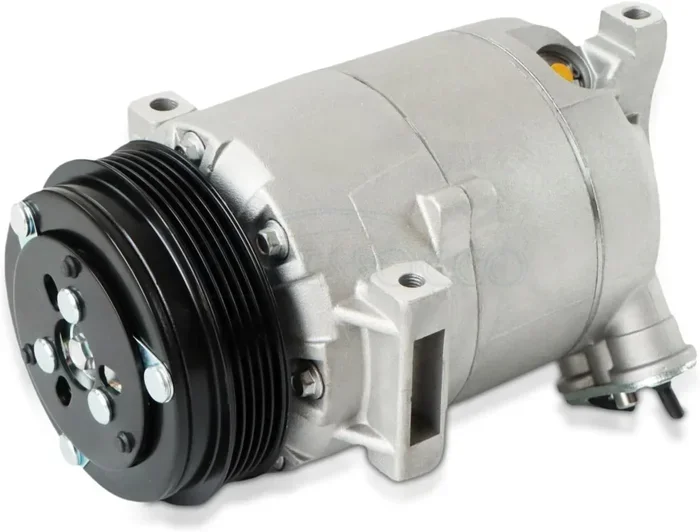
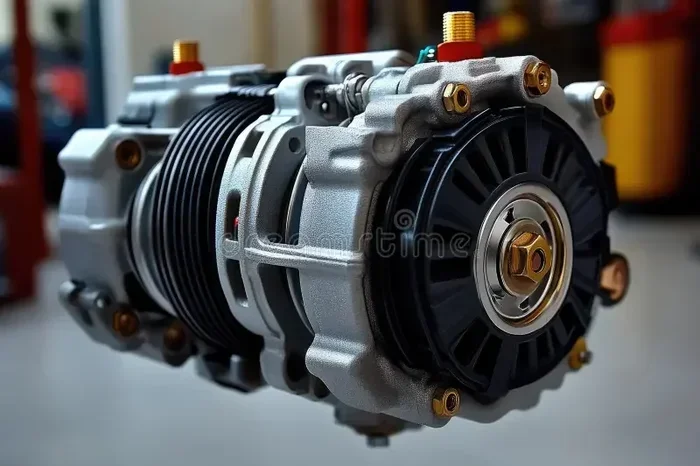
The compressor is the part of your air conditioner that pumps refrigerant through the system. Without it, your AC cannot cool your home. Think of it like the engine in your car. If the engine dies, the car does not move. Same idea here.
Compressors fail for several reasons. Age is the biggest factor. Most AC compressors last between 12 and 15 years with proper care. But other issues can shorten that lifespan. Here are the most common causes of compressor failure:
- Refrigerant leaks: Low refrigerant forces the compressor to work harder, causing overheating and eventual burnout.
- Electrical problems: Power surges and faulty wiring can damage the compressor motor over time.
- Dirty coils: Clogged condenser coils make the system run hotter and strain the compressor.
- Blocked suction lines: Debris or moisture in the lines restricts airflow and damages internal parts.
- Lack of maintenance: Skipping annual AC tune-ups leads to buildup and wear that no one can see until it is too late.
Spotting early signs of trouble can save you money. Listen for unusual noises like grinding or clicking. Watch for warm air coming from your vents. If your AC cycles on and off too frequently, get it checked. Catching problems early often means a cheaper fix.
How Much Does an AC Compressor Replacement Cost?
The AC compressor replacement cost varies quite a bit. The national average sits around $1,800, but your actual price could be lower or higher depending on several factors. Let us break this down into the main cost buckets.
Compressor Unit Cost
The compressor unit itself is the biggest single expense. Here is a rough range based on compressor type:
- Reciprocating compressors: $400 to $800. These are common in smaller residential units.
- Scroll compressors: $600 to $1,200. Found in many modern central air systems.
- Rotary compressors: $800 to $1,800. Used in high-efficiency and larger systems.
- Remanufactured compressors: $300 to $600. A budget option that comes with some risk.
Brand name compressors from companies like Carrier, Trane, and Lennox cost more but often come with better warranties. Generic or off-brand units are cheaper upfront but may not last as long.
Labor Costs
Labor makes up a big part of the total bill. Most HVAC technicians charge between $100 and $200 per hour. A typical compressor replacement takes 4 to 8 hours. That puts labor costs in the $500 to $1,200 range.
Labor costs can spike if your system is hard to access. Compressors on rooftops or in tight crawl spaces take more time to reach. Also, if the old compressor has rusted or seized in place, removal becomes much harder and more expensive.
Refrigerant Recharge
When a compressor fails, refrigerant often leaks out. You will need a full recharge after the new compressor is installed. Refrigerant costs vary, but expect to pay between $100 and $400 depending on the type and amount needed.
Some newer systems use R-410A refrigerant, which is more expensive than older R-22 units. If your system still uses R-22, you may face a bigger refrigerant bill since that type is being phased out and is now more costly.
Additional Repairs and Parts
Sometimes a compressor failure damages other parts of the system. Your technician may find that the following also need replacement:
- Capacitor and contactor: $50 to $150 each. These electrical components often fail alongside the compressor.
- Condenser fan motor: $150 to $400. If the fan stopped working and overheated the compressor.
- Refrigerant lines: $200 to $600 if the lines are corroded or damaged.
- Electrical wiring: $100 to $300 for any wiring repairs needed.
These additional costs are why the total replacement bill can sometimes exceed $3,000. Always ask your technician for a full written estimate before work begins.
Factors That Affect AC Compressor Replacement Cost
Not all compressor replacements cost the same. Several factors can push the price up or bring it down. Understanding these helps you set realistic expectations and avoid surprises.
Size of Your AC Unit
Larger homes need bigger compressors, and bigger compressors cost more. A unit rated at 3 tons will have a different compressor price than a 5-ton unit. The size is measured in tons, which refers to cooling capacity. Most residential homes use 2 to 5 ton units.
Type of Compressor
As mentioned above, the type of compressor matters a lot. Scroll compressors are more efficient but cost more to replace. Reciprocating compressors are cheaper but noisier and less durable. Your technician can advise which type fits your system best.
Brand and Model
Premium brands like Carrier and Trane charge more for replacement parts. But they also tend to last longer and come with extended warranties. Budget brands save money upfront but may need replacement sooner. Think of it like buying tires for your car. Brand name tires cost more, but they often last longer and perform better.
Location and Accessibility
Where you live affects labor rates. HVAC technicians in major cities charge more than those in rural areas. Also, the physical location of your outdoor unit matters. A compressor on a second-story balcony is harder to reach than one at ground level. Both factors influence the final cost.
Warranty Coverage
If your compressor is still under warranty, your out-of-pocket cost drops significantly. Many compressor warranties last 5 to 10 years. Some premium units even offer lifetime compressor warranties. Check your warranty documents before calling a repair company. You might save a lot of money if you are covered.
Should You Replace Just the Compressor or the Whole Unit?
This is one of the most common questions homeowners ask. The answer depends on the age and condition of your current system. Here is a simple way to think about it.
If your AC unit is less than 8 years old and the rest of the system is in good shape, replacing just the compressor makes sense. The cost is much lower than a full unit swap, and you get to keep your existing system.
But if your unit is over 10 years old, you might be better off replacing the entire system. Here is why. If the compressor failed from age or neglect, other parts are likely worn out too. A new compressor in an old system may fail again within a year or two. You would end up paying for the same repair twice.
Also, older units often use less energy than modern ones. Replacing the whole system can cut your electricity bills by 20 to 40 percent. That savings adds up over the years. You can compare this to the cost of running a home generator during outages, since both involve big upfront costs but pay off over time with better efficiency.
Here is a quick comparison to help you decide:
- Replace compressor only: Best for units under 8 years old with no other major issues. Cost: $1,350 to $2,500.
- Replace entire unit: Best for units over 10 years old or with multiple problems. Cost: $4,000 to $10,000.
- Repair and monitor: Best for units 8 to 10 years old with minor issues. Cost: $200 to $800 for repairs.
A good rule of thumb is the 50 percent rule. If the repair costs more than 50 percent of a new unit price, go with the new system. A technician can help you calculate this.
How to Save Money on AC Compressor Replacement
Replacing an AC compressor does not have to drain your savings. There are several smart strategies to keep costs down without sacrificing quality.
Get Multiple Quotes
Never accept the first quote you get. Contact at least three HVAC contractors and ask for detailed written estimates. Compare not just the total price but also what is included. One company might offer a lower price but skip the refrigerant recharge or warranty paperwork.
When comparing quotes, ask about the compressor brand and warranty. A slightly higher price with a better compressor and longer warranty is often the smarter choice.
Schedule Off-Season Service
AC repair companies are busiest in the summer. During peak season, you may pay higher labor rates and wait longer for service. Scheduling your replacement in the spring or fall can save you money and get you faster service. Some companies also offer seasonal discounts during slower months.
Check for Rebates and Incentives
Many utility companies and manufacturers offer rebates for energy-efficient AC replacements. These rebates can reduce your cost by $200 to $500. Check with your local utility provider and the Energy Star website for current programs. Some states also offer tax credits for upgrading to high-efficiency systems.
Ask About Payment Plans
Many HVAC companies offer financing options. These allow you to spread the cost over several months instead of paying it all at once. Some companies even offer 0 percent interest for 12 months. This can make a big repair much more manageable on your budget.
Maintain Your New Compressor
The best way to save money long-term is to take care of your new compressor. Regular maintenance keeps it running efficiently and extends its lifespan. Simple steps include:
- Changing your air filter every 1 to 3 months.
- Cleaning the outdoor condenser coils twice a year.
- Scheduling annual professional tune-ups.
- Keeping debris away from the outdoor unit.
- Checking refrigerant levels if you notice any drop in cooling.
Just like maintaining a generator keeps it running smoothly, regular AC maintenance prevents small problems from becoming expensive compressor failures.
Can You Replace an AC Compressor Yourself?
The short answer is no. Replacing an AC compressor is not a DIY project for most homeowners. Here is why.
First, handling refrigerant requires EPA certification. The Environmental Protection Agency strictly regulates the handling and release of refrigerants. Only certified technicians can legally remove, transport, and recharge refrigerant. Doing it yourself can result in heavy fines.
Second, compressor replacement involves electrical work. The compressor is connected to high-voltage electrical lines. One mistake can cause serious injury or death. Even turning off the power does not guarantee safety, since capacitors can hold a charge long after the unit is off.
Third, proper installation is critical. A compressor that is not installed correctly will fail prematurely. This means you would pay for the replacement twice. Professional technicians have the tools, training, and experience to do the job right the first time.
If you are handy and want to save on labor, you can handle the prep work yourself. Clearing the area around the outdoor unit and making sure the electrical disconnect is accessible can reduce labor time. But the actual compressor swap should always be left to a licensed professional.
How Long Does an AC Compressor Replacement Take?
Most compressor replacements take between 4 and 8 hours to complete. Simple replacements on easily accessible units can be done in a single day. More complex jobs involving additional repairs or hard-to-reach units may take two days.
Here is a rough timeline of what to expect:
- Diagnosis and inspection: 30 minutes to 1 hour. The technician checks the system and confirms the compressor needs replacement.
- Removing the old compressor: 2 to 4 hours. This includes disconnecting refrigerant, electrical, and refrigerant lines.
- Installing the new compressor: 2 to 3 hours. The technician mounts the new unit, reconnects lines, and checks for leaks.
- Recharging refrigerant: 1 to 2 hours. The system is charged to the proper level and tested.
- Testing and cleanup: 30 minutes to 1 hour. The technician runs the system, checks performance, and cleans up.
Total time is usually one full day for straightforward replacements. Plan to be home during the service window, though the technician may need you to be available only for the start and end of the job.
Signs Your AC Compressor Needs Replacement
Knowing the warning signs helps you act before the compressor fails completely. Here are the most common symptoms of a failing compressor:
- Warm air from vents: The most obvious sign. If your AC blows warm or lukewarm air, the compressor may not be pumping refrigerant.
- Loud or unusual noises: Grinding, clicking, or rattling sounds from the outdoor unit often indicate compressor problems.
- Frequent cycling: If your AC turns on and off more than usual, the compressor may be struggling to keep up.
- Ice buildup on the unit: Ice on the refrigerant lines or outdoor coil suggests low refrigerant or airflow problems.
- High energy bills: A failing compressor works harder and uses more electricity. A sudden spike in your energy bill is a red flag.
- Tripped circuit breakers: If the compressor keeps tripping the breaker, the motor may be overheating or drawing too much current.
If you notice any of these signs, turn off your AC and call a professional right away. Running a damaged compressor can cause further damage to the entire system and increase your repair costs significantly.
When the compressor fails completely and your home has no cooling, some homeowners turn to portable solutions. A portable generator can at least keep fans running and provide some relief while you wait for the repair. Check out how much a home generator costs if you are considering this option for backup comfort.
AC Compressor Replacement Cost by Region
Where you live plays a big role in what you pay for compressor replacement. Here is a general breakdown by region:
- Northeast and Northwest: $1,800 to $3,000. Higher labor costs in these areas drive prices up.
- Southeast and Southwest: $1,300 to $2,400. Warmer climates mean more AC work, which can keep prices competitive.
- Midwest: $1,400 to $2,500. Moderate costs with seasonal fluctuations.
- West Coast: $1,900 to $3,200. Higher living costs translate to higher HVAC service prices.
Urban areas almost always cost more than rural areas. Demand for HVAC technicians is higher in cities, and companies pass those costs on to customers. If you live in a remote area, you may also pay a travel surcharge.
To get the most accurate estimate for your area, always ask local contractors for quotes. Online cost calculators give you a ballpark, but a local professional can account for your specific situation.
What to Look for in an HVAC Contractor
Choosing the right contractor is just as important as understanding the cost. A bad installation can lead to repeated problems and higher expenses down the road. Here is what to look for:
- Licensing and certification: Make sure the contractor is licensed in your state and carries EPA certification for refrigerant handling.
- Insurance and bonding: A properly insured contractor protects you from liability if something goes wrong during the job.
- Warranty on work: Good contractors warranty their labor in addition to the parts. Ask for this in writing.
- Customer reviews: Check online reviews on Google, Yelp, and the Better Business Bureau. Look for consistent positive feedback.
- Detailed written estimates: Avoid contractors who give vague verbal estimates. You deserve a clear, itemized breakdown of all costs.
- Brand partnerships: Contractors who carry multiple brands can offer you the best option for your budget and needs.
Taking the time to find a reliable contractor saves you money, stress, and headaches. Do not rush this decision just because your AC is not working. A little research goes a long way.
Proper electrical connections are also important for compressor performance. If you are already dealing with electrical upgrades, you might want to understand how wiring a generator to a breaker box works, since the principles of safe electrical connections are similar.
AC Compressor Warranty: What You Need to Know
Warranties are an important part of the compressor replacement equation. They can protect you from paying for premature failures. Here is what you need to know.
Most new compressors come with a parts warranty from the manufacturer. These warranties typically last 5 to 10 years. Some premium compressors have lifetime warranties. The warranty covers the cost of the compressor unit itself but usually does not cover labor.
Labor warranties vary by contractor. Some companies offer a 1-year labor warranty on all installations. Others provide 5 or even 10-year labor warranties on compressor replacements. Always ask about both parts and labor coverage before the work begins.
Keep all warranty documents in a safe place. You will need them if you ever file a claim. Also, make sure you follow the manufacturer’s maintenance requirements. Skipping recommended maintenance can void your warranty.
Think of it this way. Just like a Generac generator comes with its own warranty terms, your AC compressor has specific coverage details that you should understand fully.
Final Thoughts on AC Compressor Replacement Cost
The cost to replace an AC compressor can range from $1,350 to $2,500 for most homeowners, but your actual price depends on your unit size, compressor type, location, and any additional repairs needed. The key to a fair price is getting multiple quotes, understanding what is included, and choosing a licensed and experienced HVAC contractor.
Remember that replacing the compressor is not always the best option. If your unit is old and has other problems, a full system replacement might make more financial sense in the long run. On the other hand, if your system is relatively new, a compressor-only replacement can keep you cool for years to come.
Stay proactive with your AC maintenance. Regular tune-ups, filter changes, and prompt attention to warning signs can extend the life of your compressor and help you avoid costly replacements. Your cooling system works hard for you, especially during the hottest months of the year. Give it the care it deserves, and it will keep your home comfortable for a long time.
Frequently Asked Questions
How much does it cost to replace an AC compressor?
The average cost ranges from $1,350 to $2,500, which includes the compressor unit, labor, and refrigerant recharge. Your actual cost depends on the type of compressor, your unit size, and your location. Always get at least three quotes from licensed HVAC contractors to ensure a fair price.
Is it worth replacing just the AC compressor?
It is worth replacing just the compressor if your unit is less than 8 years old and the rest of the system is in good condition. If your unit is over 10 years old or has other major issues, replacing the entire system may be a better long-term investment. A professional HVAC technician can help you evaluate your specific situation.
How long does an AC compressor replacement take?
Most compressor replacements take between 4 and 8 hours and are completed in a single day. More complex jobs involving hard-to-reach units or additional repairs may take longer. Your contractor can give you a more accurate timeline after inspecting your system.
Can I replace my AC compressor myself?
No, replacing an AC compressor is not a DIY project. It requires EPA certification to handle refrigerant, specialized tools, and electrical safety knowledge. Improper installation can void warranties and cause the new compressor to fail prematurely. Always hire a licensed HVAC professional for this job.
How long does a new AC compressor last?
A new AC compressor typically lasts between 12 and 15 years with proper maintenance. Regular tune-ups, clean filters, and prompt attention to refrigerant leaks can help extend its lifespan. Choosing a quality compressor brand and ensuring proper installation also contribute to longevity.
What are the signs that my AC compressor is failing?
Common signs include warm air from vents, loud grinding or clicking noises, frequent cycling, ice buildup on the unit, and unexplained spikes in energy bills. If you notice any of these symptoms, turn off your AC and contact a professional immediately to prevent further damage.