Best 200 KW Generator Reviews For Home Backup Power
A 200 KW generator is a powerful backup power solution that can keep your entire home running during outages. This guide covers the top-rated 200 KW generator models, their key features, fuel types, and costs. You will learn how to choose the right unit, avoid common mistakes, and get expert tips on installation and maintenance.
A 200 KW generator is no small machine. It is a heavy-duty powerhouse designed to keep your home running smoothly when the grid goes down. Whether you live in a hurricane zone or just want peace of mind during storms, this size generator hits a sweet spot between power and practicality.
In this guide, we break down the best 200 KW generator options on the market today. We look at real-world performance, fuel efficiency, noise levels, and overall value. By the end, you will know exactly which unit fits your home and your budget.
Why does generator size matter so much? Too small, and you will be flipping breakers during a storm. Too big, and you waste money on fuel and installation. A 200 KW generator gives you enough headroom to run essential systems and still have power to spare. Let us dive into what makes these machines tick.
Key Takeaways
- Power Capacity: A 200 KW generator can handle heavy loads, making it ideal for whole-home backup.
- Fuel Options: Diesel, natural gas, and propane are the most common fuel types for 200 KW units.
- Top Picks: We reviewed leading brands known for reliability, efficiency, and safety features.
- Installation Matters: Proper setup by a professional ensures safe and efficient operation.
- Maintenance Is Key: Regular upkeep extends the lifespan and keeps your 200 KW generator running smoothly.
📑 Table of Contents
- What Is a 200 KW Generator and Why Do You Need One?
- Top 200 KW Generator Brands Reviewed
- Fuel Types: Diesel, Natural Gas, or Propane?
- How to Size a 200 KW Generator for Your Home
- Installation and Safety Tips for Your 200 KW Generator
- Maintenance Tips to Keep Your Generator Running
- How Much Does a 200 KW Generator Cost?
- Common Mistakes to Avoid When Buying a 200 KW Generator
- Final Thoughts on the Best 200 KW Generator for Home Backup
What Is a 200 KW Generator and Why Do You Need One?
A 200 KW generator produces 200 kilowatts of electrical power. To put that in perspective, the average home uses about 30 to 50 KW at any given time. That means a 200 KW unit can easily handle your fridge, HVAC system, lights, and electronics all at once.
Home backup power is the number one reason people invest in a generator of this size. Power outages are becoming more frequent across the country. Storms, wildfires, and grid overloads can knock out electricity for hours or even days. A 200 KW generator keeps your household comfortable and safe through it all.
But backup power is not the only use. Some homeowners use these generators as primary power sources for large properties, workshops, or farms. If you run heavy tools or equipment, the 200 KW range delivers the consistent generator wattage you need without tripping circuits.
How Does a 200 KW Generator Work?
At its core, a 200 KW generator converts mechanical energy into electrical energy. A fuel source powers an engine, which spins a alternator. The alternator then produces electricity that flows into your home’s electrical panel. Most modern units use automatic transfer switches, so the power kicks in within seconds of an outage.
The process is fully automatic. You do not need to stand outside in the rain flipping switches. Once installed, a 200 KW generator detects power loss, starts up, and takes over seamlessly. This is what sets standby generators apart from portable models.
Top 200 KW Generator Brands Reviewed
Not all generators are created equal. Some brands excel in durability, while others shine in fuel efficiency or quiet operation. Here are the top brands we evaluated for our generator reviews.
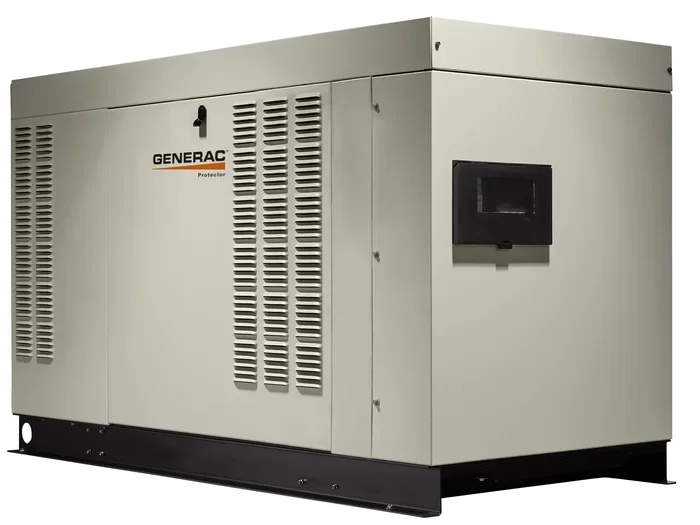
Generac 200 KW Standby Generator
Generac is a household name in the backup power world. Their 200 KW models are built for residential use and feature air-cooled engines that are relatively quiet. Generac units are known for reliable generator runtime and easy digital controls. The Mobile Link feature lets you monitor your unit from your phone.
One standout feature is the G-Flex fuel system, which allows the generator to run on either natural gas or propane. This flexibility is a big plus for homeowners who want options. Generac also offers solid warranty coverage, which adds confidence to your purchase.
Kohler 200 KW Home Generator
Kohler has been building engines for over a century, and it shows. Their 200 KW standby generators are built like tanks. The liquid-cooled engines provide excellent longevity, and the units handle heavy loads with ease. Kohler generators are a popular choice for larger homes with high power demands.
The Kohler command system is intuitive and user-friendly. You get clear diagnostics, remote monitoring, and automatic weekly self-tests. This brand is ideal if you want a home generator that will last 20 years or more with proper care.
Cummins 200 KW Diesel Generator
Cummins is synonymous with diesel power. Their 200 KW diesel generators are built for heavy-duty use and extreme conditions. If you live in an area prone to long outages or harsh weather, a Cummins unit delivers the reliability you need.
Diesel generators like the Cummins 200 KW model tend to have excellent fuel efficiency compared to other types. They also have a longer lifespan overall. The trade-off is a higher upfront cost and the need for a diesel fuel tank on your property.
Fuel Types: Diesel, Natural Gas, or Propane?
Choosing the right fuel type is one of the most important decisions you will make. Each option has pros and cons that affect generator fuel consumption, cost, and convenience.
Diesel Fuel
Diesel generators are known for efficiency and durability. They use less fuel per hour compared to gasoline models, which makes them cost-effective for long generator runtime periods. Diesel is also widely available and stores well over time.
The downside is the initial cost. Diesel units tend to be more expensive. You also need a fuel storage tank, which adds to installation costs. Some homeowners also worry about the smell and environmental impact of diesel.
Natural Gas
Natural gas is the most convenient fuel option for many homeowners. It connects directly to your existing gas line, so you never run out of fuel. This is a huge advantage during extended outages. Natural gas is also cleaner burning than diesel or propane.
However, natural gas has slightly lower energy content, which means higher generator fuel consumption compared to diesel. You may also face higher utility costs depending on your region. Still, the convenience factor makes natural gas a top choice for many.
Propane
Propane is a clean-burning fuel that stores indefinitely. You can keep propane tanks on your property and swap them out as needed. Propane generators are a great middle ground between diesel and natural gas.
The downside is that propane has lower energy density than diesel, so you will burn through it faster. You also need adequate tank storage space. For homeowners who already use propane for heating or cooking, this fuel type makes the most sense.
Fuel Comparison Table
| Feature | Diesel | Natural Gas | Propane |
|---|---|---|---|
| Fuel Efficiency | High | Medium | Medium |
| Convenience | Medium | High | Medium |
| Upfront Cost | High | Medium | Medium |
| Storage Needs | Yes (tank) | No (piped) | Yes (tanks) |
| Environmental Impact | Moderate | Low | Low |
How to Size a 200 KW Generator for Your Home
Proper generator sizing is critical. A unit that is too small will overload during peak demand. A unit that is too large wastes fuel and money. Here is how to determine if a 200 KW generator is right for your home.
Calculate Your Power Needs
Start by listing all the major appliances and systems you want to run during an outage. Your HVAC system alone can draw 5 to 10 KW. A refrigerator uses about 1 to 2 KW. Add up your essentials, then add a 20 percent buffer for safety.
For most homes between 2,000 and 4,000 square feet, a 200 KW generator provides more than enough capacity. You can run everything from the kitchen to the laundry room without worrying about tripping breakers. This size also leaves room for power tools or workshop equipment if needed.
Consider Future Needs
Think about what you might add in the future. Are you planning an electric vehicle charger? A hot tub? A home office with heavy equipment? A 200 KW generator gives you room to grow without needing an upgrade soon.
It is always better to have extra capacity than to wish you had more. Running a generator at 80 percent load is ideal for longevity and efficiency. Oversizing slightly is a smart move for long-term value.
Installation and Safety Tips for Your 200 KW Generator
Installing a 200 KW generator is not a DIY project. These units are heavy, complex, and involve electrical and gas connections that require professional expertise. Always hire a licensed installer who specializes in backup power systems.
Placement Matters
Your generator needs proper clearance on all sides for airflow and ventilation. Local building codes usually require specific setback distances from your home and property lines. The unit should also be placed on a level concrete pad to reduce vibration and noise.
Keep the generator away from windows, doors, and vents. Carbon monoxide is a serious risk with any fuel-powered generator. Proper placement protects your family and keeps your home safe.
Automatic Transfer Switch
An automatic transfer switch, or ATS, is a must-have for any standby generator. The ATS detects power loss and switches your home to generator power automatically. It also prevents backfeeding, which can be dangerous for utility workers.
Make sure your ATS is sized correctly for a 200 KW unit. A mismatched switch can cause operational issues or damage to your electrical system. Your installer should handle this as part of the setup process.
Maintenance Tips to Keep Your Generator Running
A 200 KW generator is a significant investment, and regular maintenance protects that investment. Think of it like maintaining a car. Skip the oil changes, and the engine will fail prematurely.
Routine Maintenance Tasks
Here are the key maintenance tasks every owner should stay on top of:
- Oil Changes: Change the oil every 100 to 200 hours of operation, or at least once a year.
- Air Filter Replacement: Check and replace the air filter every 6 months or as needed.
- Fuel System Inspection: Inspect fuel lines and connections for leaks or wear.
- Battery Maintenance: Test the battery and clean terminals to ensure reliable starts.
- Coolant Check: For liquid-cooled models, check coolant levels and condition regularly.
- Exercise Runs: Run the generator under load for 30 minutes monthly to keep systems in good shape.
Professional Service Intervals
Schedule a professional inspection every 12 to 24 months. A trained technician can spot issues before they become expensive problems. They will also perform compression tests, check the alternator, and verify that all safety systems are functioning properly.
Regular generator testing and maintenance can extend the life of your unit by 5 to 10 years. That is a great return on your investment, especially when you consider the cost of replacing a failed unit.
How Much Does a 200 KW Generator Cost?
The cost of a 200 KW generator varies based on brand, fuel type, and features. On average, you can expect to pay between $15,000 and $35,000 for the unit alone. Installation costs typically add another $3,000 to $7,000 depending on your location and setup complexity.
Diesel models tend to cost more upfront but save money on fuel over time. Natural gas units are often more affordable to install since they connect to existing utility lines. Propane models fall somewhere in the middle. When evaluating cost, consider the long-term fuel savings and maintenance expenses, not just the sticker price.
The generator cost is easily justified when you consider the value of uninterrupted power. A 200 KW generator protects your home, your appliances, and your comfort during outages. For families in storm-prone areas, it is one of the best investments you can make.
Common Mistakes to Avoid When Buying a 200 KW Generator
Buying a generator is a big decision, and mistakes can be costly. Here are the most common errors homeowners make and how to avoid them.
Undersizing the Generator
The biggest mistake is buying a unit that is too small for your needs. A 200 KW generator that is undersized will overload during peak demand, causing shutdowns or damage. Always calculate your total power needs before making a purchase.
Ignoring Installation Requirements
Some homeowners try to save money by skimping on installation. This is a dangerous shortcut. Improper wiring, poor ventilation, or an undersized ATS can lead to equipment damage, fire hazards, or carbon monoxide exposure. Always use a qualified professional.
Skipping Regular Maintenance
A generator that sits unused will develop problems over time. Fuel degrades, batteries lose charge, and systems seize up without regular exercise. Stick to the maintenance schedule, and your unit will be ready when you need it most.
Not Considering Fuel Availability
During a major outage, fuel supply can become limited. If you rely on diesel or propane, make sure you have a reliable supply chain in your area. Natural gas is the most resilient option since it comes through underground utility lines.
Final Thoughts on the Best 200 KW Generator for Home Backup
A 200 KW generator is a powerful and reliable solution for homeowners who want to protect their families and property from power outages. Whether you choose Generac, Kohler, Cummins, or another trusted brand, the key is to size correctly, install professionally, and maintain regularly.
The best 200 KW generator for you depends on your budget, fuel preference, and power needs. Take the time to compare options, read real-world generator reviews, and talk to local experts. The right unit will keep your lights on, your food cold, and your home comfortable no matter what nature throws your way.
Do not wait for the next storm to realize you need backup power. Start your research today, and invest in a 200 KW generator that gives you the peace of mind you deserve. Your future self will thank you when the power goes out and your home stays running strong.
Frequently Asked Questions
How much fuel does a 200 KW generator use per hour?
A 200 KW generator typically uses between 3 and 6 gallons of diesel per hour, depending on the load. Natural gas units consume roughly 200 to 300 cubic feet per hour. Fuel consumption varies with the electrical load you are running, so lighter loads use less fuel.
Can a 200 KW generator power an entire house?
Yes, a 200 KW generator can easily power an entire house, including HVAC, kitchen appliances, lighting, and electronics. For most homes between 2,000 and 4,000 square feet, this size provides more than enough capacity with room to spare for additional loads.
How long does a 200 KW generator last?
With proper maintenance, a 200 KW generator can last 20,000 to 30,000 hours or more. That translates to roughly 20 to 30 years of typical residential use. Regular oil changes, filter replacements, and professional inspections are key to maximizing lifespan.
Is a 200 KW generator too big for a small home?
It can be, depending on your power needs. A small home under 1,500 square feet may only need a 100 to 150 KW unit. However, if you plan to run central air conditioning and all appliances simultaneously, a 200 KW generator still works well and gives you room to grow.
Do I need a permit to install a 200 KW generator?
Most localities require a permit for standby generator installation. This ensures the unit meets safety codes for electrical connections, ventilation, and setback distances. Check with your local building authority before purchasing to avoid any compliance issues.
What is the difference between a 200 KW generator and a portable generator?
A 200 KW generator is a permanent standby unit that connects to your home’s electrical system and kicks in automatically during outages. A portable generator is smaller, movable, and requires manual setup. The 200 KW unit provides far more power, convenience, and safety features compared to any portable option.