Everything You Need to Know About an 8500 Watt Generator
An 8500 watt generator is a powerful and versatile machine that can handle heavy-duty tasks and keep your home running during outages. It delivers enough running wattage to support essential appliances, tools, and electronics simultaneously. This guide covers everything from fuel efficiency and runtime to buying tips and maintenance advice for 8500 watt units.
A 8500 watt generator sits in that sweet spot where you get serious power without going overboard. Whether you need backup electricity during a storm or reliable juice for a construction site, this size generator handles the job well. It is one of the most popular choices among homeowners and contractors alike.
But why exactly is the 8500 watt rating so appealing? The answer comes down to balance. You get enough wattage capacity to run your essentials, yet the unit stays manageable in size and fuel consumption. In this article, we will break down everything you need to know about these machines. You will learn how they work, what to look for when buying one, and how to get the best performance from your unit.
Key Takeaways
- Powerful Output: An 8500 watt generator provides enough electricity to run most household essentials and heavy-duty tools at the same time.
- Fuel Flexibility: These generators come in gasoline, propane, and dual-fuel options, giving you more choices for different situations.
- Smart Features: Modern 8500 watt models include electric start, low-oil shutoff, and parallel capability for added convenience.
- Right Sizing Matters: Understanding your power needs helps you avoid buying an overpowered or underpowered unit.
- Maintenance Is Key: Regular upkeep like oil changes and filter replacements keeps your generator running reliably for years.
📑 Table of Contents
- What Is an 8500 Watt Generator?
- Types of 8500 Watt Generators
- What Can an 8500 Watt Generator Run?
- Fuel Types and Efficiency
- Key Features to Look For
- How Long Does an 8500 Watt Generator Last?
- How to Choose the Right 8500 Watt Generator
- Testing and Evaluating Your Generator
- Common Mistakes to Avoid
- Final Thoughts on 8500 Watt Generators
What Is an 8500 Watt Generator?
A generator rated at 8500 watts means it can produce up to 8500 watts of power output at full load. Most units in this class also have a surge wattage rating that is higher, usually around 10000 to 10500 watts. This surge capacity helps start heavy appliances like air conditioners and refrigerators that need extra power to kick on.
The running wattage of 8500 watts is what the generator sustains over long periods. This is the number you should focus on when planning your power needs. Think of surge wattage as a short burst, like a sprinter getting off the blocks. Running wattage is the marathon pace that keeps everything going steady.
How Generators Measure Power
Generators measure power in watts. The basic formula is simple: volts times amps equals watts. Most household outlets in the United States run at 120 volts. A 240-volt outlet doubles the available power for larger appliances. An 8500 watt generator can handle a mix of 120-volt and 240-volt loads depending on the model.
Some people confuse starting watts with running watts. Here is a quick way to think about it. Your refrigerator might need 1200 watts to run but 2400 watts to start the compressor. A good 8500 watt generator has plenty of headroom for these spikes. This is why many families choose this size for home backup power.
Types of 8500 Watt Generators
Not all generators are the same. Different types serve different needs. Let us look at the main categories you will encounter when shopping for an 8500 watt unit.
Portable Generators
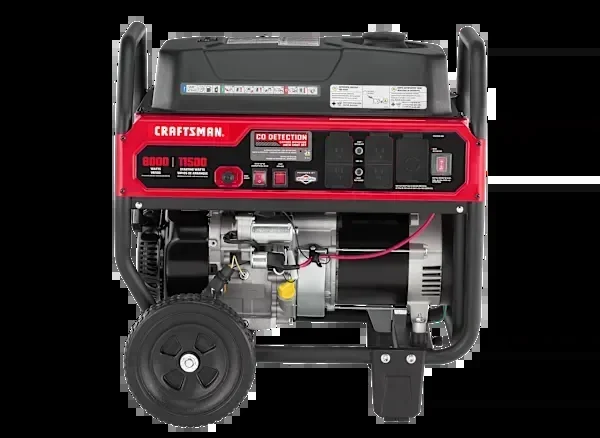
Portable generators are the most common type in this wattage range. They are designed to be moved around easily, often with wheels and a folding handle. Most portable 8500 watt generators run on gasoline, though some models offer dual-fuel capability with propane as well.
These units work great for jobsites, camping trips, and emergency backup at home. They typically weigh between 200 and 300 pounds. While they are not tiny, most people can move them with a truck or trailer. The portable generator design gives you flexibility to place the unit wherever you need it.
Standby Generators
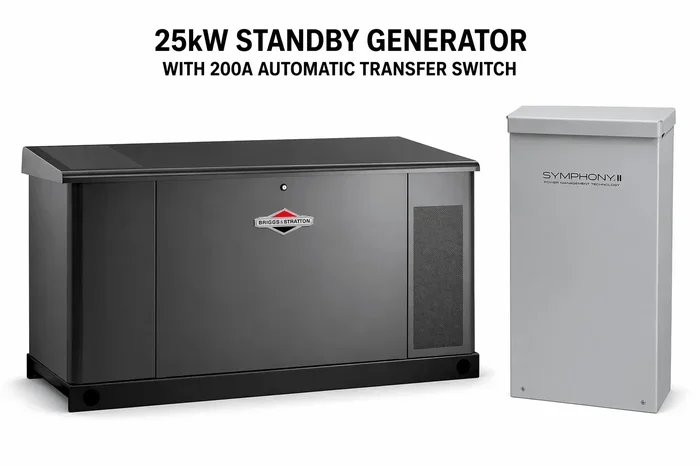
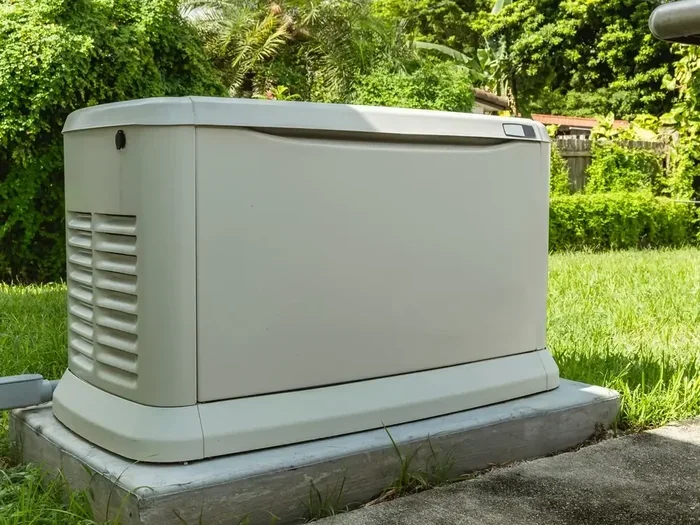
Standby generators are permanent installations. They sit outside your home and kick on automatically when the power goes out. While many standby units are much larger, some manufacturers offer 8500 watt standby models for smaller homes or partial-home backup.
These units connect directly to your electrical panel. They run on natural gas or propane from your existing utility lines. A home backup generator in this range can keep your furnace, lights, refrigerator, and a few other circuits running during an outage. They are more expensive upfront but offer hands-free operation.
Inverter Generators
Inverter generators produce cleaner power with less harmonic distortion. This makes them ideal for sensitive electronics like laptops, phones, and TVs. While pure 8500 watt inverter models are less common, some brands offer parallel inverter kits that combine two smaller units to reach this output level.
Inverter technology also improves fuel efficiency. The engine adjusts its speed based on the load. This means quieter operation and less fuel wasted. If noise is a concern in your neighborhood, an inverter-style setup is worth considering.
What Can an 8500 Watt Generator Run?
This is one of the most common questions people ask. The answer depends on what appliances and tools you want to power at the same time. Let us break it down with some real-world examples.
Home Essential Loads
During a power outage, most families want to keep a few key circuits running. Here is a typical list of essentials and their wattage needs:
- Refrigerator: 1200 running watts, 2400 surge watts
- Freezer: 800 running watts, 1600 surge watts
- Sump Pump: 1300 running watts, 2600 surge watts
- Lights (10 bulbs): 500 running watts
- Window AC Unit (10,000 BTU): 1200 running watts, 3600 surge watts
- Television: 300 running watts
- Phone Chargers and Laptops: 200 running watts
Add these up and you get roughly 5500 running watts with a peak surge around 10300 watts. A 8500 watt generator handles this load with room to spare. You could even add a microwave or a few more lights without pushing the limits.
Jobsite and Workshop Power
For contractors and DIY enthusiasts, an 8500 watt unit opens up a lot of possibilities. Common tools and their power needs include:
- Circular Saw: 1400 running watts
- Table Saw: 1800 running watts, 4500 surge watts
- Air Compressor: 1500 running watts, 3000 surge watts
- Welder (small): 2000 running watts
- Drill Press: 600 running watts
- Shop Lights: 400 running watts
You can run several of these tools at once with an 8500 watt generator. Just be mindful of the surge ratings when starting motor-driven tools. Always start your heaviest loads one at a time to avoid tripping the generator’s breaker.
Fuel Types and Efficiency
The fuel your generator uses affects everything from runtime to operating cost. Let us compare the main fuel options for 8500 watt units.
Gasoline
Gasoline is the most common fuel for portable generators. It is widely available at every gas station. Most 8500 watt gasoline generators offer a runtime of 8 to 14 hours at 50% load. Fuel consumption varies by model, but expect to use about 0.5 to 0.7 gallons per hour under moderate load.
Gasoline has a shorter shelf life than other fuels. If you plan to store your generator for emergencies, add a fuel stabilizer. Stale gasoline can clog carburetors and cause starting problems when you need the unit most.
Propane
Propane is a clean-burning fuel with an indefinite shelf life. Many 8500 watt generators offer dual-fuel capability, letting you switch between gasoline and propane. Propane produces less carbon monoxide, which is better for the environment and your health.
One downside is that propane has lower energy density than gasoline. You may notice slightly shorter runtime per gallon equivalent. However, propane is often cheaper at the pump and safer to store long term. For those interested in fuel consumption details, check out this guide on how much natural gas a generator uses for related fuel efficiency insights.
Natural Gas
Natural gas is the fuel of choice for standby generators. It connects to your home’s gas line, so you never run out of fuel during a long outage. Natural gas burns cleanly and produces less odor than gasoline exhaust.
The tradeoff is that natural gas has even lower energy density than propane. A standby 8500 watt generator running on natural gas will consume more volume of gas to produce the same power. But since the fuel comes through a pipe from the utility company, refueling is never your problem.
Key Features to Look For
Not every 8500 watt generator is created equal. Here are the features that make a real difference in usability and reliability.
Electric Start
Gone are the days of pulling a recoil cord in the rain. Most modern generators include an electric start button, just like starting a car. Some models also have a recoil pull cord as a backup. This feature alone makes a huge difference in convenience, especially for older users or anyone who values ease of use.
Low-Oil Shutoff
This safety feature automatically shuts down the engine when oil levels drop too low. It prevents costly engine damage and extends the life of your generator. Almost every reputable brand now includes this as a standard feature on 8500 watt units.
Parallel Capability
Some generators allow you to connect two units together using a parallel kit. This doubles your output to 17000 watts or more. It is a great option if you ever need more power but want to start with a smaller, more portable unit.
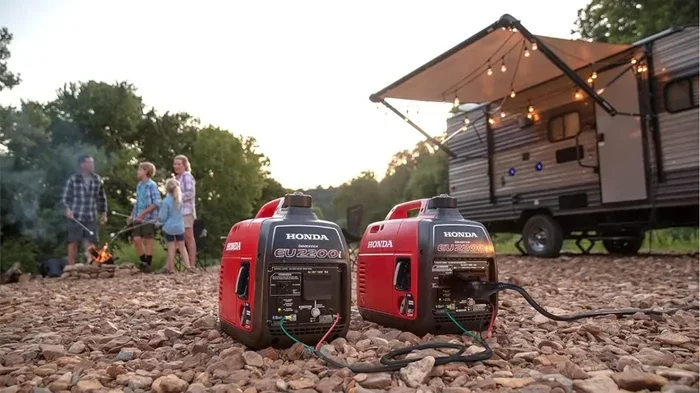
Parallel capability also gives you flexibility. You can use one generator for light loads and add the second unit when demand increases. This is especially useful for RV owners and tailgaters who do not always need full power.
Transfer Switch Compatibility
A transfer switch lets you connect your generator directly to your home’s electrical panel safely. It prevents backfeeding, which is dangerous to utility workers. Most 8500 watt generators are compatible with manual transfer switches. Some models work with automatic transfer switches for seamless backup power.
How Long Does an 8500 Watt Generator Last?
Generator lifespan depends on several factors including usage frequency, maintenance habits, and build quality. A well-maintained 8500 watt generator can last anywhere from 10,000 to 30,000 hours of operation. That translates to roughly 10 to 20 years of regular use for most households.
Runtime per tank varies by model and load. On a full tank of gasoline at 50% load, expect 10 to 14 hours of continuous operation. At full load, runtime drops to 6 to 8 hours. For those curious about battery backup alternatives, you can explore how long a generator battery lasts as a complementary power option.
Maintenance Tips for Longevity
Keeping your generator in top shape does not require a lot of effort. Follow these simple steps:
- Change the oil every 100 to 150 hours of operation or at least once per season.
- Replace the air filter every 200 hours or when it looks dirty.
- Use fresh fuel and add stabilizer if storing for more than 30 days.
- Run the generator under load for at least 15 minutes once a month to keep the engine in good condition.
- Check the spark plug annually and replace it if worn.
Regular maintenance keeps your unit running efficiently and prevents unexpected breakdowns. Think of it like changing the oil in your car. A little effort now saves you from big headaches later.
How to Choose the Right 8500 Watt Generator
With so many models on the market, picking the right one can feel overwhelming. Here are some practical tips to guide your decision.
Assess Your Power Needs
Start by listing all the appliances and tools you want to run simultaneously. Add up their running watts and factor in surge watts for motor-driven devices. This gives you a clear picture of the minimum wattage you need. If your total comes to around 6000 running watts, an 8500 watt generator gives you comfortable headroom.
If you are unsure whether this size is right for your situation, check out this guide on how big of a backup generator you need for personalized sizing advice.
Consider Noise Levels
Generator noise is measured in decibels (dB). A typical 8500 watt portable generator runs at 65 to 75 dB. That is about as loud as a vacuum cleaner. If you live in a neighborhood with close neighbors, look for models with sound dampening enclosures or inverter technology that runs quieter.
Check the Warranty
A good warranty tells you a lot about a manufacturer’s confidence in their product. Look for at least a 3-year warranty on the engine and a 1-year warranty on the frame and electrical components. Some premium brands offer extended warranties of up to 5 years.
Brand Reputation
Stick with well-known brands that have strong customer support networks. Brands like Honda, Generac, Westinghouse, and Champion have proven track records in the generator market. Read user reviews and check for common issues before making your final decision.
Testing and Evaluating Your Generator
Once you have your 8500 watt generator, it is smart to test it before you actually need it in an emergency. Load testing helps you verify that the unit performs as advertised and that all circuits work properly.
Start by connecting a few essential loads and checking the voltage output. A stable generator should deliver within 5% of its rated voltage. If the voltage fluctuates too much, it could damage sensitive electronics. Use a simple voltage meter to monitor this during your test runs.
For a deeper evaluation of your generator’s performance and capabilities, check out our generator testing guide for professional tips and best practices.
Safety Tips During Testing
- Always test your generator outdoors in a well-ventilated area.
- Never connect a generator directly to a wall outlet without a transfer switch.
- Keep the generator dry and protected from rain.
- Allow the engine to warm up for 2 to 3 minutes before connecting loads.
- Let the generator cool down for 15 minutes before refueling.
Common Mistakes to Avoid
Even experienced generator users make mistakes. Here are some common errors that can damage your unit or create safety hazards.
- Overloading the generator: Plugging in too many devices at once can trip the breaker or damage the engine. Always stay within the rated wattage.
- Using old fuel: Gasoline degrades within 30 days. Stale fuel causes hard starting and poor performance.
- Skipping oil changes: Dirty oil increases engine wear and can lead to premature failure.
- Running the generator indoors: Carbon monoxide is a silent killer. Always operate your generator outside and away from windows and doors.
- Ignoring the breaker trips: If your generator trips repeatedly, do not just reset it. Check for overloaded circuits or shorted connections.
Avoiding these simple mistakes will keep your 8500 watt generator running safely and efficiently for many years to come.
Final Thoughts on 8500 Watt Generators
An 8500 watt generator is a smart investment for anyone who needs reliable backup power or jobsite electricity. It offers the perfect balance of output, portability, and fuel efficiency. Whether you are preparing for storm season, powering tools on a worksite, or camping in the woods, this size generator delivers where it counts.
The key is to match the unit to your actual needs. Know your wattage requirements, choose the right fuel type, and commit to regular maintenance. Do your research, read reviews, and buy from a reputable dealer with solid warranty support.
With the right 8500 watt generator in your garage or jobsite trailer, you will never have to worry about losing power again. Take the time to choose wisely, and your generator will reward you with dependable performance for years to come.
Frequently Asked Questions
Can an 8500 watt generator run a central air conditioner?
Yes, most 8500 watt generators can run a central AC unit, but it depends on the size of the unit. A typical central AC needs around 3000 to 5000 running watts and 6000 to 8000 surge watts. Make sure to check the specific starting wattage of your AC unit before connecting it to your generator.
How much does an 8500 watt generator cost?
Prices range from about 800 to 2500 depending on the brand, fuel type, and features. Portable gasoline models tend to be more affordable, while standby natural gas units cost more due to installation requirements. Dual-fuel models usually fall in the middle of the price range.
Is an 8500 watt generator loud?
Most portable 8500 watt generators produce around 65 to 75 decibels, which is similar to a vacuum cleaner. Inverter models and units with sound dampening enclosures run quieter. Standby generators are generally installed away from living spaces, which reduces noise inside the home.
Can I connect two 8500 watt generators together?
Yes, if both generators support parallel capability and are from the same manufacturer or compatible models. You need a parallel kit and matching outlets. This setup doubles your power output and is useful for larger events or heavier loads.
How often should I change the oil in my 8500 watt generator?
Change the oil every 100 to 150 hours of operation or at least once per season. New generators may require an oil change after the first 20 to 30 hours of use to clear manufacturing residues from the engine internals.
Can I use an 8500 watt generator to power my entire house?
It depends on the size of your home and your electrical usage. An 8500 watt generator can handle essential circuits like lights, refrigerator, furnace blower, and a few outlets. However, it may not support high-draw appliances like an electric water heater or an electric oven simultaneously.
=== CONCLUSION ===
An 8500 watt generator is one of the most practical and versatile power solutions available today. It gives you enough electricity to handle emergencies, power tools, and outdoor events without the bulk and fuel consumption of a much larger unit. By understanding your power needs, choosing the right fuel type, and following proper maintenance practices, you can enjoy reliable performance for many years.
Take the time to compare models, read user reviews, and invest in a unit from a trusted brand. The right 8500 watt generator will give you peace of mind and keep your home or worksite running no matter what happens. Start planning your purchase today and never let a power outage catch you off guard again.