How to Choose the Best 5000 Generator for Your Home
A 5000 generator is a versatile and affordable power solution for most homes during outages. This guide walks you through everything you need to know, from wattage and fuel type to runtime and safety features. You will learn how to match the right 5000 generator to your household needs and budget.
Power outages are more common than most people think. Storms, equipment failures, and grid overloads can leave your home in the dark for hours or even days. That is exactly why a 5000 generator has become one of the most popular choices for homeowners. It strikes the perfect balance between power output and affordability. You get enough juice to keep your essentials running without breaking the bank.
But with so many options on the market, choosing the right one can feel overwhelming. What size do you really need? Which fuel type makes the most sense? And how do you avoid common mistakes that buyers regret? This guide answers all of those questions and more. By the end, you will feel confident picking out the perfect 5000 watt generator for your home.
Key Takeaways
- Right-Sized Power: A 5000 watt generator handles essential home circuits without overspending on excess capacity.
- Fuel Matters: Gasoline, propane, and natural gas each offer different runtime and cost trade-offs for your home.
- Safety First: Always use generators outdoors and follow proper installation and maintenance steps.
- Match Your Needs: Calculate your total wattage before buying to avoid underpowered or oversized units.
- Top Features Count: Look for electric start, multiple outlets, low-oil shutoff, and warranty coverage.
📑 Table of Contents
Understanding What a 5000 Generator Can Power
Before you shop, it helps to understand what a 5000 generator can actually handle. These units typically produce around 5000 watts of starting power and slightly less running power. That is enough to cover most essential household devices during an outage.
What Runs on 5000 Watts
A 5000 watt portable generator can comfortably power several key items at once. Think about your refrigerator, a few lights, your phone chargers, and a space heater. You can also run a microwave or a small television. The key is knowing your power consumption before you buy.
- Refrigerator: Around 700 watts running, 2200 watts starting
- Window AC Unit: Around 1000 watts running
- Lights (4-5 rooms): Around 200 watts total
- Phone and Laptop Chargers: Around 100 watts total
- Microwave: Around 1000 watts running
- Small Space Heater: Around 1500 watts running
Add these up and you will see that a 5000 watt generator covers the basics very well. However, you cannot run everything at once. You need to prioritize what matters most during an outage. This is where understanding your household power needs becomes critical.
Running vs. Peak Wattage
Every appliance has two power ratings. Running wattage is the continuous power it needs. Peak wattage is the extra burst of power needed when a device starts up. Your generator must handle both. Always check the labels on your appliances and add them up carefully. This simple step prevents frustrating surprises when you try to power everything at once.
Types of Generators in the 5000 Watt Range
Not all generators are the same. Even within the 5000 watt category, you have several options. Each type has its own strengths and weaknesses. Let us break them down so you can make an informed choice.
Portable Generators
A portable generator is the most common type in this size range. These units are lightweight and easy to move around. You can wheel them to where you need power most. They typically run on gasoline, which is easy to find at any gas station. The downside is that you need to refuel them periodically, and they can be noisy.
Portable generators work great for temporary power needs. If you only need backup power during short outages, this is a solid choice. They also tend to be the most affordable option in the 5000 generator category.
Inverter Generators
Inverter generators are a step up from traditional portable models. They produce cleaner, more stable power. This makes them safe for sensitive electronics like laptops and televisions. They are also significantly quieter, which is a big plus if you live in a neighborhood with noise rules.
The trade-off is price. Inverter generators in the 5000 watt range cost more than standard portable models. But if you want clean power and quiet operation, the extra cost is worth it. Many homeowners consider this the best home generator option for sensitive electronics.
Dual-Fuel and Tri-Fuel Models
Some 5000 generators can run on more than one fuel type. Dual-fuel models switch between gasoline and propane. Tri-fuel models add natural gas to the mix. This flexibility is a huge advantage. If one fuel type is unavailable during a long outage, you have a backup plan.
Propane, for example, stores indefinitely. You can stock up on tanks well before a storm hits. Natural gas models can even connect directly to your home gas line for unlimited runtime. Just keep in mind that natural gas consumption varies by model, so check the specs carefully.
How to Size a 5000 Generator for Your Home
Sizing is one of the most important steps in choosing a generator. Too small and you will overload the unit. Too large and you waste money on power you do not need. Here is how to get it right.
Step-by-Step Sizing Process
- List every appliance you want to run during an outage.
- Find the running and starting wattage for each device.
- Add up the running wattages of all devices you plan to use at the same time.
- Add the highest starting wattage to that total.
- Choose a generator that exceeds this number by at least 10 to 20 percent.
This process gives you a reliable generator size estimate. Most homeowners find that a 5000 watt unit covers their essential circuits. But if you have a larger home or want to run central air conditioning, you may need a bigger unit. In that case, consider learning more about how big of a backup generator you actually need to make the right decision.
Common Sizing Mistakes to Avoid
Many buyers make the mistake of only looking at running wattage. They forget about the starting surge. This causes the generator to trip or stall when they turn on a fridge or AC unit. Another common error is buying a generator based on brand alone without checking the actual wattage output. Always read the specifications carefully before you commit.
Fuel Types and Runtime Comparison
The fuel type you choose affects runtime, cost, and convenience. Here is a detailed look at the most common fuel options for a 5000 generator.
| Fuel Type | Runtime (Hours) | Cost per Gallon | Storage Life | Best For |
|---|---|---|---|---|
| Gasoline | 8 to 12 | $$ | 3 to 6 months | Short outages, easy access |
| Propane | 10 to 15 | $ | Indefinite | Long outages, storage |
| Natural Gas | Unlimited (line-connected) | $ | N/A | Whole-home backup |
| Dual-Fuel (Gas/Propane) | 10 to 18 | $$-$$ | Varies | Flexibility and versatility |
Gasoline is the most widely available fuel, but it has a short shelf life. If you store gasoline for emergencies, you need to rotate it every few months. Propane is a much better choice for long-term storage. And natural gas offers the most convenient option because it connects directly to your home supply.
For homeowners who want the best of both worlds, a dual-fuel generator is an excellent choice. You get the convenience of gasoline for everyday use and the reliability of propane for extended outages. Understanding your fuel type options helps you plan better for emergencies.
Key Features to Look For
Not all generators in the 5000 watt range are created equal. The best models come packed with features that make them safer, easier to use, and more reliable. Here are the features you should prioritize.
Electric Start
A pull-start engine works fine, but it gets old fast, especially during a stressful power outage. An electric start lets you fire up the generator with the push of a button. Some models even include a remote start feature, which is incredibly convenient.
Low-Oil Shutoff
This is a critical safety feature. When oil levels drop too low, the generator automatically shuts off. This prevents engine damage and extends the life of your unit. If you are comparing models, always check for this feature. It is a small detail that makes a big difference.
Multiple Outlets and USB Ports
A good 5000 generator should have a variety of outlet options. Look for standard 120V outlets, a 240V outlet for larger appliances, and USB ports for charging phones and tablets. The more options you have, the easier it is to power everything you need at once.
Noise Level
Nobody wants a generator that sounds like a jet engine. Look for models rated at 60 decibels or lower for quiet operation. This is especially important if you live in a suburban area or have close neighbors. Inverter generators in this range tend to be the quietest options available.
Warranty and Support
A solid generator warranty gives you peace of mind. Look for models that offer at least a one-year warranty on parts and labor. Some brands offer extended warranties or premium support plans. This is especially important for a home generator that you may only use a few times a year.Safety Tips for Using Your 5000 Generator
A generator is a powerful tool, but it can also be dangerous if used incorrectly. Safety should always come first. Follow these guidelines to protect your family and your home.
Never Run a Generator Indoors
This cannot be stressed enough. Generators produce carbon monoxide, which is odorless and deadly. Always run your unit outdoors, at least 20 feet away from doors and windows. Never place it in a garage, basement, or crawl space, even with the door open.
Use Proper Extension Cords
Only use heavy-duty, outdoor-rated extension cords. Check the cord rating to make sure it can handle the wattage of your appliances. Using a cord that is too thin can cause overheating and fire hazards.
Let the Generator Cool Before Refueling
Always turn off the generator and let it cool down before adding fuel. Spilled gasoline on a hot engine can ignite. This simple habit prevents fires and keeps your family safe.
Install a Carbon Monoxide Detector
Even when you follow all safety rules, it is smart to have a carbon monoxide detector near your generator area. This adds an extra layer of protection for your household.
Regular Maintenance Keeps You Safe
Like any piece of equipment, your generator needs regular maintenance. Change the oil, check the air filter, and inspect the spark plug before each use. If you want to learn more about proper upkeep, check out our guide on generator testing to make sure your unit is running safely and efficiently.
How Much Does a 5000 Generator Cost?
Price is always a factor when buying a generator. The good news is that a 5000 generator fits most household budgets. You can find solid models ranging from about 400 to 1200 dollars. The price depends on the brand, fuel type, and features included.
Basic gasoline portable generators sit at the lower end of the price range. They get the job done but may lack some of the premium features. Dual-fuel and inverter models cost more but offer greater flexibility and cleaner power. Think of it as an investment in power outage preparedness. A good generator can save you hundreds of dollars in spoiled food and discomfort during a blackout.
When comparing prices, do not just look at the upfront cost. Consider the long-term generator cost of ownership, including fuel, maintenance, and replacement parts. A slightly more expensive model with better fuel efficiency and a longer warranty can actually save you money over time.
Final Thoughts on Choosing the Best 5000 Generator
Choosing the right 5000 generator comes down to understanding your home power needs and matching them to the right unit. Calculate your wattage requirements, pick the fuel type that works best for your lifestyle, and prioritize safety features. Do not rush the decision. Take your time, compare models, and read reviews from other homeowners.
A reliable generator gives you peace of mind. You will not have to worry about food spoilage, frozen pipes, or losing power during a storm. Whether you need a simple backup for short outages or a more robust solution for extended emergencies, a well-chosen 5000 watt unit delivers exactly what you need. Start your search today and make sure your home is ready for whatever comes next.
Frequently Asked Questions
What can a 5000 generator power in a typical home?
A 5000 generator can handle most essential household items, including a refrigerator, lights, phone chargers, a microwave, and a small space heater. You may not be able to run your central air conditioning and all appliances at once, but it covers the basics comfortably during an outage.
Is a 5000 generator big enough for a whole house?
A 5000 generator is not typically large enough to power an entire house. It works best for essential circuits and key appliances. If you need whole-home coverage, you may want to explore larger units or consider learning about backup generator sizing for your specific needs.
How long can a 5000 generator run on a full tank?
Runtime varies by fuel type and load. On gasoline, most models run 8 to 12 hours at half load. Propane models can run 10 to 15 hours, and dual-fuel models may extend that even further. Always check the manufacturer’s rated runtime for the specific model you are considering.
Can I connect a 5000 generator directly to my home electrical system?
You should never plug a generator directly into a wall outlet. This is dangerous and can cause backfeed, which endangers utility workers. Instead, use a transfer switch installed by a licensed electrician. This safely routes generator power to your home circuits.
What is the difference between a 5000 portable generator and a standby generator?
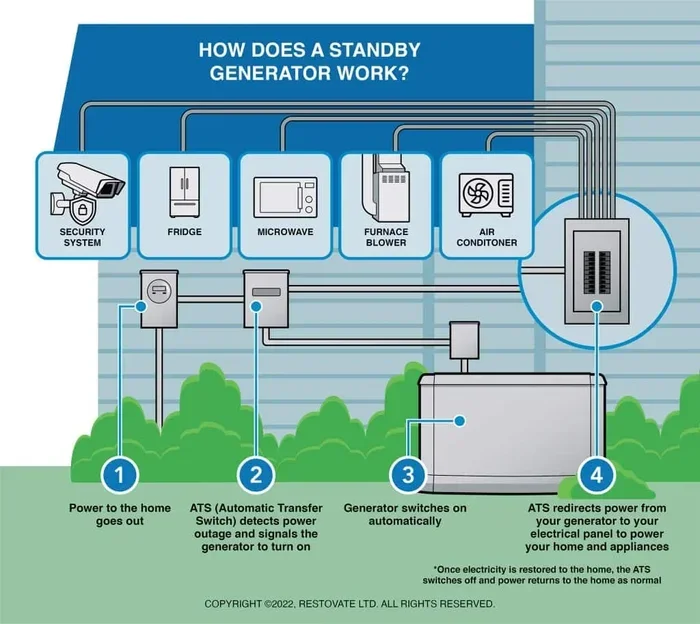
A portable 5000 generator is manual, movable, and typically runs on gasoline or propane. A standby generator is permanently installed outside your home and kicks on automatically during an outage. Standby units are more expensive but offer greater convenience and automatic operation.
How often should I maintain my 5000 generator?
You should perform basic maintenance before each use season. This includes checking the oil, inspecting the air filter, testing the spark plug, and running the generator for a few minutes to keep the engine fresh. Regular generator maintenance ensures reliable performance when you need it most.