Can You Bypass the AC Compressor Pulley and Still Stay Cool
Yes, you can bypass the AC compressor pulley in certain situations. Whether your compressor has failed, you want to reduce engine drag, or you are running a backup power setup, removing or bypassing the pulley is possible with the right approach. This guide covers every method, risk, and alternative so you can make an informed decision and keep your vehicle cool without the compressor.
Have you ever been stuck on a scorching summer day with a broken air conditioning system? The heat can be unbearable, and the last thing you want is to spend hundreds of dollars on a full AC compressor replacement. That is when the question pops up: can you bypass the AC compressor pulley and still stay cool?
The short answer is yes. You can bypass the AC compressor pulley in many situations. But the real question is whether you should. There are several methods, risks, and alternatives to consider before you start wrenching on your vehicle. This guide walks you through everything you need to know about the AC compressor pulley, why you might want to bypass it, and how to do it safely.
We will also explore practical alternatives, expert tips, and common mistakes so you can make the best decision for your cooling needs. Whether you are a DIY mechanic or just someone trying to beat the heat, this article has you covered.
Key Takeaways
- Bypassing is possible: You can remove or replace the AC compressor pulley with a bypass pulley kit to keep the serpentine belt running smoothly.
- Multiple methods exist: From full bypass kits to simply removing the belt, each approach has pros and cons for your specific situation.
- Risks are real: Bypassing the pulley can affect belt tension, engine accessories, and long-term cooling system health if done incorrectly.
- Alternatives work too: Portable coolers, window units, and generator-powered AC units can keep you comfortable without a working compressor pulley.
- Professional help matters: For complex setups, consulting a mechanic ensures you do not damage your engine or accessory drive system.
- Prevention saves money: Regular maintenance of your AC pressure switch, belt tensioner, and refrigerant lines can help you avoid needing a bypass in the first place.
📑 Table of Contents
- Understanding the AC Compressor Pulley
- Why Would You Want to Bypass the AC Compressor Pulley?
- Methods to Bypass the AC Compressor Pulley
- Can You Still Stay Cool Without the Compressor?
- Potential Risks and Downsides of Bypassing the Pulley
- Step-by-Step Guide to Bypassing the AC Compressor Pulley
- Expert Tips for Keeping Your Vehicle Cool
- Common Mistakes to Avoid When Bypassing the Pulley
- When to Call a Professional
- Final Thoughts on Bypassing the AC Compressor Pulley
Understanding the AC Compressor Pulley
Before you can bypass anything, you need to understand how the AC compressor pulley works. It is not just a spinning wheel on your engine. It plays a critical role in your entire air conditioning system.
What Does the AC Compressor Pulley Do?
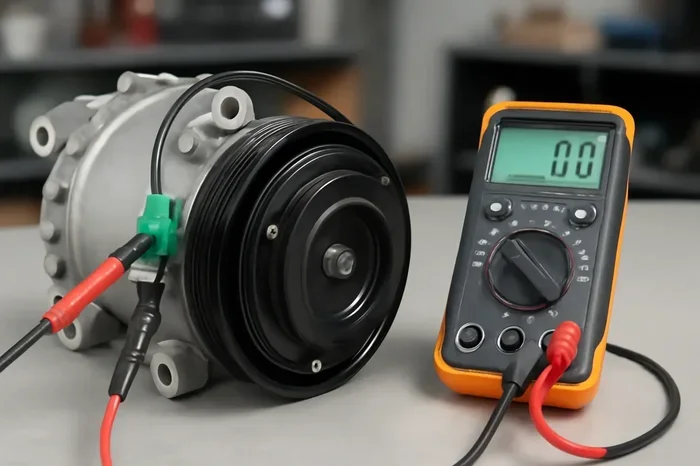
The compressor pulley is driven by the serpentine belt on your engine. When the AC system is turned on, the compressor clutch engages, and the pulley spins the compressor. This compresses the refrigerant and circulates it through the refrigerant lines. The result? Cold air blowing through your vents.
When the AC is off, the clutch disengages. The pulley still spins freely on the belt, but the compressor does not run. This design saves engine power when you do not need cooling.
How the Pulley Connects to the AC System
The AC compressor pulley connects to several key components:
- The serpentine belt: This single belt drives multiple engine accessories, including the compressor pulley, alternator, and power steering pump.
- The belt tensioner: This keeps the serpentine belt tight so it does not slip.
- The AC pressure switch: This monitors refrigerant pressure and signals the compressor clutch to engage or disengage.
- The idler pulley: This helps route the serpentine belt around all accessories, including the compressor pulley.
When any of these components fail, it can affect the entire belt-driven system. For example, a seized compressor can lock up the serpentine belt and damage other accessories. This is one reason people consider bypassing the pulley entirely.
Why Would You Want to Bypass the AC Compressor Pulley?
There are several valid reasons someone might want to remove or bypass the AC compressor pulley. Let us look at the most common ones.
Common Reasons for Bypassing
1. Failed Compressor Clutch. The compressor clutch is what engages and disengages the pulley. If it fails, the compressor may either never turn or stay locked on all the time. A locked compressor can snap the serpentine belt and leave you stranded.
2. Compressor Seizure. When the internal parts of the compressor seize up, the pulley cannot spin freely. This puts tremendous strain on the engine accessory belt and can cause the belt to break. Removing the compressor or bypassing the pulley eliminates this risk.
3. Reducing Engine Drag. Some enthusiasts remove the AC compressor to reduce parasitic engine drag. This can slightly improve fuel efficiency and horsepower, especially in older vehicles with high-mileage engines.
4. Custom Cooling Setups. If you are running a custom cooling system or a portable unit, you may not need the factory compressor at all. A bypass pulley keeps the belt routing clean without the compressor in the picture.
When the Compressor Needs to Be Removed
Sometimes bypassing the pulley is not enough. You may need to remove the entire compressor. This is common when:
- The compressor has internal damage and leaks refrigerant.
- The refrigerant lines are corroded or damaged.
- You are converting the vehicle to a different cooling system.
- The AC compressor replacement cost is too high and you need a temporary fix.
In these cases, a bypass pulley or a removed belt setup is the way to go. Just make sure you understand the trade-offs before you start.
Methods to Bypass the AC Compressor Pulley
There are several ways to bypass or remove the AC compressor pulley. Each method has its own benefits and drawbacks. Let us break them down.
Method 1: Using a Bypass Pulley Kit
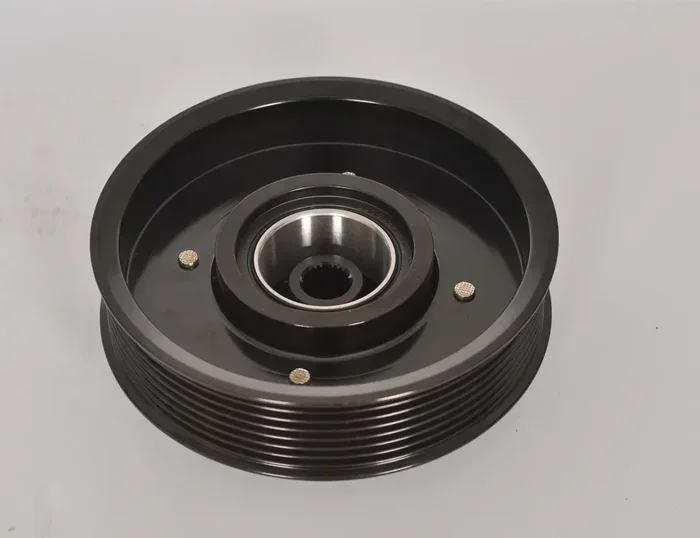
A bypass pulley kit is the cleanest and most professional way to remove the compressor from the belt path. The kit includes a specially designed pulley that replaces the compressor pulley on the bracket. The serpentine belt routes over this new pulley instead.
Here is why a bypass pulley kit works well:
- It maintains proper belt tension and routing.
- It keeps the accessory drive system balanced.
- It looks clean and professional under the hood.
- It does not require you to shorten or modify the serpentine belt.
Bypass pulley kits are available for many popular vehicle models. You can find them online or at auto parts stores. Make sure to get the right kit for your specific make and model.
Method 2: Removing the Belt Entirely
If you do not need AC at all, you can simply remove the serpentine belt. This is the simplest method but also the most limiting. Without the belt, you lose power to the alternator, power steering pump, and water pump (on some vehicles).
This method is only recommended for short-term use or for vehicles that sit idle for long periods. If you need to drive the car, removing the belt entirely is not a good idea.
Method 3: Shortening the Serpentine Belt
Another option is to shorten the serpentine belt so it skips the compressor pulley altogether. This involves getting a belt that is the right length for the new routing path.
Some things to keep in mind:
- You need to know the correct belt length for the new routing.
- The belt tensioner must still maintain proper tension.
- This method works best when the compressor is completely removed from the bracket.
Shortening the belt is a popular DIY approach, but it requires careful measurement and planning.
Method 4: Using an AC Compressor Bypass Pulley with a Clutch
For those who want to keep the option of turning the AC on and off, there are bypass pulleys with an integrated clutch. These allow you to engage or disengage the compressor as needed. This is the most versatile option but also the most expensive.
If you are considering this route, make sure the clutch is compatible with your vehicle’s electrical system. Some setups require wiring in a separate switch or relay.
Can You Still Stay Cool Without the Compressor?
This is the big question. If you bypass or remove the AC compressor pulley, how do you stay cool? The answer depends on your situation and what alternatives you have available.
Alternative Cooling Solutions
1. Portable Evaporative Coolers. These devices use water and a fan to create cool air. They work best in dry climates and are great for outdoor events or garage workshops. They do not need a compressor or refrigerant to operate.
2. Portable Air Conditioners. If you have access to electricity, a portable AC unit can cool a room or vehicle effectively. These units plug into a standard outlet or a generator.
3. Generator-Powered AC Units. If you are heading out on a camping trip or tailgate, a portable generator can power a small AC unit. Just make sure you know how long the generator can run on a full tank, and check that it can handle the AC unit’s power draw. You should also make sure the generator is set up in a well-ventilated area, because you need to know whether a generator can get wet before using it outdoors in humid conditions.
4. Window AC Units for Stationary Vehicles. If your vehicle is parked at a worksite or cabin, a window-style AC unit can provide reliable cooling. These units are affordable and easy to install.
5. Reflective Window Shades and Vent Covers. Sometimes the simplest solution is the best. Reflective shades reduce heat buildup inside a vehicle, and vent covers keep hot air out while you are parked.
Using a Generator for Cooling on the Go
If you rely on a portable generator to power your cooling setup, there are a few things to keep in mind. First, always place the generator on a stable, flat surface away from direct rain or standing water. You should also check the manufacturer’s guidelines for runtime, because some units can run continuously for hours while others need frequent breaks to avoid overheating.
For those who use generators regularly, knowing the runtime and weather limitations is essential. You can find detailed information on how long a generator can run continuously and what conditions it can safely handle in our other guides.
Potential Risks and Downsides of Bypassing the Pulley
Bypassing the AC compressor pulley is not without risks. Before you make any changes, you should understand what could go wrong.
Engine Load and Belt Issues
Removing the compressor reduces the load on the serpentine belt and engine. But it also changes the belt routing and tension. If the belt is too loose, it can slip and cause overheating of other accessories. If it is too tight, it can strain the bearings in the alternator and power steering pump.
Always double-check belt tension after any bypass modification. A loose belt is one of the most common causes of accessory failures.
Long-Term Damage Concerns
Here is something many people overlook. If you bypass the compressor but leave the refrigerant lines connected, residual refrigerant can leak out over time. This can damage the lines and create a mess. It is best to either cap the lines or have them properly sealed.
Also, if your vehicle has an AC pressure switch, it may throw a warning light or code when the compressor is not engaged. This can be confusing and may require a reset or a simple bypass of the switch wiring.
Resale Value and Inspection Concerns
If you plan to sell your vehicle, removing or bypassing the AC compressor can reduce its resale value. Many buyers expect a fully functional AC system. In some states, a vehicle that cannot pass an emissions or safety inspection due to a missing AC system may be harder to sell.
Step-by-Step Guide to Bypassing the AC Compressor Pulley
Ready to give it a try? Here is a general step-by-step guide. Always consult your vehicle-specific service manual before starting any work.
Tools You Will Need
- Socket set and wrenches
- Serpentine belt tool
- Bypass pulley kit (if using Method 1)
- New serpentine belt (if using Method 3)
- Rubber gloves and safety glasses
- Penetrating oil (for stubborn bolts)
The Bypass Process
Step 1: Disconnect the Battery. Always start by disconnecting the negative terminal on the battery. This prevents any electrical shorts while you work.
Step 2: Release Belt Tension. Use the serpentine belt tool to rotate the tensioner and release the belt. Carefully remove the belt from the pulleys.
Step 3: Remove the AC Compressor. If you are using a bypass pulley kit, you will need to unbolt the compressor from its mount. Keep the mounting bracket in place if you plan to reuse it.
Step 4: Install the Bypass Pulley. Mount the bypass pulley onto the compressor bracket or a new bracket. Make sure it aligns properly with the other pulleys.
Step 5: Route the Belt. Install the serpentine belt over the new pulley and all other accessories. Follow the routing diagram in your vehicle manual or on the belt routing sticker under the hood.
Step 6: Check Tension and Test. Release the tensioner and let the belt settle. Start the engine and listen for any unusual noises. Check that all accessories are working properly.
Step 7: Cap the Refrigerant Lines. If you removed the compressor, cap the refrigerant lines to prevent leaks and contamination. Label them clearly so you know which line is the high-pressure side and which is the low-pressure side.
Expert Tips for Keeping Your Vehicle Cool
Even if you bypass the AC compressor pulley, staying cool is still possible with a few smart strategies. Here are some expert tips from seasoned mechanics and car enthusiasts.
- Keep your windows tinted. Quality window tinting can reduce interior temperatures by 10 to 15 degrees Fahrenheit. This makes a huge difference when you are parked in direct sunlight.
- Use a sunshade. A simple windshield sunshade reflects heat away from the dashboard and interior. It is one of the cheapest and most effective cooling tools you can use.
- Park in the shade. This may sound obvious, but it makes a real difference. Even partial shade can keep your vehicle significantly cooler.
- Crack the windows slightly. This allows hot air to escape and prevents the interior from becoming a greenhouse. Just enough to let airflow in is sufficient.
- Keep a portable fan handy. A USB-powered or battery-operated fan can circulate air and provide relief until you can get to a cooler spot.
- Maintain your cooling system. Even without AC, your vehicle’s engine cooling system matters. Make sure your radiator, coolant levels, and water pump are in good shape. A healthy cooling system also helps keep the cabin temperature more comfortable.
These tips may seem simple, but they add up. Many people who bypass their AC compressor find that combining several of these strategies keeps them comfortable even on the hottest days.
Common Mistakes to Avoid When Bypassing the Pulley
DIY projects can go wrong quickly if you are not careful. Here are the most common mistakes people make when bypassing the AC compressor pulley.
- Forgetting to cap the refrigerant lines. This leads to leaks, contamination, and potential environmental hazards. Always cap or properly seal any exposed lines.
- Using the wrong belt size. A belt that is too long or too short will slip or put excessive strain on accessories. Measure twice and buy once.
- Ignoring the AC pressure switch. Leaving the pressure switch connected without a compressor can trigger warning lights and error codes. Disconnect or bypass it properly.
- Skipping the belt tension check. A loose belt causes squealing, slipping, and accessory failure. Always verify tension after any belt modification.
- Not checking local regulations. In some areas, removing the AC system entirely may violate emissions or safety regulations. Check your local laws before making any permanent changes.
Avoiding these mistakes saves you time, money, and headaches. A little preparation goes a long way.
When to Call a Professional
Not every bypass project is a DIY job. If you are uncomfortable working with the serpentine belt system, refrigerant lines, or electrical components, it is okay to call a professional. A certified mechanic can:
- Properly diagnose why your AC compressor failed.
- Install a bypass pulley kit correctly.
- Handle refrigerant recovery and line capping safely.
- Ensure your vehicle passes inspection after the modification.
Sometimes the cost of a professional is worth the peace of mind. Especially if you are not familiar with the accessory drive system on your specific vehicle model.
Final Thoughts on Bypassing the AC Compressor Pulley
So, can you bypass the AC compressor pulley and still stay cool? Absolutely. Whether you use a bypass pulley kit, remove the compressor entirely, or explore alternative cooling solutions, you have options. The key is to understand the risks, choose the right method for your situation, and take the necessary precautions.
Bypassing the compressor pulley can save you money, reduce engine drag, and give you a temporary or permanent solution when the AC system is not working. But it is not a decision to make lightly. Consider your driving needs, local regulations, and long-term plans before you start.
Stay cool, stay safe, and always prioritize proper installation. Your vehicle and your comfort will thank you.
Frequently Asked Questions
Is it safe to drive without an AC compressor pulley?
Yes, it is generally safe to drive without the AC compressor pulley, especially if you use a bypass pulley kit or properly route the serpentine belt. However, you should make sure all other accessories like the alternator and power steering pump continue to function normally. Always check belt tension and listen for unusual noises after the modification.
Will bypassing the AC compressor pulley save fuel?
It can, but the savings are usually small. Removing the compressor reduces parasitic engine drag, which can improve fuel efficiency by a small margin. The actual savings depend on your vehicle, driving conditions, and how much you rely on the AC system. For most drivers, the improvement is minimal but not zero.
Can I still use my AC if I bypass the compressor pulley?
No, bypassing the pulley means the compressor will not run, so you will not get cold air from the factory AC system. However, you can use portable coolers, fans, or generator-powered AC units as alternatives. These options do not rely on the vehicle’s compressor to work.
How much does a bypass pulley kit cost?
A bypass pulley kit typically costs between $30 and $100, depending on your vehicle make and model. This is much cheaper than a full AC compressor replacement, which can range from $500 to $1,500 or more including parts and labor. The kit is a budget-friendly option if you do not need the AC system running.
What happens to the refrigerant if I remove the compressor?
If you remove the compressor, you should have the refrigerant properly recovered by a certified technician. Releasing refrigerant into the atmosphere is illegal in many places and harmful to the environment. The technician can also cap the refrigerant lines to prevent leaks and contamination after the compressor is removed.
Can I reinstall the AC compressor later after bypassing it?
Yes, you can reinstall the AC compressor later if you want to restore full AC functionality. Just make sure the refrigerant lines are properly sealed and the system is recharged with the correct amount of refrigerant. If the lines have been capped and stored properly, the reinstallation process is straightforward for most vehicles.
=== CONCLUSION ===
Bypassing the AC compressor pulley is a practical solution when your compressor fails, you want to reduce engine drag, or you need a temporary fix. With the right method, tools, and precautions, you can keep your vehicle running smoothly and stay cool using alternative cooling solutions. Whether you choose a bypass pulley kit, belt shortening, or a portable AC unit powered by a generator, the options are out there.
Just remember to address the risks, follow proper installation steps, and consider your long-term plans. A little knowledge and preparation go a long way toward keeping you comfortable on the road. Stay cool and drive safe.