Small Power Generator How to Choose the Right One Today
Choosing the right small power generator doesn’t have to be overwhelming. This guide walks you through everything you need to know about small power generators, from wattage and fuel types to runtime and portability. You’ll learn how to match a generator to your specific power needs and avoid common buying mistakes.
Key Takeaways
- Match wattage to your needs: Calculate your total power load before buying a small power generator to avoid under or over-sizing.
- Fuel type matters: Gasoline, propane, natural gas, and solar options each have unique pros and cons for different situations.
- Portability and noise level are key: A small power generator should be easy to move and quiet enough for your environment.
- Runtime affects convenience: Look for models with long runtimes and easy refueling for uninterrupted power.
- Maintenance keeps it running: Regular upkeep extends the life of your small power generator and prevents unexpected failures.
- Avoid common mistakes: Overloading, ignoring fuel storage, and skipping surge wattage checks are top errors to dodge.
📑 Table of Contents
- Small Power Generator: How to Choose the Right One Today
- What Is a Small Power Generator and Why Do You Need One?
- Types of Small Power Generators You Should Know About
- Key Features to Look for in a Small Power Generator
- How to Size a Small Power Generator for Your Needs
- Maintenance Tips to Keep Your Small Power Generator Running Strong
- Common Mistakes to Avoid When Buying a Small Power Generator
- Final Thoughts: Finding Your Perfect Small Power Generator
Small Power Generator: How to Choose the Right One Today
Have you ever been stuck without power during a storm or camping trip? A small power generator can be a real lifesaver. These compact machines give you electricity when you need it most. Whether you’re prepping for emergencies or powering tools at a job site, the right generator makes all the difference.
But here’s the thing. There are so many options out there. It can feel like a maze. That’s exactly why we put together this guide. By the end, you’ll know exactly what to look for. You’ll understand wattage, fuel types, and all the features that matter. Let’s dive in and make this easy for you.
What Is a Small Power Generator and Why Do You Need One?
A small power generator is a portable or compact device that converts fuel or solar energy into electricity. Unlike massive industrial units, these generators are designed for personal, home, or light commercial use. They typically produce between 1,000 and 7,500 watts of power.
So why would you need one? There are plenty of reasons. Power outages happen more often than you’d think. Storms, grid failures, and equipment issues can leave you in the dark for hours or even days. A small power generator keeps your essentials running. Think lights, refrigerators, phones, and medical devices.
Beyond emergencies, these generators are great for outdoor activities. Camping, tailgating, and RV trips all benefit from a reliable portable power source. Contractors use them on job sites where outlets aren’t available. The versatility of a small portable generator makes it a smart investment for almost anyone.
Who Benefits Most from a Small Power Generator?
- Homeowners: Keep essential circuits running during outages.
- Campers and RV owners: Enjoy modern comforts off the grid.
- Contractors: Power tools at remote job sites.
- Farmers and ranchers: Run equipment in fields without access to electricity.
- Preppers: Maintain backup power for survival situations.
Types of Small Power Generators You Should Know About
Not all generators are the same. Understanding the different types helps you narrow down your choices. Each type has strengths and weaknesses depending on your use case.
Conventional Portable Generators
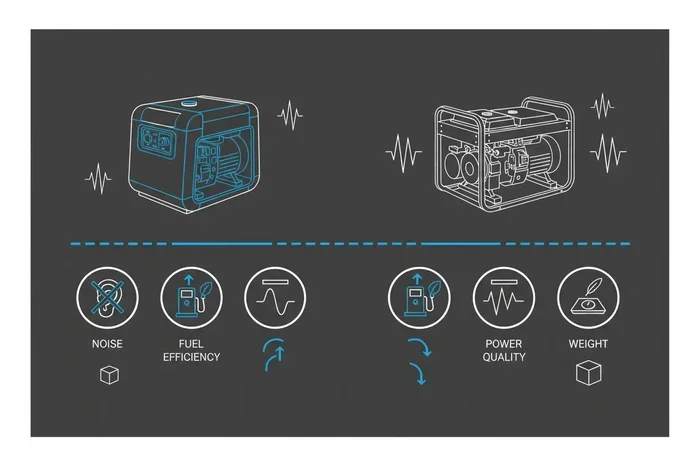
This is the most common type of small power generator you’ll find. They run on gasoline or propane and are relatively affordable. Conventional generators produce raw AC power and tend to be louder. However, they offer high wattage output for the price. They work well for construction sites and backup power during storms.
Inverter Generators
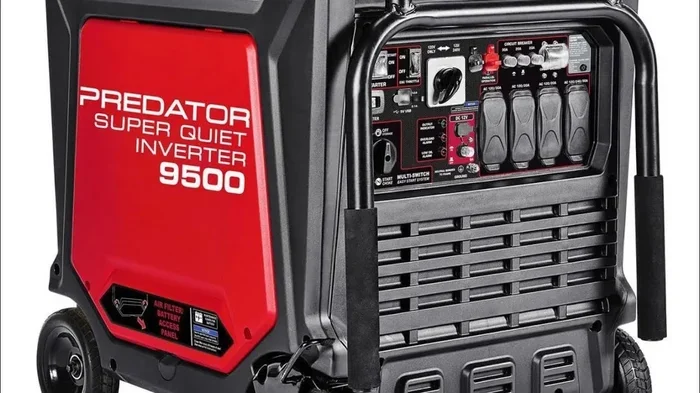
Inverter generators are a step up in technology. They produce cleaner, more stable power that’s safe for sensitive electronics like laptops and phones. These units are also lighter and quieter than conventional models. If you’re camping or need power for electronics at home, an inverter small power generator is a great choice. The tradeoff is a higher price tag.
Solar Generators
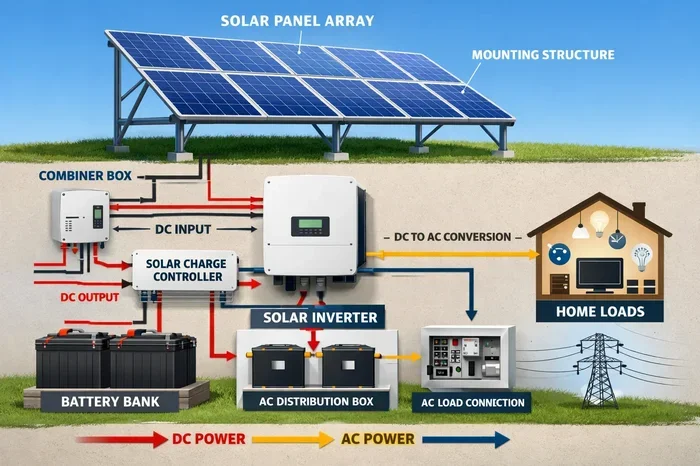
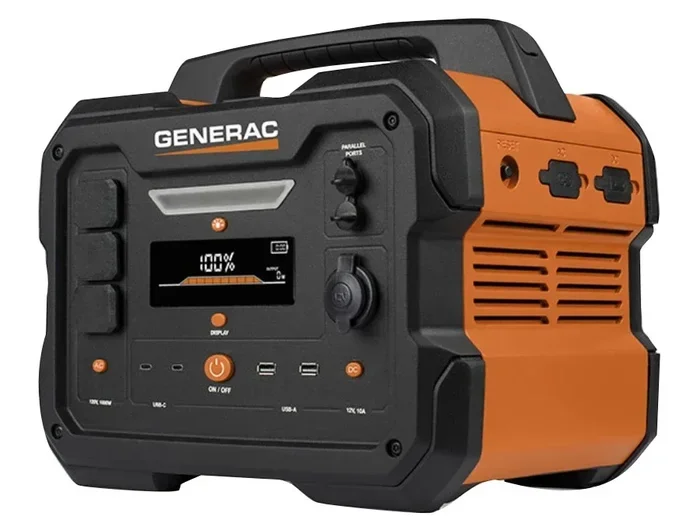
Solar-powered generators are gaining popularity fast. They use solar panels to charge a battery bank and produce silent, emission-free power. These are perfect for quiet environments like campsites or indoor use. The downside is they depend on sunlight and have limited runtime. For a reliable small solar generator, pair it with a backup fuel option.
Dual-Fuel and Tri-Fuel Generators
Some small power generators can run on multiple fuel types. Dual-fuel models switch between gasoline and propane. Tri-fuel options add natural gas to the mix. This flexibility is handy when fuel availability is uncertain. It also lets you choose the most affordable or accessible fuel at any given time.
Key Features to Look for in a Small Power Generator
Not every generator has the same features. Knowing what matters helps you avoid wasting money on things you don’t need. Here are the features that really count.
Wattage and Power Output
Wattage is the most important spec to understand. There are two numbers you need to know. Running wattage is the continuous power a generator produces. Surge wattage is the extra power it can deliver for a short burst, usually when starting motors.
To choose the right size, add up the wattage of everything you plan to run. A refrigerator needs about 700 running watts and 2,000 surge watts. A sump pump might need 1,300 running watts. A laptop uses around 300 watts. Make a list and total it up. Then add a 20% buffer for safety.
Runtime and Fuel Tank Size
Runtime tells you how long the generator can run on a single tank of fuel. A small power generator with a larger tank will run longer between refuels. Look for models that offer at least 8 to 12 hours of runtime at half load. Some modern units even have fuel gauges that tell you exactly how much juice is left.
If you plan to use the generator for extended periods, consider one with a large fuel tank or an option for an external fuel line. This is especially useful for home backup generators that need to run through the night.
Noise Level
Nobody wants a generator that sounds like a jet engine. Noise is measured in decibels (dB). Most small generators fall between 50 and 80 dB. Inverter generators tend to be the quietest, often around 50 to 60 dB. That’s about as loud as a normal conversation. Conventional generators can hit 75 dB or more.
If you’re using the generator near your home or in a campground, noise level matters a lot. Check local noise ordinances too. Some areas have strict limits on generator sound levels.
Portability and Weight
A small portable generator should be easy to move around. Look for models with built-in handles and wheels. Weight can range from 30 pounds for compact units to over 100 pounds for larger models. If you’re carrying it to a campsite or job site, lighter is better. But don’t sacrifice power just to save a few pounds.
Outlets and Connectivity
Check the types of outlets available on the generator. Standard 120V outlets work for most household appliances. Some models also offer 240V outlets for heavy-duty tools or appliances. USB ports are a nice bonus for charging phones and tablets. The more outlet options you have, the more flexible the generator becomes.
How to Size a Small Power Generator for Your Needs
Sizing is where most people go wrong. They either buy too little or overspend on too much power. Here’s a simple way to get it right.
Step 1: List Your Essential Appliances
Write down every device you want to run during an outage. Include the starting and running wattage for each. You can usually find these numbers on the device label or in the owner’s manual.
Step 2: Add Up the Wattage
Sum up all the running watts. Then find the highest surge watt among your devices. Add that surge number to your total running watts. The result is the minimum generator size you need.
Step 3: Choose a Generator That Exceeds That Number
Always buy a generator with a capacity 10 to 20 percent higher than your calculated need. This gives you room to breathe and prevents overloading. Overloading a small power generator can damage both the generator and your appliances.
Quick Sizing Guide
- Basic needs (lights, phone charging, fridge): 2,000 to 3,000 watts
- Moderate needs (add tools, microwave, TV): 3,000 to 4,500 watts
- Full home essentials (add AC, washer, dryer): 5,000 to 7,500 watts
Maintenance Tips to Keep Your Small Power Generator Running Strong
A generator is only as good as its maintenance. Neglecting upkeep leads to poor performance and early failure. Follow these simple steps to keep your unit in top shape.
Change the Oil Regularly
Most manufacturers recommend changing the oil after the first 20 to 30 hours of use. After that, change it every 100 hours or at least once per season. Fresh oil keeps the engine running smoothly and extends its lifespan significantly.
Store Fuel Properly
Gasoline degrades over time. Old fuel can clog the carburetor and prevent the generator from starting. Use fuel stabilizer if you plan to store the generator for more than 30 days. Always store fuel in approved containers in a cool, well-ventilated area.
Run the Generator Monthly
Even if you don’t need it, start your generator once a month and let it run for about 15 minutes. This keeps the engine lubricated and prevents fuel system issues. It also confirms the generator is ready when you actually need it.
Check the Air Filter and Spark Plug
A dirty air filter reduces efficiency and power output. Inspect it regularly and clean or replace it as needed. The spark plug should also be checked and replaced annually. These small tasks make a big difference in performance.
If you want to learn more about keeping your generator in great shape, check out our guide on generator testing for tips on performance checks.
Common Mistakes to Avoid When Buying a Small Power Generator
Even informed buyers sometimes make mistakes. Here are the most common ones and how to avoid them.
Ignoring Surge Wattage Requirements
Many people only look at running watts. But starting a fridge or AC unit requires a burst of extra power. If your generator can’t handle that surge, it will stall or trip. Always check the surge rating before you buy.
Choosing the Wrong Fuel Type
Gasoline is the most common fuel, but it has a short shelf life. Propane lasts much longer and burns cleaner. Natural gas is convenient if you already have a gas line at home. Choose the fuel type that fits your storage situation and local availability. For more details on fuel consumption, see our article on how much natural gas a generator uses.
Skipping Runtime Calculations
A generator that runs for only 4 hours won’t help you through a long outage. Always check runtime at both full load and half load. A unit that lasts 10 hours at half load is far more practical for home backup than one that dies after 5 hours at full load.
Forgetting About Portability
If you plan to move the generator around, weight and design matter. A unit without wheels or a sturdy handle becomes a hassle quickly. Think about where and how you’ll use it before you decide on a model.
Neglecting the Battery and Electrical Connections
Some generators rely on batteries for starting or powering digital displays. A dead battery means a generator that won’t start. Also, make sure your generator’s electrical connections match your home’s setup. For insights on battery life, visit our guide on how long a generator battery lasts.
Final Thoughts: Finding Your Perfect Small Power Generator
Choosing a small power generator comes down to understanding your power needs and matching them to the right unit. Consider the types available, the features that matter most, and the common pitfalls to avoid. Take your time, do the math on wattage, and don’t rush the decision.
The right generator gives you peace of mind. It keeps your home running during blackouts. It powers your adventures in the great outdoors. It’s a reliable companion when the grid fails. Start with the basics, invest in a quality unit, and maintain it well. Your future self will thank you the next time the lights go out.
Remember to explore our resources on electrical generators for broader insights into generator types and applications. And don’t forget to factor in fuel costs and runtime when comparing models. A well-chosen small power generator is one of the smartest investments you can make for your home or business.
Frequently Asked Questions
What size small power generator do I need for a home outage?
For basic home essentials like lights, a refrigerator, and phone charging, a 2,000 to 3,000 watt generator works well. If you need to run additional appliances like a microwave or AC unit, aim for 4,500 to 5,000 watts. Always add a 20% buffer to your total calculated wattage to be safe.
Is a small power generator safe to use indoors?
No. Generators produce carbon monoxide, which is deadly. Always use a small power generator outdoors in a well-ventilated area. Never run it inside a garage, basement, or tent, even with the doors open. Carbon monoxide is odorless and colorless, making it extremely dangerous.
How long can a small power generator run continuously?
Most small generators can run for 8 to 12 hours on a full tank at half load. Some larger models can go even longer. Check the runtime specifications before purchasing. For extended use, plan to refuel and let the unit cool down periodically.
What fuel is best for a small power generator?
Gasoline is the most common and widely available fuel. Propane burns cleaner and has a longer shelf life. Natural gas is convenient for permanent setups. Solar generators offer silent, emission-free power but depend on sunlight. Choose based on your storage options and usage needs.
How often should I maintain my small power generator?
Change the oil after the first 20 to 30 hours of use, then every 100 hours or seasonally. Check the air filter and spark plug monthly. Run the generator for 15 minutes once a month to keep the engine lubricated and ready for use.
Can I connect a small power generator to my home’s electrical system?
Yes, but you need a transfer switch installed by a licensed electrician. This prevents backfeeding electricity into the grid, which is dangerous for utility workers. A transfer switch safely routes generator power to your home’s circuits during an outage.