When Was the Air Compressor Invented and Why It Matters
The air compressor has a rich history dating back to the 1600s, when early scientists first explored compressed air and vacuum technology. Over centuries, inventors refined the concept, leading to the powerful and versatile air compressors we rely on today. Understanding this history helps you appreciate how far compressed air technology has come and why it remains essential in countless applications.
Have you ever wondered about the story behind one of the most useful tools in any workshop or garage? The air compressor has a surprisingly long and fascinating history. It stretches back hundreds of years, long before most of the machines we use today even existed.
In this article, we will explore when the air compressor was invented, who created it, and how it evolved into the essential tool millions of people rely on every day. Whether you are a DIY enthusiast, a professional mechanic, or just curious about compressed air technology, this guide has something for you.
The journey from simple air pumps to modern portable air compressors is truly remarkable. Let us dive into the history and see how this incredible invention changed the world.
Key Takeaways
- Early Beginnings: The concept of compressed air dates back to the 17th century with pioneers like Otto von Guericke and Denis Papin.
- Industrial Revolution Boost: Steam-powered compressors emerged in the 1800s, transforming manufacturing and mining.
- Modern Evolution: Today’s air compressors come in many types, from portable units to heavy-duty industrial machines.
- Wide Applications: Compressors power pneumatic tools, paint sprayers, inflation systems, and much more.
- Future Trends: Smart compressors and energy-efficient models are shaping the next generation of compressed air technology.
- DIY Friendly: Homeowners and hobbyists benefit greatly from owning a basic portable air compressor.
- Power Matters: Choosing the right compressor depends on your specific needs, much like selecting the right generator for your setup.
📑 Table of Contents
- The Early Beginnings of Compressed Air
- The 1800s: The Industrial Revolution Sparks Change
- Key Milestones in Air Compressor Development
- Types of Air Compressors Today
- How Air Compressors Work
- Common Uses for Air Compressors
- How to Choose the Right Air Compressor
- Common Mistakes People Make with Air Compressors
- Expert Insights on the Future of Air Compressors
- Key Takeaways
- Conclusion
The Early Beginnings of Compressed Air
The idea of using compressed air goes way back. People have always been fascinated by the power of air under pressure. But the real journey began in the 1600s with some very clever thinkers.
Otto von Guericke and the First Vacuum Experiments
In 1650, a German scientist named Otto von Guericke built one of the first mechanical air pumps. He wanted to understand the power of a vacuum. His famous Magdeburg hemispheres experiment showed just how strong air pressure could be. Two copper hemispheres were placed together and the air was pumped out. Teams of horses could not pull them apart!
This experiment proved something important. Air has real weight and force. It can push and pull with tremendous power. Guericke’s work laid the groundwork for everything that came next in air compression history.
Denis Papin and the Steam Digester
In the 1670s, French physicist Denis Papin took things a step further. He invented the steam digester, a sealed pot that used steam pressure to cook food faster. This was an early form of pressure vessel technology. Papin showed that trapped steam and air could create powerful force.
His ideas about pressure and steam would later influence the development of industrial compressors. Without Papin’s early experiments, the path to modern compressed air technology might have looked very different.
Early Air Pumps in Science
Throughout the 1700s, scientists used vacuum pumps and air compression devices for experiments. Robert Boyle and Robert Hooke studied how gases behave under pressure. They discovered that compressing air heats it up and that expanding air cools it down.
These findings were crucial. They helped people understand the basic science behind air compression. Every air compressor you see today works on these same principles discovered centuries ago.
The 1800s: The Industrial Revolution Sparks Change
The 1800s brought massive changes to compressed air technology. The Industrial Revolution created a huge demand for reliable power sources. Factories, mines, and construction sites needed better ways to get work done.
The First Practical Compressors
In the early 1800s, engineers began building the first practical mechanical compressors. These machines used steam engines to compress air. They were bulky and inefficient by today’s standards. But they worked. And they opened the door to new possibilities.
One of the earliest uses was in mining. Compressed air powered drills that could break through hard rock. This made mining safer and more efficient. Workers no longer had to rely only on hand tools and explosives.
Pneumatic Tools Take Off
The 1850s and 1860s saw the rise of pneumatic tools. These are tools powered by compressed air instead of electricity or steam. Drills, hammers, and wrenches all got a huge upgrade.
Simon Ingersoll patented the first pneumatic drill in 1871. This invention changed construction forever. Workers could now drill through rock and concrete much faster. The demand for air compressors to power these tools grew quickly.
By the end of the 1800s, factories across Europe and America used compressed air systems. They powered conveyor belts, operated presses, and ran assembly lines. The industrial compressor was born.
Key Milestones in Air Compressor Development
The path from early air pumps to modern machines was full of important milestones. Let us walk through the key moments that shaped the air compressor history.
1850s – First Steam-Powered Compressors
Engineers adapted steam engine technology to create the first compressors. These were large and used mainly in factories and mines.
1870s – Pneumatic Tools and Portable Units
The invention of pneumatic tools created a need for smaller, more portable air compression devices. This led to the first compact compressors.
1900s – Electric and Oil-Lubricated Models
The 20th century brought electric compressors and oil-lubricated systems. These were quieter, more efficient, and much easier to use.
1950s – The Rotary Screw Compressor
This was a game-changer. The rotary screw compressor offered continuous air flow and better efficiency. It became the go-to choice for industrial use.
1980s-Present – Portable and Smart Models
Today, you can buy a portable air compressor that fits in your trunk. Smart features like digital gauges and automatic shut-off make modern units smarter than ever.
Types of Air Compressors Today
Modern air compressors come in many shapes and sizes. Each type has its own strengths and best uses. Here is a look at the most common types you will encounter.
Reciprocating Compressors
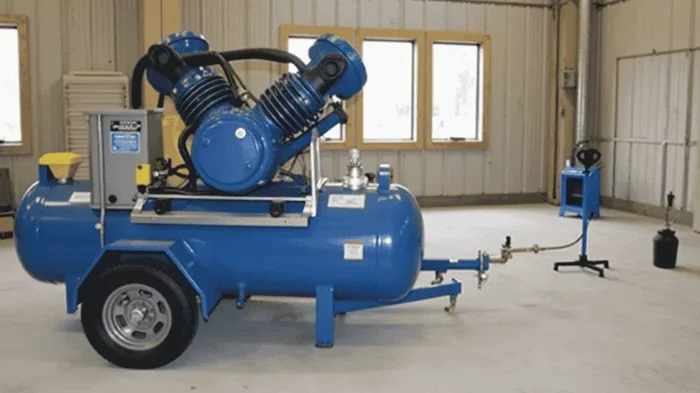
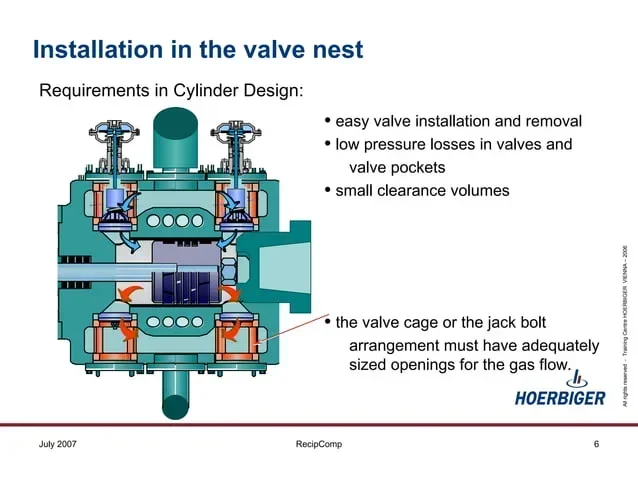
These use a piston inside a cylinder to compress air. They are great for small workshops and home garages. Most DIY compressors you find at hardware stores are reciprocating models.
They work well for tasks like inflating tires, powering nail guns, and running small pneumatic tools. They are affordable and easy to maintain.
Rotary Screw Compressors
These use two spinning rotors to compress air continuously. They are more efficient for heavy-duty, long-running tasks. Most factories and large workshops use rotary screw compressors.
They cost more upfront but save money over time with lower energy use. If you need a steady supply of compressed air, this is the way to go.
Diaphragm Compressors
These use a flexible membrane to compress air without oil. They are perfect for applications where clean, oil-free air is essential. Laboratories and medical facilities often use diaphragm compressors.
Portable Compressors
These are compact and lightweight. You can move them around easily. Many homeowners use a portable air compressor for tasks like inflating pool toys, cleaning driveways, and powering small tools.
| Type | Best For | Portability | Price Range |
|---|---|---|---|
| Reciprocating | Home workshops, DIY | Medium | $150 – $800 |
| Rotary Screw | Industrial, factory use | Low | $2,000 – $15,000+ |
| Diaphragm | Clean air applications | Medium | $300 – $2,000 |
| Portable | On-the-go tasks, RV use | High | $100 – $600 |
How Air Compressors Work
Understanding how an air compressor works is simpler than you might think. At its core, a compressor takes in air and squeezes it into a smaller space. This increases the air pressure inside the tank.
Here is a simple breakdown of the process:
- The compressor pulls in ambient air through an intake valve.
- A piston, rotor, or diaphragm compresses the air.
- The compressed air is stored in a tank.
- When you need it, the air flows out through a hose and regulator.
- The pressure builds up until the tank reaches its limit.
- A pressure switch automatically shuts off the motor.
That is it! The same basic idea has been at work for centuries. Modern compressors just do it faster, more efficiently, and with better safety features.
One thing to keep in mind is power supply. If you plan to use a compressor alongside other tools, you might want to check what power source works best. For example, if you are running equipment off-grid or in an RV, knowing your power options matters. You can learn more about matching power sources to your needs in our guide on what size generator for 30 amp RV air conditioner.
Common Uses for Air Compressors
Today, air compressors are everywhere. They are used in homes, garages, factories, construction sites, and even hospitals. Here are some of the most common ways people use them.
- Inflating tires, balls, and air mattresses – Quick and easy with a small compressor.
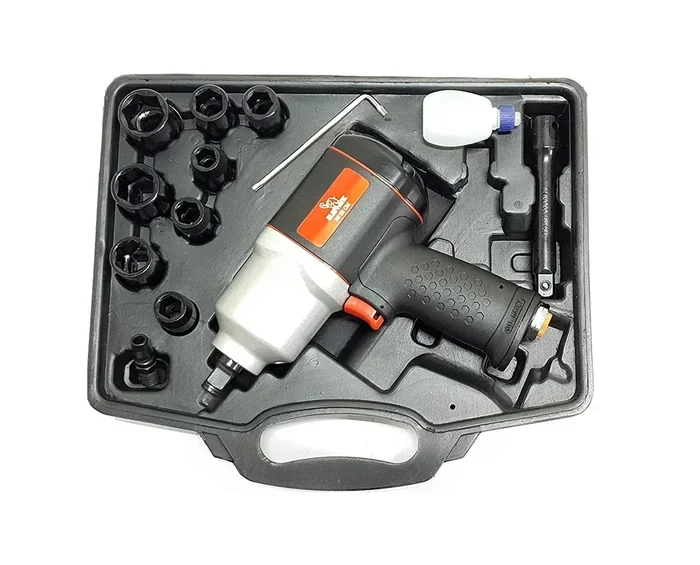
- Powering pneumatic tools – Impact wrenches, nail guns, sanders, and grinders all run on compressed air.
- Paint spraying – Air compressors make smooth, even paint jobs possible for cars, furniture, and walls.
- Cleaning debris – A blast of compressed air cleans dust, dirt, and chips from workstations.
- Running HVAC systems – Compressors are a key part of air conditioning and refrigeration units.
- Medical and dental equipment – Clean, oil-free compressors power breathing devices and dental drills.
- Scuba diving – Compressors fill scuba tanks with breathable air.
The versatility of compressed air technology is truly impressive. There is almost no industry that does not rely on compressors in some way.
How to Choose the Right Air Compressor
Not all compressors are the same. Choosing the right one depends on what you plan to do with it. Here are some tips to help you decide.
Consider Your Needs
Think about what tasks you will use the compressor for. Inflating tires requires very different power than running a paint sprayer. Make a list of your needs before shopping.
Check the CFM Rating
CFM stands for cubic feet per minute. It measures how much air the compressor delivers. Higher CFM means more power. For heavy-duty pneumatic tools, you need a higher CFM rating.
Think About Portability
If you move around a lot, a portable air compressor is your best bet. Look for models with wheels and handles for easy transport.
Consider Noise Level
Some compressors are louder than others. If you are working in a residential area or a shared space, look for quiet models. Oil-free compressors tend to run more quietly.
Maintenance Matters
All compressors need regular care. Drain the tank moisture, check oil levels (if applicable), and inspect hoses for leaks. Proper compressor maintenance extends the life of your machine and keeps it running safely.
Common Mistakes People Make with Air Compressors
Even experienced users sometimes make mistakes. Here are a few to watch out for.
- Overfilling the tank: Always respect the maximum pressure rating. Overfilling can cause dangerous failures.
- Ignoring moisture buildup: Condensation collects in the tank over time. Drain it regularly to prevent rust and damage.
- Using the wrong hose: A hose that is too thin or too long reduces performance. Match the hose to your compressor’s output.
- Skipping maintenance: Regular oil changes and filter replacements keep your compressor running smoothly.
- Buying too small: A compressor with low CFM will struggle with demanding tools. It is better to size up when in doubt.
Expert Insights on the Future of Air Compressors
The world of compressed air technology keeps evolving. Manufacturers are always working on better, more efficient designs. Here are some trends to watch.
Energy Efficiency
Modern industrial compressors use significantly less energy than older models. Variable speed drives adjust motor speed based on demand. This saves electricity and reduces operating costs.
Smart Technology
Some newer compressors come with digital displays, Bluetooth connectivity, and app controls. You can monitor pressure, track usage, and schedule maintenance from your phone. The smart compressor is no longer science fiction.
Eco-Friendly Designs
Manufacturers are focusing on reducing emissions and using sustainable materials. Oil-free and electric models are becoming more popular as people look for greener options.
Compact and Lightweight
Advances in materials and design mean that portable compressors are getting lighter and more powerful. You no longer have to sacrifice performance for portability.
Key Takeaways
- Early Beginnings: The concept of compressed air dates back to the 1600s with pioneers like Otto von Guericke and Denis Papin.
- Industrial Revolution Boost: Steam-powered compressors emerged in the 1800s, transforming manufacturing and mining.
- Modern Evolution: Today’s air compressors come in many types, from portable units to heavy-duty industrial machines.
- Wide Applications: Compressors power pneumatic tools, paint sprayers, inflation systems, and much more.
- Future Trends: Smart compressors and energy-efficient models are shaping the next generation of compressed air technology.
- DIY Friendly: Homeowners and hobbyists benefit greatly from owning a basic portable air compressor.
- Power Matters: Choosing the right compressor depends on your specific needs, much like selecting the right generator for your setup.
Conclusion
The answer to when was the air compressor invented is not a single date. It is a story that spans centuries of innovation and discovery. From Otto von Guericke’s early vacuum experiments in the 1650s to today’s smart, energy-efficient machines, the air compressor has come a long way.
This incredible tool has shaped industries, built cities, and made everyday tasks easier for millions of people. Whether you use a small portable compressor in your garage or a massive industrial compressor in a factory, you are benefiting from centuries of engineering progress.
The future looks bright for compressed air technology. With advances in energy efficiency, smart features, and portability, the next generation of compressors will be even better. If you are thinking about buying a compressor, now is a great time to explore your options.
Take some time to understand your needs, compare models, and invest in a quality machine. A good air compressor will serve you well for years to come. And now that you know the rich history behind it, you will appreciate it even more every time you turn it on.
FAQs
Who invented the first air compressor?
The first mechanical air pump was built by Otto von Guericke in 1650. He was a German scientist who demonstrated the power of air pressure with his famous Magdeburg hemispheres experiment. His work laid the foundation for all future compressed air technology.
What was the first air compressor used for?
Early compressors were mainly used in mining and manufacturing. They powered drills that could break through hard rock, making mining safer and more efficient. By the late 1800s, factories used them to run pneumatic tools and assembly line equipment.
How has the air compressor evolved over time?
The air compressor evolution has been remarkable. Early steam-powered models were large and inefficient. Today, we have compact electric units, oil-free designs, and smart compressors with digital controls. Modern machines are more efficient, quieter, and more portable than ever before.
Can I use an air compressor at home?
Absolutely! Many homeowners use a small portable air compressor for tasks like inflating tires, powering nail guns, and cleaning around the garage. They are affordable, easy to use, and incredibly handy for DIY projects.
What is the difference between a reciprocating and a rotary screw compressor?
A reciprocating compressor uses a piston to compress air. It works well for intermittent use and smaller tasks. A rotary screw compressor uses two spinning rotors to deliver continuous air flow. It is better suited for heavy-duty, long-running industrial applications.
How do I maintain my air compressor?
Regular maintenance keeps your air compressor running smoothly. Drain moisture from the tank after each use, check and change the oil if needed, inspect hoses and fittings, and clean or replace air filters. Following the manufacturer’s maintenance schedule will extend the life of your machine significantly.