How Does a Scroll Compressor Work and Why It Matters
A scroll compressor uses two spiral-shaped scrolls to compress refrigerant or air efficiently. One scroll stays fixed while the other orbits, creating shrinking pockets that increase pressure. This design offers smooth, quiet, and reliable operation compared to traditional piston compressors.
If you have ever wondered what makes modern HVAC systems so quiet and efficient, the answer often lies in one component: the scroll compressor. These devices have revolutionized how we think about air compression. Instead of relying on violent reciprocating motion, scroll compressors use a beautifully simple design that delivers smooth, reliable performance. In this guide, we will break down exactly how a scroll compressor works, why it matters, and where you will find it in action.
Whether you are a homeowner curious about your HVAC system or a technician looking for a deeper understanding, this article covers it all. We will walk through every part of the compression process, compare scroll compressors to other types, and share practical insights you can use. By the end, you will understand why scroll compressors have become the go-to choice for so many applications.
Key Takeaways
- Unique Design: Two interleaving spiral scrolls create compression through orbiting motion, not pistons.
- High Efficiency: Scroll compressors waste less energy and deliver consistent pressure with fewer moving parts.
- Quiet and Smooth: The absence of valves and pistons means dramatically lower noise and vibration levels.
- Longer Lifespan: Fewer parts that rub or wear out means these compressors last longer with less maintenance.
- Widely Used: Scroll compressors power everything from home HVAC systems to commercial refrigeration units.
- Cost Considerations: While upfront costs can be higher, long-term savings on energy and maintenance make them worthwhile.
📑 Table of Contents
What Is a Scroll Compressor?
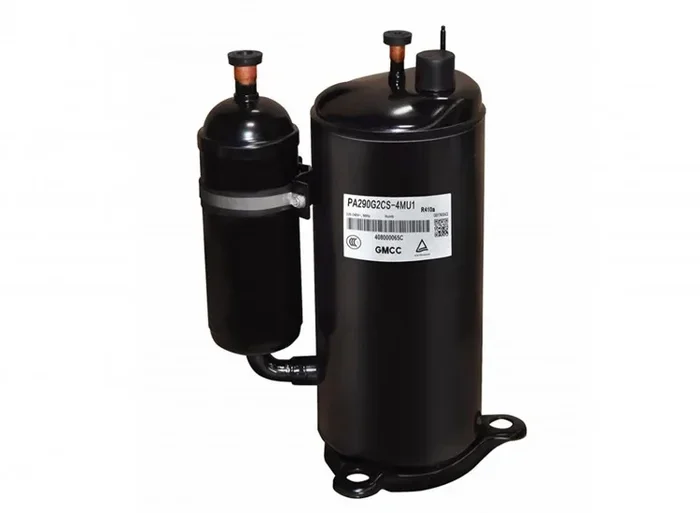
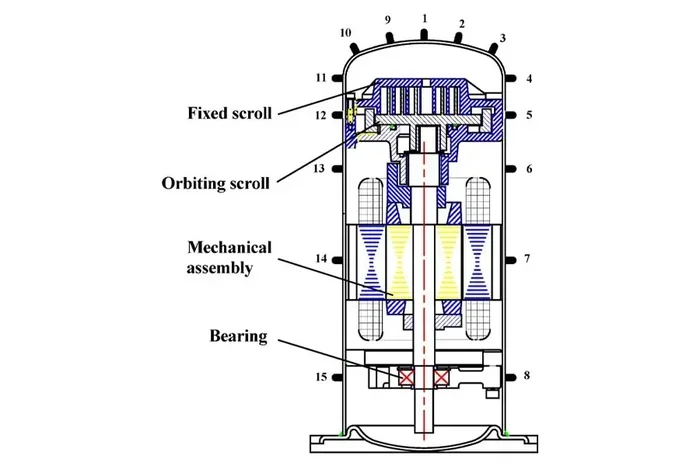
A scroll compressor is a type of compressor mechanism that uses two interleaving spiral-shaped scrolls to compress gas or refrigerant. One scroll remains stationary while the other moves in a circular orbit around it. This orbiting motion traps pockets of gas between the scrolls and gradually shrinks them, increasing pressure until the gas exits through a central discharge port.
The beauty of this design lies in its simplicity. There are no valves, no pistons, and no connecting rods. Fewer moving parts means less wear, less noise, and fewer things that can go wrong. This is why scroll compressors have become so popular in both residential and commercial settings.
The Two Scrolls Explained
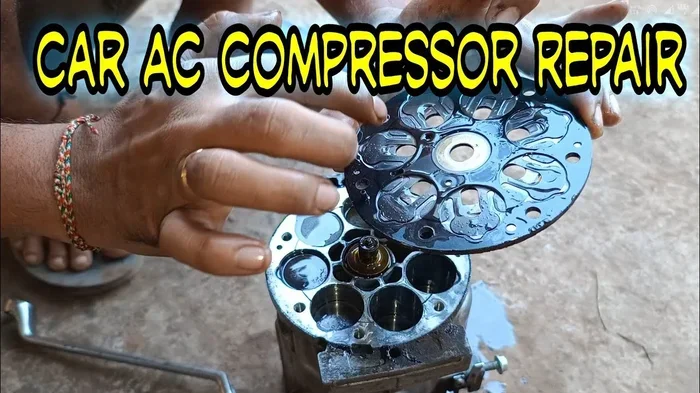
The fixed scroll, also called the stator, is bolted to the compressor housing. The orbiting scroll, sometimes called the runner, is mounted on an eccentric shaft. As the shaft rotates, the orbiting scroll moves in tight circles around the fixed scroll without ever spinning on its own axis. This creates a series of crescent-shaped pockets that travel from the outer edge of the scrolls toward the center.
Each pocket starts large at the outer edge and gets smaller as it moves inward. By the time the pocket reaches the center, the gas inside has been compressed to a much higher pressure. Then it gets pushed out through the discharge port. This continuous process happens smoothly, without the stop-start cycling you find in piston compressors.
How Does a Scroll Compressor Work Step by Step?
Understanding the step-by-step process helps you see why scroll compressors are so effective. The entire compression cycle happens in a few elegant stages.
Step 1: Gas Intake
The process begins when gas or refrigerant enters the compressor through the intake port. This opening sits at the outer edge of the fixed scroll. As the orbiting scroll rotates, it creates a pocket that captures the incoming gas. The intake process is continuous and smooth, unlike the pulsed intake of a piston compressor.
Step 2: Trapping the Gas
Once the pocket of gas is formed between the two scrolls, it becomes sealed. The tight tolerances between the scrolls prevent any gas from escaping. This sealing is critical because it ensures that all the compression energy goes toward increasing the pressure of the trapped gas.
Step 3: Compression
As the orbiting scroll continues its circular path, the pocket of gas slowly moves toward the center of the scrolls. The volume of the pocket decreases with each degree of rotation. This reduction in volume forces the gas molecules closer together, which raises both the pressure and the temperature of the gas.
This compression phase is what makes the scroll compressor so efficient. Because the motion is continuous and gradual, there are no pressure spikes or sudden changes. The process is smooth and predictable, which reduces stress on the entire system.
Step 4: Discharge
When the pocket of gas reaches the center of the scrolls, it has reached its maximum pressure. At this point, the compressed gas is pushed out through the discharge port. The discharge port connects to the system’s output line, sending the high-pressure gas to where it needs to go, whether that is a condenser coil, an air tool, or a refrigeration system.
Meanwhile, a new pocket of gas has already started forming at the outer edge. This means the scroll compressor delivers a near-continuous flow of compressed gas without interruption.
Why Scroll Compressors Matter
Scroll compressors are not just a technical curiosity. They matter because they solve real problems that plague other compressor types. Here is why they have become the preferred choice in so many industries.
Energy Efficiency
Scroll compressors waste very little energy during operation. The continuous compression process means no energy is lost to the sudden starts and stops that happen in piston compressors. This efficiency translates directly into lower electricity bills, especially for systems that run for long hours like HVAC systems and refrigeration units.
For homeowners, this means your cooling or heating system uses less power to maintain a comfortable temperature. Over months and years, those energy savings add up significantly.
Noise and Vibration Reduction
One of the most noticeable benefits of a scroll compressor is how quiet it is. Traditional piston compressors create a lot of noise because of the reciprocating motion and valve snapping. Scroll compressors eliminate these sources of noise almost entirely.
This makes them ideal for installations where noise matters, such as residential homes, hospitals, offices, and hotels. If you have ever wondered why your air conditioner sounds so much quieter than an older unit, the scroll compressor is likely the reason.
Reliability and Longevity
With fewer moving parts, scroll compressors simply break down less often. There are no valves to stick, no pistons to wear out rings, and no connecting rods to bend. The orbiting scroll and fixed scroll can run for thousands of hours with minimal wear.
This reliability means less downtime and lower maintenance costs over the life of the equipment. For businesses that depend on continuous refrigeration or climate control, this reliability is invaluable.
Scroll Compressor vs. Piston Compressor
To truly understand scroll compressors, it helps to compare them with the traditional alternative: piston compressors. Each type has strengths and weaknesses, and the right choice depends on your specific needs.
| Feature | Scroll Compressor | Piston Compressor |
|---|---|---|
| Moving Parts | Very few (2 scrolls) | Many (piston, valves, rods, crankshaft) |
| Noise Level | Very quiet | Loud and vibration-prone |
| Efficiency | High and consistent | Good but with pulsation losses |
| Maintenance | Minimal | Regular valve and ring changes |
| Cost | Higher upfront | Lower upfront |
| Lifespan | Longer | Shorter due to wear |
| Best For | Residential HVAC, refrigeration | Industrial, high-pressure needs |
If you are choosing a compressor for a home system or a small business, a scroll compressor almost always wins on long-term value. The initial investment is higher, but the energy savings and reduced maintenance costs more than make up for it over time.
When to Choose a Piston Compressor
Piston compressors still have a place in the market. They excel at high-pressure applications and can handle intermittent heavy-duty work. If you need to power air tools on a construction site or run a workshop, a piston compressor might be the better fit. They are also simpler to repair in the field because mechanics are very familiar with their design.
Common Applications of Scroll Compressors
Scroll compressors are everywhere once you start looking for them. Their versatility and efficiency make them suitable for a wide range of uses.
Residential HVAC Systems
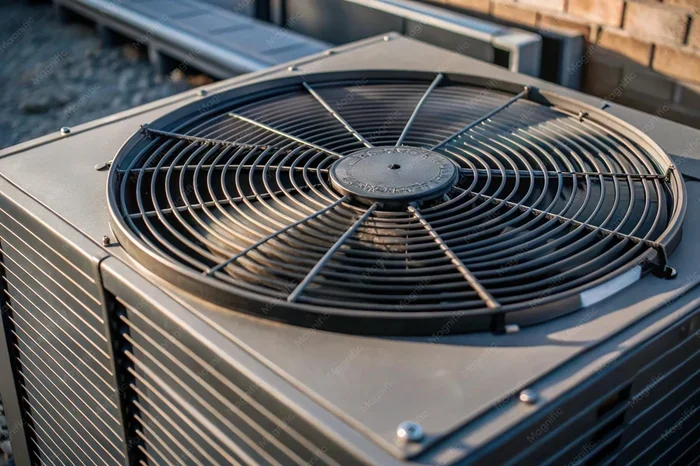
The most common place you will find a scroll compressor is in your home air conditioner or heat pump. These systems need reliable, quiet, and efficient compression to keep your home comfortable. Scroll compressors deliver all three qualities in abundance.
Commercial Refrigeration
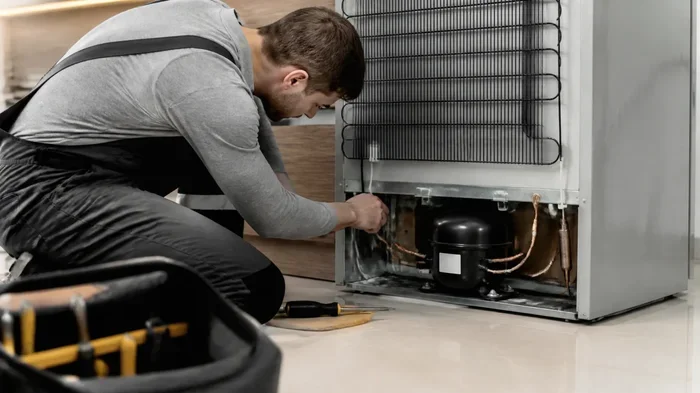
Supermarkets, restaurants, and cold storage facilities rely on scroll compressors to keep their refrigeration systems running. The continuous, smooth compression helps maintain stable temperatures, which is critical for food safety and product preservation.
Medical and Laboratory Equipment
Hospitals and laboratories use scroll compressors in medical gas systems and analytical instruments. The quiet operation and clean compression process make them ideal for sensitive environments where noise and contamination must be minimized.
Automotive and Mobile Applications
Some mobile air conditioning systems in vehicles and RVs use scroll compressors. The compact size and low vibration make them well-suited for installations where space and stability are at a premium.
Maintenance Tips for Scroll Compressors
While scroll compressors require less maintenance than piston models, they still need regular care to perform at their best. Here are some practical tips to keep your scroll compressor running smoothly.
Check Refrigerant Levels Regularly
Low refrigerant puts extra strain on the compressor. Make sure a professional checks refrigerant levels at least once a year. If you notice your system is not cooling as well as it used to, low refrigerant could be the cause.
Keep the Area Clean
Debris around the compressor unit can block airflow and cause overheating. Keep the outdoor unit clear of leaves, dirt, and other obstructions. This simple step can extend the life of your compressor significantly.
Schedule Professional Inspections
Even though scroll compressors are reliable, periodic professional inspections catch small problems before they become big ones. A technician can check for refrigerant leaks, inspect electrical connections, and verify that the scrolls are tracking properly.
Watch for Unusual Sounds
Scroll compressors should run quietly and smoothly. If you hear grinding, rattling, or squealing, turn the system off and call a professional. These sounds can indicate internal damage that needs immediate attention.
How Generators Power Scroll Compressor Systems
In situations where grid power is unavailable or unreliable, generators become essential for running scroll compressor systems. This is especially common in remote construction sites, outdoor events, and areas prone to power outages.
When selecting a generator for a compressor setup, you need to match the generator’s output to the compressor’s power requirements. A what size generator to run a house guide can help you determine the right capacity, since scroll compressors draw significant starting wattage.
Fuel consumption is another important consideration. Running a compressor continuously puts a steady load on the generator, so understanding how much gas a generator uses helps you plan for fuel costs and tank sizes. For extended operations, you also want to know how long a generator can run on a single tank or with a continuous fuel supply.
Investing in the right generator setup ensures your scroll compressor system keeps running smoothly even when the power grid is down. The upfront planning pays off in uninterrupted operation and protects your compressor from voltage fluctuations that could cause damage.
Key Takeaways
- Unique Design: Two interleaving spiral scrolls create compression through orbiting motion, not pistons.
- High Efficiency: Scroll compressors waste less energy and deliver consistent pressure with fewer moving parts.
- Quiet and Smooth: The absence of valves and pistons means dramatically lower noise and vibration levels.
- Longer Lifespan: Fewer parts that rub or wear out means these compressors last longer with less maintenance.
- Widely Used: Scroll compressors power everything from home HVAC systems to commercial refrigeration units.
- Cost Considerations: While upfront costs can be higher, long-term savings on energy and maintenance make them worthwhile.
- Generator Compatibility: Proper generator sizing and fuel planning are essential for reliable scroll compressor operation off-grid.
Frequently Asked Questions
What is the main advantage of a scroll compressor over a piston compressor?
The main advantage is the significantly fewer moving parts, which results in quieter operation, less vibration, and reduced maintenance needs. Scroll compressors also deliver smoother, more continuous compression without the pressure pulsations common in piston models.
How long do scroll compressors typically last?
A well-maintained scroll compressor can last 15 to 20 years or more. The minimal wear on internal components means they outlast many piston compressors, especially in applications with consistent, steady operation rather than frequent on-off cycling.
Can a scroll compressor handle both air and refrigerant?
Yes, scroll compressors are versatile and can compress both air and various refrigerants. They are commonly found in air conditioning systems, heat pumps, and industrial air compression applications. The specific model and materials determine which gases it can safely handle.
Are scroll compressors more expensive than other types?
They tend to have a higher upfront cost compared to piston compressors. However, the energy savings, lower maintenance costs, and longer lifespan often make them more cost-effective over the total ownership period. For most residential and light commercial applications, the long-term value is clear.
What should I do if my scroll compressor makes unusual noises?
Unusual noises like grinding or rattling can indicate internal problems such as debris between the scrolls, bearing wear, or refrigerant issues. Turn the system off immediately and contact a qualified technician. Continuing to run a damaged scroll compressor can cause complete failure and costly repairs.
Do scroll compressors need special refrigerant?
Scroll compressors work with a wide range of refrigerants including R-410A, R-22 (being phased out), and R-134a. Always check the manufacturer’s specifications for your specific model. Using the wrong refrigerant can damage the compressor and void warranties.
=== CONCLUSION ===
The scroll compressor represents one of the most elegant solutions in modern compression technology. Its simple yet brilliant design, using two spiraling scrolls to quietly and efficiently compress gas, has transformed industries from home comfort to food storage. The smooth, continuous operation means less energy waste, lower noise, and fewer maintenance headaches for owners.
Understanding how a scroll compressor works gives you a deeper appreciation for the systems that keep your home comfortable and your business running. Whether you are replacing an old unit, sizing a new system, or simply curious about the technology, knowing the basics empowers you to make better decisions. The scroll compressor’s combination of efficiency, reliability, and quiet operation makes it a standout choice that continues to grow in popularity across residential and commercial markets alike.