How Does an AC Compressor Work in Your Car Explained
The AC compressor is the heart of your car’s air conditioning system. It pressurizes and circulates refrigerant through the system to cool your cabin. Understanding how it works helps you spot problems early and avoid costly repairs. This guide breaks down every step of the AC compressor cycle in simple, easy-to-follow terms.
Every time you flip the AC switch on a hot summer day, a small but powerful component works overtime to keep you cool. That component is the AC compressor. Without it, your car would be nothing more than a metal oven on wheels.
How does an AC compressor work in a car? It is a fascinating process that combines mechanical motion, chemical refrigeration cycles, and smart engineering. In this guide, we will walk you through every step of the process. You will learn what the compressor does, why it matters, and how to keep it running strong for years to come.
Whether you are a curious car owner or someone dealing with a broken AC system, this article has you covered. We will break down complex ideas into simple language. No jargon overload, no confusing diagrams — just clear, practical information you can use right away.
The automotive air conditioning system has come a long way since it was first introduced in vehicles. Modern compressors are more efficient, quieter, and more reliable than ever. But they still rely on the same basic principles of physics and thermodynamics that have been around for over a century. Let us dive in and explore how this essential component keeps you comfortable on every drive.
Key Takeaways
- The compressor is the core engine of your car AC system, responsible for pressurizing refrigerant and driving the cooling cycle.
- The AC cycle involves four main stages: compression, condensation, expansion, and evaporation.
- Common AC compressor symptoms include strange noises, warm air, and fluid leaks.
- Regular maintenance like checking refrigerant levels can extend compressor life significantly.
- Replacing an AC compressor can cost between $500 and $1,000 depending on your vehicle model.
- The compressor clutch engages and disengages the compressor based on cooling demand from the cabin.
- Driving habits and ambient temperature affect how hard your AC compressor works.
📑 Table of Contents
- What Is an AC Compressor and Why Does It Matter?
- The AC Cooling Cycle: How the Compressor Drives It All
- What Does the AC Compressor Run On?
- Common AC Compressor Problems and Symptoms
- How to Keep Your AC Compressor Healthy
- AC Compressor Replacement: What You Need to Know
- How Driving Habits Affect Your AC Compressor
- Key Takeaways
- Conclusion
What Is an AC Compressor and Why Does It Matter?
The AC compressor is often called the heart of the car air conditioning system. Just like your heart pumps blood through your body, the compressor pumps refrigerant through the AC system. Without this pumping action, the refrigerant cannot flow, and your cabin cannot cool down.
Here is a simple way to think about it. The compressor takes low-pressure refrigerant gas from the evaporator and turns it into high-pressure, high-temperature gas. This gas then moves through the rest of the system where it releases heat and eventually becomes cool again. It is a continuous loop that keeps your car’s interior comfortable no matter how hot it is outside.
What does an ozone generator have in common with a car AC compressor? Both use a compression mechanism to move gas through a system. In an ozone generator, the compressor helps create the high electrical discharge needed to produce ozone. In your car, the compressor creates the pressure difference that drives the entire cooling cycle. So compressors are everywhere in the mechanical world, and understanding yours gives you a bigger picture of how machines work.
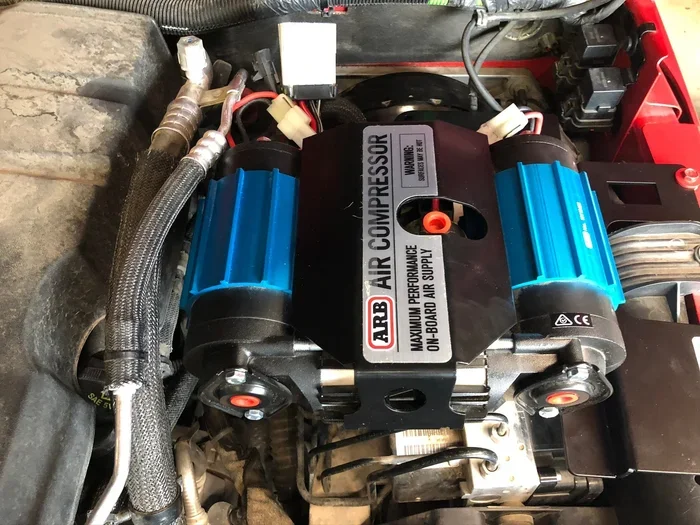
The compressor is driven by your car’s engine through a belt. When you turn on the AC, the compressor clutch engages, and the compressor starts spinning. When you turn the AC off, the clutch disengages, and the compressor stops working. This smart design saves fuel and reduces wear on the engine when you do not need cooling.
Key Parts of the AC Compressor
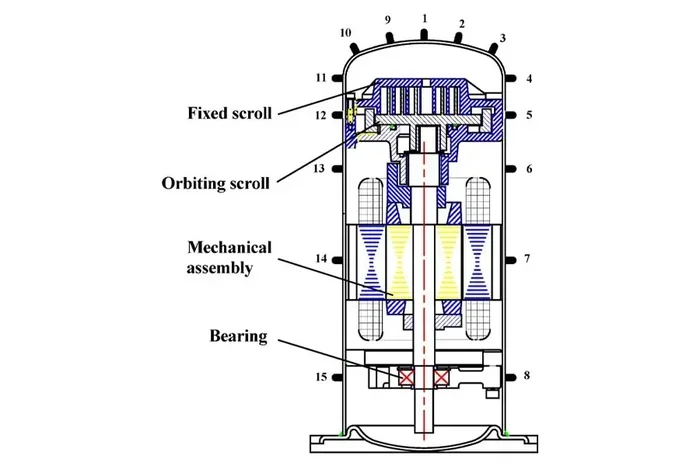
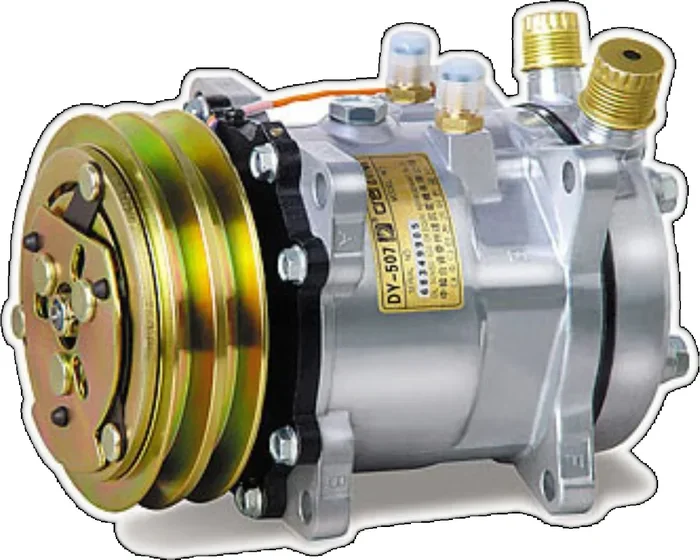
The compressor is not just one single piece. It is made up of several important components that all work together:
- Compressor Housing: The outer shell that holds everything together and contains the refrigerant gas during compression.
- Compressor Clutch: This engages and disengages the compressor based on whether the AC is turned on or off.
- Piston or Scroll Mechanism: This is the part that actually compresses the refrigerant gas. Some compressors use pistons, while others use a scroll design.
- Suction Port: Where low-pressure refrigerant gas enters the compressor from the evaporator.
- Discharge Port: Where the high-pressure, high-temperature gas exits the compressor and heads toward the condenser.
- Compressor Bearings: These allow the compressor shaft to spin smoothly with minimal friction.
Each of these parts plays a critical role. If even one component fails, the entire car AC system can stop working properly. That is why understanding the compressor helps you diagnose problems faster and make smarter repair decisions.
The AC Cooling Cycle: How the Compressor Drives It All
Now that you know what the compressor is, let us look at how it fits into the bigger picture. The AC compressor cycle has four main stages. Each stage depends on the one before it. Think of it like a relay race where every runner must pass the baton perfectly for the team to win.
Stage 1: Compression
This is where the compressor does its main job. Low-pressure refrigerant gas from the evaporator enters the compressor through the suction port. The piston or scroll mechanism then squeezes this gas, raising both its pressure and temperature. The gas becomes very hot at this point — sometimes reaching over 200 degrees Fahrenheit.
The compressed gas then exits through the discharge port and moves to the next stage of the cycle. This high-pressure, high-temperature gas is now ready to release its heat.
Stage 2: Condensation
The hot, high-pressure gas flows into the AC condenser, which is located at the front of your car, near the radiator. As air passes over the condenser coils, the gas starts to cool down. When the gas cools enough, it changes from a gas into a high-pressure liquid. This process releases a lot of heat, which is why the condenser gets hot to the touch when your AC is running.
Think of the condenser like a radiator for your AC system. It is doing the same job — shedding heat — but for refrigerant instead of engine coolant.
Stage 3: Expansion
The high-pressure liquid refrigerant then flows through the expansion valve or orifice tube. This is a very small opening that causes a dramatic drop in pressure. When the pressure drops, the refrigerant’s temperature also drops significantly. The refrigerant is now a cold, low-pressure mixture of liquid and gas.
This cold mixture is ready to absorb heat from your car’s cabin. This is the stage where the actual cooling happens.
Stage 4: Evaporation
The cold refrigerant enters the evaporator, which is located inside your car’s dashboard. Warm air from the cabin blows over the evaporator coils. The cold refrigerant absorbs this heat, causing the liquid refrigerant to evaporate back into a gas. The air that passes over the evaporator becomes cool, and a fan blows this cool air into your car’s cabin.
The refrigerant gas, now warm and low-pressure, returns to the compressor through the suction port, and the entire cycle starts all over again. It is a continuous loop that runs as long as your AC is turned on.
How Long Can the Compressor Run Continuously?
One common question car owners ask is how long the AC compressor can run without stopping. The good news is that modern compressors are designed to run continuously for extended periods. Unlike some equipment that needs rest between cycles, your car AC compressor can keep running as long as the engine is on and the AC is turned on.
However, if you notice your compressor is running constantly but not blowing cold air, that is a sign of a problem. It could mean low refrigerant levels, a failing compressor, or a blocked condenser. In that case, it is best to get your vehicle checked by a professional.
What Does the AC Compressor Run On?
The AC compressor is powered directly by your car’s engine. A serpentine belt connects the engine’s crankshaft to the compressor pulley. When you engage the AC, the clutch on the compressor locks the pulley to the compressor shaft, and the compressor starts spinning.
But here is an important detail. The compressor does not run all the time. It cycles on and off based on cooling demand. The compressor clutch is controlled by the AC system’s pressure switches and the cabin temperature sensor. When the cabin is cool enough, the clutch disengages, and the compressor stops. When the cabin starts to warm up, the clutch re-engages, and the compressor kicks back on.
This cycling behavior is completely normal. However, if you notice the compressor is cycling too frequently or not engaging at all, that could indicate a problem with the compressor clutch, the refrigerant charge, or the electrical system.
Just like your car’s engine needs fuel to run, the compressor needs the engine’s mechanical energy to operate. Running the AC does use extra fuel because the engine has to work harder to power the compressor. However, the fuel cost of running your AC is usually minimal compared to the comfort and safety benefits of staying cool on a hot day.
Common AC Compressor Problems and Symptoms
Like any mechanical part, the AC compressor can wear out or fail over time. Knowing the warning signs early can save you from a breakdown on a scorching summer day. Here are the most common AC compressor symptoms to watch for:
1. Warm Air Blowing from the Vents
This is the most obvious sign that something is wrong with your AC system. If the compressor is not compressing refrigerant properly, the system cannot cool the air. Warm air from the vents could mean low refrigerant, a failed compressor, or a clogged expansion valve.
2. Strange Noises When the AC Is On
A healthy compressor should operate relatively quietly. If you hear grinding, squealing, or knocking noises when you turn on the AC, the compressor bearings or internal components may be worn out. These noises should never be ignored because they often indicate serious internal damage.
3. Fluid Leaks Under the Car
The compressor uses a small amount of AC refrigerant and lubricating oil. If you see oily spots or puddles under your car near the compressor area, there may be a seal leak. Low refrigerant levels will cause the AC system to lose cooling capacity and can eventually damage the compressor.
4. Compressor Clutch Not Engaging
If the compressor clutch is not engaging when you turn on the AC, the compressor will not spin and the system will not cool. This could be caused by a faulty clutch coil, low refrigerant, or an electrical issue in the AC circuit.
5. AC Compressor Cycling Too Frequently
It is normal for the compressor to cycle on and off. But if it is turning on and off every few minutes, that is called short cycling. Short cycling can be caused by low refrigerant, a faulty pressure switch, or an overheating compressor.
How to Keep Your AC Compressor Healthy
Prevention is always better than repair. A well-maintained AC compressor can last the lifetime of your vehicle. Here are some practical tips to keep your compressor in top shape:
- Run your AC regularly: Even in winter, run the AC for about 10 minutes every few weeks. This keeps the seals lubricated and prevents them from drying out.
- Check refrigerant levels: Low refrigerant puts extra strain on the compressor. Have a professional check your refrigerant levels at least once a year.
- Replace the cabin air filter: A clogged filter makes the evaporator work harder, which puts additional load on the compressor.
- Keep the condenser clean: Debris like leaves and dirt can block airflow to the condenser, making the compressor work harder to cool the refrigerant.
- Address leaks immediately: If you notice any refrigerant leaks, get them fixed right away. Running the AC on low refrigerant can cause catastrophic compressor failure.
- Avoid overheating your engine: The AC compressor is engine-driven. An overheating engine means the compressor is also working in harsh conditions.
These simple habits can make a huge difference. Think of them as routine car maintenance, just like checking your oil or tire pressure. A little attention goes a long way toward keeping your AC system reliable and efficient.
AC Compressor Replacement: What You Need to Know
Sometimes, despite your best efforts, the compressor fails and needs to be replaced. When that happens, it is important to understand what the process involves and what to expect cost-wise.
The AC compressor replacement cost varies depending on your vehicle make and model. On average, you can expect to pay between $500 and $1,000 for parts and labor combined. Luxury vehicles or rare models may cost more due to the higher price of the replacement part.
Here is a quick breakdown of what the replacement process typically looks like:
- The technician recovers the remaining refrigerant from the system.
- The old compressor is unbolted from the engine and the serpentine belt is removed.
- The new compressor is installed and bolted in place.
- The system is evacuated to remove air and moisture.
- New refrigerant and lubricating oil are added to the proper levels.
- The system is tested to ensure proper cooling and no leaks.
It is important to note that when a compressor fails, it is often recommended to replace the condenser and expansion valve as well. This is because debris from the failed compressor can circulate through the entire system and damage other components. Think of it as replacing the heart and making sure the rest of the circulatory system is clean and healthy.
Also, if your compressor has failed due to a lack of lubrication or contamination, simply replacing the compressor without addressing the root cause will likely lead to the same problem again. Always ask your mechanic to diagnose the reason for the failure before installing a new compressor.
How Driving Habits Affect Your AC Compressor
Did you know that the way you drive can impact the life of your AC compressor? Several driving habits and conditions can put extra stress on the system:
- Stop-and-go traffic: In heavy traffic, the condenser may not get enough airflow to cool the refrigerant efficiently. This makes the compressor work harder.
- Driving in extreme heat: On very hot days, the compressor runs longer and harder to maintain a comfortable cabin temperature.
- Idling with the AC on: Extended idling can cause the compressor to run continuously without the benefit of vehicle speed for condenser airflow.
- Frequent short trips: Short trips do not allow the AC system to fully cycle and can lead to moisture buildup inside the system.
Being mindful of these factors can help you reduce unnecessary wear on your compressor. For example, if you are stuck in traffic on a scorching day, consider turning the AC off for a few minutes to give the compressor a brief rest. Just remember to turn it back on before the cabin gets too uncomfortable.
Regular car AC repair and maintenance are the best ways to ensure your compressor handles all these conditions gracefully. A little proactive care can prevent expensive breakdowns and keep you cool on every drive.
Key Takeaways
- The compressor is the core engine of your car AC system, responsible for pressurizing refrigerant and driving the cooling cycle.
- The AC cycle involves four main stages: compression, condensation, expansion, and evaporation.
- Common AC compressor symptoms include strange noises, warm air, and fluid leaks.
- Regular maintenance like checking refrigerant levels can extend compressor life significantly.
- Replacing an AC compressor can cost between $500 and $1,000 depending on your vehicle model.
- The compressor clutch engages and disengages the compressor based on cooling demand from the cabin.
- Driving habits and ambient temperature affect how hard your AC compressor works.
Conclusion
Now you know the answer to the question how does an AC compressor work in a car. The compressor is the unsung hero of your vehicle’s air conditioning system. It takes low-pressure refrigerant gas, compresses it into a hot, high-pressure gas, and drives the entire cooling cycle that keeps your cabin comfortable on even the hottest days.
Understanding how your compressor works empowers you as a car owner. You can spot early warning signs, ask the right questions at the repair shop, and take proactive steps to keep your AC system running smoothly. From checking refrigerant levels to listening for unusual noises, these small habits add up to big savings over time.
Remember, the compressor does not work alone. It is part of a larger automotive AC system that includes the condenser, evaporator, expansion valve, and refrigerant. Every component plays a vital role, and they all depend on each other to deliver the cool air you rely on every summer.
So the next time you turn on the AC and feel that refreshing cool air, take a moment to appreciate the compressor doing its job. And if you ever notice something feels off — warm air, strange noises, or fluid leaks — do not wait. Get it checked out. A little attention today can save you from a big headache tomorrow.
Stay cool, stay informed, and keep your car’s AC system in top shape. Your compressor will thank you for it.