What Size Compressor for Paint Gun Do You Need Today
Choosing the right what size compressor for paint gun setup depends on your paint gun’s CFM and PSI requirements, the type of painting you do, and whether you need a portable or stationary unit. Most paint guns need between 4 and 15 CFM at 30 to 60 PSI, so matching your compressor to those numbers is essential. This guide breaks down everything you need to know in simple terms.
You have your new paint gun in hand. You are ready to tackle that garage door, the bedroom walls, or maybe a full automotive restoration. But then you hit a roadblock. Your current compressor just does not have enough power. Or maybe you are buying everything from scratch and wondering what size compressor for paint gun will actually get the job done right.
This is one of the most common questions we get from DIYers and pros alike. The answer is not always straightforward because it depends on several factors. The type of paint gun you use, the size of the project, and even the air pressure requirements all play a role. But do not worry. By the end of this guide, you will know exactly what to look for and how to pick the right compressor for spray painting every single time.
We are going to walk through everything step by step. No jargon. No confusing charts that make your head spin. Just clear, practical advice that you can use right away. Whether you are a weekend warrior working in the garage or a professional painter running a full shop, this guide has you covered.
Key Takeaways
- CFM matters most: Your compressor must deliver enough cubic feet per minute to keep your paint gun running smoothly without interruptions.
- PSI is equally important: Different paint guns require different air pressure levels for the best spray pattern and finish quality.
- Tank size affects runtime: Larger tanks hold more compressed air, letting you work longer between refills and reducing motor cycling.
- HVLP guns need more air: High Volume Low Pressure spray guns are popular but demand higher CFM ratings from your compressor.
- Match the compressor to your project: Automotive, furniture, and DIY projects all have different air demands and require different compressor sizes.
- Oil-free compressors are a great choice: They require less maintenance and are safer for painting applications where oil contamination is a concern.
- Don’t skimp on quality: Buying a slightly larger compressor than you need gives you headroom and prevents performance issues.
📑 Table of Contents
- Understanding CFM and PSI for Paint Guns
- What Size Compressor for Paint Gun — The Numbers You Need
- Types of Compressors for Paint Guns
- How to Match Your Compressor to Your Paint Gun
- Common Mistakes When Choosing a Compressor for Painting
- Quick Tips for Getting the Best Results
- Comparison Table: Compressor Sizes for Common Paint Gun Types
- Final Thoughts
Understanding CFM and PSI for Paint Guns
Before we talk about specific compressor sizes, you need to understand two numbers that matter most: CFM and PSI. These are the two measurements that determine whether your compressor can keep up with your paint gun.
What Is CFM?
CFM stands for cubic feet per minute. It measures how much air your compressor can deliver in one minute. Think of it like water flowing through a hose. The higher the CFM, the more air your compressor can push to your paint gun at any given moment.
Most spray paint guns need between 4 and 15 CFM to operate properly. If your compressor cannot deliver that amount of air continuously, you will experience problems. The spray pattern will break up. The paint will sputter. And your finish will look uneven and unprofessional.
What Is PSI?
PSI stands for pounds per square inch. It measures the pressure of the air coming out of your compressor. Different paint guns need different PSI levels to atomize paint correctly and create a smooth, even coat.
Most conventional spray guns work well at 30 to 60 PSI. HVLP (High Volume Low Pressure) guns typically need 10 to 25 PSI at the gun itself but require much more CFM because they move a larger volume of air at lower pressure. This is a key distinction that many beginners miss.
Why Both Numbers Matter Together
Here is the thing people often overlook. CFM and PSI work together as a team. A compressor might deliver high PSI but low CFM, or vice versa. You need both numbers to meet or exceed your paint gun’s requirements for a smooth painting experience.
For example, if your paint gun needs 10 CFM at 40 PSI, your compressor must be able to deliver at least 10 CFM while maintaining 40 PSI. If it drops below that CFM, the motor will cycle on and off constantly, wearing out the unit faster and giving you an inconsistent spray pattern.
What Size Compressor for Paint Gun — The Numbers You Need
Now let us get into the meat of the topic. When people ask what size compressor for paint gun they should buy, they usually want a specific recommendation. And that is exactly what we are going to give you. But first, let us break it down by project type.
Small Projects and Touch-Ups
If you are doing small touch-ups, painting furniture, or working on minor DIY projects, a smaller compressor will do the job. These projects typically require:
- CFM: 2 to 5 CFM
- PSI: 20 to 40 PSI
- Tank Size: 1 to 6 gallons
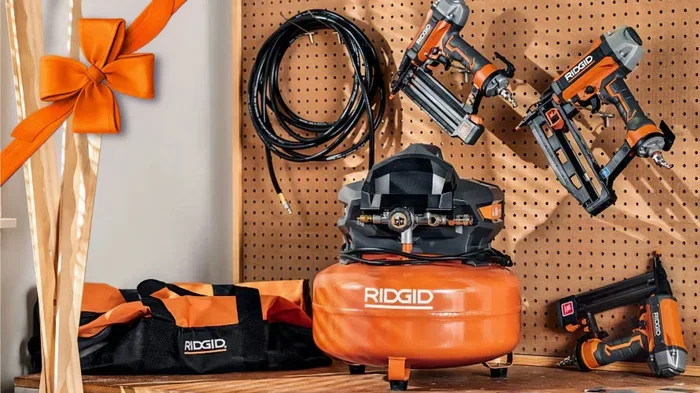
A compact pancake compressor or a small hot dog tank compressor works great for these applications. They are affordable, lightweight, and easy to store. You can find units that cost under $150 and still deliver reliable performance for light painting tasks.
Medium Projects and Automotive Work
For medium-sized projects like painting car panels, doors, or large furniture pieces, you need more air. These projects typically require:
- CFM: 5 to 10 CFM
- PSI: 30 to 60 PSI
- Tank Size: 8 to 30 gallons
A 20 to 30 gallon compressor is the sweet spot for most automotive painting projects. It provides enough air capacity to keep your paint gun running consistently without the motor constantly cycling on and off. This is where many people make the mistake of buying a compressor that is just barely big enough and then wonder why their finish looks rough.
Large Projects and Professional Shops
Professional painters and production shops need serious air supply. Full body automotive work, commercial painting, and continuous production all demand high-capacity systems:
- CFM: 10 to 25+ CFM
- PSI: 40 to 90 PSI
- Tank Size: 60 to 80+ gallons (or multiple tanks)
These setups often use two-stage compressors with large tanks or even rotary screw compressors for continuous duty. They are more expensive but deliver the consistent airflow needed for professional-quality results.
Types of Compressors for Paint Guns
Not all compressors are created equal. The type you choose depends on your needs, budget, and how often you paint. Let us look at the main options available.
Reciprocating (Piston) Compressors
These are the most common compressors for painting applications. They use a piston moving up and down inside a cylinder to compress air. They come in a wide range of sizes and price points, making them versatile for both beginners and professionals.
Single-stage reciprocating compressors are great for most paint gun applications up to about 10 CFM. Two-stage models can handle higher demands and are more efficient because they cool the air between compression stages, reducing moisture and heat issues.
Diaphragm Compressors
Diaphragm compressors use a flexible membrane instead of a piston. They are oil-free and produce clean air, which makes them excellent for painting applications where oil contamination could ruin your finish. They are quieter than piston compressors but generally provide lower CFM ratings.
These are a popular choice for small automotive shops and detailers who need clean, oil-free air for clear coat applications. They are also great for anyone who values a quieter workspace.
Rotary Screw Compressors
Rotary screw compressors are the workhorses of professional painting operations. They provide continuous, consistent airflow and can deliver high CFM ratings for extended periods. They are more expensive upfront but last longer and require less maintenance than piston models.
If you are running a professional paint shop or doing high-volume production work, a rotary screw compressor is worth the investment. They are built to run all day without overheating or losing pressure.
How to Match Your Compressor to Your Paint Gun
Matching your compressor to your specific paint gun is the most important step in this process. Here is a simple method to do it right.
Step 1: Check Your Paint Gun Specifications
Every paint gun has a data plate or user manual that lists its required CFM and PSI. Look for the CFM rating first. This is the number that will determine your compressor size. The PSI requirement is usually easier to meet, but the CFM is where most compressors fall short.
For example, if your HVLP gun requires 14 CFM at 25 PSI, you need a compressor that can deliver at least 14 CFM continuously at 25 PSI. Do not buy a compressor that only delivers 12 CFM and expect it to work. It will not, and you will be frustrated with inconsistent results.
Step 2: Add a Safety Margin
Always add at least 20 to 30 percent more CFM than your paint gun requires. This buffer accounts for air leaks in your hoses, fittings, and connections. It also prevents the compressor from running at full capacity all the time, which extends its lifespan.
So if your gun needs 10 CFM, look for a compressor that delivers at least 12 to 13 CFM. This small investment in extra capacity makes a huge difference in performance and durability.
Step 3: Consider Your Air Tools and Accessories
If you plan to use other air tools alongside your paint gun, you need to add their CFM requirements together. A sander, grinder, or impact wrench all consume air. Your compressor must be able to supply enough air for everything running at the same time.
This is where a larger compressor pays for itself. Instead of running out of air mid-project, you have plenty of reserve capacity to handle multiple tools without skipping a beat.
Common Mistakes When Choosing a Compressor for Painting
We have seen these mistakes over and over again, and they are all easy to avoid. Here is what you need to watch out for.
Buying Based on Tank Size Alone
A big tank does not mean a powerful compressor. The tank stores compressed air, but the motor determines how fast it can refill that tank and how much air it can deliver continuously. A 60-gallon tank with a weak motor will still run out of air quickly if the CFM is too low.
Always focus on CFM first, then tank size. The tank gives you a buffer of stored air, but it is the CFM rating that determines whether your paint gun gets a steady supply.
Ignoring Duty Cycle
Duty cycle refers to how long a compressor can run before it needs to cool down. Most home compressors have a 50 percent duty cycle, meaning they run for 5 minutes and then rest for 5 minutes. Professional compressors often have 100 percent duty cycles for continuous operation.
If you are doing a large painting project that requires hours of continuous spraying, a 50 percent duty cycle compressor will keep stopping and starting. This wastes time and can affect your paint finish. Look for a compressor with a duty cycle that matches your expected usage.
Choosing the Wrong Power Source
Electric compressors are the most common choice for painting. They are quieter, cleaner, and more convenient than gas models. But if you are working in a remote location without access to electricity, you may need a gas-powered unit.
Keep in mind that gas compressors produce fumes and noise. They are not ideal for indoor painting projects. For most garage and shop applications, an electric compressor is the better choice. You might also consider whether you need a what size generator for whole house to power your compressor during outdoor or remote jobs.
Overlooking Moisture and Air Quality
Compressed air contains moisture, especially in humid environments. This moisture can cause paint to bubble, peel, or dry unevenly. Using an air dryer or moisture trap between your compressor and paint gun is essential for a professional finish.
Oil-free compressors help eliminate one source of contamination, but they still produce moisture that needs to be managed. Invest in a good moisture separator and regulator for the best results.
Quick Tips for Getting the Best Results
Here are some practical tips that will help you get the most out of your compressor and paint gun setup.
- Use the right hose diameter: A 3/8-inch hose is standard for most paint gun setups. A smaller hose creates too much friction and reduces airflow.
- Keep your hoses as short as possible: Every extra foot of hose loses a little bit of air pressure and CFM. Shorter hoses mean better performance.
- Check for air leaks: Even small leaks in your fittings and connections can rob your system of CFM. Use thread sealant on all connections and check them regularly.
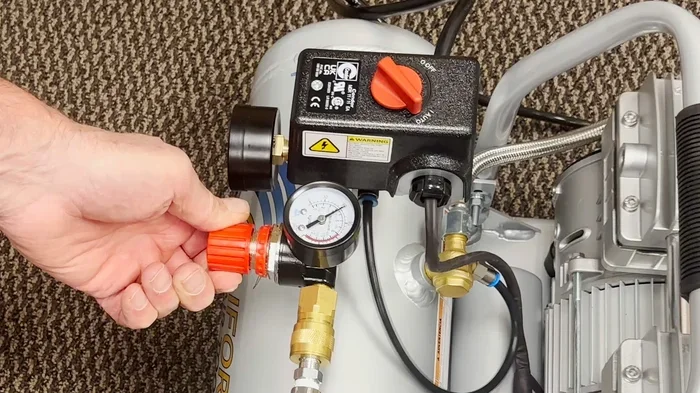
- Set your regulator correctly: Always set your air regulator to the PSI recommended by your paint gun manufacturer. Running too high or too low will affect your spray pattern and finish quality.
- Clean your compressor regularly: Drain the tank moisture after every use and change intake filters periodically. A clean compressor runs better and lasts longer.
- Consider a quiet compressor: If noise is a concern, look for compressors designed to operate at lower decibel levels. You can find quiet models that still deliver excellent CFM and PSI for painting.
Comparison Table: Compressor Sizes for Common Paint Gun Types
Here is a quick reference guide to help you match compressor sizes to popular paint gun types.
| Paint Gun Type | CFM Required | PSI Required | Recommended Compressor Size |
|---|---|---|---|
| HVLP Touch-Up Gun | 2 to 4 CFM | 15 to 25 PSI | 1 to 6 gallon tank, 4+ CFM |
| HVLP Spray Gun | 8 to 14 CFM | 20 to 30 PSI | 20 to 30 gallon tank, 15+ CFM |
| Conventional Spray Gun | 4 to 10 CFM | 30 to 60 PSI | 8 to 20 gallon tank, 10+ CFM |
| LVLP Spray Gun | 5 to 8 CFM | 15 to 35 PSI | 10 to 20 gallon tank, 10+ CFM |
| Automotive Clear Coat Gun | 10 to 15 CFM | 25 to 40 PSI | 30 to 60 gallon tank, 15+ CFM |
| Automotive Base Coat Gun | 8 to 12 CFM | 30 to 45 PSI | 20 to 30 gallon tank, 12+ CFM |
Keep in mind that these are general guidelines. Always check your specific paint gun’s requirements and add your safety margin before purchasing. The table above gives you a solid starting point for most common painting applications.
Final Thoughts
Finding the right what size compressor for paint gun setup does not have to be complicated. Once you understand CFM, PSI, and tank size, the decision becomes much clearer. Match your compressor to your paint gun’s requirements, add a safety margin, and choose a type that fits your workspace and project needs.
Remember that buying a slightly larger compressor than you think you need is almost always the right move. It gives you flexibility for future projects, handles multiple tools at once, and delivers a more consistent spray pattern. A compressor that is too small will leave you frustrated with poor finishes and constant interruptions.
Take the time to do your research before you buy. Check your paint gun specifications, read compressor reviews, and consider how you will actually use the equipment. A well-matched compressor and paint gun setup will give you smooth, professional-quality finishes for years to come. And once you get the right setup dialed in, painting becomes one of the most rewarding and satisfying projects you can tackle.
Whether you are painting a single bedroom wall or restoring a classic car, the right compressor makes all the difference. Invest in the right size, maintain your equipment properly, and enjoy the results that come with a professional-quality finish.
Frequently Asked Questions
Can I use a small pancake compressor for painting with a paint gun?
Yes, but only for small touch-up jobs or light projects. Pancake compressors typically deliver 2 to 4 CFM, which works for small HVLP touch-up guns or low-CFM spray guns. For larger projects like painting a car or a full room, you will need a bigger compressor with higher CFM output.
Do I need a 2-stage compressor for painting?
Not necessarily. A single-stage compressor works well for most painting applications up to about 10 CFM. Two-stage compressors are better for higher-demand applications and professional shops where you need continuous airflow. For most DIYers and hobbyists, a single-stage compressor is perfectly adequate.
How do I know if my compressor has enough CFM for my paint gun?
Check the CFM rating on your paint gun’s specifications and compare it to your compressor’s CFM output. Your compressor must deliver at least the same CFM at the required PSI. Always add a 20 to 30 percent buffer for safety. If your compressor cannot maintain the required CFM, the motor will cycle on and off too frequently.
What happens if my compressor is too small for my paint gun?
If your compressor is too small, it will struggle to keep up with the air demand. You will experience an inconsistent spray pattern, sputtering paint, and uneven coverage. The compressor motor will also cycle on and off constantly, which wears out the motor faster and reduces the unit’s lifespan.
Is an oil-free compressor better for painting?
Yes, oil-free compressors are generally better for painting applications. They eliminate the risk of oil contamination in your air supply, which can cause imperfections in your paint finish. They also require less maintenance since you do not need to change oil. For most painting tasks, an oil-free model is the recommended choice.
Can I use a generator to power my paint compressor?
Yes, if you are working in a remote location without access to electricity. However, you need to make sure your generator has enough wattage to handle the compressor’s startup and running power requirements. If you are also using other tools, you may want to check what size generator for power tools you need to run everything together smoothly.
=== CONCLUSION ===
Choosing the right what size compressor for paint gun setup is one of the most important decisions you will make for your painting projects. Getting the CFM, PSI, and tank size right ensures smooth, consistent spray patterns and professional-quality finishes every time. Remember to check your paint gun specifications, add a safety margin, and select a compressor type that matches your project needs and workspace.
With the right compressor by your side, you will be amazed at the results you can achieve. Whether you are a beginner just getting started or a seasoned professional looking to upgrade, the information in this guide will help you make a confident, informed decision. Happy painting!