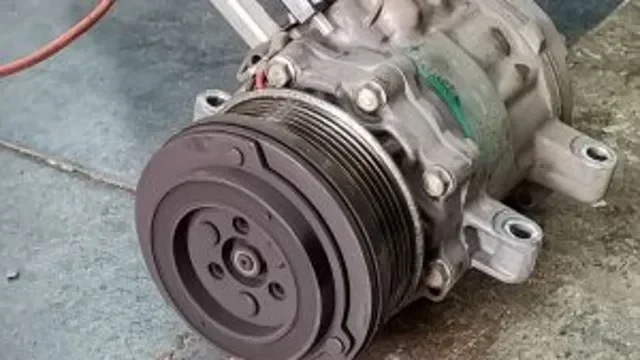
How To Tell If AC Compressor Is Running And Why It Matters
Knowing how to tell if AC compressor is running can save you from costly repairs and uncomfortable days. You can check for physical signs like vibration and noise, listen for clicking sounds, and inspect the electrical connections. This guide walks you through every method to confirm your compressor is working properly.
Your air conditioning system works hard to keep your home cool. At the heart of that system is the AC compressor. But what happens when you suspect it is not doing its job? Maybe you feel warm air coming from the vents, or you hear strange noises from the outdoor unit. Either way, learning how to tell if AC compressor is running is an essential skill for any homeowner.
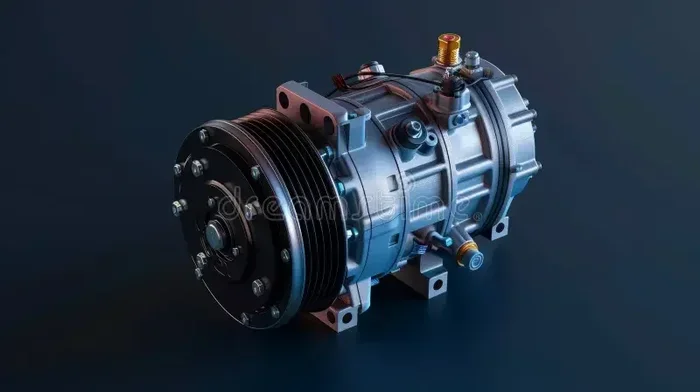
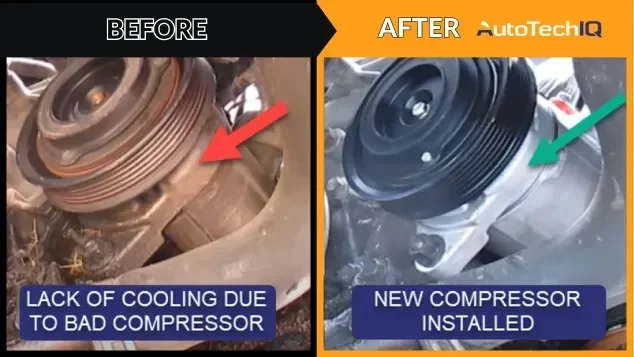
The AC compressor is the engine of your cooling system. It pressurizes refrigerant and circulates it through the coils. Without a working compressor, your entire AC unit becomes useless. Understanding the signs of a running or failing compressor helps you catch problems early. It also saves you from expensive AC compressor repair bills down the road.
In this guide, we will walk you through every method to check if your compressor is running. We will cover physical signs, electrical checks, temperature tests, and common failure causes. By the end, you will know exactly what to look for and when to call in a professional.
Key Takeaways
- Listen and feel: A running compressor makes a low hum and causes slight vibration near the outdoor unit.
- Check the clutch: The AC compressor clutch engages when the system is cooling, signaling the compressor is active.
- Monitor temperatures: Warm air from vents often means the compressor is not running or has failed.
- Use a multimeter: Testing voltage at the compressor terminals gives you a definitive answer.
- Don’t ignore warning signs: Clicking, humming without starting, or tripping breakers all point to compressor issues.
- Call a pro when unsure: Electrical diagnostics and refrigerant handling require professional tools and expertise.
📑 Table of Contents
- Why Knowing If Your AC Compressor Is Running Matters
- Signs Your AC Compressor Is Running
- Signs Your AC Compressor Is NOT Running
- How To Check If Your AC Compressor Is Running (Step-by-Step)
- Common Reasons Your AC Compressor Won’t Start
- When To Call A Professional
- How To Keep Your AC Compressor Running Smoothly
- Quick Tips To Remember
Why Knowing If Your AC Compressor Is Running Matters
Many homeowners ignore their air conditioning compressor until something goes wrong. That is a mistake. Your cooling system depends entirely on the compressor to move refrigerant. If the compressor stops working, your home heats up fast, especially in summer.
Here is why it matters:
- Early detection saves money: Catching a failing compressor early can prevent a full system replacement.
- Comfort at home: A non-running compressor means no cold air. Your family feels the heat immediately.
- Energy efficiency: A compressor that cycles properly uses less power. One that struggles or runs continuously drives up your energy bill.
- Prevents further damage: A compressor that won’t start can strain other parts of the AC system, like the fan motor or capacitor.
If you are using a backup generator to power your AC during an outage, you also need to make sure your generator can handle the compressor’s power draw. Check out our guide on how long a generator can run to plan accordingly.
Signs Your AC Compressor Is Running
So how do you actually know if the compressor is working? There are several clear signs that tell you the AC compressor is engaged and running.
1. Listen for a Low Hum or Buzzing Sound
When your AC compressor is running, it makes a distinct low humming sound. Stand near the outdoor unit and listen carefully. A steady, consistent hum means the compressor motor is active. If you hear silence or only a faint click, the compressor likely is not running.
Some people describe the sound as a deep rumble. Others say it sounds like a refrigerator running. Either way, the noise should be constant while the system is cooling.
2. Feel Vibration Near the Outdoor Unit
A running air conditioning compressor creates vibration. Place your hand near the outdoor unit (but not too close to the fan). You should feel a gentle buzzing or trembling. This vibration comes from the compressor motor and piston inside the unit.
If you feel no vibration at all, that is a red flag. The compressor may have stopped working or failed to start.
3. Check the Compressor Clutch
The AC compressor clutch is a small component that engages the compressor when cooling is needed. When the thermostat calls for cool air, the clutch should click and lock into place.
You can often see the clutch through the fan grille on the outdoor unit. If the clutch is engaged and spinning, the compressor is running. If the clutch is not engaging, the compressor will not work even if the motor is receiving power.
4. Watch for Cold Air From the Vents
This one seems obvious, but it is worth mentioning. When your AC compressor is running properly, cold air flows through the supply vents within a few minutes. If the system is running but blowing warm air, the compressor may not be engaging.
Keep in mind that dirty filters or low refrigerant can also cause warm air. But if you have ruled those out, the compressor is the likely culprit.
Signs Your AC Compressor Is NOT Running
Now let us look at the warning signs that your AC compressor has stopped working or never started.
1. Warm Air From the Vents
The most obvious sign is warm or room-temperature air coming from your vents. If the fan is blowing but the air is not cold, the compressor is probably not running. The refrigerant is not being pressurized, so no cooling happens.
2. Clicking Sounds Without Starting
Do you hear a rapid clicking from the outdoor unit? This often means the compressor is trying to start but failing. The clicking comes from the relay or starter solenoid attempting to engage the compressor over and over.
This is a frustrating symptom. The compressor wants to run but something is blocking it. Common causes include a bad capacitor, a locked rotor, or low refrigerant pressure.
3. Breaker Tripping Frequently
If your AC compressor keeps tripping the circuit breaker, that is a serious warning sign. A compressor that struggles to start draws too much electricity. This overloads the circuit and causes the breaker to shut off.
Never keep resetting the breaker without fixing the root cause. Repeated tripping can damage the compressor motor beyond repair.
4. Ice Buildup on the Outdoor Unit
Ice forming on the copper lines or the outdoor coil is a sign of low airflow or low refrigerant. When the compressor is not running properly, refrigerant pressure drops. This causes moisture to freeze on the coils.
If you see ice, turn off the system and let it thaw. Then investigate the cause. Running a frozen compressor can destroy the unit.
How To Check If Your AC Compressor Is Running (Step-by-Step)
Want to be sure? Here is a step-by-step process to check if your AC compressor is actually running. Always turn off the power before touching any electrical components.
Step 1: Turn On the AC and Observe the Outdoor Unit
Set your thermostat to cool mode and lower the temperature. Go outside and watch the outdoor unit. Within a few minutes, you should see the fan spin and hear the compressor engage.
Look for the clutch to click and lock. If the fan spins but the clutch does not engage, the compressor is not running.
Step 2: Check the Electrical Connections
Your AC compressor needs a solid electrical connection to run. Check the disconnect box near the outdoor unit. Make sure the handle is in the “on” position.
If you are comfortable with basic electrical work, you can also check the voltage at the compressor terminals. Use a multimeter set to AC voltage. You should see the rated voltage (usually 220 or 240 volts) at the compressor contacts.
If you are not familiar with electrical work, this step is best left to a professional. Improper handling of high-voltage components is dangerous.
Step 3: Test the Compressor Capacitor
The AC compressor uses a capacitor to start and run. A bad capacitor is one of the most common reasons a compressor will not start. The capacitor looks like a small cylinder attached to the compressor.
You can test it with a multimeter set to capacitance mode. Compare the reading to the rated value on the capacitor label. If the reading is more than 10% off, the capacitor needs replacement.
Step 4: Listen for the Compressor Motor
Place your ear near the outdoor unit (safely away from moving parts). A running air conditioning compressor produces a steady low hum. If you hear a hum but the compressor does not start, the motor may be seized.
A seized compressor motor means the internal parts are locked. This usually requires full compressor replacement.
Step 5: Check the Refrigerant Lines
Run your hand along the suction line (the larger copper pipe). If the AC compressor is running, this line should feel cold and may have condensation on it. If the line is room temperature, the compressor is likely not circulating refrigerant.
Be careful not to touch any moving parts or electrical connections. Use caution at all times.
Common Reasons Your AC Compressor Won’t Start
Understanding why a compressor fails to start helps you prevent future problems. Here are the most common causes:
Low Refrigerant Levels
Your AC system needs the right amount of refrigerant to operate. Low refrigerant causes the compressor to trip on its low-pressure safety switch. This prevents the compressor from running to protect it from damage.
Low refrigerant usually means you have a leak. A professional needs to find and fix the leak, then recharge the system.
Bad Capacitor or Relay
The start capacitor and run capacitor provide the electrical boost the compressor needs. A failed capacitor means the compressor cannot start. The relay controls the electrical flow to the compressor. If the relay fails, power never reaches the compressor.
Replacing a capacitor or relay is relatively inexpensive. This is one of the easiest and cheapest AC compressor repair jobs.
Electrical Issues
Loose wiring, corroded contacts, or a faulty contactor can all prevent the compressor from receiving power. Over time, electrical connections degrade, especially in outdoor units exposed to heat and moisture.
If you have a backup generator, make sure it is wired correctly to handle the AC compressor’s load. A poorly wired setup can cause voltage drops that damage the compressor over time. You can learn more about proper wiring in our article on how to wire a generator to a breaker box.
Compressor Overheating
Compressors can overheat due to dirty coils, blocked airflow, or high ambient temperatures. When the compressor gets too hot, the thermal overload kicks in and shuts it down. Once it cools, it may restart, but repeated overheating damages the motor windings.
Compressor Lockup
Sometimes the internal mechanical parts of the compressor seize up. This is called a locked rotor. A locked compressor cannot start and draws locked rotor amps, which is several times the normal running current.
A locked compressor usually needs to be replaced entirely. Attempting to run it can cause the motor to burn out.
When To Call A Professional
Not every compressor issue is a DIY fix. Some situations require a licensed HVAC technician. Here is when you should call a pro:
- You smell burning: A burning odor from the outdoor unit means the compressor motor is overheating or has shorted out. Turn off the system immediately.
- You hear grinding or knocking: These sounds indicate internal mechanical damage. Running the compressor will make it worse.
- The compressor trips the breaker repeatedly: This suggests a serious electrical or mechanical fault that needs professional diagnosis.
- You need to handle refrigerant: Refrigerant handling requires EPA certification. Only a licensed professional should add or recover refrigerant.
- You are unsure about electrical testing: High-voltage work is dangerous. If you are not trained, leave it to the experts.
A professional can run a full diagnostic on your AC compressor. They have tools like refrigerant pressure gauges, amp meters, and thermal cameras to pinpoint the exact problem.
When it comes to powering your cooling system, especially during outages or in areas with unreliable electricity, the right generator setup matters. If you are considering a whole-house backup, check out our guide on what size generator to run a house to make sure your system can handle the AC compressor’s demands.
How To Keep Your AC Compressor Running Smoothly
Prevention is always better than repair. Here are simple tips to keep your AC compressor healthy and running for years:
- Change your filters regularly: Dirty filters restrict airflow and make the compressor work harder. Replace them every 1 to 3 months.
- Keep the outdoor unit clean: Remove leaves, dirt, and debris from around the condenser. Good airflow prevents overheating.
- Schedule annual maintenance: A professional tune-up catches small problems before they become big ones. The technician will check refrigerant levels, electrical connections, and compressor performance.
- Do not ignore strange noises: Unusual sounds from the outdoor unit are early warning signs. Address them quickly.
- Give your compressor breaks: Set your thermostat at a reasonable temperature. Constantly cranking the AC to the lowest setting puts extra strain on the compressor.
Quick Tips To Remember
- A running AC compressor makes a low, steady hum and causes slight vibration.
- The compressor clutch should engage when the system is in cooling mode.
- Cold air from vents within 5 to 10 minutes of startup means the compressor is likely working.
- Warm air, clicking sounds, and tripping breakers all point to compressor problems.
- Always turn off power before inspecting electrical components.
- When in doubt, call a licensed HVAC professional for a proper diagnosis.
Your air conditioning compressor is the most important part of your cooling system. Learning how to tell if AC compressor is running gives you the power to catch problems early. Whether you listen for the hum, feel for vibration, or check the clutch engagement, these simple checks can save you time and money.
Remember that regular maintenance goes a long way. Keep your filters clean, your outdoor unit clear of debris, and schedule yearly professional inspections. These small habits extend the life of your compressor and keep your home cool all summer long.
Most importantly, do not ignore warning signs. A compressor that clicks but does not start, blows warm air, or trips the breaker needs attention. The sooner you diagnose the issue, the better your chances of a simple and affordable fix.
By staying proactive and knowing what to look for, you keep your AC unit running efficiently. You also avoid the discomfort and expense of a sudden compressor failure. Your cooling system works hard for you, and with a little attention, it will keep working for years to come.