Does Your AC Compressor Need Oil Heres the Full Guide
Yes, your AC compressor needs oil to run smoothly and avoid costly damage. The compressor relies on lubricant to reduce friction, prevent overheating, and extend its lifespan. Without proper AC compressor lubrication, your cooling system will fail prematurely, leading to expensive repairs or full replacement.
This is a comprehensive guide about does ac compressor need oil.
Key Takeaways
- Compressors need oil: All AC compressors require lubrication to reduce friction and prevent overheating during operation.
- Oil type matters: Using the wrong compressor oil can cause serious damage and void your warranty.
- Watch for warning signs: Strange noises, reduced cooling, and overheating are clear signals your compressor needs attention.
- Regular maintenance helps: Routine AC system maintenance keeps your compressor healthy and extends its life significantly.
- DIY oil checks are simple: You can check your compressor oil level at home with basic tools and a little know-how.
- Replacement costs add up: Ignoring compressor oil issues leads to AC repair bills that could have been prevented.
[FEATURED_IMAGE_PLACEHOLDER]
Does Your AC Compressor Really Need Oil?
Let us get straight to the point. Does AC compressor need oil? Yes, absolutely. Your AC compressor is the heart of your cooling system, and just like your heart needs blood to function, your compressor needs oil to keep everything running smoothly. Without proper AC compressor lubrication, the internal parts grind against each other, heat builds up, and eventually, the whole system breaks down.
Many homeowners overlook this simple but critical aspect of cooling system maintenance. They change their furnace filters and clean their coils, but they never think about what keeps the compressor itself alive. The truth is, compressor oil plays a massive role in how well your AC performs, how long it lasts, and how much you spend on AC repair bills over the years.
In this guide, we will walk you through everything you need to know about AC compressor oil. We will cover what it does, what type to use, when to change it, and how to spot problems before they turn into expensive disasters. Whether you are a DIY enthusiast or just someone who wants to understand their HVAC system better, this guide has you covered.
Why Does an AC Compressor Need Oil?
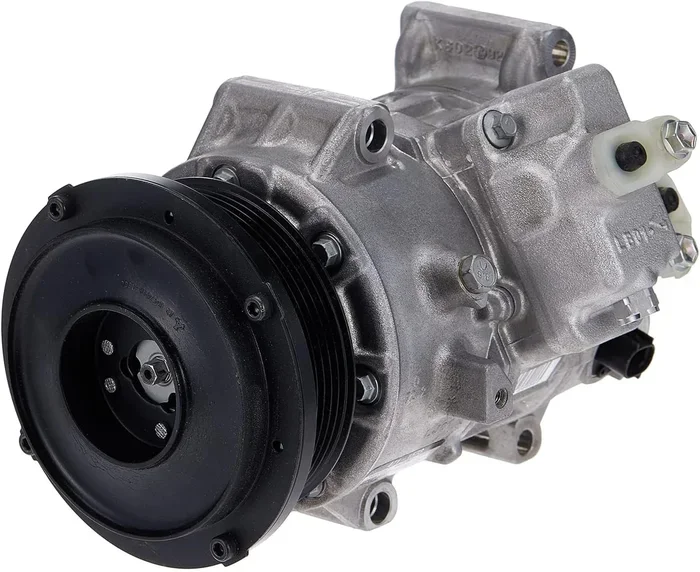
Think of your compressor as a high-speed engine. It pumps refrigerant through your air conditioning system to pull heat out of your home. To do this job, it has moving parts that spin, slide, and press against each other at incredible speeds. Without lubrication for compressors, those metal parts would destroy each other in minutes.
Here is what AC compressor lubrication actually does for your system:
- Reduces friction: Oil creates a thin protective layer between metal surfaces, preventing direct contact and wear.
- Prevents overheating: Friction generates heat. Oil absorbs and dissipates that heat, keeping temperatures safe.
- Seals gaps: Oil helps seal the small gaps between moving parts, improving efficiency and cooling power.
- Reduces noise: A well-lubricated compressor runs quietly. Low oil often means loud, grinding sounds.
- Extends lifespan: Proper lubrication can add years to your compressor life, saving you thousands in replacement costs.
When the oil level drops or the oil breaks down over time, your compressor starts working harder than it should. That extra strain leads to compressor overheating, which is one of the top reasons compressors fail early. And a failed compressor means a very expensive AC repair or even a full system replacement.
What Happens When a Compressor Runs Without Oil?
Running a compressor without oil is like driving your car with no engine oil. At first, nothing seems wrong. But within a short time, the internal components start scoring and grinding. Metal shavings mix with the refrigerant, contaminating the entire HVAC system. Eventually, the compressor seizes up completely and stops working.
Here are the stages of what happens when oil runs low:
- Increased friction: Parts wear down faster than normal.
- Heat buildup: Temperatures rise inside the compressor beyond safe limits.
- Reduced cooling: Your AC blows warm air or struggles to reach the set temperature.
- Internal damage: Scoring and pitting occur on cylinder walls and valves.
- Complete failure: The compressor locks up and requires full replacement.
The good news is that this progression takes time. If you stay on top of your AC system maintenance, you can catch low oil levels early and avoid total failure. And if you ever need backup cooling while your system is down, a portable generator can keep your home comfortable until repairs are complete.
Types of Oil Used in AC Compressors
Not all compressor oils are the same. Using the wrong type can cause serious problems, so it is important to know what goes into your system. The right compressor oil depends on your compressor type, your refrigerant, and your manufacturer recommendations.
Mineral Oil
Mineral oil is the oldest and most traditional type of AC compressor lubricant. It works well with older systems that use R-22 refrigerant (also known as Freon). If you have an older air conditioning unit, there is a good chance it uses mineral oil. This oil is affordable and widely available, but it does not mix well with newer refrigerants.
Polyolester Oil (POE)
POE oil is the standard for modern HVAC compressors. It works with R-410A and other newer refrigerants that have replaced the old R-22 standard. POE oil is synthetic, which means it offers better thermal stability and lower moisture absorption than mineral oil. Most new central air conditioning systems require POE oil.
Alkylbenzene Oil (AB)
Alkylbenzene oil is a synthetic lubricant that can work with both mineral oil and POE oil systems. It is often used as a substitute or additive when mixing oil types is necessary. Some technicians prefer AB oil for its excellent low-temperature performance and compatibility with various refrigerants.
Comparison Table: AC Compressor Oil Types
| Oil Type | Best For | Refrigerant Compatibility | Lifespan | Cost |
|---|---|---|---|---|
| Mineral Oil | Older R-22 systems | R-22 only | 5-7 years | $Low |
| POE Oil | Modern R-410A systems | R-410A, R-32 | 7-10 years | $Moderate |
| Alkylbenzene Oil | Mixed or legacy systems | R-22, R-410A, R-32 | 7-10 years | $Moderate-High |
Always check your compressor owner manual before adding or changing oil. Using the wrong oil can reduce efficiency, damage internal parts, and even void your warranty. When in doubt, consult a licensed HVAC technician who can confirm the right lubricant for compressors for your specific model.
How Often Should You Change AC Compressor Oil?
Most homeowners do not think about changing their compressor oil until something goes wrong. But just like changing the oil in your car, regular compressor oil changes keep your system running at peak performance. So how often should you actually do it?
The general rule of thumb is every two to three years for most residential systems. However, several factors can change this timeline:
- System age: Older compressors burn through oil faster and may need more frequent changes.
- Running hours: If your AC runs heavily during long summer months, the oil degrades faster.
- Ambient temperature: Extreme heat accelerates oil breakdown, especially in hot climates.
- Refrigerant leaks: Leaks can cause oil to escape with the refrigerant, lowering levels quickly.
- Manufacturer guidelines: Always follow the specific recommendations from your compressor manufacturer.
If you want to get ahead of problems, you can ask your HVAC tech to check the oil level during your annual AC maintenance visit. This simple step can reveal low oil levels before they cause damage. And speaking of keeping things running, if you rely on a backup generator during summer outages, make sure it is also well-maintained. Check out our guide on how much gas a generator uses to plan your fuel costs for the cooling season.
Signs Your Compressor Oil Needs Changing
You do not need to be a professional to notice when something is off with your compressor. Here are the most common signs that your AC compressor oil needs attention:
- Unusual noises: Clicking, grinding, or rattling sounds coming from the outdoor unit.
- Reduced cooling: Your home takes longer to cool down or does not reach the set temperature.
- Overheating: The compressor unit feels excessively hot to the touch.
- Higher energy bills: A struggling compressor uses more electricity, which shows up on your monthly bill.
- Oil leaks: You notice dark spots or oily residue around the compressor base.
- Short cycling: The compressor turns on and off frequently instead of running steady cycles.
If you notice any of these signs, do not wait. Call a professional to inspect your air conditioning compressor and check the oil level. Catching the problem early can save you from a full compressor replacement, which can cost several thousand dollars.
Can You Check and Add Compressor Oil Yourself?
Here is where things get a little tricky. While you can check some aspects of your HVAC system yourself, adding oil to an AC compressor is not always a simple DIY job. It depends on your system type, your comfort level, and whether you have the right tools.
Step-by-Step: Checking Compressor Oil Level
Before you start, make sure the power to your AC unit is completely off at the breaker. Safety always comes first. Here is how to check the oil level:
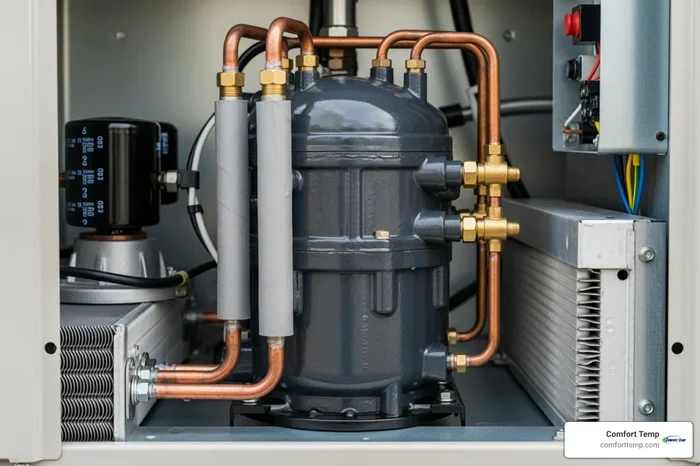
- Locate the compressor: The compressor is the large box-shaped unit in your outdoor condensing unit.
- Find the oil sight glass: Some compressors have a small glass window on the side that lets you see the oil level.
- Check the oil color: Healthy oil is clear or slightly amber. Dark brown or black oil needs changing.
- Look for bubbles: Bubbles in the sight glass can indicate low oil or a refrigerant leak.
- Note the level mark: If there is a mark or line on the sight glass, make sure the oil sits between the minimum and maximum levels.
If your compressor does not have a sight glass, you will need to access the oil service valve, which requires more advanced tools and knowledge. This is a job best left to a licensed professional.
When to Call a Professional
Adding oil to an AC compressor involves handling refrigerant lines, which requires EPA certification in many states. Even if you are handy with tools, working with refrigerant is regulated by law. A certified HVAC technician can safely check your oil levels, top off the system, and make sure everything is balanced correctly.
Plus, a pro can spot other issues while they are there. They can check your refrigerant levels, inspect electrical connections, clean the coils, and verify that your cooling system is running at peak efficiency. For a typical maintenance visit, you might spend $100 to $200, which is a small price compared to the cost of an emergency AC repair.
And if your power goes out during a heatwave, having a reliable backup plan is essential. Learn more about how long your generator can sustain your home by reading our article on how long a Generac generator lasts to make sure you stay cool when the grid goes down.
Common AC Compressor Oil Mistakes to Avoid
Even well-meaning homeowners can make mistakes when it comes to AC compressor maintenance. Here are the most common errors and how to avoid them:
- Using the wrong oil type: Mixing mineral oil with POE oil can cause chemical reactions that damage your system. Always verify the correct oil before adding anything.
- Overfilling the system: Too much oil can reduce cooling efficiency and cause pressure problems. Stick to the manufacturer recommended level.
- Ignoring oil leaks: A small leak today becomes a big problem tomorrow. If you notice oil spots around your compressor, get it checked immediately.
- Skipping routine maintenance: Annual tune-ups are the best way to catch low oil and other issues before they escalate into costly repairs.
- Neglecting filter changes: Dirty filters restrict airflow, which causes the compressor to work harder and burn through oil faster.
Avoiding these simple mistakes can add years to your compressor life and keep your air conditioning system running efficiently. Think of regular maintenance as insurance, not an expense. It saves you money in the long run by preventing the kind of breakdowns that require major AC repair or replacement.
How Compressor Oil Affects Overall AC Performance
It is easy to think of compressor oil as just another fluid in your system, but it has a direct impact on how well your entire AC unit performs. When the oil is clean, at the right level, and the correct type, your compressor runs efficiently, cools your home effectively, and uses less energy.
When the oil is low, old, or the wrong type, everything suffers. Your compressor works harder, your energy bills climb, and the lifespan of your HVAC compressor shortens significantly. In fact, studies show that poor lubrication can reduce compressor efficiency by up to 20 percent. That is like leaving your windows open during summer and wondering why your bill is so high.
Proper AC compressor lubrication also affects your indoor air quality. A well-maintained compressor pulls moisture from the air more effectively, reducing humidity and preventing mold growth. Your whole home benefits when the compressor is properly lubricated and running smoothly.
If you are planning to upgrade or install a new system, understanding compressor oil needs is essential. And if you are considering a backup generator to keep your home comfortable during power outages, knowing how much power your AC system draws is important. Our guide on what size generator you need for power tools can help you size the right unit for your needs, including running heavy cooling equipment.
Final Thoughts: Keeping Your AC Compressor Healthy
The answer to does AC compressor need oil is a resounding yes. Your compressor depends on proper lubrication to reduce friction, prevent overheating, seal internal gaps, and run quietly and efficiently. Without it, your entire air conditioning system suffers, and the cost of repair or replacement can be staggering.
Take a proactive approach to your AC system maintenance. Check your oil levels regularly, use the correct oil type for your system, and never skip annual professional tune-ups. These simple steps protect your investment, keep your home comfortable, and prevent the headaches of unexpected breakdowns during the hottest days of summer.
Remember, your compressor is the engine of your cooling system. Treat it well, and it will serve you faithfully for 15 to 20 years. Neglect it, and you will be facing an expensive AC repair or premature replacement. The choice is yours, and a little maintenance goes a long way.
Stay on top of your system, keep that oil fresh, and enjoy cool, comfortable air all summer long. Your future self, and your wallet, will thank you for it.
Frequently Asked Questions
What type of oil does an AC compressor use?
Most modern AC compressors use POE (polyester) oil, which is compatible with R-410A refrigerant. Older systems using R-22 refrigerant typically use mineral oil. Always check your manufacturer guidelines before adding oil, and never mix different oil types in the same system.
Can low compressor oil cause an AC to stop cooling?
Yes, absolutely. Low oil increases friction and causes the compressor to overheat, which reduces its ability to pump refrigerant. This leads to poor cooling performance and can eventually cause the compressor to shut down entirely. If your AC is blowing warm air, low oil could be the culprit.
How do I know if my AC compressor oil is low?
Common signs include unusual grinding noises, reduced cooling performance, overheating of the outdoor unit, and short cycling. You can also check the oil sight glass if your compressor has one. Dark oil or visible bubbles often indicate low levels or contamination.
Is adding compressor oil a DIY job?
Checking the oil level can be a simple DIY task if your compressor has a sight glass. However, actually adding oil involves handling refrigerant lines, which is regulated by law and requires EPA certification in most areas. We strongly recommend hiring a licensed HVAC technician for oil additions and changes.
How much does it cost to change AC compressor oil?
A professional compressor oil change typically costs between $150 and $300, depending on your system type and your local labor rates. This is a small price compared to the cost of repairing or replacing a compressor that failed due to lack of lubrication. Regular oil changes are one of the best investments you can make for your HVAC system.
Can a compressor run without oil temporarily?
No. Even brief operation without oil can cause irreversible damage to internal components. While a compressor might run for a few minutes on very low oil, the friction and heat will quickly cause scoring, pitting, and eventual seizure. Never let your compressor run low on oil, even for a short period.