How Does An Unloader Valve Work On Your Air Compressor
An unloader valve is a small but essential part of your air compressor that releases trapped pressure when the motor starts. It makes starting easier, reduces energy waste, and keeps your compressor running smoothly. Understanding how this valve works helps you troubleshoot problems and maintain your system for years.
This is a comprehensive guide about how does an unloader valve work on air compressor.
Key Takeaways
- Unloader valves release pressure when the compressor shuts off, making the next startup much easier on the motor.
- There are three main types of unloader valves: mechanical, electrical, and automatic, each suited for different compressor setups.
- A faulty unloader valve causes hard starts, tripped breakers, and excessive noise during startup.
- Regular maintenance keeps the valve working and prevents costly compressor repairs down the road.
- The valve works hand-in-hand with the pressure switch to manage your compressor’s duty cycle efficiently.
- Replacing an unloader valve is inexpensive compared to replacing a burned-out compressor motor.
- Proper installation matters — wrong placement or sizing can cause pressure leaks and performance issues.
[FEATURED_IMAGE_PLACEHOLDER]
What Is an Unloader Valve and Why Does It Matter?
When your air compressor stops running, pressure inside the tank doesn’t just disappear. It stays there, trapped and waiting. That’s where the unloader valve comes in. This small component releases that trapped pressure the moment the motor shuts off. Without it, your compressor motor would have to fight against all that stored pressure every time it tries to start again.
Think of it like opening a heavy door after someone has pushed it shut with force. The unloader valve takes that “push” away before the motor tries to turn on. This makes a huge difference in how smoothly your compressor starts and how long the motor lasts. Understanding how does an unloader valve work on air compressor systems is one of the best things you can do as a DIYer or shop owner.
The valve is typically small and sits near the pressure switch or on top of the compressor head. It might not look like much, but it plays a critical role in your entire compressed air system. A failing valve can cause a chain of problems that affect every tool you run off the compressor.
Most people don’t think about their unloader valve until something goes wrong. By that point, they might be dealing with a motor that won’t start, a breaker that keeps tripping, or strange noises coming from the pump. Learning how this valve works helps you spot problems early and keep your compressor running at peak performance.
Whether you run a small home workshop or a busy industrial shop, your compressor’s unloader valve affects daily operations. It impacts startup ease, energy consumption, and overall equipment lifespan. Let’s dive into exactly how this valve does its job.
The Basic Mechanics of an Unloader Valve
How Pressure Builds and Releases
When your compressor runs, the pump pushes air into the tank. Pressure builds up gradually until it hits the cut-out pressure set on your pressure switch. At that point, the switch tells the motor to stop. But here’s the key moment — the unloader valve opens at the same time.
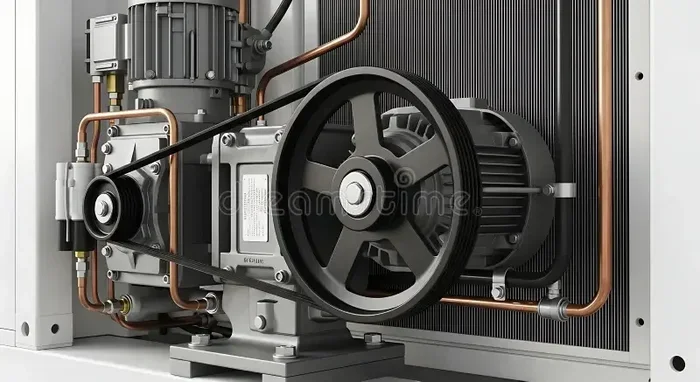
This opening releases the pressure above the piston or impeller inside the compressor head. In a piston-style compressor, this means the valve clears the space above the piston so the next startup doesn’t have to push against trapped air. In a rotary screw compressor, the valve performs a similar function for the rotors.
Once the pressure drops to the tank’s residual level, the valve closes again. The system is now ready for the next cycle. This entire process happens in seconds and is completely automatic in most modern setups.
The Role of the Pressure Switch
The pressure switch and the unloader valve work as a team. When the switch detects that tank pressure has reached the upper limit, it cuts power to the motor. Simultaneously, it triggers the unloader valve to open. When pressure drops to the lower limit, the switch sends power back to the motor, and the valve stays closed during normal operation.
This coordinated action is what keeps your compressor running efficiently. The pressure switch manages when the compressor runs, and the unloader valve manages what happens inside the pump head during each stop-start cycle.
Types of Unloader Valves
Mechanical Unloader Valves
Mechanical unloader valves operate through physical movement. They use a lever, spring, or linkage connected to the pressure switch or motor shaft. When the motor stops, the mechanical linkage pushes the valve open to release pressure.
These are common in smaller piston compressors and are among the most affordable options. They’re also easy to inspect and replace. However, they can wear out over time, especially if the linkage gets bent or the spring loses tension.
One advantage of mechanical valves is that they don’t need electrical power to function. They work purely on air pressure and physical motion. This makes them reliable in environments where electrical connections might be a concern.
Electrical Unloader Valves
Electrical unloader valves use a solenoid to open and close the valve. When the pressure switch cuts power to the motor, it also sends a signal to the solenoid. The solenoid then actuates the valve to release trapped pressure.
These valves offer precise control and are common in larger compressors. They also allow for more advanced features like timed unloader sequences. However, they do require a reliable electrical connection, which adds a potential point of failure.
If you’ve ever wondered how long a generator can run on a single tank of fuel, you understand the importance of efficient cycling. Similarly, an electrical unloader valve helps your compressor cycle efficiently, reducing wasted energy during each start-stop sequence.
Automatic Unloader Valves
Automatic unloader valves combine mechanical and electronic controls. They adjust based on real-time pressure readings and compressor demand. These are found in more advanced compressors and are ideal for applications where consistent pressure delivery matters.
They’re also great for compressors that run frequently throughout the day. The automatic valve ensures that every startup happens with minimal load, which reduces wear on the motor and extends the overall life of the machine.
Why the Unloader Valve Is Critical for Compressor Health
Reducing Startup Load
The biggest benefit of an unloader valve is reducing startup load on the motor. When the compressor stops with full tank pressure still pushing against the piston, the motor has to overcome that force to start turning again. This creates a massive surge of electrical current known as locked rotor amperage.
With the unloader valve releasing that pressure before startup, the motor only needs to overcome friction and the natural resistance of the pump. This means less electrical stress, lower energy consumption, and a much longer motor life. The difference is like the contrast between how much gas a generator uses when it starts under load versus starting on a cold engine with no load.
Preventing Hard Starts and Tripped Breakers
A stuck or malfunctioning unloader valve is one of the most common causes of hard starts. If the valve stays closed when the motor stops, pressure remains trapped in the head. The next time the motor tries to start, it faces full resistance and draws far more current than normal.
This often results in a tripped breaker or a blown starter capacitor. In severe cases, the motor windings can overheat and burn out. Replacing a $20 unloader valve is a lot cheaper than replacing a $300 compressor motor.
Reducing Noise and Wear
Compressors with failing unloader valves often make a loud bang or grunt when starting. This noise comes from the motor straining against trapped pressure. Over time, this repeated stress damages motor bearings, stretches belts, and accelerates wear on pump components.
A properly functioning unloader valve keeps startup smooth and quiet. Your compressor will run more peacefully, and you’ll notice less vibration during the start-up phase. This also contributes to a safer working environment, especially in busy shops where multiple machines are running.
Common Unloader Valve Problems and How to Spot Them
Valve Stuck in the Closed Position
This is the most common failure mode. When the valve sticks closed, pressure never releases from the pump head. You’ll notice your compressor struggles to start, sometimes making a grinding or straining sound. The motor may trip the breaker repeatedly.
The fix is usually straightforward. You can clean the valve with compressed air, remove debris, or replace it entirely. Regular inspection helps catch this problem before it damages the motor.
Valve Stuck in the Open Position
Less common but still problematic, a valve stuck open causes constant air leakage. You’ll hear a hissing sound even when the compressor is running and building pressure. The compressor may never reach its cut-out pressure because air is constantly escaping through the open valve.
This wastes energy and reduces the compressor’s ability to deliver consistent airflow to your tools. It also causes the motor to cycle more frequently, which increases wear over time.
Leaking Around the Valve Seat
Wear and tear on the valve seat can cause small leaks. These leaks might not be obvious at first, but over time they reduce system efficiency. You may notice your compressor takes longer to reach pressure or that your air tools seem weaker than usual.
Inspecting the valve seat during routine maintenance can catch this early. A simple reseating or replacement of the valve component usually solves the problem quickly.
Maintenance Tips for Your Unloader Valve
Keeping your unloader valve in good shape doesn’t require a lot of effort. A few simple practices go a long way in preventing problems and ensuring reliable operation.
- Inspect the valve monthly during heavy use. Look for visible damage, corrosion, or debris buildup on the valve and linkage.
- Clean the valve regularly with compressed air. Dust and moisture can accumulate and interfere with valve movement.
- Lubricate moving parts if your valve design allows it. Use compressor-safe lubricant to keep the mechanism sliding smoothly.
- Check the pressure switch alignment periodically. A misaligned switch can cause the valve to open or close at the wrong time.
- Replace worn seals and O-rings as part of your routine maintenance schedule. These small parts prevent air leaks that reduce efficiency.
- Keep the area around the valve clean and free of obstructions. Good airflow around the compressor helps the valve operate correctly.
Just like you would maintain your how to wire a generator to a breaker box setup for safety and performance, regular compressor maintenance keeps everything running smoothly. The unloader valve is a small piece of the puzzle, but it’s one that affects everything else.
How Does an Unloader Valve Work on Air Compressor: Step-by-Step Cycle
Let’s walk through a complete compressor cycle to see the unloader valve in action.
- Compressor runs. The motor drives the pump, pushing air into the tank. Pressure rises steadily.
- Cut-out pressure reached. The pressure switch detects the upper limit and signals the motor to stop.
- Unloader valve opens. As the motor stops, the valve releases pressure above the piston or impeller.
- Tank holds pressure. The tank retains its pressure for use by air tools while the pump is idle.
- Pressure drops to cut-in level. When you use air tools, tank pressure falls to the lower set point.
- Motor restarts. The pressure switch sends power to the motor. Because the unloader valve already released pressure, the motor starts with minimal load.
- Cycle repeats. The compressor builds pressure again until it reaches cut-out, and the process starts over.
This cycle repeats hundreds or thousands of times over the life of your compressor. Each cycle places stress on the motor, but a working unloader valve keeps that stress manageable. Without it, every startup would be like asking your motor to push a car that’s already rolling downhill toward it.
The simplicity of this cycle is what makes the unloader valve so important. It’s a passive component that does critical work without any input from the operator. But when it fails, the entire system suffers. That’s why understanding how does an unloader valve work on air compressor systems gives you an advantage in troubleshooting and maintenance.
Unloader Valves in Different Compressor Types
Reciprocating Piston Compressors
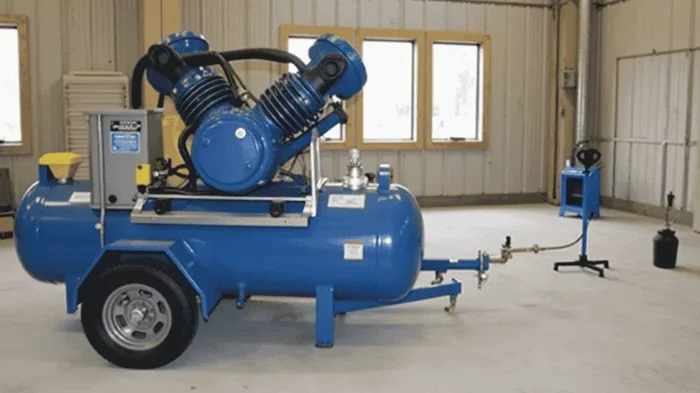
Piston compressors are the most common type found in home workshops and small shops. These compressors rely heavily on unloader valves because the piston creates a significant amount of trapped pressure during each stop cycle. The valve clears this pressure so the next stroke doesn’t start against a wall of compressed air.
Most piston compressors use either a mechanical or electrical unloader valve. The choice depends on the compressor size and the manufacturer’s design preferences.
Rotary Screw Compressors
Rotary screw compressors use two meshing rotors instead of a piston. These compressors still need unloader valves, but the mechanism works slightly differently. The valve releases pressure from the rotor housing so the screws can spin freely during startup.
These compressors are more common in industrial settings where continuous operation is needed. Their unloader valves tend to be more robust and designed for higher duty cycles.
Portable and Small Compressors
Small portable compressors often have a simpler unloader mechanism built into the pressure switch itself. In these units, the valve and switch are combined into a single assembly. This makes maintenance easier but also means that if the switch fails, you might need to replace the entire unit.
For those using small compressors alongside portable power equipment, understanding how components like how much a Generac generator costs compares to compressor costs can help you budget for both systems in your workshop.
When to Replace Your Unloader Valve
Knowing when to replace your unloader valve can save you from more serious compressor problems. Watch for these warning signs:
- The compressor makes loud noises during startup that weren’t there before.
- The motor trips the breaker frequently, especially at startup.
- You hear air hissing from the compressor head even after it shuts off.
- The compressor takes longer than usual to start after a shutdown.
- Your air tools seem weaker, even though tank pressure reads normal.
- You notice visible damage, corrosion, or debris on the valve.
If you notice any of these symptoms, inspect the unloader valve first before assuming the motor is damaged. In most cases, a simple valve replacement solves the problem completely. The part itself is inexpensive, and the replacement process is straightforward for most models.
Always make sure to replace the valve with the correct size and type for your compressor. Using the wrong valve can cause improper pressure release, which leads to the same problems you were trying to fix. Check your compressor’s manual or contact the manufacturer if you’re unsure about the right replacement part.
Expert Insights: Getting the Most from Your Unloader Valve
Experienced compressor technicians will tell you that the unloader valve is one of the most overlooked maintenance items. People check the oil, clean the air filter, and inspect the hose — but the unloader valve often goes unchecked until it causes a real problem.
Here’s what the pros recommend:
- Add unloader valve inspection to your monthly checklist. It only takes a few minutes and catches problems early.
- Keep spare valves on hand. They’re cheap and having one ready prevents downtime when your valve fails unexpectedly.
- Don’t ignore small symptoms. A slight hiss or a slightly harder start today can become a burned-out motor tomorrow.
- Understand your specific model. Different compressors use different valve designs. Knowing your model helps you troubleshoot faster and choose the right replacement.
The unloader valve is a perfect example of how a small component can have an outsized impact on your equipment’s performance and longevity. Taking care of it pays dividends every time you start your compressor.
Key Takeaways
- Unloader valves release pressure when the compressor shuts off, making the next startup much easier on the motor.
- There are three main types of unloader valves: mechanical, electrical, and automatic, each suited for different compressor setups.
- A faulty unloader valve causes hard starts, tripped breakers, and excessive noise during startup.
- Regular maintenance keeps the valve working and prevents costly compressor repairs down the road.
- The valve works hand-in-hand with the pressure switch to manage your compressor’s duty cycle efficiently.
- Replacing an unloader valve is inexpensive compared to replacing a burned-out compressor motor.
- Proper installation matters — wrong placement or sizing can cause pressure leaks and performance issues.
Conclusion
The unloader valve might be small, but it’s one of the most important parts of your air compressor. It handles the critical job of releasing trapped pressure every time the compressor stops, ensuring that the next startup is smooth and easy. Without a working valve, your motor faces unnecessary stress, your energy bills go up, and your compressor wears out faster.
Now that you understand how does an unloader valve work on air compressor systems, you can take better care of your equipment. Regular inspection, cleaning, and timely replacement of this valve will keep your compressor running efficiently for years. The next time you hear your compressor start up smoothly and quietly, you’ll know the unloader valve is doing its job.
Whether you’re a weekend DIYer or a full-time shop operator, taking a few minutes to learn about this component pays off. You’ll troubleshoot faster, maintain better, and avoid the expensive repairs that come from neglecting small but critical parts.
FAQs
Can a compressor run without an unloader valve?
Technically yes, but not for long. Without an unloader valve, the motor has to fight trapped pressure every time it starts. This causes excessive wear, higher energy use, and eventually motor failure. Most compressors are designed to work with a functioning unloader valve, and running without one will shorten the equipment’s lifespan significantly.
How do I know if my unloader valve is working properly?
Listen for smooth, quiet startups. If your compressor starts easily without straining or making loud noises, the valve is likely working. You can also check for air leaks when the compressor is off — a hissing sound from the valve area often indicates a problem. If the compressor trips the breaker on startup, the valve may be stuck closed.
What causes an unloader valve to fail?
Common causes include debris buildup, corrosion, worn springs, and damaged seals. Moisture inside the compressor can also cause the valve to stick or corrode over time. Regular maintenance and using clean, dry compressed air help extend the valve’s life significantly.
Is replacing an unloader valve difficult?
For most compressors, it’s a straightforward job. The valve is usually accessible and connects with simple fittings. You’ll need to release the tank pressure, disconnect the valve, and install the new one. Always refer to your compressor’s manual for specific instructions and make sure to match the replacement valve to your model.
How much does an unloader valve cost?
Most unloader valves cost between $15 and $50 depending on the compressor model and valve type. This is a very affordable part compared to the cost of repairing or replacing a compressor motor damaged by a failed valve. Keeping a spare on hand is a smart investment for any compressor owner.
Can I adjust the unloader valve myself?
Some mechanical unloader valves have adjustable settings, but most are set at the factory and should not be modified without proper guidance. Adjusting the valve incorrectly can cause pressure issues, safety hazards, or motor damage. If you’re experiencing problems, it’s usually better to clean or replace the valve rather than attempt adjustments.
Frequently Asked Questions
What is how does an unloader valve work on air compressor?
how does an unloader valve work on air compressor is an important topic with many practical applications.