How To Restart Your AC Compressor Without Calling a Pro
Knowing how to restart your AC compressor can save you time and money. This guide walks you through the simple steps to reset your compressor safely, including checking the circuit breaker, locating the reset button, and verifying your thermostat settings. You will also learn common reasons your compressor trips and when it is smart to call a pro.
Your AC compressor just shut off, and the house is getting warm. Before you pick up the phone to call a technician, take a breath. In most cases, you can learn how to restart your AC compressor on your own. It is simpler than you think, and it could save you a hundred dollars or more in service fees.
Whether your compressor tripped because of a power surge, a dirty filter, or an overheated system, the restart process is usually straightforward. This guide will walk you through every step in plain language. You will know exactly what to check, what to do, and when to stop and get help.
We have put together everything you need to know about restarting your AC compressor safely. From finding the reset button to checking your electrical connections, we cover it all. Let us get your cool air flowing again.
Key Takeaways
- Reset Button: Most AC units have a dedicated reset button on the outdoor condenser unit.
- Circuit Breaker: A tripped breaker is the most common reason a compressor stops working.
- Thermostat Check: Incorrect thermostat settings can prevent your compressor from restarting.
- Safety First: Always wait 30 minutes before attempting a restart after a shutdown.
- Know When to Call a Pro: If the compressor keeps tripping, there may be a deeper issue like low refrigerant or a faulty capacitor.
- Power Supply Matters: If you use a backup generator, make sure it is properly wired and sized for your cooling system.
📑 Table of Contents
- Why Does Your AC Compressor Stop Working?
- How To Restart Your AC Compressor: Step-by-Step
- When the Compressor Will Not Restart
- Common Mistakes People Make When Restarting a Compressor
- How To Prevent Compressor Problems in the Future
- When Should You Call a Professional?
- Quick Tips for a Successful Compressor Restart
- Final Thoughts
Why Does Your AC Compressor Stop Working?
Before you restart anything, it helps to understand why the compressor shut down in the first place. Compressors are tough, but they are not invincible. Several common issues can cause a compressor to trip or stop running.
Tripped Circuit Breaker
This is the number one reason compressors stop. A power surge, an overloaded circuit, or a short can cause your breaker to flip. When the breaker trips, the compressor loses power and shuts off completely.
Overheating
If your condenser unit is dirty or blocked, it cannot release heat properly. The compressor works harder, gets too hot, and shuts down as a safety measure. This is called a thermal overload.
Low Refrigerant
Your AC system needs the right amount of refrigerant to operate. If levels are low, the compressor has to work extra hard. Eventually, it may trip off to protect itself from damage.
Faulty Capacitor or Relay
The capacitor gives the compressor a boost of energy to start. If it is failing, the compressor may hum but never fully start. The relay switches power to the compressor, and if it is bad, the compressor will not run at all.
How To Restart Your AC Compressor: Step-by-Step
Now that you know the common causes, let us walk through the actual restart process. Follow these steps in order for the best results.
Step 1: Turn Off Your Thermostat
First, go inside and set your thermostat to “off.” This tells the system to stop calling for cooling. It is a simple step, but it is important for safety. You do not want the compressor trying to kick on while you are working on it.
Step 2: Find the Circuit Breaker
Go to your electrical panel and look for the breaker that controls your AC unit. It is usually labeled “AC” or “HVAC.” Flip it to the “off” position. This cuts all power to the outdoor condenser unit and the compressor.
If you are not sure which breaker controls your AC, check the panel cover for a label. If your panel is not clearly labeled, now is a great time to fix that. You can also learn more about wiring connections to your breaker box to make sure everything is labeled correctly.
Step 3: Wait 30 Minutes
This step is critical and often skipped. Waiting 30 minutes allows the compressor to cool down. If you restart it too soon, the thermal overload will trip again immediately. Use this time to grab a drink and relax.
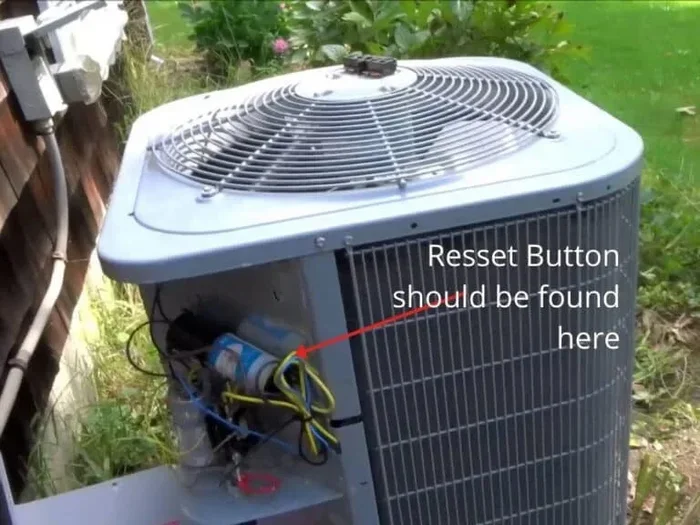
Step 4: Locate the Reset Button
Go outside to your condenser unit. Look for a red button on the compressor or near the control box. It is usually labeled “Reset.” Press it firmly until you hear a click.
Not all units have a reset button. Older models may not include one. If you do not see a button, do not worry. The breaker method will work just as well.
Step 5: Flip the Breaker Back On
Return to your electrical panel and flip the AC breaker back to “on.” Go outside and listen for the compressor to start. You should hear a low hum and feel warm air coming from the condenser fan.
Step 6: Turn the Thermostat Back On
Go back inside and set your thermostat to “cool.” Set the temperature a few degrees below the room temperature. Wait a few minutes. You should hear the compressor kick on and feel cool air coming from your vents.
When the Compressor Will Not Restart
You followed all the steps, but the compressor still will not start. Do not panic. There are a few more things you can check before calling for help.
Check the Thermostat Settings
Make sure your thermostat is set to “cool” mode and the temperature is low enough to trigger the system. Sometimes a simple setting change is all it takes. If your thermostat batteries are dead, replace them and try again.
Inspect the Air Filter
A clogged air filter restricts airflow. When airflow is poor, the evaporator coil freezes up, and the compressor shuts down to protect itself. Check your filter and replace it if it looks dirty. A clean filter keeps your cooling system running smoothly.
Look at the Outdoor Unit
Walk around your condenser unit. Is there debris blocking the fins? Is the fan spinning? Clear away any leaves, dirt, or obstructions. Good airflow around the unit is essential for proper operation.
Check for a Tripped Disconnect Switch
Near your outdoor unit, there is usually a rectangular box on the wall with a pull-out switch. This is the disconnect switch. Make sure it is pulled all the way out and then pushed back in. This is another way to reset power to the compressor.
If none of these steps work, there could be a deeper issue. A failing capacitor, a refrigerant leak, or a worn compressor motor may be the culprit. At that point, it is time to call a licensed HVAC technician.
Common Mistakes People Make When Restarting a Compressor
Even with the best intentions, people make mistakes when trying to restart their AC compressor. Here are the most common ones to avoid.
- Restarting too quickly: Skipping the 30-minute wait is the biggest mistake. The compressor needs time to cool down before it can safely restart.
- Ignoring the breaker: Some people try to press the reset button without turning off the breaker first. Always cut power before you do anything.
- Not checking the refrigerant: If your compressor keeps tripping, low refrigerant could be the cause. You cannot fix a refrigerant leak on your own.
- Forcing the restart: If the compressor will not start after two attempts, stop. Continuing to try can cause serious damage to the motor.
- Ignoring electrical issues: If you smell burning or see scorch marks, do not attempt a restart. Call a professional immediately.
How To Prevent Compressor Problems in the Future
The best way to deal with a compressor issue is to prevent one. Regular maintenance keeps your air conditioning compressor healthy and extends its lifespan.
Schedule Annual Maintenance
Have a professional inspect your AC system once a year, ideally in the spring before the hot months arrive. They will check refrigerant levels, clean the coils, and test electrical components.
Keep the Area Around the Condenser Clear
Make sure there is at least two feet of clearance around your outdoor unit. Trim back bushes, remove debris, and keep the area clean. Good airflow prevents overheating.
Replace Your Filter Regularly
Check your air filter every month during heavy use. Replace it when it looks dirty. A clean filter protects the compressor by ensuring proper airflow.
Monitor Your Energy Use
If you notice your electricity bills spiking, your compressor may be working harder than it should. This could signal a problem. Address it early before it becomes a bigger issue.
Some homeowners use a backup generator during power outages, which can help keep your cooling system running. If you are considering a generator, make sure it is the right size. You can find out what size generator you need to run your entire house and keep your AC running during outages.
When Should You Call a Professional?
There is no shame in calling a pro. Some compressor problems are simply too complex for a DIY fix. Here are clear signs that you need professional help.
- The compressor trips again immediately after restarting.
- You hear loud banging or grinding noises from the unit.
- There is a burning smell or visible damage to wires.
- The compressor will not start at all, even after multiple attempts.
- Your refrigerant lines are hissing or you see ice on the evaporator coils.
A licensed HVAC technician has the tools and expertise to diagnose and repair serious compressor issues. They can check your refrigerant pressure, test the capacitor, and inspect the compressor motor safely.
If you rely on a generator for backup power, proper placement matters for safety. Learn how far your generator should be from the house to avoid carbon monoxide risks and electrical hazards.
Quick Tips for a Successful Compressor Restart
- Always turn off the thermostat before starting the restart process.
- Wait a full 30 minutes after shutting off the breaker.
- Keep the area around your outdoor unit clean and clear.
- Replace your air filter regularly to prevent airflow problems.
- Have your system professionally maintained at least once a year.
- If you use a backup power source, ensure it is properly wired and using fuel efficiently.
Following these simple tips can help you avoid frequent compressor shutdowns and keep your home cool all summer long.
Final Thoughts
Learning how to restart your AC compressor is a valuable skill for any homeowner. Most of the time, the problem is simple and fixable in just a few minutes. A tripped breaker, a dirty filter, or a need to press the reset button can bring your cooling system back to life.
However, if the problem keeps coming back, do not ignore it. A compressor that trips repeatedly may have a serious underlying issue. In those cases, calling a professional is the smartest move you can make.
Stay proactive with maintenance, keep an eye on your system, and you will enjoy reliable cooling for years to come. Your AC compressor works hard for you, and with a little care, it will keep working hard.
Frequently Asked Questions
Can I restart my AC compressor by just flipping the breaker?
Yes, in most cases flipping the breaker off and then back on is enough to restart the compressor. However, you should always turn off your thermostat first and wait at least 30 minutes before restoring power. This allows the compressor to cool down and prevents the thermal overload from tripping again right away.
Where is the reset button on my AC compressor?
The reset button is usually located on the outdoor condenser unit, near the compressor or inside the control box. It is often a red button labeled “Reset.” Press it firmly until you hear a click. If your unit does not have a reset button, the breaker method will work just as well.
Why does my AC compressor keep tripping after I restart it?
A compressor that keeps tripping usually has an underlying issue. Common causes include low refrigerant, a failing capacitor, a dirty air filter, or an overheating condenser unit. If the compressor trips more than once or twice, it is best to call a professional HVAC technician to diagnose the root cause.
How long should I wait before restarting my AC compressor?
You should wait at least 30 minutes after turning off the power before attempting a restart. This cooling period prevents thermal overload and protects the compressor motor. If you restart too quickly, the compressor will likely trip again immediately.
Is it safe to restart the compressor myself?
Yes, restarting your AC compressor is generally safe as long as you follow basic safety steps. Always cut power at the breaker first, wait 30 minutes, and check for obvious issues like a dirty filter or blocked airflow. If you notice burning smells, scorch marks, or strange noises, stop and call a professional.
Can a power outage damage my AC compressor?
Power outages can sometimes cause a compressor to trip or sustain damage, especially if there was a sudden voltage surge when power returned. To protect your system, consider using a surge protector or a whole-house surge suppression device. If the compressor does not restart after an outage, check the breaker and reset button before calling for service.
=== CONCLUSION ===
Restarting your AC compressor without calling a pro is entirely possible for most homeowners. By following the simple steps in this guide, you can troubleshoot common issues, reset your system, and get your cool air back in no time. Remember to always prioritize safety, wait the full 30 minutes, and know when to call in a professional for help.