How Long Does an Air Conditioner Compressor Last on Average
The average AC compressor lasts between 12 and 15 years, but many factors can shorten or extend that timeline. Regular maintenance, proper sizing, and timely repairs play a huge role in keeping your air conditioner compressor running strong. Understanding these factors helps you plan for replacement and avoid costly breakdowns.
Your air conditioner compressor is the heart of your cooling system. It works tirelessly every summer day to keep your home comfortable. But like all mechanical parts, it doesn’t last forever. So how long does an air conditioner compressor last on average? The short answer is about 12 to 15 years. But the full picture is much more interesting.
Many homeowners don’t think about their HVAC compressor until it breaks down. That’s a mistake. Understanding your compressor’s lifespan helps you plan for repairs, budget for replacements, and avoid sudden discomfort on the hottest days of the year. This guide covers everything you need to know about AC compressor lifespan, from the factors that affect it to the signs that tell you it’s time for a change.
Whether you have a central air conditioner or a heat pump system, the compressor plays the same critical role. It pressurizes and circulates refrigerant through your cooling system. Without a working compressor, your air conditioning unit simply cannot cool your home. That’s why knowing what to expect from your compressor’s life is so important.
Key Takeaways
- Average Lifespan: Most AC compressors last 12 to 15 years with proper care.
- Maintenance Matters: Regular cleaning and filter changes can add years to compressor life.
- Warning Signs: Warm air, strange noises, and frequent cycling signal trouble early.
- Replacement Cost: Expect to pay $1,000 to $2,500 for a compressor replacement on average.
- Climate Impact: Hotter climates put more strain on your cooling system and compressor.
- Repair vs. Replace: Old systems with failing compressors often benefit from full unit replacement.
📑 Table of Contents
- Understanding Your AC Compressor and Its Role
- Average Lifespan of an Air Conditioner Compressor
- Factors That Affect Compressor Lifespan
- Signs Your AC Compressor Is Failing
- How to Extend Your Compressor Life
- Repair vs. Replace: Making the Right Decision
- Common Mistakes That Shorten Compressor Life
- When to Call a Professional
- Conclusion
Understanding Your AC Compressor and Its Role
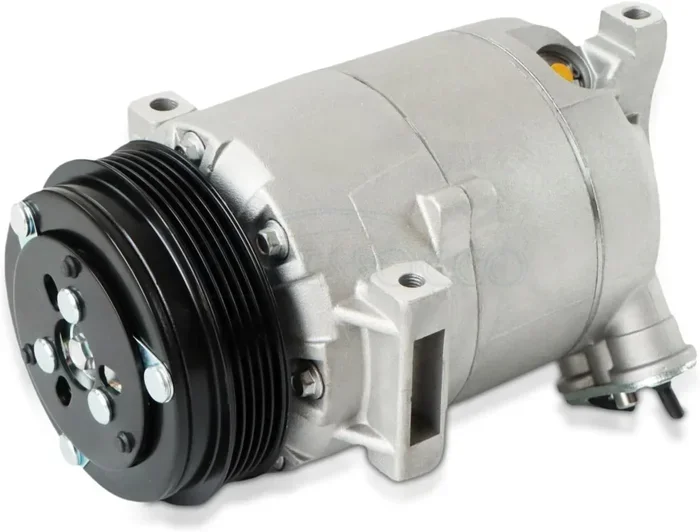
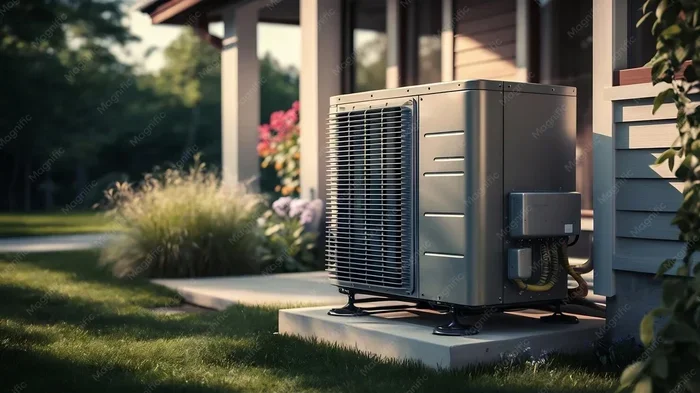
The compressor is often called the “engine” of your air conditioning system. It sits in the outdoor unit, also known as the condenser unit. Its job is to compress refrigerant gas and push it through the system. This process allows heat to be removed from your indoor air.
Without the compressor, the refrigerant would just sit there. No heat transfer would happen. Your home would stay warm and humid. That’s why compressor failure means total cooling loss. It’s not just a minor inconvenience. It’s a complete breakdown of your home comfort system.
Most homeowners never look at their compressor until something goes wrong. But taking a moment to understand how it works can help you appreciate why maintenance matters so much. The compressor motor, the compressor clutch, and the refrigerant lines all work together in a delicate balance. When one part fails, the whole system suffers.
How the Compressor Fits Into the Cooling Cycle
Here’s a simple way to think about it. The refrigerant absorbs heat from inside your home. It travels to the outdoor unit as a gas. The compressor squeezes that gas, raising its pressure and temperature. The hot gas then releases heat outside. It cools down and turns back into a liquid. This cycle repeats over and over.
Your compressor does this hundreds of times a day during summer. That’s a lot of work. Over the years, all that effort adds up. Parts wear out. Efficiency drops. And eventually, the compressor may fail entirely.
Average Lifespan of an Air Conditioner Compressor
So, how long does an air conditioner compressor last on average? Most experts agree on a range of 12 to 15 years. Some compressors last longer. Some fail much sooner. The average gives you a solid baseline for planning.
Here’s a quick look at what you can expect based on system age:
- New Systems (0-5 years): Compressor should perform reliably with no issues.
- Mid-Life (6-10 years): Normal wear begins. Efficiency may dip slightly.
- Older Systems (11-15 years): Compressor failure risk increases. Watch for warning signs.
- End of Life (15+ years): Replacement becomes more likely. Consider full unit swap.
These numbers assume regular maintenance and normal use. If your system works harder than usual, the timeline may shift. We’ll cover those factors next.
Factors That Affect Compressor Lifespan
Not all compressors age the same way. Several key factors determine how long yours will last. Understanding these can help you take action to protect your investment.
1. Maintenance Habits
This is the biggest factor you can control. A regular maintenance schedule makes a huge difference. Cleaning the condenser coils, checking refrigerant levels, and replacing filters all reduce strain on the compressor. When your system doesn’t have to work overtime, it lasts longer.
Skipping maintenance is the fastest way to shorten compressor life. Dirt builds up. Parts wear faster. Small problems become big ones. A simple annual checkup can prevent years of headaches.
2. System Size and Installation
Did your installer size the unit correctly? An oversized or undersized system both cause problems. An oversized unit short cycles, turning on and off too frequently. An undersized unit runs constantly, overheating the compressor motor. Either scenario wears out your compressor faster.
Proper installation matters just as much as the unit itself. Poor refrigerant charge, incorrect ductwork, and electrical issues during setup can all reduce compressor life from day one.
3. Climate and Usage
Living in a hot, humid climate puts more demand on your cooling system. Your compressor runs longer and harder each day. Over a 15-year period, that adds up to thousands of extra hours of operation.
Similarly, if you keep your thermostat set very low, the compressor works harder. Moderate temperature settings help reduce strain. Your cooling bills may also stay lower when you’re kinder to your system.
4. Refrigerant and Electrical Issues
Low refrigerant levels are a common killer of compressors. When the system doesn’t have enough refrigerant, the compressor struggles. It overheats. It wears out prematurely. A refrigerant leak is often the culprit behind low levels.
Electrical problems also cause serious damage. Power surges, faulty wiring, and voltage imbalances all stress the compressor motor. Installing a surge protector can help shield your system from electrical damage.
Signs Your AC Compressor Is Failing
Catching compressor problems early saves you money and discomfort. Watch for these warning signs that your cooling system needs attention.
Warm Air From Vents
This is the most obvious sign. If your air conditioner blows warm air, the compressor may not be working. It could be a simple refrigerant issue. Or it could be a full compressor failure. Either way, you need a professional to diagnose the problem quickly.
Strange Noises
Grinding, squealing, or clanking sounds from the outdoor unit are never good. These noises often point to a failing compressor clutch or internal mechanical damage. Don’t ignore them. Call a technician before the problem gets worse.
Frequent Short Cycling
Short cycling means your system turns on and off too often. This puts enormous stress on the compressor motor. It also wastes energy and drives up your cooling bills. Short cycling often signals an underlying problem that needs immediate attention.
Tripping Circuit Breakers
If your AC breaker trips repeatedly, the compressor may be drawing too much power. This happens when the motor is struggling or overheating. Continuing to run the system in this state can cause complete compressor failure.
Ice Buildup on the Unit
Ice forming on the outdoor unit or refrigerant lines often means airflow is restricted. It can also indicate low refrigerant. Both conditions force the compressor to work harder than it should. Over time, this leads to premature wear.
How to Extend Your Compressor Life
The good news is that you have more control over compressor lifespan than you might think. A few smart habits can add years to your system’s life.
Stick to a Regular Maintenance Schedule
Have a professional inspect your system at least once a year, ideally before summer. They’ll check refrigerant levels, clean coils, inspect electrical connections, and test the compressor motor. This proactive approach catches small issues before they become expensive repairs.
Keep the Outdoor Unit Clean
Debris, leaves, and dirt around the condenser unit restrict airflow. That makes the compressor work harder. Keep a clear space of at least two feet around the outdoor unit. Trim back any plants or bushes that crowd the area.
Change Your Filters Regularly
Clogged filters reduce airflow across the entire system. Your compressor feels that strain. Replace disposable filters every 1 to 3 months during heavy use. Check reusable filters monthly and clean them as needed.
Use a Surge Protector
Power surges can fry the compressor motor in an instant. A whole-home surge protector or a dedicated unit for your HVAC system adds valuable protection. It’s a small investment that can prevent a very expensive replacement.
Set Your Thermostat Wisely
You don’t need to set your thermostat to 60 degrees in summer. A setting of 78 degrees when you’re home and a few degrees higher when you’re away keeps your compressor from overworking. This simple change reduces strain and saves energy.
Repair vs. Replace: Making the Right Decision
When your compressor fails, the big question is whether to repair or replace. This decision depends on several factors, and getting it right saves you thousands of dollars.
For newer systems under 10 years old, a compressor repair often makes sense. The rest of the unit is still in good shape. You just need a new compressor or compressor motor. The air conditioner compressor replacement cost typically runs between $1,000 and $2,500 for the part and labor.
For older systems over 12 years, the math changes. If your compressor fails and the system uses outdated refrigerant like R-22, replacement becomes more attractive. New systems use eco-friendly refrigerants and offer better energy efficiency. They also come with warranties that give you peace of mind.
Here’s a simple comparison to help you decide:
- Repair if: Your system is under 10 years old, the repair cost is under $1,500, and the rest of the unit is in good shape.
- Replace if: Your system is over 12 years old, the repair cost exceeds $1,500, or you need to switch to a newer refrigerant.
Think of it this way. If you’re already paying for a major repair, you might as well invest in a new, more efficient unit. You’ll enjoy better home comfort and lower cooling bills for years to come.
Also consider how long a backup power source like a generac generator might last. Just like your compressor, generators have a defined lifespan. Planning for both at the same time helps you budget for all your home systems.
If you rely on a generator to power your cooling during outages, understanding how long a generator can run helps you plan your backup cooling strategy effectively. You don’t want to find out the hard way that your generator can’t keep up with your AC demands.
The home generator cost is another factor worth considering alongside your HVAC investment. Both are major home systems that protect your comfort and your property value.
And if you’re sizing a generator to power your AC during outages, knowing how many kW generator to run a house properly ensures you won’t overload the system or waste money on oversized equipment.
Common Mistakes That Shorten Compressor Life
Many homeowners accidentally damage their compressors without realizing it. Avoiding these common mistakes can add years to your system’s life.
- Ignoring small problems: A minor refrigerant leak today becomes a dead compressor tomorrow.
- Skipping professional maintenance: DIY efforts help, but they can’t replace a thorough inspection.
- Cranking the thermostat too low: This forces the compressor to work harder than necessary.
- Neglecting the outdoor unit: Blocked airflow causes overheating and premature failure.
- Using the wrong refrigerant: Mixing refrigerants or using the wrong type damages the system.
Each of these mistakes is preventable. A little attention goes a long way toward protecting your investment and keeping your home cool and comfortable.
When to Call a Professional
Some compressor issues you can diagnose yourself. Others require expert help. If you notice any of the warning signs mentioned earlier, don’t wait. Call a licensed HVAC technician right away.
Early intervention often means a simpler and cheaper fix. A technician can check refrigerant levels, test electrical connections, and evaluate the compressor motor. They’ll give you an honest assessment of whether repair or replacement makes more sense for your situation.
Also, if your system is approaching the 15-year mark, have a professional evaluate its overall condition. Sometimes the smartest move is to plan a full replacement before a catastrophic failure leaves you without cooling in the middle of summer.
Conclusion
So, how long does an air conditioner compressor last? The answer is about 12 to 15 years on average. But your results may vary based on maintenance, climate, usage, and installation quality. The best thing you can do is stay proactive. Keep up with regular maintenance, watch for warning signs, and make smart decisions about repair versus replacement.
Your compressor is the backbone of your cooling system. Taking care of it means taking care of your home comfort. With the right approach, you’ll enjoy reliable cooling for many years to come. And when the time comes to replace your system, you’ll be prepared to make the best choice for your budget and your home.
Frequently Asked Questions
What is the average lifespan of an AC compressor?
Most AC compressors last between 12 and 15 years. With excellent maintenance and favorable conditions, some last even longer. Poor maintenance and harsh conditions can shorten that timeline significantly.
How much does it cost to replace an AC compressor?
The average replacement cost ranges from $1,000 to $2,500, including parts and labor. The exact price depends on your unit’s brand, model, and the complexity of the repair. Always get multiple quotes from licensed technicians.
Can a compressor be repaired instead of replaced?
Yes, in many cases a compressor can be repaired or replaced individually. This works best for newer systems under 10 years old. For older systems, full unit replacement is often more cost-effective.
What causes an AC compressor to fail early?
Common causes include refrigerant leaks, electrical issues, short cycling, dirty coils, and lack of maintenance. Power surges and incorrect refrigerant charge also put extra strain on the compressor motor.
Does running a generator to power my AC affect the compressor?
Yes, if the generator isn’t properly sized, it can damage your compressor. Make sure you know how many kW you need to run your house, especially your cooling system, before using a generator as backup power.
How can I tell if my compressor is about to fail?
Watch for warm air from vents, strange noises, frequent short cycling, tripping breakers, and ice buildup. These are all signs that your compressor needs immediate professional attention to avoid complete failure.