How Does a 2 Stage Compressor Work and Why It Matters
A 2 stage compressor uses two pistons to compress air twice, delivering higher pressure and greater efficiency. This design reduces heat buildup and extends the machine’s lifespan. Whether you run a garage workshop or a factory floor, understanding how this system works helps you make smarter equipment choices.
Have you ever wondered what makes a two stage compressor different from the basic one sitting in your neighbor’s garage? The answer lies in how it handles air. Instead of squeezing air once and calling it done, a 2 stage compressor compresses air twice. This simple change makes a huge difference in performance, efficiency, and durability.
Whether you’re a weekend mechanic, a factory supervisor, or just someone shopping for a new air compressor, understanding how this machine works gives you a real advantage. You’ll know exactly what you’re paying for, what to expect, and why some setups cost more than others. Let’s break it all down in plain language.
Key Takeaways
- Two-Stage Compression: Air gets compressed in two separate cylinders, which increases efficiency and output.
- Cooler Operation: The intercooler between stages reduces heat, preventing damage and improving performance.
- Higher Pressure Output: Two-stage compressors reach pressures above 100 PSI, ideal for heavy-duty tasks.
- Longer Lifespan: Less heat means less wear on internal parts, so your compressor lasts longer.
- Best for Heavy Use: These compressors shine in industrial settings and continuous-demand applications.
- Energy Savings: Two-stage designs use less electricity or fuel per unit of compressed air produced.
📑 Table of Contents
- What Is a 2 Stage Compressor?
- Step-by-Step: How Does a 2 Stage Compressor Work?
- Single Stage vs. Two Stage Compressor
- Why Does a 2 Stage Compressor Matter?
- Common Applications for 2 Stage Compressors
- Maintenance Tips for Your 2 Stage Compressor
- How to Choose the Right 2 Stage Compressor
- Quick Tips for Getting the Most Out of Your Compressor
- Common Mistakes People Make with Two-Stage Compressors
- Expert Insights: Why Professionals Prefer Two-Stage
- The Future of Two-Stage Compression
- Conclusion
What Is a 2 Stage Compressor?
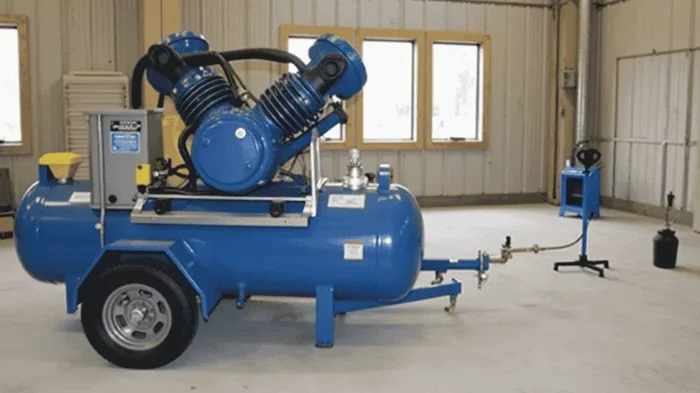
A two stage compressor is a type of reciprocating compressor that uses two cylinders to compress air in sequence. The first cylinder takes in ambient air and compresses it partially. Then the air moves to a second cylinder, where it gets compressed again to a much higher pressure.
This is different from a single stage compressor, which compresses air just once. Think of it like climbing a staircase. A single stage compressor takes one big step. A two-stage compressor takes two smaller steps, which is easier on the machine and produces better results.
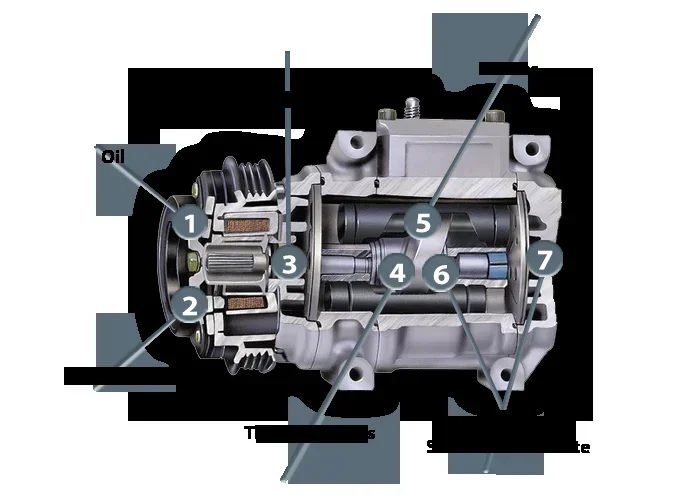
The key components include two pistons, two cylinders, a compressor motor, an intercooler, and a compressor tank. Each part plays a specific role in the compression process. Let’s look at each one more closely.
The Two Pistons and Cylinders
The first piston, often called the low-pressure piston, draws in regular air from the room. It compresses this air to a moderate level. Then the air passes through a pipe to the second piston, known as the high-pressure piston.
The second piston takes that partially compressed air and squeezes it again. This two-step process allows the compressor to reach much higher air pressure levels than a single-stage design ever could. Most two-stage compressors deliver pressures between 100 and 175 PSI.
The Intercooler
Here’s where the magic happens. Between the first and second compression stages sits the intercooler. This component cools the air down after the first compression pass. Why does this matter? Because hot air takes up more space and is harder to compress. By cooling the air first, the second piston doesn’t have to work as hard.
Less work means less heat buildup. Less heat means fewer breakdowns. It’s a win-win for the machine and the person using it.
Step-by-Step: How Does a 2 Stage Compressor Work?
Now let’s walk through the actual process. Understanding each step helps you see why this design is so effective.
Step 1: Air Intake
The process starts when the low-pressure piston pulls in ambient air through an intake valve. This is regular room air at atmospheric pressure. The intake valve opens and closes at the right time to ensure a steady flow of air enters the first cylinder.
Step 2: First Compression
The low-pressure piston moves upward, compressing the air inside the first cylinder. Depending on the design, this stage might raise the air pressure to around 30 to 50 PSI. The compressed air then moves through a connecting pipe toward the second cylinder.
Step 3: Intercooling
Before entering the second cylinder, the air passes through the intercooler. Here, the hot compressed air cools down significantly. This cooling step is critical. It prepares the air for the second round of compression and reduces the overall thermal load on the system.
Step 4: Second Compression
The now-cooled air enters the high-pressure cylinder. The second piston compresses it again, boosting the pressure to the final output level. This could be anywhere from 100 to 175 PSI, depending on the compressor model and its intended use.
Step 5: Storage and Delivery
The fully compressed air flows into the compressor tank for storage. When you trigger a pneumatic tool or fill a tire, the stored air releases through the output valve. The compressor motor kicks back on when the tank pressure drops below a set level, and the cycle repeats.
Single Stage vs. Two Stage Compressor
Not sure which type you need? You’re not alone. This is one of the most common questions people ask when buying an air compressor. Let’s compare the two side by side.
| Feature | Single Stage | Two Stage |
|---|---|---|
| Compression Stages | One | Two |
| Max Pressure | Up to 120 PSI | Up to 175 PSI |
| Heat Generation | Higher | Lower |
| Best For | Light home use | Heavy industrial use |
| Price | Lower | Higher |
| Lifespan | Shorter | Longer |
| Efficiency | Moderate | High |
For most homeowners doing occasional DIY projects, a single stage compressor works fine. But if you run pneumatic tools all day or need consistent high pressure, a two-stage model is the clear winner.
One thing to keep in mind: the price difference can be significant. A basic single stage unit might cost a few hundred dollars, while a quality two-stage compressor can run well over a thousand. But the extra investment pays off through lower energy costs and fewer repairs over time.
Why Does a 2 Stage Compressor Matter?
You might be thinking, “Okay, it compresses air twice. So what?” The practical benefits are real and they affect your daily work in meaningful ways.
Greater Efficiency
Because the air gets cooled between stages, the second piston doesn’t waste energy fighting hot, expanded air. The whole system runs smoother and uses less fuel or electricity to produce the same amount of compressed air. Over months and years, those savings add up fast.
If you’re running a gas-powered setup, you might also want to check how much gas a generator uses, since gas-powered compressors share similar fuel efficiency concerns.
Higher Duty Cycle
Duty cycle refers to how long a compressor can run continuously before needing to cool down. Two-stage compressors handle longer duty cycles much better than their single-stage cousins. This makes them ideal for industrial compressor applications where downtime costs real money.
Better for High-Pressure Tools
Many professional-grade pneumatic tools require sustained high pressure to operate correctly. A two stage compressor delivers that pressure reliably. From sandblasters to paint sprayers, these tools perform at their best when fed by a dual-stage system.
Reduced Wear and Tear
Less heat means less stress on seals, valves, and pistons. Over time, this translates to fewer breakdowns and a longer overall machine life. Maintenance costs stay lower, and you get more years of reliable service from your investment.
Common Applications for 2 Stage Compressors
Where do you actually see these machines in action? More places than you might think.
- Manufacturing Plants: Assembly lines rely on consistent compressed air for pneumatic robots and machinery.
- Auto Repair Shops: Impact wrenches, air ratchets, and paint sprayers all need steady high-pressure air.
- Construction Sites: Nail guns, sandblasters, and jackhammers demand the kind of pressure only a two-stage unit can provide.
- Chemical and Petrochemical Plants: These facilities use high-pressure compressed air for processing and instrumentation.
- Large Workshops and Garages: Professional shops that run tools continuously benefit from the efficiency and durability of two-stage designs.
In short, any setting that demands continuous, high-pressure compressed air will benefit from a two-stage compressor. If your work depends on reliable airflow, this is the way to go.
Maintenance Tips for Your 2 Stage Compressor
Owning a two-stage compressor comes with responsibilities. Regular maintenance keeps it running strong and prevents costly repairs down the road.
Check the Oil Regularly
Most two-stage compressors use oil lubrication. Check the oil level before each use and change it according to the manufacturer’s schedule. Dirty oil causes extra friction, which leads to heat and premature wear.
Inspect the Intercooler
A clogged intercooler reduces cooling efficiency. Check it periodically for dust, debris, or oil buildup. Clean it as needed to keep the air temperature low between compression stages.
Drain the Tank
Moisture collects inside the compressor tank over time. Drain it after every few uses to prevent rust and maintain air quality. A simple drain valve at the bottom of the tank makes this quick and easy.
Replace Air Filters
Clogged intake filters restrict airflow and force the compressor to work harder. Check the filters monthly in dusty environments and replace them when they look dirty.
Inspect Hoses and Fittings
Leaks in hoses or fittings waste compressed air and reduce efficiency. Walk around your setup regularly and listen for hissing sounds. Tighten or replace any leaking connections promptly.
Good maintenance habits also apply to the power source if you’re running your compressor off a generator. Want to learn more about how long your backup power can sustain heavy equipment? Check out how long a generator can run for helpful guidance.
How to Choose the Right 2 Stage Compressor
Shopping for a two-stage compressor can feel overwhelming. There are so many models, sizes, and brands out there. Here are the key factors to consider before you buy.
Tank Size
Larger tanks store more compressed air, which means the compressor motor cycles on less frequently. For continuous-use applications, go for a bigger tank. For intermittent use, a smaller tank works fine.
PSI and CFM Ratings
PSI (pounds per square inch) tells you the maximum pressure the compressor can deliver. CFM (cubic feet per minute) tells you the volume of air it can supply at a given pressure. Match these ratings to your tools’ requirements for the best performance.
Motor Power
Look at the horsepower rating of the compressor motor. More horsepower means the compressor can handle heavier loads and recover pressure faster after heavy use.
Portability
Do you need to move the compressor around the shop or job site? If so, consider a model with wheels and a carrying handle. Stationary models work great for fixed workshop setups.
Noise Level
Two-stage compressors tend to run louder than single-stage models because of the extra moving parts. If noise is a concern, look for units with sound-dampening enclosures or insulation.
If you’re considering a portable setup powered by a generator, you might also want to explore how much a Generac generator costs, since pairing the right generator with your compressor ensures optimal performance.
Quick Tips for Getting the Most Out of Your Compressor
- Run the compressor in a well-ventilated area. Good airflow keeps the motor cool and prevents overheating.
- Don’t exceed the tank’s rated PSI. Overpressurizing can damage the tank and create safety hazards.
- Use the right oil for your model. Check the owner’s manual for the recommended oil type and viscosity.
- Let the compressor cool between heavy sessions. Even two-stage units benefit from short rest periods during extended use.
- Keep the area around the compressor clean. Dust and debris around the intake and motor can reduce performance and cause overheating.
Common Mistakes People Make with Two-Stage Compressors
Even experienced users sometimes make avoidable errors. Here are a few to watch out for.
- Skipping oil changes: Dirty oil is the number one killer of compressor motors. Don’t skip this simple maintenance step.
- Ignoring moisture in the tank: Water buildup leads to rust, which weakens the tank and contaminates your compressed air.
- Using the wrong hose size: A hose that’s too narrow restricts airflow and reduces your tools’ performance.
- Overloading the compressor: Running too many high-demand tools at once can trip the motor or cause it to overheat.
- Neglecting the intercooler: A dirty intercooler forces the second stage to work harder, reducing efficiency and increasing wear.
Avoiding these mistakes will keep your compressor running smoothly for years. And if you’re ever unsure about the electrical setup, remember that proper wiring matters just as much as the compressor itself. You can learn more about safely connecting equipment in our guide on how to wire a generator to a breaker box.
Expert Insights: Why Professionals Prefer Two-Stage
Industry professionals almost universally prefer two-stage compressors for heavy-duty work. The reasons are straightforward and well-documented.
First, the efficiency gains are significant. Two-stage compressors use roughly 10 to 15 percent less energy to produce the same amount of compressed air compared to single-stage models. In a commercial setting, that translates to real savings on electricity or fuel bills.
Second, the reliability factor is hard to beat. With lower operating temperatures and reduced thermal stress, two-stage compressors experience fewer mechanical failures. Shops that depend on uninterrupted compressed air supply can’t afford unexpected downtime.
Third, the air quality is better. Cooler compression means less moisture in the output air. For applications like painting, sandblasting, or pneumatic instrument operation, dry clean air is essential for quality results.
Finally, the resale value holds up well. Two-stage compressors are seen as premium equipment, and they retain their value better than single-stage units when it comes time to upgrade or sell.
The Future of Two-Stage Compression
Compressor technology keeps evolving. New materials, smarter controls, and improved motor designs are making two-stage compressors more efficient and user-friendly than ever before.
Variable speed drive technology is one exciting development. This allows the compressor motor to adjust its speed based on real-time air demand. Instead of running at full power all the time, the motor slows down when less air is needed. This saves even more energy and further reduces wear.
Smart monitoring systems are also becoming more common. These digital controls track pressure, temperature, and usage patterns. They can alert you to maintenance needs before a problem becomes serious. It’s like having a diagnostic tool built right into your compressor.
As industries continue to prioritize energy efficiency and sustainability, two-stage compressors will only grow in popularity. Their design already aligns perfectly with modern demands for lower consumption and reduced environmental impact.
Conclusion
A 2 stage compressor works by compressing air in two separate stages, cooling it between each pass, and delivering high-pressure output with greater efficiency and less wear. The two-piston design, intercooler system, and robust construction make it the go-to choice for professionals and heavy-duty applications.
Understanding how this machine works empowers you to make better buying decisions, use your equipment more effectively, and maintain it properly for years of reliable service. Whether you’re powering pneumatic tools on a job site or running a full manufacturing line, the two-stage compressor delivers the performance and efficiency that modern work demands.
If you’re ready to invest in a two stage compressor, take the time to match the right size, pressure rating, and tank capacity to your specific needs. The upfront effort pays off in lower operating costs, fewer repairs, and a machine that keeps working hard for you.
Frequently Asked Questions
What is the main difference between a single stage and a two stage compressor?
A single stage compressor compresses air once, while a two stage compressor compresses it twice through two separate cylinders. This double compression allows the two-stage model to reach higher pressures and operate more efficiently, especially under heavy use.
Can a two stage compressor be used at home?
Yes, you can use a two stage compressor at home, but it’s typically better suited for heavy or continuous use. If you run a home workshop with multiple pneumatic tools or need high pressure for sandblasting and painting, a two-stage model is a great fit.
How much pressure can a two stage compressor produce?
Most two stage compressors deliver between 100 and 175 PSI. Some industrial models can go even higher. The exact pressure depends on the compressor’s design, motor power, and intended application.
Do two stage compressors require more maintenance than single stage models?
Not necessarily more, but different. Two-stage compressors have additional components like the intercooler and a second piston set. Regular oil changes, intercooler cleaning, and tank draining are essential to keep both types running well.
Are two stage compressors more expensive to run?
Actually, they’re often cheaper to run over time. The two-stage design uses less energy per unit of compressed air, which reduces electricity or fuel costs. The longer lifespan and lower repair frequency also contribute to lower total ownership costs.
What kind of tools work best with a two stage compressor?
High-demand tools like impact wrenches, sandblasters, paint sprayers, and pneumatic jacks work best with two stage compressors. These tools need sustained high pressure and airflow, which a dual-stage system provides reliably.