Is a Compressor a Pump Here Is What You Need to Know
So, is a compressor a pump? The short answer is yes — but with important differences. A compressor is technically a type of pump that handles gases, while a pump moves liquids. Understanding this distinction helps you choose the right tool for your project. This guide explains everything in simple terms.
You have probably heard the terms compressor and pump thrown around in workshops, construction sites, and even home garages. They sound similar. They look somewhat alike. But here is the big question: is a compressor a pump? The answer might surprise you. Understanding this difference matters more than most people think, especially when you are shopping for equipment or trying to fix something.
Whether you are a DIY enthusiast, a professional mechanic, or just someone curious about how things work, this guide has you covered. We will break down everything in plain language. No confusing jargon. No unnecessary fluff. Just clear, honest answers about compressor vs pump comparisons and what you actually need to know.
By the end of this article, you will understand exactly how each device works, where they overlap, and how to pick the right one for your project. Let us dive in.
Key Takeaways
- A compressor is a pump: Both move fluids, but compressors handle gases while pumps handle liquids.
- They work differently: Compressors increase gas pressure through mechanical compression, while pumps move fluids by creating flow.
- Different applications: Compressors power pneumatic tools and inflate tires, while pumps move water, oil, and other liquids.
- Types matter: There are many compressor types and pump types, each suited for specific tasks.
- Choose wisely: Matching the right equipment to your job saves time, money, and frustration.
📑 Table of Contents
What Is a Compressor?
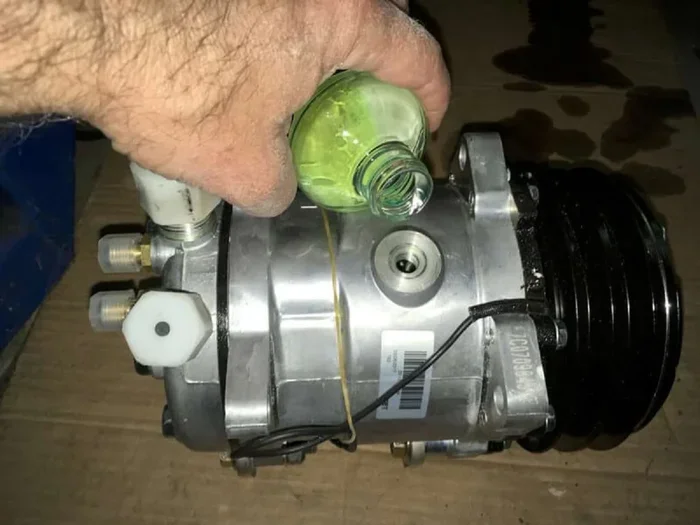
A compressor is a machine that squeezes gas into a smaller space. This process increases the air pressure inside the system. Compressors are everywhere. You find them in auto shops, construction sites, and even in your kitchen if you have a refrigerator.
The basic idea is simple. A compressor function is to take in gas at low pressure and push it out at a higher pressure. This is called mechanical compression. The machine uses a motor or engine to drive a piston, rotor, or screw that reduces the volume of the gas. When the volume goes down, the pressure goes up.
How a Compressor Works
Most compressors follow the same basic steps. First, gas enters through an intake valve. Then a moving part — like a piston or rotor — reduces the space the gas occupies. Finally, the compressed gas exits through a discharge valve at a higher pressure.
This process is at the heart of the compressor working principle. The machine does not create air. It does not create energy. It simply takes existing gas and packs it into a smaller volume. That is why people often ask, is a compressor a pump, because the action looks very similar to what a pump does.
Common Types of Compressors
Not all compressors are the same. Here are the most common compressor types you will encounter:
- Reciprocating compressors: These use a piston that moves back and forth. They are common in home garages and small shops.
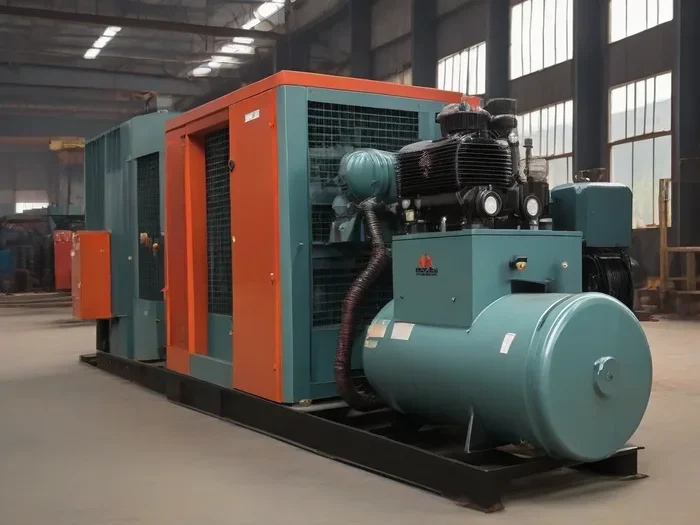
- Rotary screw compressors: These use two spinning screws to compress gas. They are popular in industrial settings.
- Centrifugal compressors: These use a spinning wheel to accelerate gas and then slow it down to increase pressure. They are used in large-scale operations.
- Scroll compressors: These use two spiral-shaped parts to compress gas. They are quiet and efficient, often used in HVAC systems.
Each type has its strengths. A rotary compressor might be perfect for a factory, while a small reciprocating unit works great for inflating tires at home.
What Is a Pump?
A pump is a device that moves fluid from one place to another. The fluid can be a liquid or a gas, but in everyday use, pumps usually refer to devices that handle liquids. Think about a water pump in your basement or a fuel pump in your car.
The core idea behind a pump mechanism is movement. A pump takes fluid in on one side and pushes it out on the other side. It creates flow. It does not necessarily increase pressure the way a compressor does, though many pumps do raise pressure as a byproduct of moving fluid.
How a Pump Works
Pumps work by creating a low-pressure area on the intake side. This difference in pressure pulls fluid into the pump. Then the pump pushes the fluid out through the discharge side. The volume flow rate tells you how much fluid moves through the pump over time.
Some pumps use a spinning impeller. Others use a diaphragm or a piston. The method varies, but the goal is always the same: move fluid from point A to point B. This is a key distinction when you are asking is a compressor a pump. A pump focuses on flow and movement. A compressor focuses on pressure increase.
Different Kinds of Pumps
Pumps come in many shapes and sizes. Here are the main categories:
- Centrifugal pumps: These use a spinning impeller to push liquid outward. They are the most common type for water and light fluids.
- Positive displacement pumps: These trap a fixed amount of fluid and force it through the system. They are great for thick fluids like oil or sludge.
- Submersible pumps: These sit underwater and push fluid to the surface. You see them in wells and sump pits.
- Peristaltic pumps: These squeeze tubing to move fluid. They are common in medical and laboratory equipment.
- Hydraulic pumps: These move hydraulic fluid to power heavy machinery. They are essential in construction and manufacturing.
A centrifugal pump handles water very well. A hydraulic pump powers excavators and bulldozers. Each one is designed for a specific job.
Is a Compressor a Pump? The Core Answer
Now for the big question. Is a compressor a pump? The technically correct answer is yes. A compressor is a specific type of pump that handles gases. Both devices move fluid. Both use mechanical energy to do it. Both follow similar basic principles of fluid dynamics.
However, there is a catch. In everyday language, when people say pump, they usually mean a device that moves liquids. When they say compressor, they mean a device that squeezes gas. So while a compressor is a pump in the scientific sense, it is not the same as a typical water pump or fuel pump.
Here is the simplest way to think about it. All compressors are pumps, but not all pumps are compressors. A pump moves fluid. A compressor specifically increases the pressure of a gas by reducing its volume. This compressor vs pump distinction is important when you are choosing equipment.
Where Compressors and Pumps Overlap
There are several areas where compressors and pumps share common ground:
- Both move fluids: Whether gas or liquid, both devices transport fluid from one point to another.
- Both use mechanical energy: Electric motors, engines, or manual levers power both machines.
- Both increase pressure: Pumps raise fluid pressure to move it uphill or through long pipes. Compressors raise gas pressure for storage or delivery.
- Both use similar components: Valves, pistons, cylinders, and seals are found in both types of machines.
This overlap is exactly why the question is a compressor a pump comes up so often. The two devices share more DNA than most people realize.
Key Differences Between Compressors and Pumps
Despite the similarities, there are clear differences that set them apart:
- Fluid type: Compressors handle gases. Pumps handle liquids.
- Primary goal: Compressors increase gas pressure. Pumps create fluid flow.
- Compressibility: Gases are compressible. Liquids are not. This fundamental difference drives every design choice.
- Pressure range: Compressors often operate at much higher pressures than standard pumps.
- Volume change: A compressor reduces the volume of gas. A pump moves a fixed volume of liquid.
These differences matter a lot when you are deciding which tool to use. Using a compressor when you need a pump — or vice versa — can lead to poor results or even damage to the equipment.
When to Use a Compressor vs a Pump
Knowing when to reach for a compressor versus a pump can save you a lot of headaches. Each tool has its specialty. Let us break down the best applications for both.
Best Applications for Compressors
Compressors shine in situations where you need compressed gas. Here are the most common uses:
- Pneumatic tools: Nail guns, impact wrenches, and spray guns all need compressed air to work.
- Tire inflation: Whether car tires or basketballs, a compressor fills them quickly.
- Sandblasting: Compressed air powers sandblasters for cleaning and surface preparation.
- HVAC systems: Refrigerant compressors are the heart of air conditioning and heat pump systems.
- Industrial manufacturing: Factories use compressed air for automation, control systems, and power tools.
- Scuba diving: High-pressure compressors fill diving tanks with breathable air.
If you are running pneumatic tools on a job site, a compressor is the clear choice. No pump can do that job. The compressed air provides the energy needed to drive the tool.
Best Applications for Pumps
Pumps are essential when you need to move liquids. Here are the top applications:
- Water supply: Well pumps bring water to your home. Sump pumps remove unwanted water from basements.
- Irrigation: Farm pumps distribute water across fields and gardens.
- Fuel delivery: Fuel pumps move gasoline and diesel from tanks to engines.
- Wastewater treatment: Sewage pumps move waste through treatment facilities.
- Chemical processing: Industrial pumps handle corrosive and viscous fluids in manufacturing.
- Oil and gas: Pumps move crude oil through pipelines and processing equipment.
For any job involving liquid movement, a pump is the right tool. Trying to use a compressor for liquid work would be ineffective and potentially dangerous.
Comparing Compressors and Pumps Side by Side
Sometimes the best way to understand the difference is to see them side by side. Here is a quick comparison to help you decide which equipment fits your needs.
| Feature | Compressor | Pump |
|---|---|---|
| Fluid Type | Gas (air, refrigerant, etc.) | Liquid (water, oil, etc.) |
| Primary Function | Increase gas pressure | Move fluid and create flow |
| Compressibility | Works with compressible fluids | Works with incompressible fluids |
| Common Power Source | Electric motor, gas engine | Electric motor, engine, manual |
| Typical Pressure Range | High (100+ PSI common) | Low to moderate |
| Key Components | Piston, rotor, valves, tank | Impeller, casing, seals, shaft |
| Common Uses | Pneumatic tools, inflation, HVAC | Water supply, irrigation, fuel delivery |
| Maintenance Needs | Oil changes, filter replacements | Seal checks, impeller inspection |
As you can see, the two devices serve very different purposes. The table makes it clear why you cannot always swap one for the other. Each is engineered for its specific fluid type and operating conditions.
Can You Use a Compressor as a Pump?
Some people wonder if they can use a compressor in place of a pump. The short answer is no, not really. A compressor is not designed to move liquids. Attempting to use it for that purpose can damage the machine and create safety hazards.
However, there are some hybrid devices called compressor pumps that can handle both gases and certain thin liquids. These are specialized tools and not something you would find in a typical home workshop. For most applications, you need the right tool for the right job.
When people ask about fuel consumption or runtime comparisons, they sometimes draw parallels to other equipment. For example, knowing how much gas a generator uses can help you understand fuel costs for gas-powered compressors and pumps, since both often run on similar fuel sources.
Expert Tips for Choosing the Right Equipment
Choosing between a compressor and a pump does not have to be overwhelming. Follow these practical tips to make the right call every time.
1. Identify Your Fluid Type First
This is the most important step. Are you working with gas or liquid? If it is air or another gas, you need a compressor. If it is water, oil, or any liquid, you need a pump. This single decision narrows your choices dramatically.
2. Consider the Pressure Requirements
Think about how much pressure your job needs. Pneumatic tools often require 90 to 150 PSI. Water systems usually need much less. Check the specifications of the tools you will be using and match your equipment accordingly.
3. Think About Duty Cycle
How long will you run the equipment continuously? Some compressors and pumps are designed for intermittent use. Others can run for hours. If you need long runtime, look for industrial-grade models. You can also learn about how long a generator can run for perspective on continuous equipment operation and fuel planning.
4. Match the Power Source
Compressors and pumps come in electric, gas, and diesel versions. Choose the power source that fits your workspace. Electric models are quieter and cleaner. Gas models offer more portability and power for remote locations.
5. Do Not Forget Maintenance
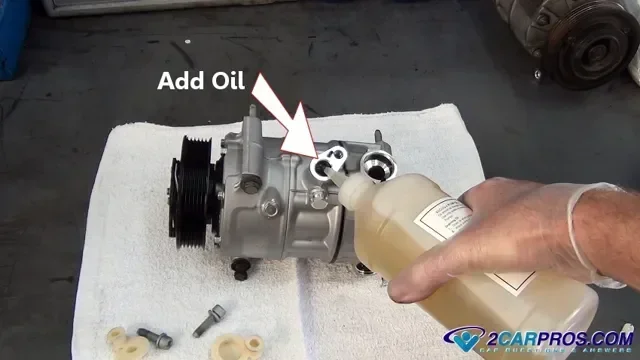
All moving equipment needs regular care. Check seals, change oil, and clean filters on a schedule. Proper maintenance extends the life of your compressor or pump and keeps it running efficiently.
Quick Tips for Beginners
- Always read the manufacturer’s manual before operating any new equipment.
- Start with a smaller unit if you are unsure of your needs. You can always upgrade later.
- Buy quality over price every time. A reliable unit saves money in the long run.
- Keep spare parts on hand, especially seals and filters.
- Ask a professional at your local equipment store if you are unsure which model fits your needs.
Common Mistakes to Avoid
Even experienced users sometimes make mistakes when choosing or using compressors and pumps. Here are the most common ones to watch out for.
- Using the wrong fluid type: Running liquid through a compressor can destroy it. Always verify what your equipment is designed to handle.
- Ignoring pressure ratings: Exceeding the maximum pressure can cause equipment failure or dangerous leaks.
- Skipping maintenance: Neglecting oil changes and filter replacements leads to premature wear and expensive repairs.
- Undersizing the equipment: A too-small compressor or pump will struggle and wear out faster. Always choose a unit rated for your workload.
- Ignoring ambient conditions: Temperature and humidity affect how both compressors and pumps perform. Take environmental factors into account.
These mistakes are easy to avoid with a little research. Taking the time to understand your equipment pays off in reliability and safety.
Conclusion
So, is a compressor a pump? Yes, in the technical sense. A compressor is a type of pump that handles gases. But in practical terms, they are different tools built for different jobs. A compressor squeezes gas to create high-pressure air. A pump moves liquid from one place to another.
Understanding this difference helps you make smarter buying decisions. It also keeps you safe and ensures your projects run smoothly. Whether you need a gas compressor for your workshop or a water pump for your garden, choosing the right equipment makes all the difference.
The world of fluid handling equipment can feel confusing at first. But once you grasp the basics — gas versus liquid, pressure versus flow, compression versus movement — everything falls into place. Use this guide as your reference anytime you need to brush up on the compressor vs pump debate.
Now that you know the answer, you can confidently choose the right tool for your next project. And if someone else asks you, is a compressor a pump, you will have all the facts ready to share.
Frequently Asked Questions
Can a compressor pump water?
No, a standard compressor is not designed to pump water. Compressors handle gases, and introducing liquid into a compressor can cause serious damage. If you need to move water, use a proper water pump designed for liquid handling.
What is the main difference between a compressor and a pump?
The main difference is the fluid they handle. A compressor increases the pressure of gases by reducing their volume. A pump moves fluids, usually liquids, from one location to another by creating flow. Both use mechanical energy, but their goals and designs differ.
Are there devices that work as both a compressor and a pump?
Yes, some specialized hybrid devices can handle both gases and certain thin liquids. These are called compressor pumps or multiphase pumps. However, they are niche tools used in specific industrial applications and are not common in everyday settings.
Which is more expensive, a compressor or a pump?
Cost varies widely based on size, type, and capacity. Industrial compressors can be very expensive, just like industrial pumps. For home use, small compressors and pumps are often similarly priced. The best way to compare costs is to look at models rated for your specific needs.
Do compressors and pumps use the same kind of energy?
Both can be powered by electric motors, gas engines, or diesel engines. The energy source depends on the model and application. Electric versions are popular for indoor and home use, while gas-powered models are common for portable and heavy-duty applications.
How do I know if I need a compressor or a pump for my project?
Ask yourself what you are moving. If it is air or gas, you need a compressor. If it is water, oil, or another liquid, you need a pump. Also consider the pressure and flow requirements of your project. Checking these specs will guide you to the right choice.
=== CONCLUSION ===
Is a compressor a pump? Yes, but with important distinctions that matter in everyday use. A compressor is a pump that specializes in gases, while a pump typically handles liquids. Both are essential tools in their respective fields, and understanding their differences helps you choose the right equipment for any job.
Remember the key points from this guide. Compressors create high-pressure gas for tools and systems. Pumps move fluids for water supply, fuel delivery, and industrial processes. Each has its place, and neither can fully replace the other. Use this knowledge to make confident equipment choices and get the best results from your projects.