The Complete Guide to the Cost of Replacing AC Compressor
The cost of replacing an AC compressor typically ranges from $1,200 to $4,500, depending on the unit size, labor charges, and whether you choose a new or refurbished compressor. This guide covers every cost factor, from parts and labor to warranty options and DIY considerations, so you can make a confident, informed decision.
Key Takeaways
- Average cost: Most homeowners pay between $1,200 and $4,500 for AC compressor replacement.
- Parts vs. labor: The compressor part itself costs $400 to $1,800, while labor adds $600 to $2,500.
- Unit age matters: If your AC unit is over 10 years old, replacing the entire system may be more cost-effective.
- Warranty can save you: Many compressors come with a 5 to 10-year warranty that covers parts and labor.
- Get multiple quotes: Always compare at least three contractor estimates before committing.
- Watch for hidden fees: Refrigerant recharge, electrical repairs, and ductwork fixes can add unexpected costs.
📑 Table of Contents
- How Much Does It Really Cost to Replace an AC Compressor?
- Breaking Down the Cost of AC Compressor Replacement
- Factors That Affect AC Compressor Replacement Cost
- Compressor Replacement vs. Full AC System Replacement
- How to Save Money on AC Compressor Replacement
- Common Mistakes Homeowners Make with Compressor Replacement
- Expert Insights: What HVAC Professionals Want You to Know
- How Long Does AC Compressor Replacement Take?
- Is AC Compressor Replacement Covered by Insurance?
- Conclusion
How Much Does It Really Cost to Replace an AC Compressor?
The cost of replacing AC compressor is one of the biggest expenses homeowners face when their air conditioning system breaks down. Whether your unit is blowing warm air or making strange noises, understanding the real costs helps you avoid surprises. Most people underestimate what this repair actually involves.
A compressor replacement is not just a simple swap. It requires specialized tools, certified technicians, and often additional repairs that you did not plan for. The total price depends on several key factors that we will break down in this guide.
By the end of this article, you will know exactly what to expect. You will understand the parts cost, labor charges, and hidden expenses that many contractors do not mention upfront.
What Is an AC Compressor and Why Does It Fail?
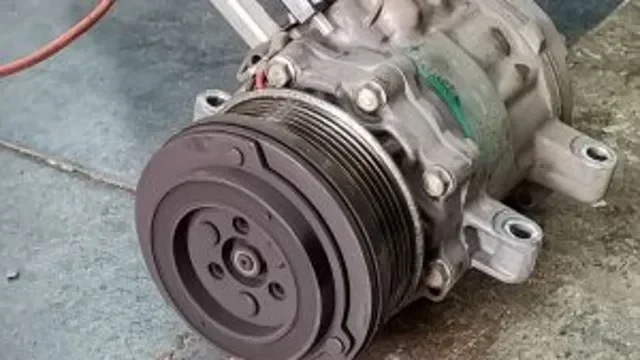
The compressor is the heart of your air conditioning system. It pumps refrigerant through the coils to cool your home. Without a working compressor, your entire central air conditioning system shuts down.
Compressors fail for several reasons:
- Age and wear: Most compressors last 10 to 15 years. After that, parts wear out and efficiency drops.
- Dirty coils: Clogged condenser coils force the compressor to work harder, leading to overheating.
- Low refrigerant: Leaks reduce refrigerant levels, causing the compressor to strain and eventually burn out.
- Electrical issues: Power surges and faulty wiring can damage compressor motors over time.
- Improper installation: A compressor installed incorrectly will fail much sooner than expected.
Recognizing early compressor failure symptoms can save you money. Listen for loud clicking or grinding sounds. Feel for warm air coming from your vents. Check your thermostat for inconsistent cooling. These signs mean your compressor needs attention fast.
Breaking Down the Cost of AC Compressor Replacement
Understanding the air conditioner compressor price is the first step toward budgeting for this repair. The total cost has two main components: parts and labor. Let us look at each one closely.
Compressor Parts Cost
The compressor unit itself typically costs between $400 and $1,800. The price varies based on the type of compressor and your unit’s brand.
- Reciprocating compressors: Common in smaller units. Cost around $400 to $700.
- Scroll compressors: Found in mid-range systems. Cost between $600 and $1,200.
- Rotary compressors: Used in high-efficiency units. Cost $1,000 to $1,800.
- Variable-speed compressors: Premium units with advanced technology. Cost $1,500 to $2,500.
Brand name compressors from Carrier, Trane, or Lennox tend to cost more. However, they also last longer and come with better warranty coverage. Choosing a compatible replacement part is critical for your HVAC system compressor to work properly.
Labor Cost for Compressor Replacement
Labor charges for replacing an AC compressor typically run from $600 to $2,500. This depends on the complexity of the job and your local market rates.
Most technicians charge between $100 and $200 per hour. A standard compressor replacement takes 4 to 8 hours. However, if your unit has accessibility issues or requires additional repairs, the labor time increases.
Some contractors also charge a diagnostic fee of $75 to $200. This fee is often waived if you proceed with the repair. Always ask about this before the technician arrives.
Additional Costs You Should Expect
The compressor itself and the labor are not the only expenses. Several other costs can pop up during the replacement process.
- Refrigerant recharge: $150 to $400. Your system needs fresh refrigerant after a compressor swap.
- Electrical repairs: $100 to $500. Damaged wiring or capacitors may need replacement.
- Condenser coil cleaning or replacement: $100 to $1,200. Dirty coils often accompany compressor failure.
- Ductwork repairs: $200 to $1,500. Old ducts may need sealing or replacement during the process.
- Permit fees: $50 to $300. Many local jurisdictions require permits for HVAC replacements.
These extra costs are why the total AC unit repair cost often exceeds initial estimates. Always ask your contractor for a detailed written quote before work begins.
Factors That Affect AC Compressor Replacement Cost
Not every compressor replacement costs the same. Several factors influence the final price. Understanding these helps you budget accurately and avoid overpaying.
Age of Your AC Unit
The age of your unit is one of the biggest factors. If your air conditioning compressor is in a unit that is less than 5 years old, replacing just the compressor makes sense. The rest of the system is still in good shape.
However, if your unit is over 10 years old, replacing the compressor may only buy you a few more years. In this case, investing in a whole house generator cost or a full system replacement might be a smarter long-term decision. A new energy-efficient unit can cut your cooling bills by 30 to 50 percent.
Type of Refrigerant
The type of refrigerant your system uses also affects the cost. Older units use R-22 refrigerant, which has been phased out. R-22 is now extremely expensive and hard to find.
Newer units use R-410A or R-32 refrigerant, which is more affordable and environmentally friendly. If your system still uses R-22, you may want to consider upgrading to a modern unit rather than paying premium prices for outdated refrigerant.
Your Location and Climate
Where you live plays a big role in pricing. Contractors in urban areas charge more than those in rural areas. Hot climates also drive up demand for AC repairs during peak summer months.
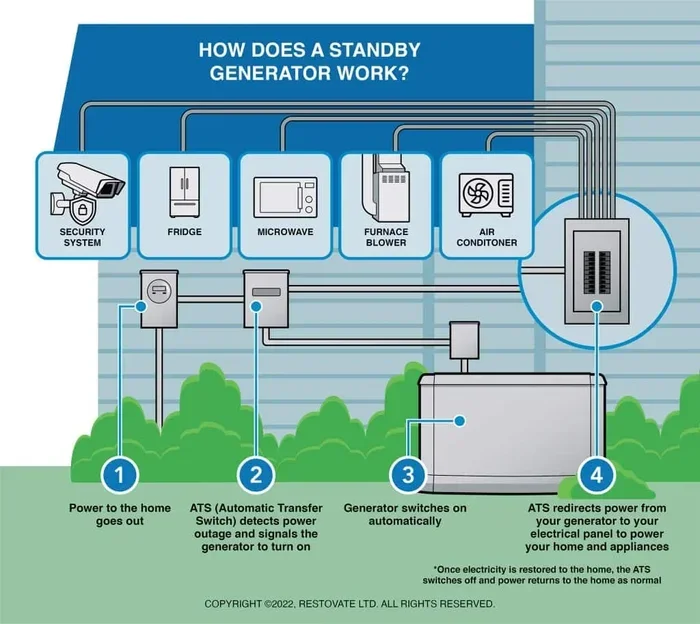
If you live in a very hot region, you might also want to look into how big of a generator do I need for my camper or home backup power solutions. A generator can keep your home cool during power outages while your AC system is being repaired or replaced.
Warranty Coverage
Warranty coverage can significantly reduce your out-of-pocket expenses. Many compressors come with a 5 to 10-year parts warranty. Some manufacturers also cover labor for the first year.
Check your original purchase documents or contact the manufacturer directly. If your unit is still under warranty, you could save hundreds or even thousands of dollars on the replacement.
Compressor Replacement vs. Full AC System Replacement
One of the most important decisions you will face is whether to replace just the compressor or the entire system. Both options have pros and cons.
When to Replace Just the Compressor
Replacing only the compressor makes sense when:
- Your AC unit is less than 8 years old.
- The rest of the system is in good working condition.
- The compressor failure is covered by warranty.
- You have a limited budget and need a quick fix.
This option costs less upfront. A compressor-only replacement typically runs $1,200 to $3,000 total. It also avoids the disruption of replacing an entire system.
When to Replace the Entire System
Replacing the full system is the better choice when:
- Your unit is over 12 years old.
- Multiple components are failing at the same time.
- Your system uses outdated refrigerant like R-22.
- Your energy bills have been rising steadily.
A full system replacement costs between $4,000 and $12,000. But it comes with a new warranty, better energy efficiency, and years of reliable cooling ahead.
| Factor | Compressor Replacement Only | Full System Replacement |
|---|---|---|
| Average Cost | $1,200 – $3,000 | $4,000 – $12,000 |
| Lifespan Added | 5 – 10 years | 15 – 20 years |
| Energy Efficiency | Same as before | 20 – 40% improvement |
| Warranty | 5 – 10 years on compressor | 10 – 15 years on entire system |
| Disruption | Minimal | Moderate to high |
The decision depends on your budget, your unit’s age, and your long-term cooling goals. Always consult a licensed HVAC professional before making this choice.
How to Save Money on AC Compressor Replacement
Replacing a compressor does not have to drain your savings. There are several smart strategies to reduce the central air compressor cost without sacrificing quality.
Get Multiple Quotes
Never accept the first quote you receive. Contact at least three licensed HVAC contractors and ask for detailed written estimates. Compare not just the total price but also the breakdown of parts, labor, and any additional fees.
Some contractors offer free diagnostics. Others charge a fee that gets credited toward the repair. Knowing these details helps you compare apples to apples.
Ask About Off-Season Discounts
AC repair demand peaks during summer. Contractors often offer lower rates during spring and fall. Scheduling your replacement during the off-season can save you 10 to 20 percent on labor costs.
Check for Rebates and Tax Credits
Many utility companies and government programs offer rebates for energy-efficient HVAC upgrades. A new compressor or full system replacement may qualify you for savings of $200 to $500. Check your local utility provider’s website and the Database of State Incentives for Renewables and Efficiency (DSIRE) for available programs.
Maintain Your New Compressor
Once your new compressor is installed, proper maintenance keeps it running efficiently for years. Follow these simple tips:
- Change your air filter every 1 to 3 months.
- Clean the condenser coils at least once a year.
- Keep the area around your outdoor unit clear of debris.
- Schedule professional HVAC maintenance annually.
- Monitor your thermostat settings for optimal efficiency.
Regular maintenance extends the life of your compressor and prevents costly breakdowns. Think of it as an investment that pays for itself over time.
Common Mistakes Homeowners Make with Compressor Replacement
Avoiding common mistakes can save you both money and headaches. Here are the pitfalls to watch out for.
Ignoring Small Problems
Many homeowners ignore early warning signs like reduced cooling or unusual noises. What starts as a small issue can turn into a full compressor failure. Addressing problems early keeps repair costs low.
Choosing the Cheapest Option
The lowest bid is not always the best deal. Cheap compressors may use inferior parts or come with no warranty. A slightly higher price from a reputable contractor often means better quality and longer-lasting results.
Skipping the Diagnostic
Never skip the diagnostic step. A professional diagnosis confirms that the compressor is actually the problem. Sometimes the issue is a faulty capacitor or a refrigerant leak that mimics compressor failure. Paying for an accurate diagnosis prevents unnecessary replacement.
Forgetting About the Entire System
Replacing a compressor in a failing system is like putting a new engine in a car with a failing transmission. Always evaluate the health of the entire unit before committing to a compressor-only replacement.
Expert Insights: What HVAC Professionals Want You to Know
We spoke with several licensed HVAC technicians to get their honest advice on compressor replacement costs. Here is what they had to say.
Tom R., 15 years of HVAC experience: “The biggest mistake I see is homeowners waiting too long. A failing compressor will damage other parts of the system if you ignore it. Early replacement saves money in the long run.”
Maria L., certified HVAC contractor: “Always ask about the compressor warranty before you sign anything. Some manufacturers offer up to 10 years of coverage. That warranty alone can save you thousands.”
James K., HVAC service manager: “If your unit is over 10 years old and the compressor fails, I strongly recommend full system replacement. The efficiency gains alone justify the extra cost within 3 to 5 years.”
These expert insights highlight the importance of making an informed decision. Do not rush into a replacement without understanding all your options.
How Long Does AC Compressor Replacement Take?
Most compressor replacements take between one and three days. The timeline depends on the complexity of the job and whether any additional repairs are needed.
Here is a typical timeline:
- Day 1: Diagnosis, system shutdown, and compressor removal. This takes 4 to 6 hours.
- Day 2: New compressor installation, refrigerant recharge, and system testing. This takes 4 to 8 hours.
- Day 3 (if needed): Additional repairs, electrical work, or ductwork adjustments. This takes 2 to 4 hours.
Some simple replacements can be completed in a single day. Complex jobs with multiple issues may take longer. Your contractor should give you a clear timeline before starting the work.
Is AC Compressor Replacement Covered by Insurance?
Homeowner’s insurance typically does not cover AC compressor replacement due to normal wear and tear. However, there are exceptions.
If the compressor failure was caused by a covered event like a power surge, lightning strike, or storm damage, your insurance may cover the repair. Check your policy details or contact your insurance provider to find out.
Some home warranty plans also cover compressor replacement. These plans usually cost $300 to $600 per year and can save you significant money on major HVAC repairs.
Conclusion
The cost of replacing AC compressor is a significant investment, but understanding the factors that drive the price puts you in control. From parts and labor to hidden fees and warranty coverage, you now have the knowledge to make the best decision for your home and budget.
Remember to get multiple quotes, evaluate the age of your unit, and consider whether a full system replacement might be the smarter long-term choice. Regular maintenance after the replacement keeps your new compressor running efficiently for years to come.
Do not let a failing compressor leave you in the heat. Use the tips and insights from this guide to take action with confidence. Your cool, comfortable home is worth the investment.
Frequently Asked Questions
How much does it cost to replace an AC compressor?
The average cost ranges from $1,200 to $4,500, including both parts and labor. The compressor part alone costs $400 to $1,800, while labor runs $600 to $2,500. Additional costs like refrigerant recharge and electrical repairs can add $200 to $1,000 to the total.
Can I replace just the AC compressor without replacing the whole unit?
Yes, if your AC unit is less than 8 to 10 years old and the rest of the system is in good condition. Replacing only the compressor costs less upfront. However, if your unit is older or has multiple failing components, a full system replacement may be more cost-effective.
How long does AC compressor replacement take?
Most replacements take one to three days. A straightforward job can be done in a single day, while complex installations involving additional repairs may take longer. Your contractor should provide a clear timeline before starting the work.
Is AC compressor replacement covered by homeowner’s insurance?
Typically not, since insurance does not cover wear and tear. However, if the failure was caused by a covered event like a power surge or storm damage, you may be eligible for coverage. Check your policy or contact your provider to confirm.
How can I reduce the cost of AC compressor replacement?
Get multiple quotes from licensed contractors, schedule the work during off-peak seasons, and check for available rebates or tax credits. Also, verify your compressor warranty coverage, which can save you hundreds or even thousands of dollars.
What are the signs that my AC compressor is failing?
Common signs include warm air from vents, loud clicking or grinding noises, inconsistent cooling, and frequent circuit breaker trips. If you notice any of these symptoms, contact an HVAC professional for a diagnostic as soon as possible to prevent further damage.