How to Fix a Fridge Compressor Without Calling a Repairman
A fridge compressor is the heart of your refrigerator, and when it fails, your food spoils fast. This guide walks you through fridge compressor troubleshooting and DIY compressor repair steps you can do at home. You will learn to diagnose common problems, use basic tools, and decide whether to fix or replace the unit.
Your fridge compressor works hard every single day. It pumps refrigerant through the system and keeps your food cold. When it stops working, things go wrong fast. Milk sours, vegetables wilt, and you start losing money. Many people immediately call a repair technician. But here is the truth. You can fix a fridge compressor yourself in most cases. You just need the right guidance and a little confidence.
This guide covers everything you need to know about fridge compressor repair without picking up the phone. We will walk through the signs of a failing compressor. We will cover the tools you need. And we will give you a clear step-by-step process. By the end, you will feel empowered to tackle this repair on your own. Let us get started.
Key Takeaways
- Listen for warning sounds: Clicking, humming, or silence from your fridge compressor tells you a lot about the problem.
- Check the start relay first: This is the most common and cheapest fix for a fridge compressor that won’t start.
- Safety comes first: Always unplug the fridge and handle components carefully before starting any repair.
- Know when to call a pro: Refrigerant leaks or compressor burnout need professional compressor replacement.
- Prevent future issues: Regular fridge maintenance like cleaning coils extends compressor life significantly.
- Power supply matters: Sometimes the problem isn’t the compressor but the electrical supply feeding it, which connects to issues like What Size Generator To Run A Refrigerator and How Long Can A Generator Run for backup power setups.
📑 Table of Contents
- Understanding Your Fridge Compressor
- Signs Your Fridge Compressor Is Failing
- Tools and Safety Precautions
- Step-by-Step Fridge Compressor Repair
- When to Replace vs. Repair the Fridge Compressor
- Preventing Fridge Compressor Problems
- Common Mistakes People Make When Fixing a Fridge Compressor
- Conclusion
Understanding Your Fridge Compressor
The refrigerator compressor is a small motor located at the back of your fridge, usually at the bottom. It compresses refrigerant gas and pushes it through the cooling coils. This cycle is what keeps your food cold. Without a working compressor, your fridge becomes a warm box. Period.
Most compressors last 10 to 15 years with proper care. But they can fail early due to electrical issues, overheating, or wear and tear. Understanding how the compressor fits into the bigger cooling system helps you troubleshoot better. The compressor works alongside the start relay, overload protector, and capacitor to run smoothly.
How the Fridge Compressor Works
Here is a simple breakdown of the process:
- The compressor pulls in low-pressure refrigerant gas from the evaporator.
- It compresses that gas into high-pressure, high-temperature gas.
- The hot gas moves through the condenser coils and releases heat.
- The gas cools and turns into a liquid.
- The liquid refrigerant flows back into the evaporator and absorbs heat from inside the fridge.
- The cycle repeats over and over.
If any part of this chain breaks down, the compressor struggles. Sometimes the compressor itself is fine, but a relay or capacitor fails and makes the compressor look bad. That is why fridge compressor troubleshooting starts with checking all the components, not just the motor.
Signs Your Fridge Compressor Is Failing
Catching compressor problems early saves you money and food. Here are the most common signs that your fridge compressor is on the way out.
The Fridge Is Not Cooling Enough
This is the number one sign. If your fridge feels warm and your food is spoiling faster than usual, the compressor might not be running. Check the temperature dial first. Make sure it is set correctly. If it is, and the fridge still is not cold, you have a problem worth investigating.
Unusual Noises From the Back
A healthy compressor makes a low, steady hum. If you hear clicking, buzzing, or rattling, something is wrong. A compressor clicking sound often means the start relay is failing. Loud buzzing can mean the compressor is trying to start but cannot. These sounds are your early warning system. Do not ignore them.
The Compressor Runs Constantly
If your fridge never cycles off, the compressor might be working too hard. This can happen when the refrigerant level is low due to a leak. The compressor runs continuously trying to reach the set temperature but never gets there. Running a compressor 24/7 will burn it out eventually.
The Fridge Compressor Hums But Does Not Start
This is a very common issue. You hear the hum, but the compressor never kicks into action. Often this points to a faulty start relay or capacitor. Sometimes it is a seized compressor motor, which is more serious. We will cover how to test for this below.
Ice Buildup Around the Compressor Area
If you notice frost or ice forming near the compressor, it could signal a refrigerant leak. Low refrigerant makes the compressor work harder and causes frost buildup. This is a clear sign you need to investigate further.
Tools and Safety Precautions
Before you touch anything inside your fridge, let us talk about safety. Electricity and refrigerant are both dangerous. You need to treat them with respect.
Safety First
- Unplug the refrigerator before doing any work. This is non-negotiable.
- Wait at least 15 minutes after unplugging for capacitors to discharge.
- Wear rubber-soled shoes and dry your hands thoroughly.
- Never open the compressor housing unless you know what you are doing.
- Keep children and pets away from the work area.
- If you smell refrigerant or notice a chemical odor, stop immediately and ventilate the area.
Tools You Will Need
You do not need a professional workshop. Here is a simple list of tools for fridge compressor repair:
- Screwdriver set (Phillips and flathead)
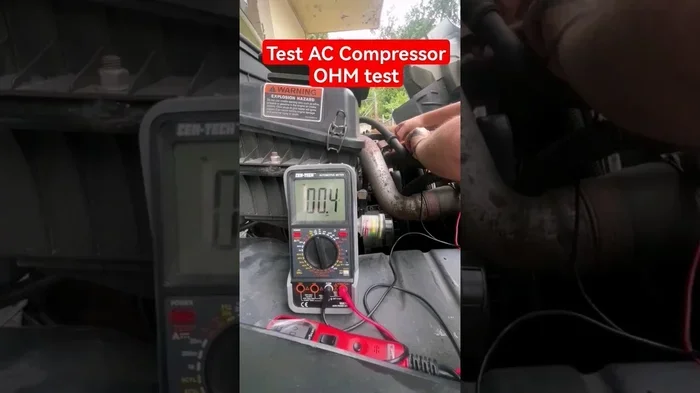
- Multimeter for testing electrical components
- Voltage tester
- Pliers and wire nuts
- Flashlight or headlamp
- Soft brush or vacuum for cleaning coils
- Replacement parts (start relay, overload protector, capacitor)
Quick Tip
Buy a basic multimeter if you do not already own one. It costs under $20 and is the single most useful tool for diagnosing compressor problems. A multimeter tells you if electricity is flowing properly through the relay, capacitor, and compressor windings.
Step-by-Step Fridge Compressor Repair
Now let us get into the actual repair process. Follow these steps in order for the best results.
Step 1: Diagnose the Problem
Before replacing anything, you need to know what is actually wrong. Start by plugging the fridge back in and listening carefully. Does the compressor start? Does it click and shut off? Does it hum without running?
Use your multimeter to check the start relay. Remove the relay from the compressor and shake it gently. If you hear rattling inside, the relay is bad and needs replacement. A good relay should feel smooth and silent.
Step 2: Check the Start Relay
The start relay gives the compressor motor an extra boost to get running. It is one of the cheapest and most common failure points. Here is how to test it:
- Unplug the fridge and locate the compressor at the back.
- Find the start relay, which is a small box connected to the compressor with a plug.
- Remove the relay by pulling the plug straight out.
- Set your multimeter to resistance (ohms).
- Test the relay terminals. You should see continuity in certain configurations.
- If there is no continuity or you get an infinite reading, the relay is faulty.
Replacing a start relay is simple. Buy the exact model for your compressor, plug it in, and test. Many homeowners fix their fridge compressor problem right here and save hundreds of dollars.
Step 3: Test the Overload Protector
The overload protector is a safety device that shuts off the compressor if it overheats. Sometimes it trips and will not reset on its own. To test it:
- Disconnect the overload protector from the compressor.
- Test it with your multimeter for continuity.
- If it shows no continuity, it has failed and needs replacement.
- If it shows continuity, it is fine and the problem lies elsewhere.
Step 4: Inspect the Capacitor
The compressor capacitor provides extra torque during startup. A failing capacitor causes the humming-but-not-starting symptom we talked about earlier. Capacitors can hold a charge even when unplugged, so discharge yours carefully before handling it.
Use your multimeter to test the capacitor. Compare the reading to the rated value on the capacitor label. If the reading is significantly lower, replace the capacitor. This is another affordable part that often solves the problem.
Step 5: Check for Refrigerant Leaks
If all the electrical components check out fine, the problem might be low refrigerant. This requires a different approach. You will need to:
- Inspect the coils and connections for visible oil stains, which indicate leaks.
- Check if the compressor is running but not cooling properly.
- Listen for a hissing sound near the refrigerant lines.
Refrigerant leaks are trickier to fix. You cannot just refill the refrigerant without finding and sealing the leak first. For most homeowners, this is the point where calling a professional makes sense. A certified technician has the tools to detect leaks with UV dye or electronic sensors.
Step 6: Clean the Condenser Coils
Do not overlook the simple stuff. Dirty condenser coils make the compressor work harder than it should. Over time, dust, pet hair, and grime build up on the coils. This causes overheating and premature compressor failure.
Unplug the fridge and pull it away from the wall. Use a vacuum with a brush attachment or a soft brush to clean the coils. Do this every six months to keep your compressor running efficiently. This is one of the easiest fridge maintenance habits you can build.
Expert Insight: Many people spend money on a new fridge when the real issue is dirty condenser coils or a $15 start relay. Before you commit to buying a replacement, work through these diagnostic steps. You might be surprised at what you find.
When to Replace vs. Repair the Fridge Compressor
Not every compressor problem is worth fixing. Sometimes replacement is the smarter choice. Here is how to decide.
Repair When
- The problem is a relay, capacitor, or overload protector (cheap parts).
- The compressor motor itself is still running.
- Your fridge is less than 10 years old.
- The repair cost is under $300.
- You have the tools and confidence to do the work yourself.
Replace When
- The compressor motor is seized or burned out.
- You have a refrigerant leak inside the compressor body.
- The repair cost exceeds half the price of a new fridge.
- The fridge is over 15 years old and has other issues.
- Multiple compressor-related failures have occurred in the past.
If you do need a new compressor, the compressor replacement cost typically runs between $200 and $500 for parts and labor. Doing the relay or capacitor repair yourself costs under $50 in most cases. That is a big difference.
Also consider your overall fridge situation. If you already have an older unit with other problems, it might be time to upgrade. Sometimes a new energy-efficient fridge saves you more on electricity than an old compressor repair costs. And if you use a backup generator during outages, make sure it is properly sized. Check out What Size Generator To Run Refrigerator And Freezer to make sure your setup can handle the load without stressing your new compressor.
Preventing Fridge Compressor Problems
The best repair is the one you never need. Here are proven ways to keep your fridge compressor healthy for years.
Keep the Coils Clean
Dust and debris are the compressor’s worst enemy. Clean the condenser coils every six months. Use a vacuum or a coil brush. This simple habit prevents overheating and extends compressor life dramatically.
Don’t Overload the Fridge
Overpacking your fridge blocks airflow and makes the compressor work harder. Leave space between items so cold air can circulate freely. A well-organized fridge runs more efficiently.
Check the Door Seals Regularly
Worn door gaskets let cold air escape. The compressor then runs longer to compensate. Inspect the seals every few months. If they feel loose or cracked, replace them. New gaskets cost under $20 and are easy to install.
Maintain Consistent Temperature Settings
Set your fridge between 37 and 40 degrees Fahrenheit and your freezer at 0 degrees. Avoid constantly adjusting the thermostat. Stable temperatures reduce compressor cycling and wear.
Ensure Proper Ventilation
Leave at least 2 to 3 inches of space behind your fridge for airflow. If the compressor is crammed against a wall, it cannot dissipate heat properly. Over time, this causes overheating and premature failure.
Address Problems Early
Do not ignore the small signs. A slight temperature fluctuation or an occasional click is worth investigating. Catching small issues early prevents the expensive compressor failures that follow.
Quick Tip
If you experience frequent power outages, your compressor takes a beating every time the power cuts out and comes back on. Consider a surge protector or a backup power solution. Understanding how generators support your fridge can help. For example, learning about How Much Gas Does A Generator Use helps you plan for extended backup power without worrying about fuel costs eating into your budget.
Common Mistakes People Make When Fixing a Fridge Compressor
Even with good intentions, homeowners make mistakes during compressor repair. Here are the ones to avoid.
- Skipping the multimeter test. Replacing parts blindly wastes money. Always test first.
- Ignoring the start relay. People jump to the compressor when the relay is the real culprit.
- Forgetting to unplug the fridge. This is dangerous and can cause electric shock.
- Overtightening screws on the compressor. This can crack the housing or damage connections.
- Adding refrigerant without finding the leak. This is temporary and wasteful. Always fix the leak first.
- Assuming the compressor is dead when it is just the relay. Most compressor problems are actually relay problems.
Avoiding these mistakes saves time, money, and frustration. Take your time and follow each step carefully.
Key Takeaway: Most fridge compressor issues are not as scary as they sound. The start relay, overload protector, and capacitor are the usual suspects. With a multimeter and basic tools, you can diagnose and fix the problem yourself in under an hour.
Conclusion
Fixing a fridge compressor without calling a repairman is absolutely doable. You just need to approach it systematically. Start with the diagnosis. Check the start relay, overload protector, and capacitor. Clean the coils. Address any refrigerant leaks you find. And know when the repair is beyond your comfort zone.
The vast majority of compressor problems come down to affordable, replaceable parts. A $15 start relay or a $20 capacitor can bring your fridge back to life. You save hundreds of dollars in service calls and gain the satisfaction of fixing something yourself.
Remember to practice good fridge maintenance going forward. Clean your coils, check your seals, and listen for unusual sounds. These small habits keep your compressor running strong for years. Your wallet and your food will thank you.
So the next time your fridge stops cooling, do not panic. Grab your multimeter and screwdriver. Follow the steps in this guide. You have got this.
Frequently Asked Questions
Can I fix a fridge compressor myself?
Yes, in most cases. The most common compressor problems involve the start relay, overload protector, or capacitor, all of which are inexpensive and easy to replace. However, if the compressor motor itself is burned out or there is a refrigerant leak, you may need professional help.
How do I know if my fridge compressor is bad?
Listen for unusual sounds like clicking, buzzing, or complete silence when the fridge should be running. Also check if the fridge is not cooling properly or if the compressor runs constantly without cycling off. A multimeter test can confirm whether the compressor or a related component has failed.
How much does it cost to repair a fridge compressor?
If the issue is a relay or capacitor, you are looking at $15 to $50 for parts. Professional compressor replacement costs between $200 and $500. Doing the simple repairs yourself can save you a significant amount of money compared to calling a technician.
What causes a fridge compressor to fail?
Common causes include electrical failures in the relay or capacitor, overheating due to dirty condenser coils, refrigerant leaks, power surges, and general wear over time. Regular maintenance like cleaning coils and checking seals can prevent many of these issues.
Is it worth replacing a compressor in an old fridge?
It depends on the age and overall condition of the fridge. If the fridge is over 15 years old and has other issues, replacing the entire unit is usually more cost-effective. But if the fridge is relatively new and the compressor is the only problem, replacement is worth it.
How long should a fridge compressor last?
A well-maintained fridge compressor typically lasts 10 to 15 years. Regular cleaning of condenser coils, proper temperature settings, and prompt attention to small problems all contribute to a longer compressor lifespan.