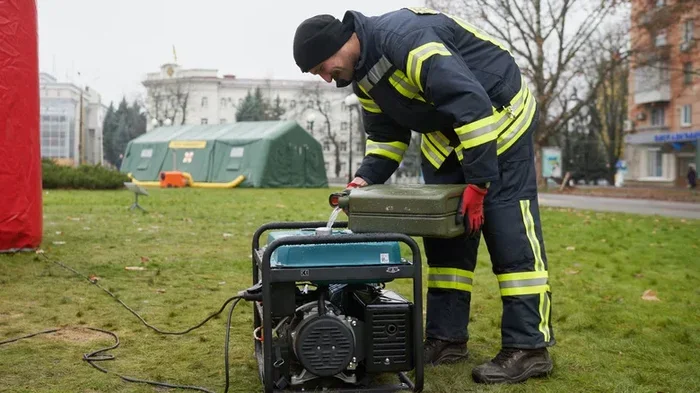
Can You Add Gas to a Generator While It Is Running
No, you should never add gas to a generator while it is running. Doing so creates serious fire hazards, risks fuel spills on hot engine parts, and can cause carbon monoxide exposure. Always turn off the generator, let it cool down, and then refuel safely. This guide covers why it is dangerous, how to refuel correctly, and expert tips to keep your portable generator fuel system safe and efficient.
Have you ever been in the middle of a blackout and wondered if you can just pour more gas into your generator without turning it off? It is a tempting thought. When the lights are out and your fridge is warming up, stopping to refuel feels like a hassle. But here is the truth: you should never add gas to a generator while it is running. It is one of the most dangerous things you can do with a gas-powered generator. In this article, we will walk you through exactly why this is so risky, what can go wrong, and how to refuel your generator the right way every single time.
Whether you own a small portable unit for camping or a large standby generator for your home, this guide is for you. We will cover the real dangers, share practical steps, and give you generator maintenance tips that will keep you and your family safe. Let us dive in.
Key Takeaways
- Never add gas to a running generator: It is a serious fire and explosion risk that can cause injuries or death.
- Always shut off the engine first: Turn the generator off and wait for it to cool before pouring any fuel.
- Fuel spills are a major hazard: Gasoline on hot engine parts can ignite instantly, causing fires.
- Follow your generator manual: Every gas-powered generator has specific refueling instructions you must follow.
- Use proper fuel storage: Store gasoline in approved containers and add fuel stabilizer for long-term storage.
- Carbon monoxide risk increases: Refueling a running generator in enclosed spaces can expose you to deadly fumes.
- Plan your refueling stops: Knowing your generator runtime helps you refuel safely and avoid running on empty.
📑 Table of Contents
- Why You Should Never Add Gas to a Running Generator
- What Happens If You Add Gas to a Running Generator?
- How to Safely Refuel Your Generator
- How Long Can a Generator Run Before You Need to Refuel?
- Common Mistakes People Make When Refueling a Generator
- Expert Tips for Generator Fuel Management
- Final Thoughts
Why You Should Never Add Gas to a Running Generator
The short answer is no. The long answer involves real physics and real dangers. A generator running on gasoline produces heat, sparks, and toxic fumes. Adding fuel to any of those elements creates a recipe for disaster.
The Fire Hazard Is Real
A running generator has hot engine parts. The exhaust can reach temperatures over 600 degrees Fahrenheit. When you pour gasoline near those surfaces, the fumes can ignite instantly. Gasoline vapors are heavier than air and can travel along the ground to a spark source you cannot even see. This is not a theoretical risk. Fire departments respond to fuel-related generator accidents every year, especially during storm seasons when people are desperate to keep the power on.
Here are the main fire risks of refueling a hot generator:
- Gasoline vapors ignite on contact with hot engine parts or exhaust pipes.
- Spilled fuel can pool on hot surfaces and catch fire within seconds.
- A static spark from your clothing or the fuel canister can set off a fireball.
- Fuel splashing onto the carburetor or air intake can cause a sudden flare-up.
These are not rare events. They happen more often than most people realize. The generator manual for almost every model on the market clearly states: turn off the engine before refueling. Always follow that instruction.
Carbon Monoxide Exposure
Another serious danger is carbon monoxide, or CO. A gas-powered generator produces this invisible, odorless gas as part of its normal operation. When the engine is running and you are pouring fuel, you are increasing the amount of gasoline fumes in the air around you. Those fumes contain carbon monoxide.
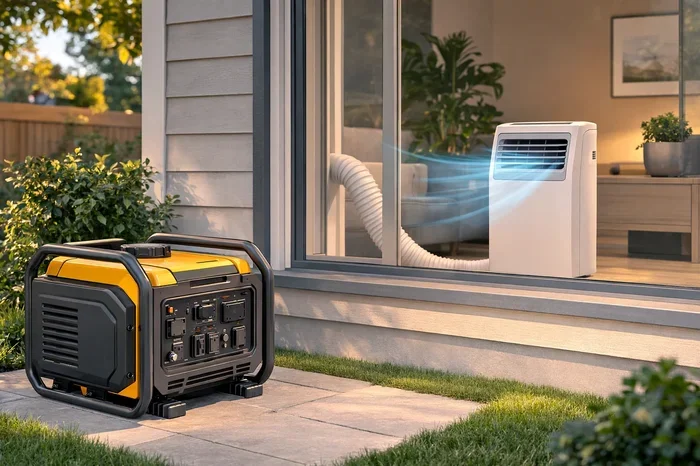
If you are refueling in a garage, a tent, or any semi-enclosed space, the risk goes up dramatically. Carbon monoxide poisoning can happen fast. It can make you dizzy, confused, and even unconscious. In the worst cases, it is fatal. This is why outdoor generator use is so important, and why you should never refuel a running generator in an enclosed area.
What Happens If You Add Gas to a Running Generator?
You might be curious about what actually happens if you pour gas into a running generator. Let us walk through the possible outcomes.
Minor Spill, Big Consequences
Even a small spill can be dangerous. Gasoline hits the hot engine block and evaporates immediately. The vapors spread quickly. If there is a spark anywhere nearby, even a tiny one from the generator’s electrical system, you could get a flash fire. The flame can travel back to the fuel container if it is open and pouring.
In some cases, a minor spill might not cause an immediate fire. But the fuel can soak into clothing, skin, or nearby materials. Those materials can continue to give off fumes and become a fire hazard later. This is why even “small” spills deserve serious attention.
Fuel Ingestion Into the Engine
When you pour fuel into the tank of a running generator, the fuel can splash into areas it should not. It might overflow into the carburetor or reach the air intake. This can cause the engine to run rich, stall, or backfire. A backfire can send flames out of the exhaust or intake, which is extremely dangerous.
Some people think pouring gas while the generator runs will just “top off the tank.” But the fuel system of a portable generator fuel setup is not designed for that. The tank venting, the carburetor bowl, and the fuel lines all work together in a specific way. Disrupting that balance can cause engine damage over time.
Damage to the Generator
Repeatedly adding fuel while the engine runs can damage internal components. The fuel system seals, gaskets, and carburetor parts are not meant to handle sudden fuel surges. Over time, this can lead to leaks, poor performance, and costly repairs. Good generator maintenance means treating your machine with care, and that includes proper refueling habits.
How to Safely Refuel Your Generator
Now that you know why you should never refuel a running generator, let us talk about how to do it the right way. Following these steps every time will keep you safe and extend the life of your gas-powered generator.
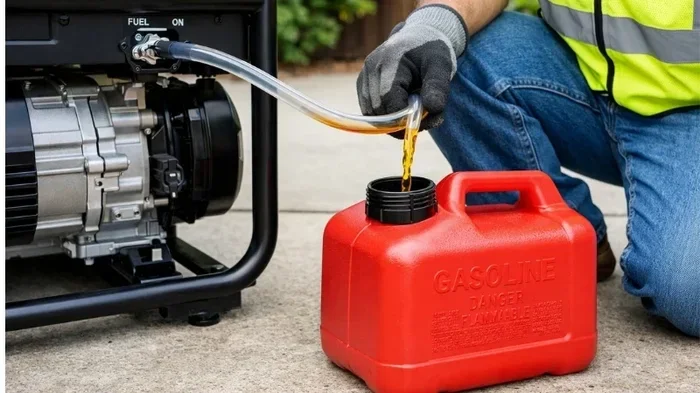
Step 1: Turn Off the Generator
This is the first and most important step. Flip the engine switch to off. If your generator has a fuel valve, turn that off too. Let the engine stop completely. Do not just turn off the load. The engine itself needs to be off.
Step 2: Wait for the Engine to Cool
Give the generator time to cool down. This usually takes about 10 to 15 minutes, depending on the model and how long it has been running. Touch the engine block or exhaust lightly to check. If it still feels warm, wait longer. Patience here is everything.
Step 3: Move to a Safe Area
If possible, move the generator to a well-ventilated outdoor area before refueling. Keep it away from buildings, vehicles, and any ignition sources. Do not refuel on a wooden deck or near dry grass. The ground should be flat and clear of debris.
Step 4: Use the Right Fuel Container
Always use an approved gasoline container. Look for containers that are designed for fuel storage and have proper venting caps. Never use a milk jug or an old soda bottle. These are not safe for gasoline and can leak or break easily.
Step 5: Pour Slowly and Carefully
When you pour the fuel, do it slowly. Avoid splashing. Fill the tank to about 90 percent full. Overfilling can cause fuel to leak out when the engine heats up. Wipe up any spills immediately with a clean cloth.
Step 6: Let Fumes Dissipate Before Starting
After refueling, wait a minute or two before starting the generator. This gives any lingering fumes time to disperse. Once the area smells clear, you can safely start the engine.
Quick Tips for Safe Refueling
- Never smoke anywhere near the generator while refueling.
- Keep a fire extinguisher nearby when working with fuel.
- Wear gloves to protect your skin from gasoline.
- Do not refuel indoors or in a garage, even with the door open.
- Check for leaks in the fuel line before and after refueling.
How Long Can a Generator Run Before You Need to Refuel?
Understanding your generator runtime helps you plan safe refueling stops. Most portable generators run for about 6 to 10 hours on a full tank at 50 percent load. Larger standby units can run for days on a continuous fuel supply. But if you are using a portable unit, you will need to refuel eventually.
Here is a simple way to think about it. Check your generator manual for the fuel tank capacity and the expected runtime. Write that number down and keep it with your generator. When you are at the halfway point, plan your refueling stop for a safe, cool moment.
Using a fuel stabilizer can also help. If you plan to store fuel for more than 30 days, add a stabilizer to keep the gasoline fresh. Old gasoline can cause starting problems and engine damage. This is a key part of generator maintenance that many people overlook.
Fuel Type Matters
Not all fuel is the same. Most portable generators run on regular gasoline. Some models can use propane or natural gas. Make sure you are using the right fuel type for your unit. Mixing fuel types can damage the engine and void your warranty. Always check the label on the generator or the manual before filling up.
Common Mistakes People Make When Refueling a Generator
Even experienced users make mistakes. Here are the most common ones and how to avoid them.
Mistake 1: Refueling While the Engine Is Still Warm
This is the number one mistake. People think if the generator is not running, it is safe. But a hot engine is just as dangerous as a running one. Always wait for the generator to cool completely.
Mistake 2: Overfilling the Tank
Overfilling can cause fuel to leak out when the engine heats up. It can also flood the carburetor and make the generator hard to start. Fill to about 90 percent and leave room for expansion.
Mistake 3: Using the Wrong Container
Using an unapproved container is a fire hazard. Gasoline needs to be stored in containers designed for fuel. These containers have proper vents and materials that will not degrade from the chemicals in gasoline.
Mistake 4: Ignoring Spills
A small spill might seem harmless. But gasoline on the ground or on the generator can ignite later. Always clean up spills immediately and let the area air out before starting the engine.
Mistake 5: Skipping the Manual
Every generator is different. Some models have specific refueling procedures that differ from the standard steps. Skipping the manual means you might miss important safety instructions. Take five minutes to read it. It could save your life.
Expert Tips for Generator Fuel Management
Managing your fuel properly goes beyond just refueling safely. Here are some expert tips to help you get the most out of your gas-powered generator and keep your emergency power system ready when you need it most.
Store Fuel Properly
Gasoline degrades over time. It can go bad in as little as 30 days without a stabilizer. Store your fuel in a cool, dry place away from direct sunlight. Use approved containers and label them with the date you filled them. Rotate your fuel supply regularly so you always have fresh gasoline on hand.
Keep the Fuel System Clean
Dirt, debris, and old fuel can clog your generator’s fuel system. Use a fuel filter and check the carburetor regularly for buildup. A clean fuel system means better fuel efficiency and a longer-lasting generator.
Run the Generator Periodically
If you only use your generator during emergencies, run it once a month for about 15 minutes. This keeps the engine lubricated and helps identify any fuel system issues early. It is a simple habit that makes a big difference in generator maintenance.
Know Your Generator’s Wattage and Fuel Needs
Understanding your generator’s generator wattage helps you plan fuel usage. Running a generator at full load burns more fuel and generates more heat. Try to keep your load between 50 and 75 percent for the best balance of power and efficiency.
Invest in a Fuel Monitoring System
Some modern generators come with fuel gauges or monitoring systems. If yours does not, consider adding an external fuel gauge. Knowing exactly how much fuel you have left helps you avoid running on empty and needing an emergency refuel.
Final Thoughts
Adding gas to a generator while it is running is never a good idea. The risks are real and serious. Fire, explosion, carbon monoxide poisoning, and engine damage are all possible outcomes. The safe way to refuel is simple: turn off the generator, let it cool, move to a safe area, pour slowly, and wait before restarting.
Taking these precautions might feel like an inconvenience in the moment, especially during a power outage. But those few extra minutes can prevent a disaster. Your safety and the safety of your family always come first. Follow the steps in this guide, keep your generator manual handy, and make safe refueling a habit every time.
A well-maintained gas-powered generator is a reliable source of emergency power. Treat it with care, fuel it safely, and it will serve you well for years to come. Now you know the answer to the question: can you add gas to a generator while running? The answer is always no. Stay safe and stay prepared.
Frequently Asked Questions
Can you add gas to a generator while it is running if you are very careful?
No. Even if you are extremely careful, the risk of fire, explosion, and carbon monoxide exposure remains. A generator engine and exhaust get hot enough to ignite gasoline vapors instantly. Always turn the generator off and let it cool before adding fuel.
How long should I wait before refueling my generator?
Wait at least 10 to 15 minutes after turning off the generator before refueling. This allows the engine block, exhaust, and other hot parts to cool down enough to prevent ignition of fuel vapors. If the generator still feels warm, wait a bit longer.
What type of fuel should I use in my generator?
Most portable generators run on regular unleaded gasoline. Check your generator manual to confirm the recommended fuel type. Never use diesel, kerosene, or mixed fuels unless the manufacturer specifically allows it. Using the wrong fuel can damage the engine and void your warranty.
Can spilled gas on a generator cause a fire later?
Yes. Gasoline vapors can linger on surfaces long after a spill. If those vapors reach a spark or hot surface, they can ignite. Always wipe up fuel spills immediately and let the area air out before starting the generator.
Is it safe to store gasoline near my generator?
It is best to store gasoline in a separate, well-ventilated area away from the generator and any ignition sources. Use approved fuel containers and keep them out of reach of children. Do not store more fuel than you need for a few uses.
What should I do if fuel spills on the hot engine?
If fuel spills on a hot engine, do not start the generator. Turn it off immediately if it is running. Wipe up the spill with a clean cloth and move the generator to a well-ventilated area. Allow the engine to cool completely and clean the area thoroughly before restarting.
=== CONCLUSION ===
Can you add gas to a generator while it is running? The answer is a clear and firm no. Adding fuel to a running generator puts you at serious risk of fire, explosion, and carbon monoxide poisoning. The safe steps are simple: turn off the engine, wait for it to cool, refuel carefully, and let any fumes clear before restarting. These habits take just a few extra minutes but protect your life and your property. Share this guide with friends and family who own generators. Safe fuel handling is one of the most important parts of generator maintenance and responsible outdoor generator use. Stay prepared, stay safe, and always put fuel safety first.