How Is a Generac Generator Powered and What Fuels It
A Generac generator is powered by an internal combustion engine that converts fuel into electrical energy. The most common fuels include gasoline, propane, and natural gas, with some models offering dual fuel capability. This guide breaks down exactly how a Generac generator powered system works, what fuels it uses, and how to pick the best option for your home or job site.
Key Takeaways
- How a Generac Generator Is Powered: Generac generators use an internal combustion engine connected to an alternator to produce electricity from fuel.
- Multiple Fuel Options: Generac generators run on gasoline, propane, natural gas, or a combination of fuels depending on the model.
- Portable vs Standby Matters: Portable units are great for job sites and camping, while standby generators provide automatic home backup power.
- Fuel Choice Affects Runtime: Propane and natural gas burn cleaner and store longer than gasoline, but gasoline offers higher energy density.
- Regular Maintenance Is Key: Oil changes, air filter cleaning, and fuel stabilizer use keep your Generac generator running smoothly for years.
- Match Generator to Your Needs: Choosing the right wattage and fuel type ensures you get reliable power when you need it most.
📑 Table of Contents
How Does a Generac Generator Produce Power?
At its core, a Generac generator works by turning fuel into motion and then into electricity. The process is simpler than most people think. A generator engine burns fuel to create mechanical energy. That energy spins a component called an alternator. The alternator then converts that spinning motion into electrical current. This current flows through outlets just like the power from your wall sockets.
So how is a Generac generator powered, exactly? The answer lies in the combustion cycle. Fuel mixes with air inside the engine cylinder. A spark plug ignites that mixture. The explosion pushes a piston down. That piston motion turns a crankshaft. The crankshaft connects to the alternator. And that is where electricity comes from. It is a loop that keeps repeating as long as fuel flows.
The Engine That Makes It All Work
The engine is the heart of any Generac unit. Most home models use a four-stroke gasoline engine. This means the engine completes four steps in one power cycle. Those steps are intake, compression, combustion, and exhaust. Each step plays a role in keeping the generator running smoothly.
Generac builds their engines to be durable and efficient. The engine size is measured in cubic centimeters, or cc. A smaller engine, around 700cc, works well for portable units. Larger engines, above 1000cc, are common in standby models that handle heavy loads. The bigger the engine, the more fuel it burns per hour. But it also produces more power output.
How the Alternator Creates Electricity
The alternator is what makes the magic happen. Inside the alternator, there is a rotor and a stator. The rotor spins because it is attached to the engine crankshaft. As it spins, it creates a magnetic field. That magnetic field passes through copper wires in the stator. This movement of magnetic energy through wires is what generates electricity. It is called electromagnetic induction.
The electricity produced is alternating current, or AC. This is the same type of power that comes from your home electrical panel. Some smaller Generac models produce direct current, or DC, for charging batteries. But most whole house generators and portable units deliver AC power for household appliances.
Starting Your Generac Generator
Starting a Generac generator is straightforward. Most models use an electric starter, similar to starting a car. You turn a key or press a button. The generator starter engages the engine. The engine fires up and begins burning fuel. Within seconds, the alternator starts spinning and producing power.
Some older or smaller models use a recoil pull starter, like a lawn mower. Both methods get the job done. The electric starter is just more convenient, especially in emergencies when you need power fast.
Quick Tips: Always check the oil level before starting your Generac generator. Let the unit warm up for two to three minutes before plugging in appliances. This reduces wear on the engine and protects your devices.
What Fuels a Generac Generator?
Fuel choice is one of the most important decisions you will make. Different fuels offer different benefits. Your lifestyle, budget, and power needs all play a role in choosing the right fuel type. Let us break down each option so you can make an informed choice.
Gasoline: The Most Common Fuel Type
Gasoline is the default fuel for most portable Generac generators. It is easy to find at any gas station. Gasoline offers high energy density, meaning a small amount goes a long way. Most portable units run on regular unleaded gasoline, the same fuel you put in your car.
The downside of gasoline is shelf life. Untreated gasoline starts to degrade after about 30 days. This can cause starting problems and engine damage over time. If you plan to store your gasoline-powered generator for long periods, use a fuel stabilizer. This keeps the fuel fresh and your engine ready to go.
Propane and Natural Gas Options
Propane is a popular choice for homeowners who want a cleaner-burning fuel. Propane fuel does not degrade over time, so you can store it indefinitely. It also burns cleaner than gasoline, which means less buildup inside the engine. This leads to longer engine life and less maintenance.
Natural gas is another excellent option. A natural gas generator connects directly to your home’s gas line. You never need to refuel. This makes it incredibly convenient for whole house backup power. The tradeoff is that natural gas has slightly lower energy content than propane or gasoline. This means a natural gas generator may consume more fuel to produce the same amount of power.
Dual Fuel Generac Models
Dual fuel generators give you the best of both worlds. A dual fuel generator can run on either gasoline or propane. You switch between fuels using a simple valve. This flexibility is perfect for homeowners who want backup power but also need portability during camping trips or job sites.
Generac offers several dual fuel models in their product lineup. These units typically come with a gasoline tank and a propane tank connection. You can use whichever fuel is available or most cost-effective at the time.
Common Mistakes: Many people store gasoline in their generator tank for months without using it. Old fuel causes hard starting and poor performance. Always drain old fuel or use a fuel stabilizer if you will not use your generator for more than a month.
Understanding Generac Generator Power Output
Power output is how much electricity your generator can produce. It is measured in watts. Understanding wattage helps you choose the right unit for your needs. A unit that is too small will overload. A unit that is too big wastes money and fuel.
Generator Wattage and Runtime
Every Generac generator has two wattage ratings. The first is running wattage, which is the continuous power the unit can sustain. The second is starting wattage, which is the extra power needed to start motors like refrigerators or air conditioners.
For example, a small portable unit might offer 3,000 starting watts and 2,500 running watts. This is enough to run a few lights, a fridge, and some phone chargers. A large standby model can deliver 20,000 starting watts or more. That is enough for a full home, including central air and multiple appliances.
Generator runtime depends on the fuel tank size and the load you are running. A portable generator with a 2-gallon fuel tank might run for eight hours at 25 percent load. At full load, that same tank might last only three or four hours. Always check the runtime specifications before purchasing.
How Fuel Type Affects Power Output
The fuel you choose directly impacts your power output and efficiency. Gasoline engines tend to produce more power per pound of fuel. Propane burns cleaner but produces slightly less energy per gallon. Natural gas has the lowest energy density of the three, so a natural gas generator may use more fuel overall.
However, propane and natural gas are often cheaper than gasoline. And they produce fewer emissions. This makes them better choices for long-term home backup power where the generator runs frequently.
Expert Insights: When choosing your generator wattage, add up the total wattage of all the appliances you want to run at the same time. Then add a 20 percent buffer for safety. This ensures you never overload the unit and risk damaging your electronics or the generator itself.
| Fuel Type | Energy Density | Shelf Life | Emissions | Best For |
|---|---|---|---|---|
| Gasoline | High | 30 days (untreated) | Moderate | Portable use, job sites |
| Propane | Medium | Indefinite | Low | Home backup, clean burning |
| Natural Gas | Lower | Unlimited (pipeline) | Lowest | Whole house standby |
| Dual Fuel | High to Medium | Varies | Low to Moderate | Flexibility and versatility |
Portable vs Standby Generac Generators
Not all Generac generators are built the same way. The two main categories are portable and standby units. Each serves a different purpose. Understanding the differences helps you pick the right one for your situation.
What Is a Portable Generac Generator?
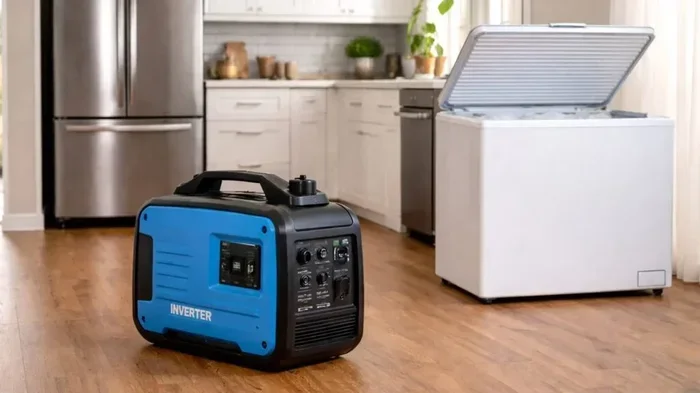
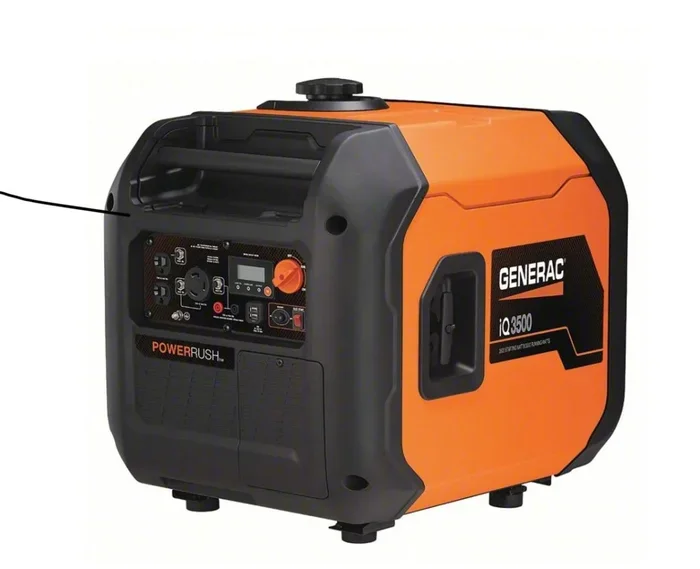
A portable generator is designed to be moved from place to place. These units are lighter and more compact than standby models. They typically run on gasoline and produce between 1,000 and 7,500 watts. Portable generators are perfect for camping trips, outdoor events, and job sites.
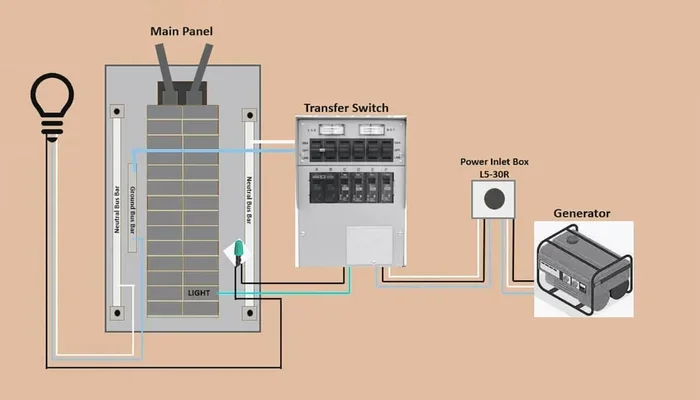
During a power outage, a portable unit can keep your essentials running. You plug appliances directly into the generator using extension cords. The downside is that you need to manually start it and refuel it. It also cannot power your entire home unless you use a transfer switch.
What Is a Standby Generac Generator?
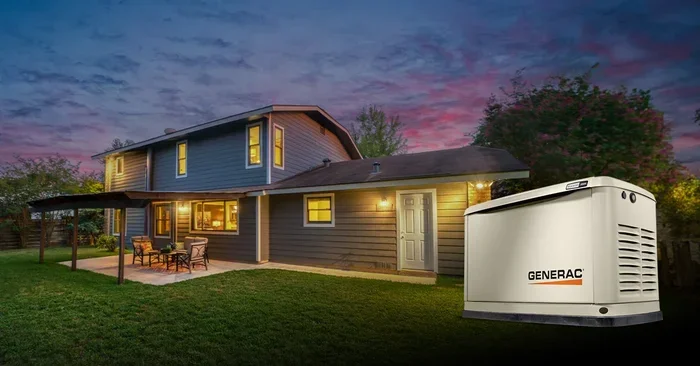
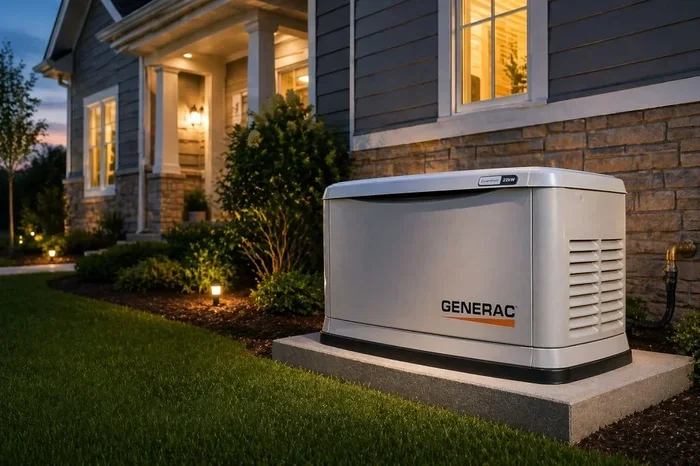
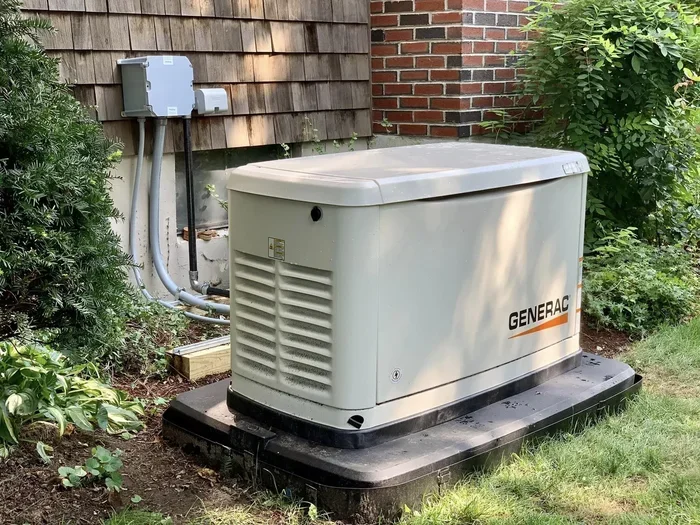
A standby generator is a permanent installation. It sits outside your home, much like an air conditioning unit. Standby models connect to your home’s electrical panel through an automatic transfer switch. When the power goes out, the transfer switch detects the outage and starts the generator automatically. Power is restored within seconds, often without you even noticing.
Standby generators typically run on natural gas or propane. They range from 7,000 to 24,000 watts or more. A standby unit can power your entire home, including heating systems, water heaters, and kitchen appliances. The tradeoff is the higher upfront cost and installation requirement.
Which One Is Right for You?
The right choice depends on your needs and budget. Here is a quick comparison to help you decide:
- Choose a portable unit if: You need power for camping, tailgating, or small job sites. You want a lower upfront cost. You are okay with manual operation.
- Choose a standby unit if: You want automatic backup power for your entire home. You are willing to invest in professional installation. You need reliable power during extended outages.
Key Takeaways: Portable generators offer flexibility and affordability. Standby generators provide automatic, whole home protection. Both types are powered the same way, but standby models connect directly to your home’s fuel supply for uninterrupted runtime.
How to Choose the Right Fuel for Your Generac Generator
Choosing the right fuel comes down to three factors: cost, convenience, and storage. Each fuel type has pros and cons. Let us walk through them so you can make the best decision for your situation.
Comparing Fuel Costs
Gasoline is usually the most expensive fuel per unit of energy. Prices fluctuate at the pump, and you need to buy and transport it. Propane tends to be more stable in price. Many homeowners already have a propane tank for their grill or heating system, which makes refueling easy.
Natural gas is the cheapest option in most areas because it comes through a utility pipeline. You never need to buy or store fuel. However, natural gas generators typically cost more upfront than gasoline models.
Storage and Availability Considerations
Fuel availability matters a lot during emergencies. After a major storm, gas stations may be closed or out of fuel for days. Propane and natural gas are not affected by this problem. Propane can be stored in large tanks on your property. Natural gas flows through underground pipes that are less vulnerable to weather damage.
If you live in an area prone to hurricanes, ice storms, or wildfires, a propane or natural gas standby generator is a smart investment. You will have fuel available even when gas stations are closed.
Quick Tips: Always store gasoline in approved fuel containers in a cool, ventilated area. Add fuel stabilizer if you will not use the fuel within 30 days. For propane, check your tank valve and connections regularly for leaks.
Maintaining Your Generac Generator for Long Life
A Generac generator is a significant investment. Regular maintenance keeps it running reliably for years. Neglecting maintenance leads to poor performance, higher fuel consumption, and expensive repairs. The good news is that most maintenance tasks are simple and can be done at home.
Essential Maintenance Tasks
Here are the maintenance tasks every Generac owner should perform regularly:
- Check the oil level before every use. Change the oil every 100 hours of operation or at least once per season.
- Inspect the air filter monthly. Clean or replace it when it looks dirty. A clogged air filter reduces engine performance and fuel efficiency.
- Check the spark plug every 100 hours. Clean the electrode and gap. Replace it annually or when you notice starting difficulties.
- Use fuel stabilizer if the generator will sit unused for more than two weeks. This prevents fuel degradation and carburetor clogs.
- Run the generator under load for at least 15 minutes once a month. This keeps internal components lubricated and prevents moisture buildup.
Common Generator Maintenance Mistakes
Even well-meaning owners make mistakes that shorten their generator’s lifespan. Here are the most common ones to avoid:
- Running the generator on empty: Always refuel when the tank hits one-quarter full. Running on empty can starve the fuel system and damage the engine.
- Ignoring the oil change: Old oil loses its lubricating properties. This increases engine wear and can lead to costly repairs.
- Overloading the generator: Plugging in too many appliances at once can trip the breaker or damage the alternator. Know your unit’s wattage limits.
- Skipping the break-in period: New generators need a break-in period of about five hours. Change the oil after the break-in to remove metal particles from the new engine.
Expert Insights: Generac recommends professional servicing every 100 to 200 hours of operation for standby models. A certified technician can inspect the automatic transfer switch, check the battery, and perform a comprehensive tune-up. This is especially important for units that run frequently during storm season.
Conclusion
Understanding how is a Generac generator powered gives you the knowledge to make smarter buying and operating decisions. Whether you choose a gasoline portable unit or a natural gas standby model, the basic principle remains the same. Fuel powers an engine, the engine spins an alternator, and the alternator produces electricity.
Your choice of fuel affects runtime, cost, maintenance, and environmental impact. Gasoline offers convenience and portability. Propane provides clean burning and long storage life. Natural gas delivers unlimited supply and automatic convenience. Dual fuel models give you flexibility to switch between options.
Regular maintenance keeps your generator running strong for many years. Check the oil, clean the air filter, and use fresh fuel. These simple habits prevent most common problems and ensure your unit is ready when you need it most.
Now that you understand how a Generac generator powered system works, you can confidently choose the right unit and fuel for your home. Whether you need backup power for a few essentials or whole house protection, there is a Generac generator that fits your needs. Take the time to match your generator to your lifestyle, and you will enjoy reliable power for years to come.
Frequently Asked Questions
Can a Generac generator run on multiple fuels at the same time?
No, a dual fuel Generac generator switches between gasoline and propane but does not burn both simultaneously. You use one fuel source at a time by turning the fuel valve. This gives you flexibility to use whichever fuel is available or most cost-effective.
How long can a Generac generator run continuously?
Runtime depends on the model, fuel tank size, and load. A portable Generac generator typically runs 8 to 12 hours on a full tank at moderate load. Standby models connected to a natural gas line can run continuously for days as long as fuel supply is available. Always check the manufacturer’s runtime specifications for your specific model.
Is a Generac generator loud?
Noise levels vary by model. Portable gasoline units typically produce 60 to 75 decibels, similar to a normal conversation. Standby models are slightly louder at 70 to 80 decibels. Generac offers quiet-rated models with soundproof enclosures for homeowners who need lower noise levels.
What size Generac generator do I need for my home?
Add up the wattage of all the appliances and devices you want to run simultaneously. Include starting watts for motor-driven appliances like refrigerators and air conditioners. Then add a 20 percent safety buffer. For most homes, a standby generator between 12,000 and 20,000 watts covers essential and comfort circuits.
How often should I maintain my Generac generator?
Perform basic checks like oil level and air filter inspection before every use. Change the oil every 100 hours or once per season. Have a professional inspect standby models annually or every 200 hours of operation. Regular maintenance prevents breakdowns and extends the life of your generator.
Can I use a Generac generator during a power outage?
Yes, that is exactly what Generac generators are designed for. Portable units can power essential appliances through extension cords. Standby units automatically kick in when utility power fails. Always follow safety guidelines, never operate a generator indoors, and connect it properly to avoid backfeeding into utility lines.