Does a Portable Generator Really Need to Be Grounded
Does a portable generator need to be grounded? The answer depends on your setup, but in most cases, yes. Grounding protects you from electrical shock, fire, and equipment damage. Whether you need a ground rod depends on your generator type, how you use it, and local electrical codes. This guide breaks it all down in plain language so you can stay safe and compliant.
You just bought a portable generator. Maybe it is for camping. Maybe it is for backup power during storms. Either way, you want to use it safely. One question keeps popping up: does a portable generator need to be grounded?
The short answer is yes, in most situations. But the full answer is a little more nuanced. Whether you need to drive a copper rod into the dirt depends on your generator model, how you plan to use it, and the electrical setup you have in place. Let us walk through everything you need to know. No confusing jargon. Just clear, practical advice.
Electrical safety is no joke. A wrong connection can lead to shock, fire, or fried electronics. Understanding generator grounding basics could save your life. So let us dive in and make sure you are set up the right way.
Key Takeaways
- Grounding is often required: Most portable generators need a grounding electrode to meet safety standards and electrical codes.
- It depends on your transfer switch: Generators with a bonded neutral and a proper transfer switch may not need a separate ground rod in some cases.
- Ungrounded generators pose real risks: Electrical shock, fire, and equipment damage can occur without proper grounding.
- Grounding is simple and affordable: A copper ground rod and basic tools are all you need for most setups.
- Local codes vary: Always check your local electrical codes and consult a licensed electrician when in doubt.
- Never skip grounding for standby use: If you power your home during an outage, grounding becomes even more critical.
📑 Table of Contents
- What Does It Mean to Ground a Generator?
- Why Grounding Matters for Safety
- When Does a Portable Generator Need to Be Grounded?
- How to Ground a Portable Generator (Step by Step)
- Common Mistakes People Make with Generator Grounding
- Expert Insights on Generator Grounding
- How to Tell If Your Generator Is Already Grounded
- Does Every Generator Need a Ground Rod?
- Final Thoughts
What Does It Mean to Ground a Generator?
When we talk about grounding, we mean connecting the generator to the earth. This creates a safe path for extra electricity to flow into the ground. Think of it like a pressure valve. If too much power builds up, the ground wire sends it safely into the dirt instead of through you.
Every electrical system produces stray voltage. This can happen from lightning, short circuits, or equipment malfunctions. Without a grounding electrode, that extra energy has nowhere to go. It looks for a path. That path could be your body. That is a scary thought.
How Grounding Works in Simple Terms
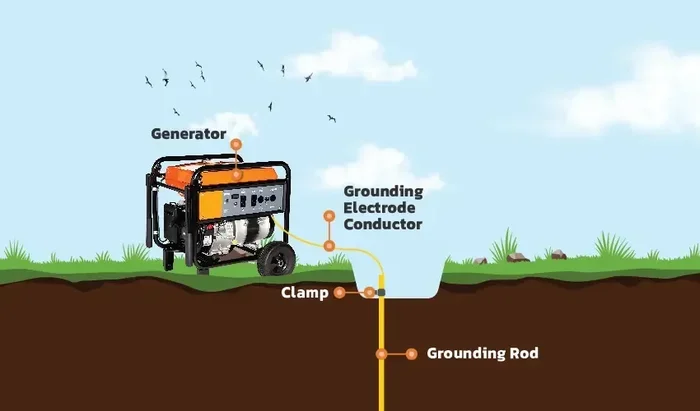
Here is how it works in plain English. Your generator produces electricity. That electricity flows through wires to power your devices. A grounding conductor runs alongside those wires. It connects to a metal rod stuck in the earth. If something goes wrong, the extra current travels down that rod and disappears into the soil.
This process is called electrical grounding. It keeps the voltage in your system stable. It also protects your appliances from power surges. Most homes built after the 1960s already have grounding systems. But portable generators are a different story.
Grounding vs. Bonding: What Is the Difference?
People often mix up grounding and bonding. They are related but not the same. Bonding means connecting metal parts together so they share the same electrical potential. Grounding means connecting those parts to the earth.
Your generator frame should be bonded to the electrical system. This prevents static buildup and reduces shock risk. But bonding alone is not always enough. You also need a path to the earth. That is where the ground rod comes in.
Why Grounding Matters for Safety
Let us talk about why this matters. Safety is the number one reason to ground your generator. But there are several important reasons beyond just staying alive.
Preventing Electrical Shock
An ungrounded generator is a shock hazard. If a wire inside the generator touches the metal frame, the entire frame becomes live. Without grounding, touching that frame gives you a direct path to the ground. That means electricity flows through your body. Ouch.
Proper equipment grounding fixes this. The ground wire carries the fault current away from you. It trips the breaker or blows a fuse. You get protected. Your devices get protected. Everyone wins.
Protecting Your Appliances and Electronics
Power surges can destroy sensitive electronics. Computers, TVs, and phones are especially vulnerable. A good grounding system absorbs excess voltage before it reaches your devices. Think of it as a safety net for your gear.
During a power outage, you rely on your generator to keep things running. You do not want a surge to fry everything you are trying to protect. Grounding keeps your backup power system safe and reliable.
Meeting Electrical Codes and Insurance Requirements
Most local electrical codes require grounding for generators. The National Electrical Code, or NEC, sets the standards. If you are using your generator to power your home, you likely need to follow these rules to the letter.
Insurance companies also care about this. If a fire or electrical damage occurs and your generator was not grounded, your claim could get denied. That is a costly mistake. Staying compliant protects both you and your investment.
When Does a Portable Generator Need to Be Grounded?
This is where things get interesting. Not every situation requires a ground rod. The answer depends on how your generator is wired and how you are using it. Let us break it down.
Generators with a Bonded Neutral
Many modern portable generators have a bonded neutral. This means the neutral wire is connected to the generator frame. In this case, the frame itself acts as the grounding path. You may not need a separate ground rod if you use the generator directly for your loads.
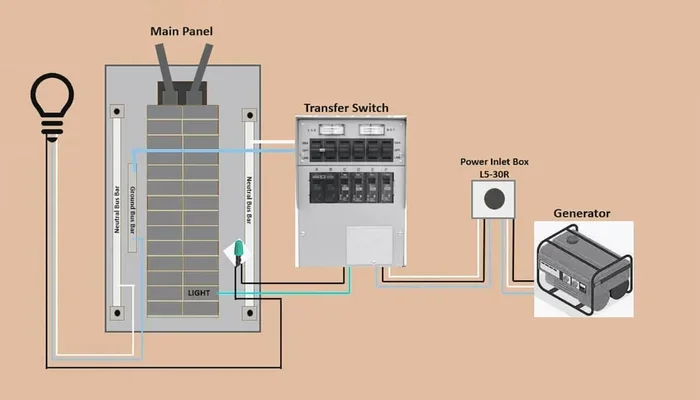
However, if you are using a transfer switch to power your home, the rules change. A transfer switch connects the generator to your home’s electrical panel. In that setup, the neutral and ground must be separated. This is called a four-pole transfer switch. And it usually requires a dedicated grounding electrode.
Generators with an Unbonded Neutral
Some generators have an unbonded neutral. This means the neutral is not connected to the frame. In this case, you absolutely need to ground the generator separately. Check your owner’s manual to find out which type you have.
Using an unbonded generator without grounding is dangerous. It creates a floating voltage situation. That is a serious shock and fire hazard. Do not skip this step.
Using the Generator for Camping or RV Power
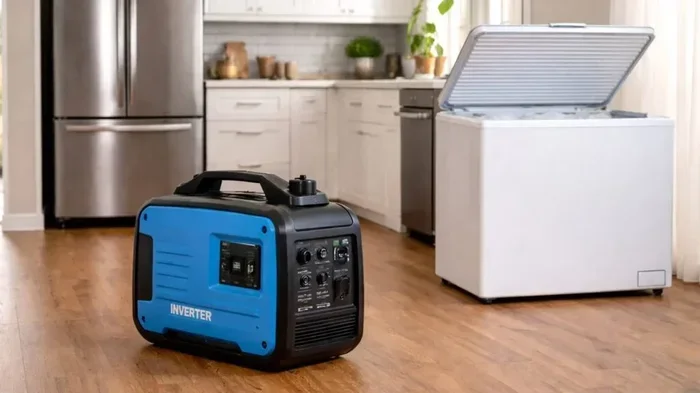
If you are using a portable power generator for camping or an RV, the rules are a bit different. Many RVs have their own grounding systems. The generator’s frame bonding may be enough in these cases. Still, it is smart to check your RV manual and follow best practices.
For temporary setups like tailgating or outdoor events, grounding is still a good idea. It only takes a few minutes and adds a layer of protection you cannot put a price on.
When You Are Powering Your Home During an Outage
If you plan to use your generator as backup power for your house, grounding is almost always required. You will likely need a grounding electrode, a transfer switch, and proper bonding. This is not a DIY project for most people. Hire a licensed electrician to make sure everything is set up correctly.
A generator safety inspection can give you peace of mind. A pro can check your entire setup and confirm you are up to code. It is worth every penny.
Quick Reference: When You Need a Ground Rod
- You are using a transfer switch to power your home
- Your generator has an unbonded neutral
- Your local electrical code requires it
- You are using the generator in wet or damp conditions
- You are powering sensitive electronics or medical equipment
How to Ground a Portable Generator (Step by Step)
Good news. Grounding a portable generator is not hard. You do not need to be an electrician. With a few tools and some basic know-how, you can do it in under 30 minutes. Here is how.
What You Will Need
- A copper grounding rod (at least 8 feet long)
- A grounding wire (thick enough for your generator’s amperage)
- A grounding clamp compatible with your wire
- A hammer or mallet
- A wire stripper
- Safety gloves and goggles
Step 1: Find the Right Spot
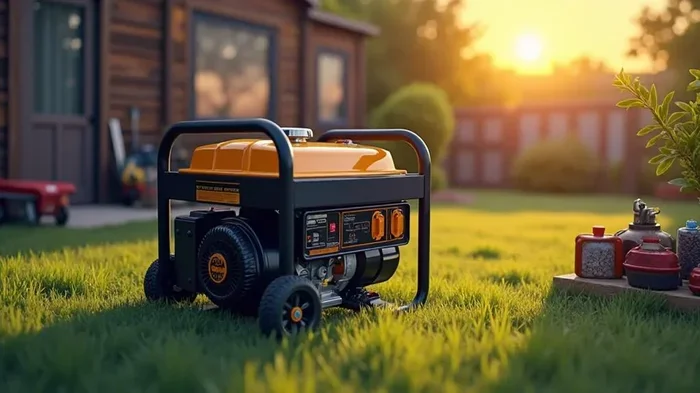
Place the grounding rod in a spot close to the generator. It should be in direct contact with the soil. Avoid concrete or paved surfaces. The rod needs to reach deep into moist earth for the best conductivity.
Step 2: Drive the Rod into the Ground
Use your hammer or mallet to push the rod into the soil. You want at least 8 feet of depth. If the ground is hard, you can angle the rod slightly. Just make sure it is firmly planted.
Step 3: Attach the Grounding Wire
Strip one end of the grounding wire. Attach it to the grounding rod using your grounding clamp. Make sure the connection is tight and secure. Any looseness can reduce the effectiveness of the ground.
Step 4: Connect to the Generator
Find the grounding terminal on your generator. It is usually marked with a ground symbol. Attach the other end of the wire to this terminal. Again, make sure the connection is solid.
Step 5: Test Your Setup
Before you plug in any devices, do a quick check. Look for loose connections. Make sure the wire is not damaged. Run the generator for a few minutes and listen for anything unusual.
Quick Tip: Label your grounding wire so you always know which one it is. This prevents accidental disconnections during setup.
Common Mistakes People Make with Generator Grounding
Even well-meaning users make mistakes when grounding their generators. Here are the most common ones and how to avoid them.
Skipping Grounding Because It Seems Unnecessary
This is the biggest mistake. Many people assume their generator does not need grounding because it is small or temporary. That is not true. Even a small generator can produce dangerous voltage levels. Always ground your unit unless you are certain your setup does not require it.
Using the Wrong Wire Gauge
Not all grounding wires are created equal. You need a wire thick enough to handle fault currents. Using a thin wire can cause it to melt during a surge. Check your generator manual for the correct wire size. When in doubt, go thicker.
Burying the Ground Rod Too Shallow
An 8-foot rod pushed only 2 feet into the ground is not effective. The deeper the rod, the better the grounding. In dry climates, you may need to water the area around the rod to improve conductivity.
Ignoring Local Codes
Electrical codes vary by location. What works in one state might not be legal in another. Always check with your local building authority before setting up your generator. A quick phone call can save you from fines and safety hazards.
Using Rusty or Damaged Grounding Equipment
A rusty ground rod or corroded clamp is almost useless. Corrosion increases resistance and reduces the effectiveness of the ground. Inspect your equipment before every use. Replace anything that looks worn or damaged.
Confusing the Neutral and Ground Wires
This is a dangerous mistake. The neutral wire carries current under normal operation. The ground wire only carries current during a fault. Swapping them can create a serious hazard. Always follow the wiring diagram in your generator manual.
Expert Insights on Generator Grounding
We spoke with licensed electricians and generator safety professionals to get their top tips. Here is what they had to say.
Always Read the Manual First
Your generator manual is the best place to start. It will tell you exactly what type of grounding your model requires. Some manufacturers ground the frame internally. Others require an external ground rod. Do not guess. Read the manual.
Consider a Portable Grounding Kit
Several companies sell pre-made grounding kits designed specifically for portable generators. These kits include a ground rod, wire, and clamp. They are affordable and take the guesswork out of setup. Look for kits rated for your generator’s wattage.
Wet Conditions Require Extra Caution
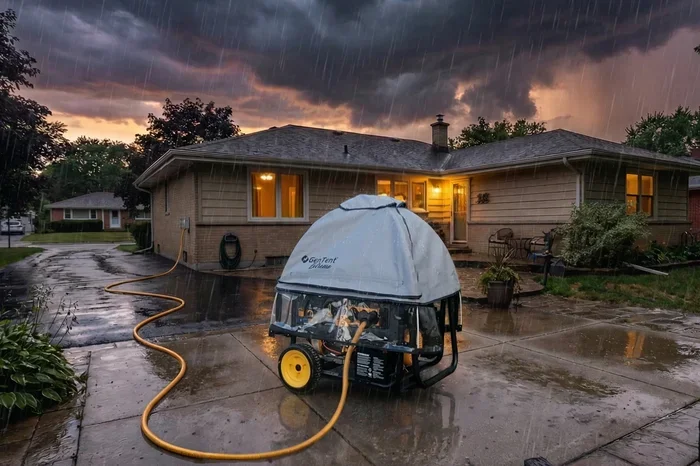
Using a generator in the rain or on wet ground increases the risk of electrical shock. Moisture improves conductivity, which means a fault current can travel more easily through you. In wet conditions, always make sure your grounding setup is solid and dry.
Surge Protectors Are Not a Substitute for Grounding
A surge protector helps, but it is not a replacement for proper grounding. The surge protector needs a good ground path to work effectively. Without grounding, the surge protector has nowhere to send the extra voltage. It is like putting a seatbelt on someone who is not wearing a car.
How to Tell If Your Generator Is Already Grounded
Not sure if your generator is grounded? Here are a few ways to check. First, look at the frame. If the generator frame is connected to the neutral conductor, it is likely grounded through the frame. Second, check for a grounding terminal on the generator. This is usually a green-colored screw or terminal.
Third, look at the type of outlet on your generator. NEMA L14-30 outlets are common on larger portable generators. These typically have a separate ground pin. If your generator has this type of outlet, it was likely designed with grounding in mind.
When in doubt, consult a professional. A quick inspection by a licensed electrician can confirm whether your setup is safe. This is especially important if you plan to use the generator for home backup power.
Does Every Generator Need a Ground Rod?
Here is the truth. Not every portable generator needs a separate ground rod. The NEC, or National Electrical Code, has specific guidelines. If your generator has a bonded frame and you are using it to power appliances directly, a ground rod may not be necessary. The frame itself serves as the grounding electrode.
But if you are using a transfer switch, or if your generator has an unbonded neutral, you must use a ground rod. The same applies if you are powering your home’s electrical panel. In those cases, the ground rod is not optional. It is a safety requirement.
Think of it this way. A ground rod is like insurance. You might not need it every day. But when things go wrong, you will be incredibly glad you have it. The few minutes it takes to set up could save your life.
Final Thoughts
So, does a portable generator need to be grounded? In most real-world scenarios, yes. Grounding protects you, your family, and your equipment. It keeps your electrical system stable and safe. It also helps you stay compliant with local codes and insurance requirements.
The process is simple and affordable. A copper rod, a grounding wire, and a few minutes of your time. That is all it takes to make your generator setup significantly safer. Do not skip this step. Ever.
Whether you are camping in the woods or keeping your home running during a storm, proper grounding gives you peace of mind. You can enjoy your portable power knowing you have done everything right. Stay safe, stay informed, and always ground your generator when in doubt.
Frequently Asked Questions
What happens if you don’t ground a portable generator?
An ungrounded generator can cause electrical shock, fire, or equipment damage. Stray voltage has nowhere to go without a proper ground path. This puts you and anyone nearby at serious risk. Always ground your generator unless you are certain your setup does not require it.
Can I use my generator frame as a ground?
In some cases, yes. If your generator has a bonded frame and neutral, the frame can serve as the grounding electrode. However, this depends on how you are using the generator. Check your manual and local codes to be sure. When using a transfer switch, a separate ground rod is usually required.
How deep should a generator ground rod be?
The ground rod should be at least 8 feet deep. This is the standard requirement under the National Electrical Code. The deeper the rod, the better the connection to the earth. In dry or rocky soil, you may need to angle the rod or add water to improve conductivity.
Do I need a ground rod for a camping generator?
For most camping and recreational uses, a separate ground rod is not strictly required. However, it is still a good safety practice. If you are using the generator in wet conditions or powering sensitive electronics, grounding adds an important layer of protection. It only takes a few minutes to set up.
What type of wire is used for generator grounding?
You need a copper grounding wire rated for the amperage of your generator. Most portable generators use 6 AWG or 8 AWG copper wire. Check your generator manual for the exact specification. Never use aluminum wire for grounding, as it corrodes easily and increases resistance.
Is grounding required by law for portable generators?
It depends on how you use the generator and your local electrical codes. The National Electrical Code has specific rules about when grounding is required. If you are powering your home through a transfer switch, grounding is almost always mandatory. Check with your local building authority for the rules in your area.
=== CONCLUSION ===
Does a portable generator need to be grounded? Yes, in most cases it does. Grounding is a simple but essential step that keeps you safe and your equipment protected. Whether you are using your generator for a weekend camping trip or as backup power during a storm, taking the time to ground it properly is always worth the effort. Follow the steps in this guide, check your local codes, and when in doubt, consult a licensed electrician. Your safety is worth more than any shortcut.