How Long Will a Gas Generator Run Before Running Out
A gas generator’s runtime depends on fuel tank size, load level, and engine efficiency. Most portable models run 8 to 12 hours on a full tank, while standby units can run for days with a continuous fuel supply. Understanding runtime factors helps you plan for power outages and choose the right generator for your needs.
Key Takeaways
- Portable gas generators typically run 8 to 12 hours on a full tank at 50% load.
- Standby gas generators can run continuously for 24 to 72 hours or more with proper fuel supply.
- Load level is the biggest factor — running at full load cuts runtime in half compared to half load.
- Fuel tank size and fuel type (gasoline, propane, natural gas) directly affect how long your generator runs.
- Regular maintenance like oil changes and air filter cleaning helps your generator run longer and more efficiently.
- Runtime can be extended with larger fuel tanks, fuel stabilizers, and smart load management.
- Never run a generator indoors — proper ventilation is essential for safety during extended use.
📑 Table of Contents
- How Long Will a Gas Generator Run Before Running Out?
- What Affects Gas Generator Run Time?
- Gas Generator Runtime by Type
- Gas Generator Run Time Chart
- How to Extend Your Generator’s Run Time
- Common Mistakes That Shorten Generator Run Time
- Expert Insights on Gas Generator Runtime
- How to Choose the Right Generator for Your Runtime Needs
- Safety Tips for Extended Generator Use
- Conclusion
How Long Will a Gas Generator Run Before Running Out?
If you have ever wondered about gas generator runtime, you are not alone. Power outages happen without warning, and knowing how long your portable gas generator will keep your lights on makes a big difference. This guide answers that question in detail.
How long will a gas generator run depends on several factors. The fuel tank size, the load you place on it, the type of fuel, and even the weather all play a role. A small portable unit might give you 8 hours. A large standby unit could run for days if connected to a steady fuel source.
In this article, we break down everything you need to know. We will look at runtime charts, explain the key factors, and give you practical tips to get the most out of your gas powered generator. Whether you need backup power for your home or a reliable source for camping trips, this guide has you covered.
What Affects Gas Generator Run Time?
There is no single answer to the question of how long will a gas generator run. Many variables change the total run time. Let us look at each one closely.
Fuel Tank Capacity
The size of the fuel tank is the most obvious factor. A bigger tank holds more gasoline, which means longer runtime. Small portable generators usually have tanks between 1 and 3 gallons. Larger standby models may hold 10 to 20 gallons or more.
Here is a simple way to think about it. If a generator burns one gallon per hour, a 5-gallon tank gives you about 5 hours. But real-world runtime is rarely that simple. Let us look at the numbers more closely.
- Small portable generators — 1 to 3 gallon tanks. Runtime: 6 to 10 hours.
- Medium portable generators — 3 to 5 gallon tanks. Runtime: 10 to 16 hours.
- Large standby generators — 10 to 20+ gallon tanks. Runtime: 24 to 72+ hours.
Always check the generator fuel tank size before buying. The manufacturer will list the estimated run time on the product page or in the manual.
Load Level
The load is the amount of power you are pulling from the generator. Running a gasoline generator at full load uses fuel much faster than running it at half load. This is the single biggest factor that changes runtime.
Think of it like driving a car. You use more gas on the highway at full speed than you do cruising on a quiet road. Generators work the same way.
- 25% load — The generator sips fuel. Runtime is at its longest.
- 50% load — A balanced middle ground. Good for most household needs.
- 75% load — Fuel burns faster. Runtime drops noticeably.
- 100% load — Maximum fuel consumption. Runtime is at its shortest.
Most manufacturers list runtime at 50% load. This is called the “half-load” rating. It gives you a realistic idea of what to expect during normal use.
Fuel Type
The type of fuel your generator uses matters a lot. Gasoline is the most common fuel for portable units. But propane and natural gas are also popular options. Each fuel has different burn characteristics.
Gasoline is widely available and stores well for short periods. However, it degrades over time — usually within 3 to 6 months. Propane burns cleaner and has an almost unlimited shelf life. Natural gas provides continuous fuel as long as your gas line is active.
If you want to know how many hours will a generator run on propane versus gasoline, the answer depends on the burn rate and tank size. Propane generators often run slightly longer on a given volume because propane burns more efficiently.
Engine Efficiency and Age
A well-maintained generator runs more efficiently than a neglected one. Newer models with modern engines use fuel better and last longer on a tank. Older generators may burn more fuel and produce less power over time.
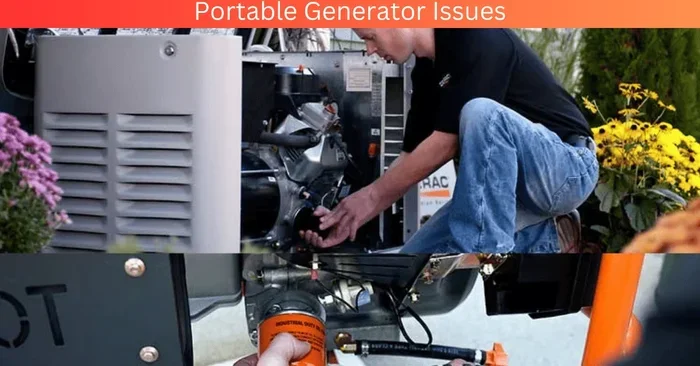
Regular generator maintenance keeps things running smoothly. This includes oil changes, air filter cleaning, and spark plug replacements. A clean engine breathes better and burns fuel more completely.
Gas Generator Runtime by Type
Not all generators are the same. The type of generator you choose determines your runtime. Let us compare the most common types.
Portable Gas Generators
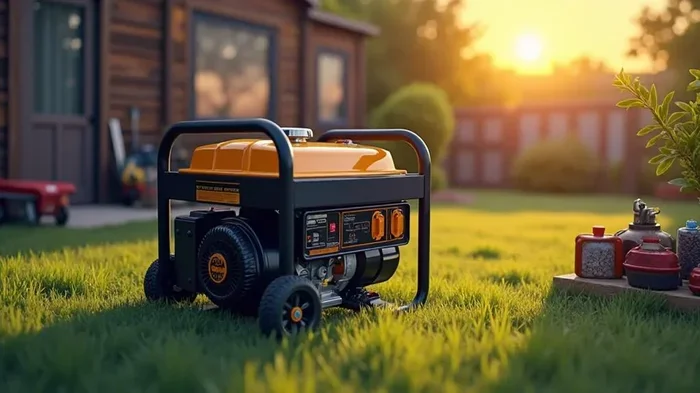
Portable gas generators are the most popular choice for homes, camping, and job sites. They are easy to move and set up. Most portable units run between 8 and 12 hours on a full tank at 50% load.
Some high-end portable models can run up to 15 or even 20 hours. These units have larger tanks and more efficient engines. They cost more upfront but save you from refueling during long outages.
Popular brands like Honda, Yamaha, and Champion offer portable models with strong runtime numbers. When shopping, look for the runtime hours per gallon rating. This tells you exactly how much fuel the generator uses.
Standby Gas Generators
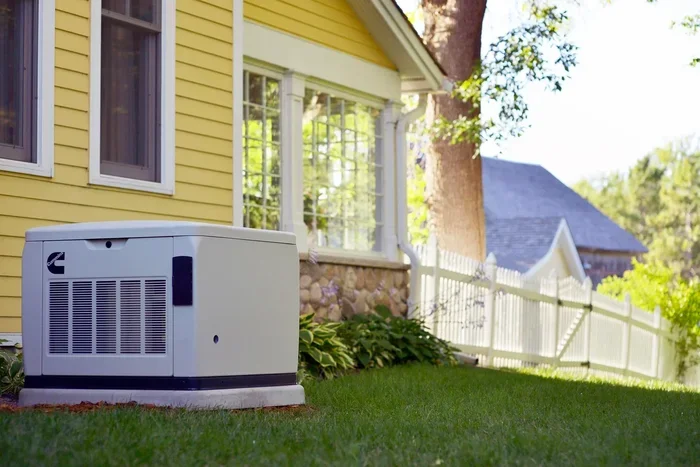
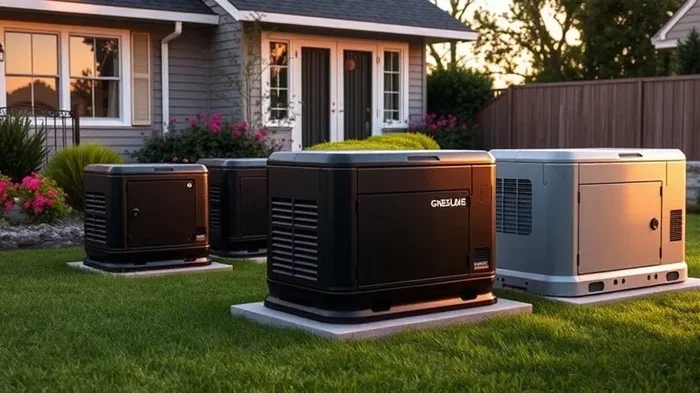
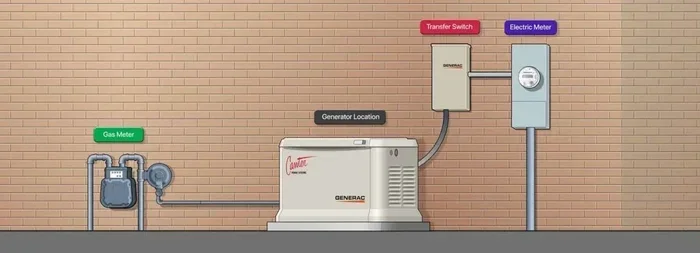
Standby generators are the heavy-duty option. They sit outside your home and kick in automatically during a power outage. These units connect directly to your home’s natural gas or propane supply.
Because they pull fuel from a continuous source, standby generators can run for days without stopping. Most are rated for 24 to 72 hours of continuous operation. Some commercial-grade models can run even longer with proper maintenance.
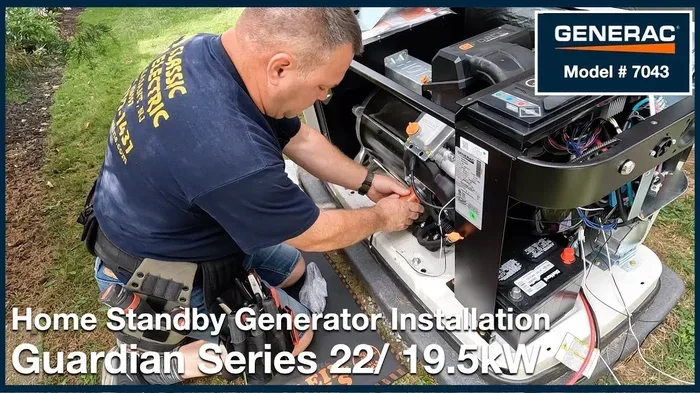
The trade-off is cost. Standby generators are much more expensive than portable units. They also require professional installation. But for whole-house backup power, they are unbeatable.
Inverter Generators
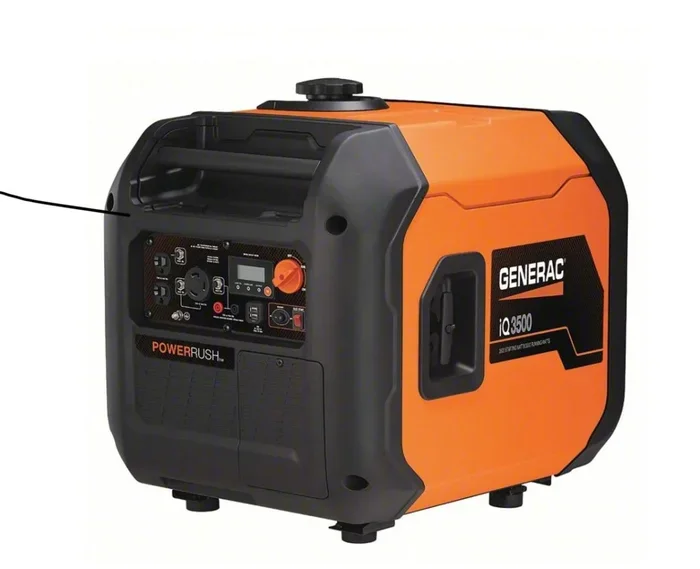
Inverter generators are a special type of portable generator. They produce clean, stable power safe for sensitive electronics like laptops and phones. These units are also known for excellent fuel efficiency.
Inverter generators often run longer per gallon than conventional generators. This is because they adjust engine speed based on the load. Less load means less fuel burned. Runtime for inverter models typically ranges from 10 to 20 hours on a single tank.
Gas Generator Run Time Chart
A generator run time chart helps you compare models quickly. Below is a general chart based on common portable generator sizes and load levels.
Keep in mind that these numbers are estimates. Your actual runtime may vary based on conditions.
Average Runtime by Generator Size and Load:
- 2,000–3,000 watts at 25% load — 10 to 14 hours
- 2,000–3,000 watts at 50% load — 7 to 10 hours
- 3,000–4,000 watts at 25% load — 8 to 12 hours
- 3,000–4,000 watts at 50% load — 6 to 9 hours
- 5,000–7,500 watts at 25% load — 10 to 14 hours
- 5,000–7,500 watts at 50% load — 7 to 10 hours
- 7,500–10,000 watts at 25% load — 8 to 12 hours
- 7,500–10,000 watts at 50% load — 5 to 8 hours
These numbers give you a solid starting point. Always check the specific model you are considering. The manufacturer’s runtime chart is your best resource.
How to Extend Your Generator’s Run Time
Want to get more hours out of every tank of gas? There are several proven ways to extend gas generator runtime. These tips work for both portable and standby units.
Use a Larger Fuel Tank
The simplest way to run longer is to use more fuel. Some portable generators accept external fuel tanks. You can also use fuel-efficient models that burn less gas per hour.
For standby generators, connecting to a larger propane tank or a natural gas line eliminates the need to refuel. This is the best way to ensure your generator hours on a tank are maximized.
Reduce the Load
Running fewer appliances means less fuel used. Prioritize essential devices like refrigerators, medical equipment, and lights. Turn off anything you do not absolutely need.
This is one of the easiest generator runtime tips you can follow. Even reducing the load by 25% can add several hours to your runtime.
Use Fuel Stabilizer
Gasoline degrades over time. Bad fuel burns inefficiently and can clog your engine. Adding a fuel stabilizer keeps gasoline fresh for up to 12 months.
This is especially important if you only use your generator occasionally. Fresh fuel means better combustion and longer runtime every time you start it up.
Perform Regular Maintenance
A clean engine runs better. Change the oil regularly. Clean or replace the air filter. Check the spark plug. These simple steps keep your generator running at peak efficiency.
Most manufacturers recommend an oil change every 100 hours of use. Following the maintenance schedule in your owner’s manual pays off in fuel savings and longer runtime.
Store Fuel Properly
Keep extra gasoline in approved containers in a cool, dry place. Heat and sunlight break down fuel faster. Proper storage ensures you always have fresh fuel available when you need it.
Never store fuel near your generator or any heat source. Safety should always come first, especially during extended use.
Common Mistakes That Shorten Generator Run Time
Many people unknowingly shorten their gasoline generator fuel consumption and runtime. Avoiding these mistakes helps you get the most from every tank.
Running at Full Load All the Time
This is the most common mistake. Running your generator at 100% load burns through fuel fast. It also puts extra stress on the engine, which can lead to breakdowns.
Instead, match your generator size to your actual power needs. If you only need 3,000 watts, do not buy a 10,000-watt generator and run it at full capacity. Choose a unit that runs at 50% to 75% of its rated load for best efficiency.
Ignoring Maintenance
A dirty air filter, old oil, or worn spark plug all reduce engine performance. Your generator has to work harder and burn more fuel to produce the same power.
Set a reminder to check your generator before every use. A few minutes of maintenance saves hours of lost runtime and expensive repairs.
Using Old or Contaminated Fuel
Gasoline that has been sitting in the garage for six months may not burn properly. Contaminated fuel causes poor combustion, which wastes fuel and shortens runtime.
Always use fresh gasoline. If the fuel has been sitting for more than 30 days, add stabilizer or drain the tank and refill with fresh fuel.
Overlooking Weather Conditions
Cold weather makes engines work harder. Generators in cold climates may use more fuel and have shorter runtime during winter months.
Wind also affects performance. If your generator is exposed to strong winds, it may struggle to maintain steady output. Use a generator cover or shelter it from the elements when possible.
Expert Insights on Gas Generator Runtime
How long will a gas generator run is one of the most asked questions by homeowners and outdoor enthusiasts alike. Industry experts agree that understanding your specific needs is the first step.
“The key to maximizing runtime is matching your fuel source to your usage pattern,” says a senior technician at a leading generator service center. “For short outages, a portable gasoline generator works great. For extended blackouts, a standby unit connected to natural gas or a large propane tank is the way to go.”
Experts also emphasize the importance of load management. Running only essential circuits during an outage not only saves fuel but also prevents the generator from overheating.
Another expert tip: “Invest in a fuel consumption monitor. These devices attach to your fuel line and tell you exactly how much gas you are using per hour. This data helps you predict runtime with much greater accuracy.”
Seasonal factors matter too. During summer heatwaves, people run more air conditioning, which increases the load and reduces runtime. Planning ahead and having extra fuel on hand helps bridge the gap.
How to Choose the Right Generator for Your Runtime Needs
Buying the right gas powered generator means understanding how long you need it to run. Here are some simple guidelines to help you decide.
For Short Outages (8 to 12 Hours)
A basic portable generator with a 2 to 3 gallon tank is perfect. These units are affordable, lightweight, and easy to store. They handle essentials like a refrigerator, a few lights, and a phone charger.
For Extended Outages (24 to 48 Hours)
Look for a larger portable model with a 5 to 7 gallon tank. Better yet, choose an inverter generator for maximum fuel efficiency. You may still need to refuel once or twice during a long outage.
For Multi-Day Outages (72+ Hours)
A standby generator connected to a natural gas or large propane tank is your best option. These units run continuously without manual refueling. The upfront cost is higher, but the convenience is unmatched.
Consider your typical outage history in your area. If blackouts are rare and short, a portable unit saves money. If outages are frequent and long, a standby generator is a smart investment.
Safety Tips for Extended Generator Use
Running your gasoline generator for long periods requires attention to safety. Extended use increases the risk of fuel leaks, overheating, and carbon monoxide exposure.
- Always run generators outdoors. Never use a generator inside your home, garage, or basement. Carbon monoxide is odorless and deadly.
- Keep the generator dry. Use it on a dry surface under a canopy or generator tent. Never operate it in rain or snow.
- Check fuel levels regularly. Refuel when the tank is at one-quarter full to avoid running out unexpectedly.
- Let the generator cool before refueling. Spilling gasoline on a hot engine can cause a fire.
- Install carbon monoxide detectors in your home, especially near sleeping areas.
- Use heavy-duty extension cords. Make sure cords are rated for the wattage and are free of damage.
Following these safety steps ensures you can use your generator confidently for as long as needed.
Conclusion
How long will a gas generator run before running out of fuel? The answer depends on your fuel tank size, load level, fuel type, and maintenance habits. Most portable models run 8 to 12 hours on a full tank. Standby units can run for days with a continuous fuel supply.
Understanding generator runtime factors helps you plan better and choose the right unit for your needs. Use the runtime charts, follow our tips to extend run time, and avoid common mistakes that waste fuel. With proper care and smart usage, your gas generator will be there when you need it most.
Take the time to learn your specific model’s runtime. Check the manual, read the manufacturer’s chart, and plan for your typical usage. A little preparation goes a long way toward keeping your home powered and your family comfortable during any outage.
Frequently Asked Questions
How long will a gas generator run on a full tank?
Most portable gas generators run 8 to 12 hours on a full tank at 50% load. Larger standby units can run 24 to 72 hours or more with a continuous fuel supply. The exact runtime depends on your tank size and the load you are running.
What is the average fuel consumption of a gas generator per hour?
A typical portable gas generator burns between 0.5 and 1.5 gallons per hour, depending on the load. Smaller units at 25% load use about 0.5 gallons per hour. Larger units at full load can use up to 1.5 gallons per hour or more.
Can I run a gas generator continuously for days?
Yes, but only with the right setup. Standby generators connected to natural gas or large propane tanks can run continuously for days. Portable generators need to be refueled periodically. Always let the unit cool before adding fuel and follow all safety guidelines.
Does running a generator at half load save fuel?
Absolutely. Running your generator at 50% load instead of 100% load can nearly double your runtime. It also reduces engine wear and noise. This is the most effective way to maximize gas generator runtime during extended use.
How can I make my gas generator run longer?
Reduce the load, use fresh fuel with stabilizer, perform regular maintenance, and consider a larger fuel tank or external fuel source. Inverter generators also offer better fuel efficiency. These simple steps add significant runtime to every tank of gas.
Is it safe to run a gas generator all night?
Yes, as long as you follow safety rules. Place the generator outdoors in a well-ventilated area. Keep it away from windows and doors. Use carbon monoxide detectors in your home. Never refuel while the generator is running or hot.